




How Region, Harvest, and Processing Affect Moringa Leaf Quality

How Region, Harvest, and Processing Affect Moringa Leaf Quality
Moringa, often celebrated as a nutrient-rich superfood, has a journey that starts long before it lands on your shelf. Each step—from where it's grown to how it’s harvested and finally processed—can make a significant difference in the ultimate quality, flavor, and appearance of moringa leaf products. Understanding these factors empowers you to confidently choose a product that aligns with your values and expectations. In this article, we'll explore how region (terroir), harvest timing, and processing methods shape the unique character of moringa leaves, what these terms mean on supplement labels, and what questions you can ask to learn more.
The Influence of Region: Terroir and Moringa Leaf Character
The concept of terroir—a French word used in the wine world—is just as relevant for moringa. Terroir includes soil composition, local climate, rainfall patterns, sunlight hours, and the variety or cultivar planted. Moringa oleifera, the most widely used species, is native to the sub-Himalayan areas of India and now grows globally across Africa, Southeast Asia, South America, and beyond.
Soil Quality: Nutrient-dense and well-drained soils support stronger root systems, which contribute to lush, healthy leaves. Minerals in the soil can affect the flavor and micronutrient content of the leaves. Climate Conditions: Areas with consistent warmth and balanced rainfall often yield moringa leaves with more vibrant color. Dry or harsh climates can stress the plant, at times concentrating certain phytonutrients but possibly resulting in smaller, tougher leaves.
Cultivar Choice: Different moringa varieties have been selected for leaf size, tenderness, or growth speed. Cultivated hybrids may favor certain dietary fibers, flavors, or resistance to drought.
Regional Flavor and Appearance Variations: Color, taste, and texture each offer clues about how moringa was grown. Lush, rainy regions often produce brighter green leaves, while arid climates may yield a more muted shade. Moringa grown in mineral-rich regions may have a slightly earthier or richer taste profile, and softer soil may mean more tender leaves which, when dried, retain a smoother texture in teas and powders.

Harvest Timing: The Role of Season and Leaf Age
Not every leaf is harvested at the same stage. The age of a moringa leaf and the season in which it's picked play pivotal roles in the final product's taste, appearance, and shelf life. Younger leaves are typically a lighter green, with a milder, less earthy flavor, while mature leaves are darker, possibly richer in fiber and some phytonutrients. Seasonal influences, like a rainy season, can increase leaf succulence and juice content, making careful drying especially important. Dry season leaves might be smaller and tougher but occasionally denser in certain nutrients due to plant stress response.
Harvest method also matters. Hand-picking is gentler and enables selective harvesting of optimal leaves, while mechanical harvesting is faster but may include varied leaf ages and more stems, influencing uniformity and texture in the final powder or tea product. If you're comparing dried moringa products, consider asking about harvest timing and whether only leaves (not stems) are included for a more desirable end product.
Processing Techniques: From Fresh Leaf to Supplement
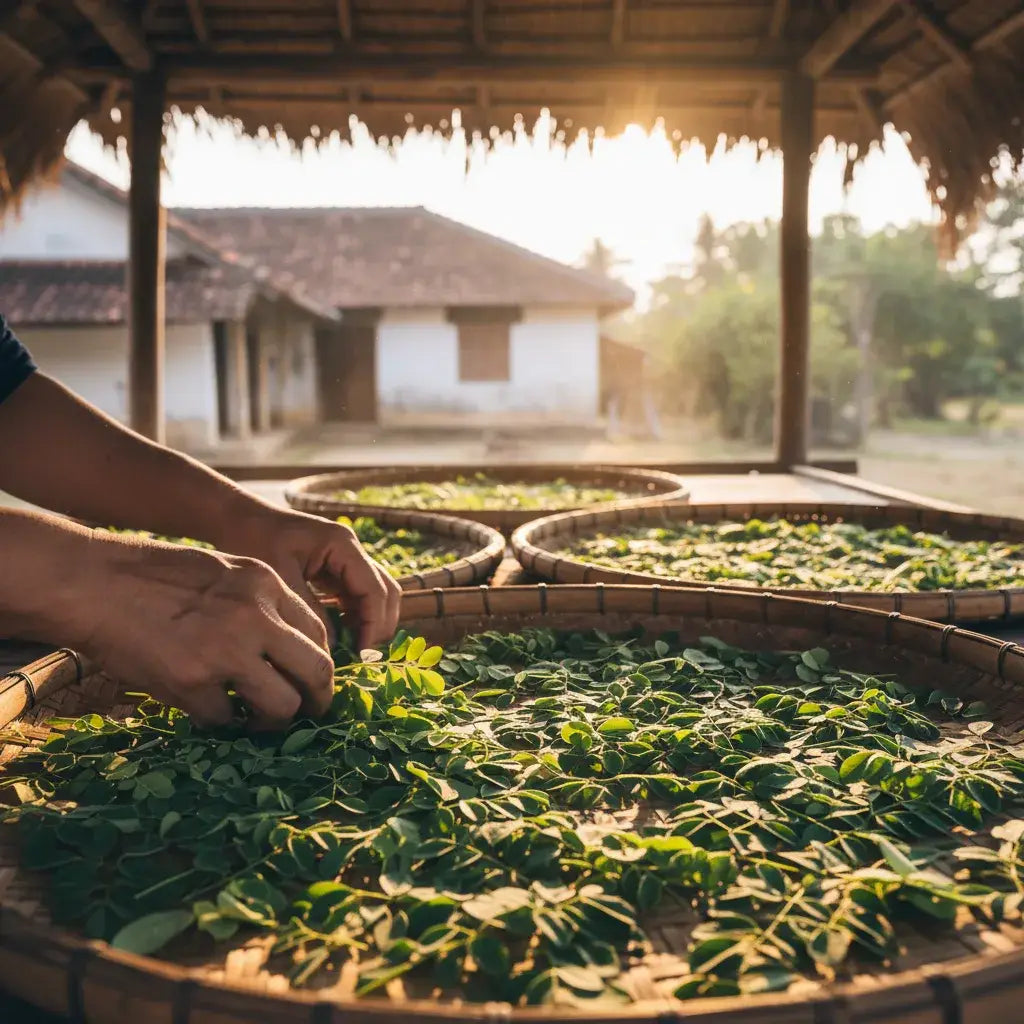
After harvest, fresh moringa leaves are highly perishable. Proper drying preserves their color, aroma, and nutritional profile. Several techniques are common: sun drying is traditional and uses natural warmth and airflow but can lead to color fading if not carefully controlled. In contrast, shade drying maintains a deeper green hue and gentler flavor, reflecting more careful processing. Those interested in moringa leaf extraction will find that mechanical dehydration, which uses controlled temperature and humidity, is often considered the advanced method for consistent results.
Grinding and sifting after drying produce finer powders that dissolve more easily and feature a smoother texture. Liquid extraction involves soaking dried moringa in solvents like water, alcohol, or glycerin to isolate certain compounds; this is the basis for organic liquid extracts that offer concentrated nutritional support.

When assessing dried moringa, indicators like vibrant green color and a fresh, grassy aroma point to gentle processing and effective preservation. Uniformity and powder fineness, as seen in many organic moringa extracts, reflect care from harvest to production. Packaging also matters, as airtight, opaque, or nitrogen-flushed containers help extend shelf life by protecting against humidity and light.
If you value vibrant color and nutrition retention, look for products with freeze-dried or gently shade-dried moringa indicated on their labels. This attention to drying is a marker of high-quality supplements.
Decoding Moringa Supplement Labels
Labels can reveal much about sourcing and processing. 'Single-origin' means the leaves are grown and processed in one region, likely delivering greater consistency. Organic moringa extracts meet strict agricultural practices without synthetic pesticides or fertilizers, which may improve taste and offer greater peace of mind.
Labels that mention 'freeze-dried,' 'raw,' or 'whole leaf' can also be helpful—they indicate premium processing techniques and ingredient selection, as seen in Herbal Goodness products. 'Standardized extract' means you’re getting a reliably measured dose of active compounds, and shelf life details ensure your supplement remains fresh. Always review these points when choosing the best moringa supplements for your needs.
Questions to Ask Suppliers or Brands About Moringa Quality
When shopping for moringa, ask the brand about sourcing region, cultivar, and processing methods used. Find out if the content is predominantly leaf or includes stems—products with more leaf content are often considered superior, both in taste and texture. Organic certification and third-party testing add assurances of safety and quality.
High-quality moringa supplements such as Moringa Leaf Extract - Organic 1oz 15X Liquid Extract - Immunity & Wellbeing are packaged for freshness in airtight and opaque containers—details that can appear right on the label or in product descriptions.
Reading Moringa Labels with Confidence
By understanding the journey of moringa from region to bottle, you are better equipped to interpret product claims and choose with assurance. Brands like Herbal Goodness highlight their regions of origin, unique processing and drying methods, and organic farming practices. When these terms appear on a label, you can confidently assess how they may influence the supplement you bring home.
If your preferences lean toward teas, you might consider botanicals like Bamboo Leaf Tea – 24/1.5g Tea Bags - Nature's Collagen & Biotin for herbal blends that follow similar quality practices.
Tips for Choosing Your Ideal Moringa Product
- Seek products that display a vibrant green color in loose leaf and powders.
- Prefer clear ingredient sourcing and information about region and drying process.
- Choose milder-tasting products for teas and more robust flavors for smoothies or capsules.
- Store moringa, whether capsules or liquid extracts, in a cool, dark place.
- Contact your chosen brand with specific questions about their supply chain or processing.
Conclusion: Becoming an Informed Moringa Enthusiast
The journey of moringa leaf from field to finished product is an intricate one. Regional differences, harvest timing, and careful processing contribute to flavor, color, and shelf stability. As you explore options like Moringa Leaf Extract - Organic 1oz 15X Liquid Extract - Immunity & Wellbeing, or even other superfoods such as Graviola Soursop Leaf Extract – 10X 60/600mg Capsules - Cell Renew & Immunity, your knowledge prepares you to select supplements that meet your standards.
FAQs:
- How does the region where moringa is grown affect its quality?
The region, or terroir, influences the soil minerals, climate, rainfall, and even the sunlight the moringa plant receives. These factors can alter the color, texture, and flavor profile of the leaves, as well as support varied micronutrient content.
- What is the ideal time to harvest moringa leaves?
Younger leaves are usually preferred for a milder taste and lighter color, while mature leaves may be chosen for their deeper hue and richer flavor. Seasonal timing, such as during the rainy or dry season, can also affect leaf texture and nutrient concentration.
- What are common moringa leaf processing methods?
The main processing methods include sun drying, shade drying, and mechanical dehydration, each affecting the leaf’s color, flavor, and nutrient stability. After drying, leaves may be ground into powder or extracted into liquid forms.
- How can I tell if a moringa supplement is high quality?
Look for vibrant green color, a fresh aroma, clear product labels with sourcing and processing details, and packaging that protects contents from heat and moisture. Certifications like organic or third-party testing add further quality assurance.
- What label terms should I look for when buying moringa products?
Terms like ‘single-origin,’ ‘organic,’ ‘freeze-dried,’ ‘whole leaf,’ and ‘standardized extract’ indicate attention to quality and transparency regarding sourcing and processing techniques.
- Why does moringa leaf color sometimes differ between products?
Color can vary due to differences in climate, soil, harvest timing, and drying techniques. Brighter green usually suggests gentle drying and fresher leaves, while dullness may indicate extended sun exposure or older leaves.
Author Name:
Herbal Goodness Editorial Team
Author Bio:
The Herbal Goodness Editorial Team specializes in holistic health and superfoods, blending science and nature to educate and empower our community.
References:
Journal of Food Science: Moringa Leaf Nutritional Value and Processing