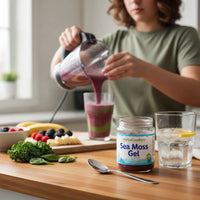





How Climate and Oceans Shape Sea Moss Gel: A Clear Guide for Curious Buyers

Sea moss gel has gained widespread popularity for its nutrient content and versatility, making waves among wellness seekers. Yet, what many curious buyers rarely see is the intricate relationship between sea moss—a marine algae—and the shifting dynamics of our planet’s climate and oceans. Understanding how environmental changes shape the sea moss you purchase is key to making informed, sustainable choices. This guide explores how climate, ocean conditions, and local harvesting practices directly impact sea moss gel, giving you the insight needed to identify quality, ethically-sourced products.
Climate and Sea Moss: The Basic Connection
At its core, sea moss—often known as Irish moss—is a type of seaweed that thrives along rocky Atlantic coastlines and in tropical waters. Like all sea vegetables, its health and abundance depend on the environment in which it grows.
Climate shifts are already changing which types of sea moss thrive and where they can be harvested. Sustainable harvesters are adapting their practices to minimize environmental impact and preserve the benefits found in authentic Raw Sea Moss 8oz Bag | St. Lucia Wildcrafted – Nature's Multivitamin. Choosing responsibly sourced sea moss supports both personal wellness and the ecosystems these marine plants call home.
Ocean Temperature Patterns
Sea moss requires specific temperature ranges for optimal growth. Regions experiencing ocean warming may see faster growth in some species, while others could struggle, resulting in changes to the seaweed’s natural habitats. Warmer waters can:
- Shift the geographic range of certain species
- Shorten or lengthen the sea moss growing season
- Influence nutrient content and gel texture
Sea Moss Gel 16oz | Wildcrafted Nutrient-Rich Superfood – In-Store Pickup often reflects these environmental variances. Some batches may have slight differences in texture or color, which naturally appear due to the influence of ocean temperature on growth rates and nutrient uptake. This is one reason why seasonal and regional information on product labels is so valuable.
Effects of Storms and Extreme Weather
Powerful storms, hurricanes, and increased rainfall—often linked to climate change—have direct consequences on coastal marine ecosystems. These weather events can:
- Dislodge wild sea moss from rocky surfaces
- Stir up sediments that block sunlight needed for photosynthesis
- Cause unpredictable harvest yields and impact quality For harvesters, this means adapting to rapidly changing coastal conditions year-round to consistently deliver the best possible seaweed products.
Ocean Health: Pollution and Coastal Development
The sea that nurtures sea moss is increasingly challenged by human activities, shaping everything from seaweed species distribution to the price and availability of sea moss gel.
Pollution’s Influence
Runoff from agriculture, untreated wastewater, and plastic pollution degrade water quality and affect sea moss beds. When the surrounding waters contain excess nutrients (like nitrogen or phosphorus), these can:
- Lead to algae blooms that compete with sea moss for sunlight and space
- Change the nutrient makeup of harvested seaweed
- Pose risks to food safety, influencing buyer choice and product transparency
It’s increasingly important to select sea moss gel from brands that emphasize rigorous testing and transparent sourcing—hallmarks of products like Raw Sea Moss 8oz Bag | St. Lucia Wildcrafted – Nature's Multivitamin. Such detail not only ensures quality, but also supports oceanside communities upholding environmentally sound harvesting.
Coastal Development Pressures
Expanding tourism, fishing ports, and new infrastructure often disturb natural sea moss habitats. Bulkheads, marinas, and dredging disrupt the shallow coastal environments where sea moss takes root. The result? Harvesters may find wild beds reduced in size or harder to access, altering local livelihoods and supply to the market.
By opting for products with certifications or transparent supply chains—like Sea Moss Gel 16oz | Wildcrafted Nutrient-Rich Superfood—buyers can indirectly support those who invest in the future health and biodiversity of marine environments.
Which Seaweed Species Thrive—and Why It Matters for Buyers
Not all sea moss is the same. The species that reach your shelf are a direct product of regional ocean conditions and harvesting know-how.
Tropical vs. Temperate Sea Moss
- Chondrus crispus (traditional Irish moss) grows best in cold Atlantic waters—think Ireland, Canada, parts of the Northern U.S.
- Eucheuma and Gracilaria species thrive in the Caribbean and warmer regions.
Changing sea temperatures and ocean chemistry can favor one species over the other from year to year. This affects:
- Flavor and texture of the resulting gel
- Nutritional profile consumers experience
- Authenticity and labeling transparency in products
When browsing, look for species identification and region on the label. For example, the Raw Sea Moss 8oz Bag | St. Lucia Wildcrafted – Nature's Multivitamin provides clear information about its origin and wildcrafted status.
Wild-Harvested vs. Farmed Sea Moss
Increasingly, demand is met through ocean or tank-based farming. Farmed sea moss can be managed for quality and sustainability, but also faces vulnerabilities—polluted waters, storms, and pest outbreaks.
When searching for the best sea moss gel, choose transparent options that share whether their product is wild-harvested or farmed. This disclosure is often a sign of a brand’s commitment to quality and the health of the source environment.

Seasonal Yields: When and Why Sea Moss Is Harvested
Sea moss does not grow or get harvested at a uniform rate throughout the year. In fact, local climates drive the natural cycle.
Harvesting Seasons
- In the North Atlantic, the peak harvesting months often span late spring to early autumn when water temperatures rise but before intense summer storms arrive.
- Tropical regions may have multiple harvests per year, correlated with regional rainy and dry seasons.
Seasonality impacts both Raw Sea Moss 8oz Bag and Sea Moss Gel 16oz. This is why some brands offer limited-edition or seasonal batches, and why color, consistency, and even the nutrient spectrum can vary subtly throughout the year.
Yield Fluctuations and Buying Impact
Some years deliver bumper crops; others see lower yields due to storm activity, drought, or shifts in ocean currents.
- Scarcity can drive up prices for authentic, wild-crafted sea moss gel
- Quality may vary with changing water conditions and harvest timing
Savvy consumers pay attention to these fluctuations to find the best prices and quality throughout the year. Supporting transparently sourced sea moss gel helps foster fair market conditions for local harvesters enduring environmental unpredictability.
Coastal Harvesters: Community Know-How and Changing Practices
Behind every pouch of Raw Sea Moss 8oz Bag | St. Lucia Wildcrafted – Nature's Multivitamin and every jar of sea moss gel, you’ll find the knowledge and hard work of coastal harvesters—often families and small-scale cooperatives with generations of expertise.
Adapting to a Changing Coastline
Harvesters routinely monitor:
- Algae health, color, and growth rates
- Safe, legal harvest zones amid expanding private property lines
- Weather patterns to plan responsible harvests and future crops Many are shifting to more sustainable practices: spacing out harvests, leaving plant sections for regrowth, and experimenting with small-scale ocean farming to protect wild beds.
These small adjustments help maintain the sustainability of products like Sea Moss Gel 16oz | Wildcrafted Nutrient-Rich Superfood, ensuring high standards remain even as natural conditions shift.
Harvesting Methods
- Hand-picking: Selected for minimal environmental impact, leaving roots and younger plants intact
- Net collection: Used at scale for farmed varieties, requires careful water monitoring

How These Factors Affect Sea Moss Gel Supply and Pricing
For consumers, climate and ocean health are not just abstract concepts—they shape what’s available on store shelves and how much it costs.
Price Variations
- Weather-related scarcity: Price increases after storms or low-yield seasons
- Supply consistency: Controlled farmed sea moss can moderate price fluctuations, but not shield against broader ocean changes
- Traceability: Ethically sourced, transparently labeled gel may command a higher price, reflecting labor and stewardship
If consistent supply is a priority, research brands that share their harvest schedules and work closely with coastal communities. Products such as Sea Moss Gel 16oz | Wildcrafted Nutrient-Rich Superfood – In-Store Pickup clearly indicate careful sourcing, helping you choose with confidence.
What to Expect in Terms of Availability
- Some brands may offer seasonal or limited-edition sea moss gel sourced from recent harvests
- Demand for transparent sourcing pushes more brands to disclose harvest methods and regions

Practical Tips: Spotting Transparently Sourced Sea Moss Gel
With so much variation, how can buyers choose sea moss gel with confidence? Here are direct tips for navigating product labels, supplier claims, and seasonal cycles.
1. Ask for Harvest Location and Season
Transparent brands will note whether their sea moss is wild-harvested or farmed, and from which coastline or island. Ask when the harvest took place—recently harvested gel may differ in color or consistency.
2. Examine Color and Texture
Natural sea moss gel varies in hue from golden to greenish to purple, depending on species and harvest time. Very uniform or artificially bright colors may indicate industrial processing or the use of dyes.
3. Evaluate Packaging and Freshness
Look for gel packaged in recyclable glass or BPA-free containers and with use-by dates that reflect a reasonable shelf life. Products made from Raw Sea Moss 8oz Bag often highlight freshness and authenticity right on the packaging.
4. Review Sourcing and Sustainability Info
Ethical producers often share:
- Community relationships with harvesters
- Certifications or third-party audits
- Commitments to ocean health and regenerative practices
5. Buy Seasonally Where Possible
Some suppliers announce their harvest months. Seasonal purchasing supports local harvesters and may connect you to fresher, more authentic gel.
Aligning Your Choices With Ocean Health
By understanding how climate and ocean dynamics determine sea moss quality, availability, and value, buyers can play an active role in supporting sustainable, ethical marine harvesting. Each jar or pouch purchased not only nourishes you but can also incentivize producers to nurture the health of our planet’s oceans—a symbiotic relationship that benefits all.
Frequently Asked Questions
Question 1: How does climate change affect the quality of sea moss gel?
Answer: Climate change impacts the growth and nutrient content of marine algae, which directly affects the quality and consistency of sea moss gel. Warmer temperatures and extreme weather events can lead to variations in gel texture and nutritional value. Opting for transparently sourced products like Sea Moss Gel 16oz – Wildcrafted Nutrient-Rich Superfood can help ensure you’re getting high-quality, responsibly harvested sea moss.
Question 2: What is the difference between wildcrafted and farmed sea moss?
Answer: Wildcrafted sea moss, such as Raw Sea Moss 8oz Bag | St. Lucia Wildcrafted – Nature's Multivitamin, is hand-harvested from its natural ocean environment, often resulting in a richer nutrient profile and supporting traditional harvesting communities. Farmed sea moss is grown in controlled environments, offering supply consistency but may still face risks from pollution or ocean change.
Question 3: How can I verify if my sea moss gel is sustainably sourced?
Answer: Review product pages for details on harvest location, method, and sustainability certifications. Products like Sea Moss Gel 16oz | Wildcrafted Nutrient-Rich Superfood – In-Store Pickup clearly communicate sourcing and sustainability efforts. Check for information about community partnerships and third-party audits for added assurance.
Question 4: Why does sea moss gel sometimes vary in color or texture?
Answer: Natural variations occur due to species, harvest location, and season. For example, products made from Raw Sea Moss 8oz Bag | St. Lucia Wildcrafted may show subtle changes in hue or consistency between batches, reflecting authentic harvesting cycles and regional marine conditions.
Question 5: Can buying sea moss gel support local communities?
Answer: Absolutely. Choosing transparently sourced, wildcrafted products helps support coastal harvesters and small-scale cooperatives, sustaining local economies and traditional practices. Look for brands that prioritize community well-being through their supply chain.
Question 6: Are there benefits to buying sea moss gel seasonally?
Answer: Yes. Seasonal sea moss gel is often fresher and reflects recent harvests, capturing the nutrient profile and gel texture at their peak. Brands that announce harvest months or offer seasonal batches, such as Sea Moss Gel 16oz, encourage conscious, quality-driven purchasing.
Question 7: What else can I do to support ocean health when shopping for supplements?
Answer: Choose products with clear sustainability commitments. Exploring responsibly sourced supplements, like Raw Sea Moss 8oz Bag or Sea Moss Gel 16oz, helps promote ocean-friendly practices throughout the wellness industry.
When selecting sea moss gel, let your curiosity and mindful choices guide you. Look for seasonally available products and evidence of transparent, ethical sourcing to support both ocean health and local harvesters.
About the Author
Herbal Goodness Editorial Team
The Herbal Goodness Editorial Team specializes in holistic health and superfoods, blending science and nature to educate and empower our community.
Related Articles
Sea Moss Gel and Pets: Practical Safety Tips for Pet Owners Using Seaweed
Why Make Your Own Sea Moss Gel? Benefits of Homemade Sea Moss Gel Explained
Bulk Organic Soursop Sourcing: How to Reduce Supply Chain Risks
Choosing the Best Online Herbal Store: A Local McKinney Shopper’s Guide