





How Black Seed Oil Is Made: Extraction Methods, Packaging, and Quality Clues

Black seed oil, prized for its rich flavor and heritage, has become a staple in wellness routines around the world. But what goes into making this revered oil? If you've ever wondered how black seed oil is produced—from the first step of extraction to bottling—or how to spot the highest quality on a shelf crowded with choices, you're in the right place. This guide reveals each step with plain-language insight, shedding light on the tools and cues that help identify a truly premium product. By knowing what to look for in the extraction method, packaging, and sensory markers, you’ll feel far more confident when choosing black seed oil for your home or routine.
Understanding Black Seed: The Basics Before Extraction
Nigella sativa, commonly known as black seed, black cumin, or kalonji, is a flowering plant native to South and Southwest Asia. Its small, jet-black seeds have been valued for centuries for their strong aromatic profile and culinary uses.
The journey from seed to oil involves crucial steps that impact the final product’s taste, aroma, and overall integrity. Extraction techniques directly influence purity, nutrient retention, and overall sensory properties of black seed oil. If you're seeking a supplement that preserves nutrients and natural properties, options like Black Seed Oil 8oz - Cold-Pressed Liquid - Immunity & Wellness can be a fitting choice.
Main Extraction Methods for Black Seed Oil
Cold-Press Extraction: The Gold Standard
Cold-pressing is a mechanical process that gently squeezes oil from the seeds without the use of high heat or chemicals.
- How it Works: Black seeds are slowly crushed under pressure inside a mechanical press. The temperature is closely monitored to avoid excess heat, usually kept below 120°F (49°C).
- End Result: The oil produced is known for its robust aroma and darker color, signaling minimal processing and higher nutrient retention.
- Consumer Cue: Labels featuring phrases like “cold-pressed” generally indicate this traditional, respected method.
When looking for pure, effective products that support immune health, it's worth considering supplements like Soursop Leaf Graviola Extract - - Organic 15X Liquid Extract - Cell Renew & Immunity, which also use careful extraction to protect valuable plant compounds. Other cold-pressed oils, including black seed, maintain their signature flavor and maximum benefits through such gentle extraction.
Solvent Extraction: Higher Yields, More Processing
This method uses food-safe solvents—usually hexane—to help extract oil from black seeds on a larger commercial scale.
- How it Works: After crushing, seeds are washed with a solvent, and the mixture is then gently heated so the solvent evaporates, leaving behind the oil.
- End Result: Solvent extraction can yield more oil from the seeds, but often strips out some of the aroma and color, resulting in a lighter and more neutral oil.
- Consumer Cue: Solvent-extracted oils may be labeled as “refined” and tend to have a milder scent and lighter golden hue.
Many wellness-conscious individuals prefer cold-pressed oils because they avoid both high heat and chemical solvents, preserving more of the natural composition. For fully plant-based routines, you may also explore antioxidant-rich extracts like Papaya Leaf Extract - - Organic 16oz 15X Liquid Extract.
Expeller Pressed Extraction: A Middle Ground
Expeller pressing also uses mechanical pressure but can generate more heat compared to true cold pressing.
- How it Works: The seeds are pressed with an expeller machine. The process may result in higher temperatures due to friction, affecting aroma and character.
- End Result: The oil retains many of its natural properties but may lose some of its distinctive flavor or deep color compared to cold-pressed varieties.
- Consumer Cue: Look for “expeller-pressed” on the label, which suggests a balance of efficiency and minimal chemical involvement.
The method of pressing can determine not only the taste but also the effectiveness of supplement oils. For a similar approach in wellness products, teas like Soursop Leaf Tea Graviola Leaves - Organic 24/2g Tea Bags - Immunity & Cell Renew can complement your routine by offering another minimally processed plant extract.
Packaging and Shelf Life: Why Bottling Matters
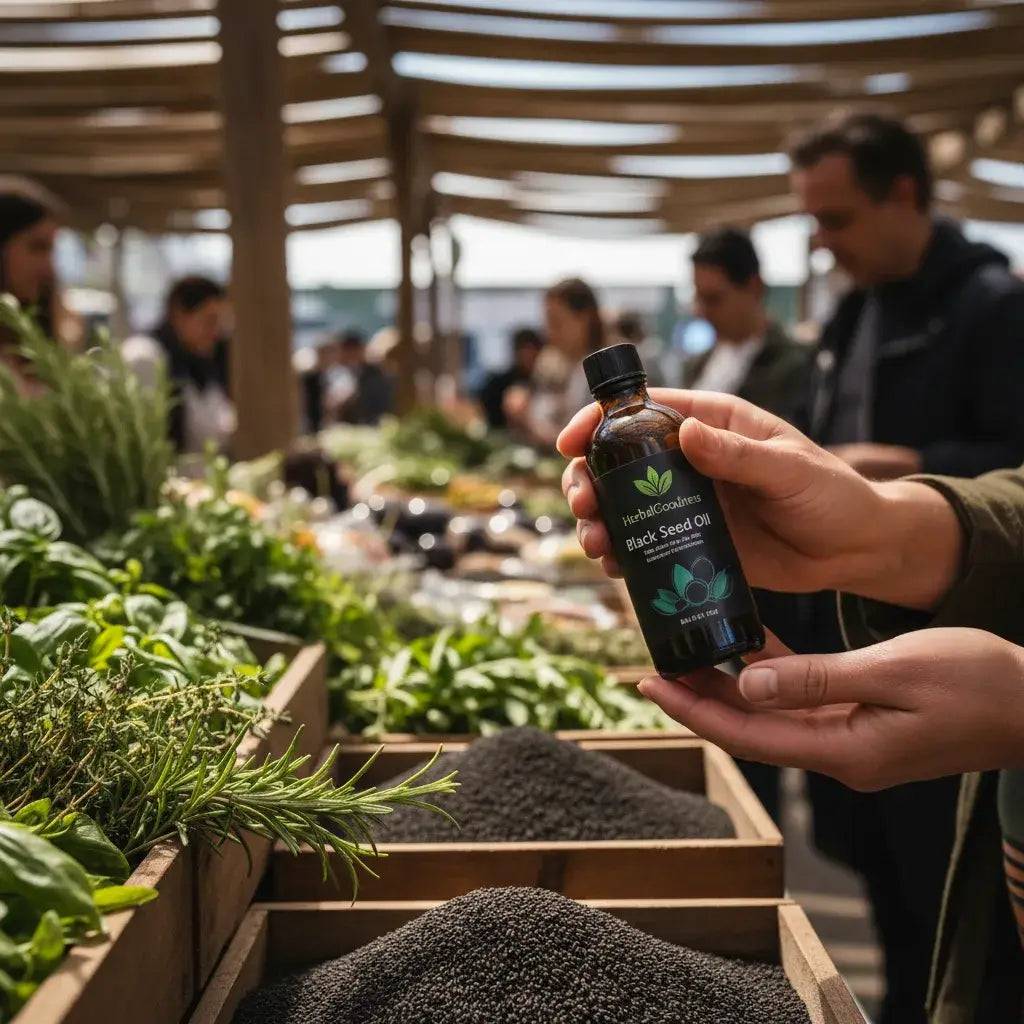
Opaque or amber glass bottles are preferred because they guard the oil from exposure to light, which can accelerate deterioration of aroma and natural properties. Plastic containers may be more prone to leaching and air exchange, so premium black seed oils almost always use glass packaging.
A proper seal or tamper-evident cap maintains freshness by blocking air and contaminants. If the bottle’s seal is missing or broken, freshness might already be compromised.
Unopened, well-sealed black seed oil typically remains fresh for about 1–2 years when stored in a cool, dark place. Once opened, it’s best used within a few months for peak aroma and taste, as exposure to air and heat can gradually degrade quality. The same care is important when storing high-quality extracts and teas; glass packaging is commonly chosen for products like Black Seed Oil 8oz - Cold-Pressed Liquid - Immunity & Wellness.
How to Judge Black Seed Oil Quality: Simple Sensory and Label Cues
Selecting quality black seed oil is easier when you know what to look for. Here are a few clear, jargon-free ways to tell if a product meets high standards:
Color: Deeper Isn’t Always Better, But…
Cold-pressed black seed oil often boasts a rich amber to dark brown color. Lighter shades may signal further refining or filtration, which isn’t necessarily negative but does indicate more processing.
Aroma: Bold and Distinct
The scent of pure black seed oil is unmistakable—aromatic with warm, slightly peppery notes. A mild or neutral scent might mean the oil is excessively refined or has been blended with carrier oils.
Ingredient List: Simplicity is Key
Always scan the ingredient list. The best black seed oils list only one ingredient—Nigella sativa (black cumin seed) oil. Additives, carriers, or flavorings are typically unnecessary for pure oil and can dilute its natural characteristics. If you value single-ingredient extracts, check out other options that focus on purity, such as Papaya Leaf Extract - Organic 1oz 15X Liquid - Blood Platelet.
Certifications and Quality Seals
Reputable brands may feature third-party certifications. While not always present, seals such as USDA Organic, Non-GMO Project Verified, or ISO-certified processes can offer additional confidence in sourcing and standards.
Transparency from the Manufacturer
Brands that provide details on their extraction methods, sourcing, and origin demonstrate transparency. Trustworthy companies often include harvest location, bottling date, and even batch numbers for traceability.
Storage Tips to Support Freshness
Proper storage directly impacts how long black seed oil retains its aroma and hue:
- Keep it cool: Store your bottle in a cool, dark cupboard, away from direct sunlight and appliances.
- Seal it tightly: Always close the cap securely to minimize contact with air after use.
- Use glass: Decanting or purchasing in amber glass minimizes exposure to light.
By selecting products renowned for freshness, such as Papaya Leaf Extract - - Organic 16oz 15X Liquid Extract, you reinforce the value of proper packaging and care in your daily wellness routine.
Navigating Labels: What Honest Marketing Looks Like
Not every claim on a black seed oil label is a guarantee of quality. Here’s how to interpret key terms without falling for marketing jargon:
- “Cold-pressed” or “first-press” means mechanical extraction with little or no heat, often preserving more native qualities.
- “Unrefined” points to minimal further processing after pressing.
- “Pure” should indicate no blend with other oils, but always check the ingredient list as well.
- “Organic” displays that the black seeds were grown without conventional pesticides or synthetic inputs, as approved by a certifying body.
If in doubt, transparent brands often offer batch-specific information and clarity on sourcing and process on their websites or packaging. Choosing Black Seed Oil 8oz - Cold-Pressed Liquid - Immunity & Wellness is one way to enjoy honest labeling and detailed product information.

Common Questions When Choosing Black Seed Oil
Understanding how black seed oil is produced and what sets high-quality products apart will empower you to select with confidence. By paying close attention to extraction techniques, packaging, color, aroma, and honest labeling, you’ll maximize both value and enjoyment from every bottle.

Black seed oil’s journey from harvested seeds to your pantry is as fascinating as it is important. Whether newcomers or long-time enthusiasts, consumers benefit from a few simple checks—look for the terms above, compare bottle types, scan for additives, and trust your sense of smell and sight. With this knowledge, you’re well-equipped to recognize and value authentic Black Seed Oil 8oz - Cold-Pressed Liquid - Immunity & Wellness.
Explore the world of authentic black seed oil and make empowered choices for your household or wellness routine. By understanding the essentials of extraction, packaging, and quality cues, you can confidently select products that match your standards. Shop with knowledge and let the finest black seed oil become an enriching addition to your daily life.
FAQs:
- Which extraction method is considered best for black seed oil?
Cold-press extraction is highly regarded for black seed oil, as it preserves natural aroma, color, and the nuanced flavors of the seeds without introducing higher temperatures or chemical solvents.
- How can I recognize pure black seed oil by appearance?
Pure black seed oil typically appears amber to dark brown and has a distinctive, aromatic scent. Clear or very light-colored oils may indicate more processing or blending with other oils.
- Does packaging influence the freshness of black seed oil?
Yes, packaging plays a vital role. Amber glass bottles protect the oil from light and help maintain its freshness, while tight seals prevent unwanted exposure to air.
- Is an organic certification necessary for quality black seed oil?
While not strictly required, organic certifications can provide extra assurance regarding farming practices and ingredient integrity. Always check for clear labeling and reputable certifications.
- What is the ideal way to store black seed oil at home?
Keep your black seed oil in a cool, dark place and ensure the bottle is tightly sealed after each use. Glass bottles, especially amber, are best for preserving freshness and aroma.
Author Name:
Herbal Goodness Editorial Team
Author Bio:
The Herbal Goodness Editorial Team specializes in holistic health and superfoods, blending science and nature to educate and empower our community.
References:
Introducing Graviola to Young Taste Buds: Fun, Family-Friendly Flavor Exploration
Graviola in the Classroom and at Home: Creative Activities to Teach Kids About Tropical Plants