




Hibiscus Tea Shopping Glossary: Understanding Labels, Cuts, and Sourcing Terms

Shopping for hibiscus tea can feel overwhelming, whether you’re exploring vibrant local markets, browsing an online boutique, or standing in front of rows of colorful packages at your favorite grocery store. The choices seem endless—loose leaf or tea bags, coarse cut or finely milled petals, organic certification, single-origin, and fair trade labels. While the array of terms may appear daunting at first, decoding these labels empowers you to make selections that align with your tastes, values, and interest in sustainability. This glossary will offer a friendly guide through the world of hibiscus tea shopping, highlighting how each term relates to flavor, freshness, and environmental considerations—without technical jargon or health claims.
Understanding Hibiscus Tea Terminology
Before you browse or compare products, it’s helpful to get familiar with the most common terms you’ll encounter when shopping for hibiscus tea. Knowing what each means makes it easier to determine which type best fits your preferences and values.
Loose Leaf vs. Tea Bags
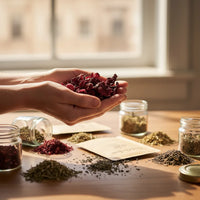
Loose leaf hibiscus refers to whole or partially cut dried hibiscus petals, typically sold in bulk. Loose leaf options are often favored by those who appreciate more robust flavors and the ritual of preparing tea from scratch. The larger, more intact petals generally offer a bold, tart taste and a beautiful deep ruby color when brewed.
- Flavor: Tends to be brighter and more nuanced, since larger pieces retain more of the plant’s natural oils and aromatics.
- Customizable: You control the steeping time and amount for each cup.
- Eco-consideration: Loose leaf products often involve less packaging.
For those seeking variety and a conscious approach, our organic herbal teas provide a range of herbal options, including various cut sizes, making them a strong contender for loose leaf enthusiasts.
Hibiscus tea bags contain smaller cut pieces or powdered petals sealed in individual sachets for convenience. This format is perfect for those looking for quick preparation and consistent flavor.
- Flavor: Generally lighter and sometimes less complex, as the smaller cuts can lose aromatics more quickly.
- Convenience: Pre-portioned and simple to steep—great for busy routines.
- Packaging: More individual wrappers may mean more waste, but some brands now use biodegradable materials.
If you appreciate easy brewing paired with certified sourcing, Hibiscus Tea - Organic 24/2g Tea bags - Heart Health represent a trusted and sustainable tea bag selection for daily sipping.
Cut Sizes and Their Impact
Read the packages closely and you’ll likely spot references to the cut size of the hibiscus. These range from whole petals to finely cut or powdered forms, each influencing your tea experience.
- Whole Petals: Large, intact petals are cherished for their visual appeal and complex, layered flavor profile. They produce a deeply colored infusion and are often chosen for ceremonial or artisanal tea experiences.
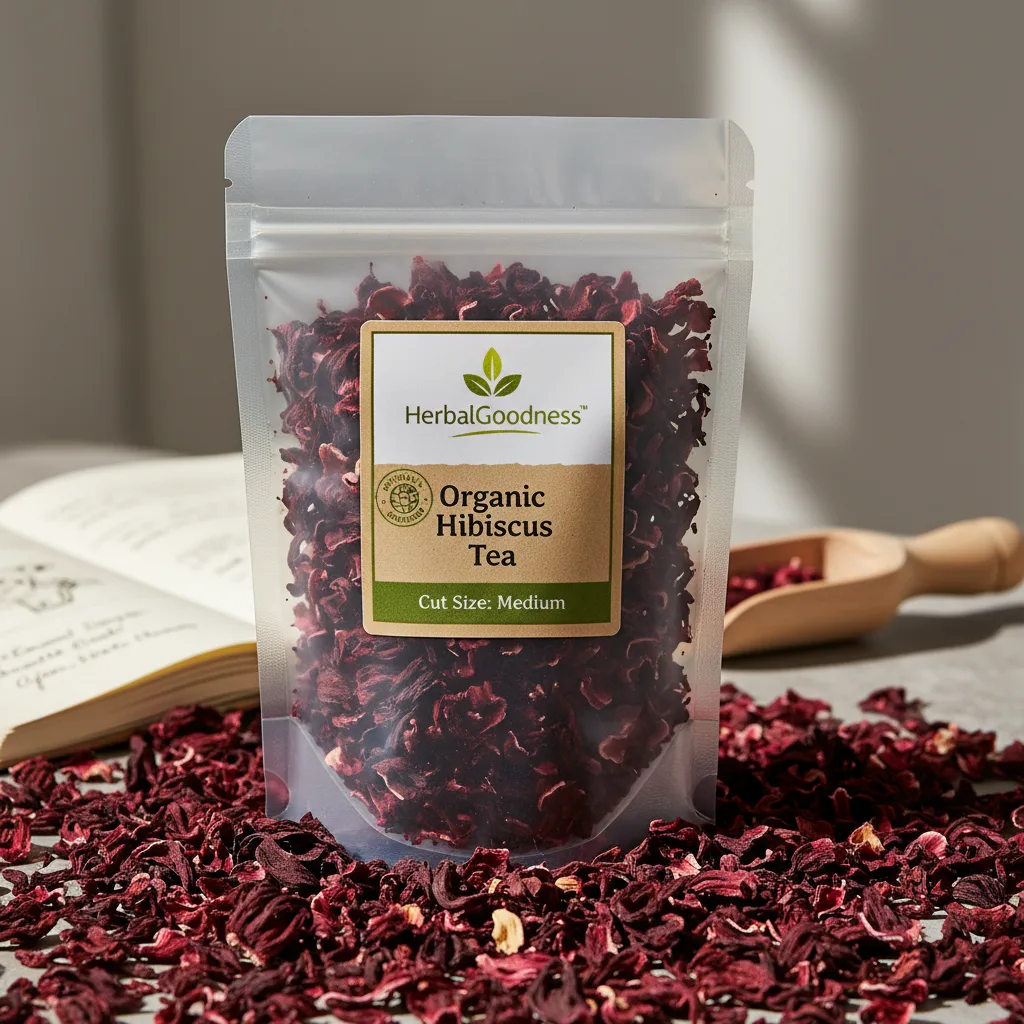
- Coarse Cut: Larger pieces that are chopped rather than shredded. Coarse cut provides robust flavor similar to whole petals but may allow for quicker steeping.
- Fine Cut or Powdered: Often found in tea bags or blends. Quick to infuse, but the flavor can be sharper, and freshness diminishes faster due to increased surface area exposed to air.
Tip: If freshness and depth of flavor matter most in your selection, look for whole or coarse cut hibiscus. If you prioritize ease and speed, fine cut or powdered might be a better match. For those wanting to try several premium blends with different cuts, the Organic Herbal Tea Trio – Mix & Match Any 3 Herbal Teas & Save 20% can be an excellent introductory option to explore flavor breadth.
Botanical Names and Labeling
When reading a label, the botanical name is your best clue about authenticity and source. The most commonly used hibiscus for tea is Hibiscus sabdariffa, occasionally listed as “roselle.”
- Hibiscus sabdariffa: The calyces (outer flower sepals) are what’s harvested and dried for tea. Packaging may list this scientific name, indicating what part of the plant you’re getting.
- Other Species: While some regions use local hibiscus varieties, Hibiscus sabdariffa is globally recognized for tartness and vivid color. If a package lists another name, it may offer a different taste or brewing result.
Why it Matters: Having the botanical name ensures you are getting the traditionally valued species for that classic hibiscus flavor and color.
Sourcing Terms: Single-Origin, Regional, and Blends
Single-origin labeling signals that all the hibiscus in your tea comes from one particular region or farm. Single-origin products allow you to experience unique characteristics from specific terroir—the environmental factors like soil and climate—that influence flavor. If you wish to sample single origin teas or blends and compare regional characters, the Herbal Tea Trio - Guava, Hibiscus & Avocado Bundle – Refreshing Tea Collection is a curated bundle featuring well-documented origins.
Regional hibiscus is sourced from areas such as Nigeria or Egypt, and blends may mix botanicals for a distinctive cup. Transparency around the origins is helpful for those supporting local economies or ethical supply chains.
- If you value traceability and supporting specific farming communities, single-origin labels might be meaningful.
- For an accessible entry point and predictable taste, blends provide consistency.
Organic and Fair Trade Certifications
Organic labels reflect farming methods that avoid synthetic pesticides and fertilizers. Certified organic hibiscus often appeals to those mindful of environmental sustainability and resource stewardship. Look for official logos like USDA Organic and read sourcing or certification details. Farms respecting organic standards are also more likely to focus on crop quality.
Fair trade certification signifies ethical treatment of workers, fair wages, and reinvestment in farming communities. Choosing teas with fair trade and organic certifications shows commitment to sustainability and social impact.
Packaging Insights: Bulk, Retail, and Specialty Shops
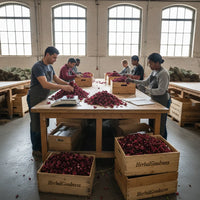
When shopping for hibiscus tea, you’ll notice packaging varies by outlet. Markets or specialty stores may present hibiscus by the scoop, sold by weight, often with minimal packaging—a plus for eco-minded buyers. If bulk is your preference, our Bulk Herbs collection allows purchase in small, fresh-focused quantities.
Retail outlets focus on sealed, pre-portioned bags or boxes for longevity and convenience. Tea boutiques feature premium, sometimes rare lots with extra sourcing transparency and quality cues.
Freshness and Storage Tips
Decoding labels also means knowing how to keep your hibiscus tea at peak flavor once it’s home:
- Store your tea in an airtight container, away from sunlight and moisture.
- Whole or coarse-cut petals last longer than finely milled or powdered products.
- Purchase in small batches if you buy from bulk bins, especially in humid climates.
Sealed packaging from trusted suppliers like those for Hibiscus Tea - Organic 24/2g Tea bags - Heart Health can help ensure maximum shelf life and flavor consistency. Additionally, buying blends from an assortment like the Organic Herbal Tea Trio – Mix & Match Any 3 Herbal Teas & Save 20% lets you match order size to your storage habits.

Comparing Local and Online Shopping Experiences
Local markets allow for direct interaction with staff and the opportunity to inspect color, aroma, and cut size. Online retailers—such as those offering our Bulk Herbs collection—expand your access to certified, single-origin, and blend selections, with clear product descriptions and third-party certification details. Specialty shops may curate rare or limited-batch offerings, granting deeper insight into the supply chain for those passionate about their cup.

Practical Tips for Decoding Hibiscus Tea Labels
- Always check for the botanical name to know which plant species you’re purchasing.
- Investigate cut size for clues about brewing time and flavor intensity.
- Review sourcing and origin claims—single-origin or regional labeling can offer unique flavor opportunities.
- Scan for organic and fair trade certifications to align your purchase with environmental and social standards.
- Assess packaging for freshness cues, such as harvest dates or airtight seals.
- Don’t hesitate to ask retailers about storage practices, turnover, and sourcing transparency.
Environmental and Social Considerations
Choosing hibiscus tea isn’t just about what’s in your cup. Many shoppers consider the broader impact of tea production and commerce—organic and fair trade labels point to eco-friendly farming and supply chains that value workers and communities. Single-origin and regional sourcing strengthens traceability and supports local growers, while bulk purchases and loose leaf styles often generate less waste and use fewer resources for packaging.
Selecting options like our organic herbal teas or blends from Herbal Tea Trio - Guava, Hibiscus & Avocado Bundle – Refreshing Tea Collection supports transparency and waste reduction in your tea journey.
Taking the time to learn these terms helps ensure that your next hibiscus tea purchase is not only satisfying for your palate but also aligned with your values and appreciation for quality.
Ready to explore? Use this guide as your companion on your next hibiscus tea shopping journey, and let your newfound knowledge unlock new flavors and experiences.
FAQs:
- What’s the difference between loose leaf hibiscus and hibiscus in tea bags?
Loose leaf hibiscus contains whole or large-cut petals, offering deeper flavor and more control over preparation, while tea bags use smaller, finely cut petals that are convenient but may have a milder taste.
- How does cut size affect hibiscus tea flavor and freshness?
Larger cuts, like whole petals or coarse cut, usually retain more natural oils and aromatics, leading to a fuller taste and longer-lasting freshness compared to fine or powdered cuts.
- What does 'single-origin' mean on hibiscus tea packaging?
‘Single-origin’ means all hibiscus in the product comes from one region or farm, offering flavor unique to that location and greater traceability.
- Why do some hibiscus teas list the botanical name Hibiscus sabdariffa?
Listing Hibiscus sabdariffa ensures you’re buying the species most commonly used for tart, ruby-red hibiscus tea, valued for its traditional flavor and color.
- How can I identify authentic organic or fair trade hibiscus tea?
Look for official certification logos, like USDA Organic or Fair Trade Certified, and check for sourcing transparency and clear documentation on the label or brand website.
- Does the packaging affect hibiscus tea’s freshness?
Yes. Airtight, opaque packaging helps preserve freshness by protecting the tea from moisture and sunlight, especially for loose leaf and bulk purchases.
- Are there environmental advantages to buying bulk or loose hibiscus tea?
Bulk and loose leaf formats often use less packaging, which may reduce overall waste and support more sustainable shopping practices.
Author Name:
Herbal Goodness Editorial Team
Author Bio:
The Herbal Goodness Editorial Team specializes in holistic health and superfoods, blending science and nature to educate and empower our community.
References:
Introducing Graviola to Young Taste Buds: Fun, Family-Friendly Flavor Exploration
Graviola in the Classroom and at Home: Creative Activities to Teach Kids About Tropical Plants
Why Social Impact Matters in Plant-Based Wellness