




Hibiscus Tea Hydration: Caffeine-Free Tips for Flavorful Refreshment

Introducing Hibiscus Tea Hydration: Caffeine-Free, Vibrant, and Simple
Aiming to add more color and excitement to your daily hydration? Hibiscus tea hydration brings a flavorful, caffeine-free option to your routine with striking ruby hues and a naturally tangy profile. Many people appreciate hibiscus tea’s versatility, whether you prepare it hot for a soothing moment or iced for an energizing refreshment. This article explores why hibiscus tea is a favorite among herbal beverage enthusiasts and shares non-medical, approachable tips for brewing, blending, and incorporating this herbal infusion as part of your everyday hydration habits.
Why Choose Hibiscus Tea for Hydration?
Hibiscus tea, made from the dried petals of the hibiscus flower (Hibiscus sabdariffa), offers a unique combination of characteristics that make it stand out among caffeine-free beverage choices:
1. Beautiful Color and Aroma
- The deep red or magenta color of hibiscus tea brings instant visual appeal. Whether served in a glass pitcher or steeped in your favorite mug, it invites curiosity and enjoyment.
- The scent is subtly floral and tart, which can lift the senses without overwhelming.
2. Caffeine-Free Sip
- Unlike traditional teas from the Camellia sinensis plant, hibiscus tea is naturally caffeine-free, making it suitable for any time of day.
- This trait makes it appealing for those intentionally avoiding caffeine or seeking a relaxing beverage for winding down.
3. Natural Tartness
- Hibiscus is celebrated for its bright, tangy flavor—something between cranberry and pomegranate.
- The vibrant taste profile encourages mindful sipping and pairs well with a variety of fruits and herbs.
Simple Methods to Brew Hibiscus Tea Hot or Iced
Embracing hibiscus tea hydration starts with easy and accessible preparation methods. Here’s how you can get started:
Brewing Hot Hibiscus Tea
To brew a comforting and aromatic cup:
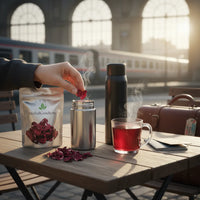
- Add 1-2 teaspoons of dried hibiscus petals (or a hibiscus tea bag) to 8 ounces of boiling water.
- Steep for 5-10 minutes, depending on your preferred strength and tartness.
- Strain (if using loose petals) and enjoy as-is, or add a squeeze of citrus or a touch of honey for extra brightness.
Tips for Hot Brewing:
- Try blending with a cinnamon stick or a slice of fresh ginger during steeping for added warmth and subtle spice.
- Serve with a slice of orange or lemon for visual and flavor appeal.
How to Make Iced Hibiscus Tea
For a cooling, caffeine-free refreshment:
- Place 2-3 teaspoons of dried hibiscus petals in a heat-safe pitcher.
- Pour in 2 cups of boiling water, steep for 10-15 minutes.
- Strain, then add 2 cups of cold water and let mixture chill in the refrigerator.
- Serve over ice, optionally garnished with strawberries or mint leaves for a burst of freshness.
Tips for Iced Hibiscus Tea:
- For gentle sweetness without heavy sugar, try stirring in a splash of apple juice, a drizzle of agave, or infuse with dried berries.
- Freeze brewed tea into ice cubes for a punch of color and flavor that won’t dilute your drink as they melt.
Blending Hibiscus with Other Herbs and Fruits
One of the joys of hibiscus tea hydration is the freedom to personalize your beverage. Hibiscus’s tartness harmonizes with a range of herbs and fruits, creating an array of flavor combinations:
1. Popular Blending Ideas:
- Mint: Add a few fresh mint leaves for an invigorating twist.
- Lemongrass: Infuse dried or fresh lemongrass stalks for a citrusy note.
- Citrus Slices: Orange, lime, or lemon slices brighten the flavor and add fragrant oils.
- Ginger: Thin slices of fresh ginger root contribute gentle warmth.
- Berries: Raspberries or strawberries give subtle sweetness and an extra pop of color.
2. DIY Infusions for Every Mood
- Experiment with proportions to tailor sweetness, acidity, and aroma.
- Try cold infusing overnight in the refrigerator—mix hibiscus petals, fresh herbs, and thin fruit slices in chilled water for a subtle, all-day sipping option.

Beyond hibiscus, you might also explore herbal blends featuring ingredients such as rooibos tea or mint for a refreshing twist and extra variety in your wellness routine. For those curious about trying combinations, the Organic Herbal Tea Trio enables you to sample a variety of herbal teas, including hibiscus and complementary botanicals.
Using Hibiscus Tea as a Lower-Sugar Swap in Daily Routines
Incorporating hibiscus tea into your daily hydration routine can offer a flavorful, vibrant alternative to common sugar-heavy or artificially sweetened beverages. Here are practical ways you can make the swap:
Replace Sugary Drinks with Hibiscus Tea
- Instead of reaching for soda or premade juice drinks, pour yourself a chilled glass of hibiscus infusion. Its satisfying tartness often requires less added sweetener.
- Adding a few slices of fresh fruit to your tea naturally enhances flavor, often diminishing the need for extra sugar.
Upgrade Afternoon Refreshment
- Brew a larger batch of hibiscus tea in the morning and keep it in the fridge for quick, refreshing pours throughout the day, replacing high-sugar options in your routine.
- Mix with sparkling water for a naturally colored, caffeine-free spritzer.

Morning Wake-Up or Evening Wind-Down
- Start your day with a mug of mildly sweetened hibiscus tea in place of traditional caffeinated teas. Alternately, try caffeine-free options like Avocado Leaf Tea - Organic 24/2g Tea bags - Immunity & Heart Health for variety.
- For a calming evening option, steep hibiscus petals alone or with chamomile for an aromatic, unwinding beverage.
Everyday Tips for Making Hibiscus Tea a Hydration Habit
Transforming hibiscus tea into a regular hydration ritual is easy with some thoughtful habits:
1. Batch Brew and Store
- Make larger batches for the week. Store chilled hibiscus tea in glass pitchers for grab-and-go convenience.
2. Meal Pairings
- Enjoy alongside meals. The palate-cleansing properties of hibiscus pair well with salads, grain bowls, and light lunches.
3. Infused Water Alternative
- For extra hydration, add a handful of hibiscus petals to your water bottle and refill throughout the day as an alternative to flavored waters. Another option is keeping our Bulk Herbs collection handy for versatile infusions.
4. Fun Glassware
- Serving hibiscus tea in clear glasses can elevate the experience, allowing you to admire its vibrant color. This is a perfect way to highlight a robust tea like Hibiscus Tea - Organic 24/2g Tea bags - Heart Health.
Navigating Flavors and Customizing Sweetness
Finding the right balance of flavors makes hibiscus tea hydration even more enjoyable and sustainable:
Acidity and Balance
- Some may find hibiscus’s tartness intense—blending with naturally sweet or mellow herbs (like rooibos or licorice root) can provide balance.
- Adjust steeping time or water amount to control flavor strength.
Adding Sweetness
- Taste the tea before adding sweetener. If desired, use a touch of honey, maple syrup, or fruit juices rather than granulated sugar to gently round out the edges.
- For a festive twist, muddle berries or orange peels in the bottom of your glass before pouring the tea over.

Quality, Sourcing, and Herbal Goodness Standards
Choosing high-quality hibiscus petals is an important step for optimal flavor, safety, and satisfaction:
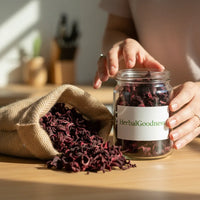
- Look for whole, dried petals with a bright, rich color and strong aroma.
- Herbal Goodness sources hibiscus in accordance with rigorous quality standards, prioritizing freshness and purity in every batch.
- Because hibiscus tea is naturally caffeine-free and free from artificial additives, it aligns well with conscious hydration and herbal lifestyle values.
For broader wellness perspectives, rotating in different teas—like Bamboo Leaf Tea – 24/1.5g Tea Bags - Nature's Collagen & Biotin—can help diversify both flavor and nutritional benefits.
The Art of Hibiscus Tea Rituals
Incorporating hibiscus tea hydration into your daily life isn’t just about the beverage—it’s about personalizing a ritual of nourishment. Savoring a cup mid-morning or pouring a glass over ice after a busy day can become small moments of mindfulness, celebrating natural flavors and the beauty of routine.
Consider keeping a dedicated jar of dried hibiscus petals in your kitchen, experimenting with infusions based on mood and season, and sharing freshly brewed hibiscus with friends or family for a sense of community. If you’re new to exploring herbs, the Herbal Tea Gift Set – Wellness Tea Gift Variety Collection - Organic 24 Teabags provides an easy way to sample multiple blends and ritualize hydration.
Hydration doesn’t have to be routine. Experiment with different hibiscus tea blends and serving styles to find a caffeine-free, vibrant beverage you look forward to sipping throughout the day.
FAQs:
- What does hibiscus tea taste like?
Hibiscus tea offers a bright, tart, and slightly fruity taste, similar to cranberry or pomegranate, with a refreshing aromatic quality.
- Is hibiscus tea naturally caffeine-free?
Yes, hibiscus tea does not contain caffeine, making it suitable for all-day hydration and for those avoiding stimulants.
- Can I drink hibiscus tea hot and cold?
Hibiscus tea is enjoyable both hot and iced. Adjust your preparation and flavor additions based on your taste and the season.
- How can I make hibiscus tea sweeter without sugar?
Try adding honey, agave syrup, or fruit juices, or blend with naturally sweet fruits to mellow hibiscus’s tart flavor without relying on refined sugar.
- Which herbs pair well with hibiscus in tea?
Mint, ginger, lemongrass, and citrus zest are popular herbal additions that balance and enhance hibiscus’s tangy notes.
- How long can I keep brewed hibiscus tea in the fridge?
Store brewed hibiscus tea in a sealed container for up to 3–5 days in the refrigerator for optimal freshness and flavor.
- Is hibiscus tea a good caffeine-free choice for families?
Hibiscus tea is a colorful, caffeine-free option that may suit families. Opt for minimal added sweetener and consult a healthcare professional for personalized guidance.
Author Name:
Herbal Goodness Editorial Team
Author Bio:
The Herbal Goodness Editorial Team specializes in holistic health and superfoods, blending science and nature to educate and empower our community.
References:
Hibiscus sabdariffa and Its Therapeutic Applications – National Library of Medicine
Herbal Teas and Their Health Benefits – Harvard T.H. Chan School of Public Health