




Herbal Hair & Skin Rinse Qualities: pH, Minerals, Tannins, and Bamboo Leaf Tea

Understanding the Qualities of a Superior Herbal Hair & Skin Rinse
The world of herbal hair and skin rinses offers a unique opportunity for people seeking gentle, nature-reflective care within their self-care routines. From kitchen herbs to purpose-grown botanicals, these rinses are shaped by physical and sensory factors such as pH level (acidity or alkalinity), mineral content, tannin composition, and even the quality of the water used. This guide will explore what makes a good herbal rinse, how bamboo leaf tea compares to other options, and practical steps for experimenting safely at home. Whether you’re looking to buy the best quality ingredients or prefer to shop for ready-made premium herbal rinses, understanding these essentials will support intentional choices.
pH: Why Acidity Matters in Herbal Rinses
What is pH and Why Should You Care?
The pH scale measures how acidic or basic an aqueous solution is, ranging from 0 (most acidic) to 14 (most basic), with 7 considered neutral. Hair and skin both have their own optimal pH ranges, and the pH of your herbal rinse can influence sensory results and comfort.
- Hair: Typically, hair favors a slightly acidic environment (between pH 4.5 and 5.5). Rinses in this range may contribute to smoother-feeling cuticles and reduce tangling.
- Skin: The skin’s natural outer layer is also mildly acidic (usually pH 4–6), which helps maintain its protective barrier.
How Do Herbal Rinses Vary?
The herbs or botanicals used, steeping duration, and even water source can affect a rinse’s final pH. For example:
- Vinegar-based rinses (often apple cider vinegar) tend to be more acidic, which may feel smoothing but should be diluted and patch-tested.
- Herbal infusions like chamomile, rosemary, or bamboo leaf tea generally produce mildly acidic to neutral pH rinses, depending on concentration and ingredients.
If buying a prepared herbal rinse, look for products that clearly state pH values or are formulated to align with healthy skin and hair. This can help ensure a premium or best quality experience tailored to your preferences.
The Role of Minerals in Herbal Hair & Skin Rinses
Why Consider Mineral Content?
Minerals such as silica, magnesium, and calcium may be present naturally in specific herbs, or absorbed from the water used for brewing. They are commonly appreciated in traditional hair and skin care practices for their sensory effects on softness, texture, or gloss—without offering any medical benefits.
Bamboo Leaf Tea: Bamboo leaves are noted for being a source of plant-based silica, a compound long valued by those seeking a gentle, mineral-rich rinse. When considering the best quality for your rinse, mineral content is worth evaluating if you want a luxurious sensory experience.
Other Herbs: Nettle, rosemary, and horsetail are also traditionally used for their trace minerals.
Water Quality: Soft water (lower in minerals) and hard water (higher in minerals like calcium and magnesium) will create subtle differences in how your rinse feels and performs.
When shopping or ordering herbal rinses or teas, check for sourcing transparency, as premium and organic options often provide details about plant mineral content.

Tannins: The Sensory Influence in Natural Rinses
Defining Tannins in Herbal Rinses
Tannins are naturally occurring compounds in many plant leaves, barks, and seeds. When brewed into a rinse, tannins influence color, feel, and sometimes aroma.
- Astringency: Tannins can create astringent (tightening) sensations on hair or skin, which some people enjoy for a finish that feels refreshed or clarified.
- Visual Impact: Herbal rinses high in tannins—such as those made from black tea or rosemary—can impart a subtle deep tint, a trait commonly appreciated for enhancing shine or richness.
How Does Bamboo Leaf Tea Compare?
Bamboo leaf tea contains moderate tannin levels, making it gentle for use on most hair and skin types. When selecting an herbal rinse to buy or order, consider your tolerance for astringency and whether you desire a subtly tinted result.
- Best Quality Tip: Premium herbal rinses often balance tannin and mineral levels to create a smooth, pleasing sensory profile.

Water Quality: Purity and Its Impact on Herbal Rinses
Why Water Matters
The water you use during brewing can significantly affect your final herbal rinse’s performance and feel.
- Mineral Content: As mentioned earlier, hard water contains a higher concentration of dissolved minerals, which may interact with plant compounds and affect residue or texture.
- Purity and Safety: Clean, filtered water helps preserve the pure botanical essence and supports peace of mind about what you’re applying to hair and skin.
If using a ready-made herbal rinse or buying loose-leaf tea for DIY brewing, check product info for guidance on recommended water type and quality. Many premium and organic brands like Herbal Goodness offer preparation tips for best results.
Comparing Bamboo Leaf Tea to Other Herbal Rinses
What Sets Bamboo Leaf Tea Apart?
Bamboo leaf tea offers a distinct combination of plant-based silica (contributing mineral value), moderate tannin content for a gentle astringent effect, and a pH that often falls within a friendly range for both hair and skin.
- Silica: Appreciated for its natural presence, silica is long valued as a gentle mineral for an herbal rinse.
- Tannins: Lower than black tea but present enough for a refreshing after-feel.
- Color/Scent: Typically, bamboo leaf tea creates a pale, earthy infusion with a subtle fragrance—contrasting with stronger-scented kitchen herbs like rosemary or mint.
If you are interested in sampling a variety, the Organic Herbal Tea Trio combines several premium herbal teas, including bamboo leaf, for a diverse hair and skin experience.
How Does It Compare to Kitchen Herb Rinses?
- Chamomile: Tends to have very low tannins, minimal mineral content, and a bright yellow tint.
- Rosemary: Higher in tannins, more aromatic, often darker colored, with some trace minerals.
- Apple Cider Vinegar: Highly acidic, no tannins, with a strong scent and tangy after-feel.
When shopping for the best quality herbal rinse, consider whether you value the unique mineral-tannin-pH profile bamboo leaf offers compared to other common options.
Practical Guidance: Safely Experimenting with Herbal Rinses at Home
Choosing to make or try a new herbal rinse is both creative and comforting. Safety and observation should guide each step:
1. Simple Brewing at Home
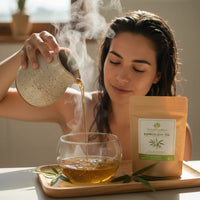
- Start Small: Prepare a single cup or pint by steeping your chosen herb—whether you buy premium loose-leaf bamboo tea or select kitchen herbs—using clean, hot (not boiling) water for about 10-15 minutes.
- Strain Well: Use a fine mesh strainer or cheesecloth to remove plant material for a smooth application.
- Cool Completely: Always let the rinse reach room temperature before applying.
2. Patch Testing
- Safety First: Dab a small amount on the inner wrist or behind the ear. Wait 24 hours and monitor for redness or discomfort.
3. Observing Results
- Sensory Focus: Note the feel—does hair feel smoother, or does skin feel refreshed? Is there noticeable astringency, or is the sensation gentle?
- Color and Aroma: Observe color transfer and scent, especially if comparing bamboo leaf tea to other herbal rinses.
4. Adjusting Strength and Frequency
- Dilution: If a rinse feels too astringent or drying, try diluting with more water.
- Frequency: Start with occasional use and observe over time; adjust depending on how your hair or skin reacts.
5. Where to Buy the Best Quality Herbal Rinse Ingredients
Carefully sourced, premium, and organic options may offer peace of mind for those seeking clean, safe, and effective herbal rinse bases. Herbal Goodness and similar reputable brands offer bamboo leaf tea for sale that meets high-quality standards.
For those interested in herbal alternatives for hair care, Hair Growth - 15X Liquid Extract - Hair & Follicles offers a concentrated, plant-based formula designed for topical use or oral support.

Or if skin is a focus, Radiantly Good Looking - 2fl.oz - Skin & Anti-Aging brings an herbal boost for radiant skin.
Key Considerations:
- Always pay attention to ingredient sourcing, whether shopping online or in stores.
- Choose herbal rinse products that are free from unnecessary additives or harsh chemicals if you value an organic approach.
Signs of a Premium Herbal Hair & Skin Rinse
When searching for a herbal rinse to buy or order, certain qualities signal superior quality:
- Ingredient Transparency: Clear labeling of all herbs, minerals, and plant sources.
- pH Information: Provided pH range aligned with natural skin and hair compatibility.
- Mineral Details: Highlighting natural mineral content, such as plant-based silica in bamboo leaf tea.
- Sustainable Sourcing: Indication of organic cultivation and eco-conscious harvesting when possible.
- Packaging Quality: Airtight, light-protective packaging preserves freshness and botanical potency.
A thoughtful buyer weighs these qualities before deciding where to purchase the best herbal rinse for their own care routine.
Observing and Learning from Your Herbal Rinse Experience
A mindful herbal hair or skin rinse routine is centered on observation over time:
- Keep a Journal: Record sensory impressions, ingredient combinations tried, pH and mineral experiences, and aesthetic outcomes.
- Adjust as Needed: Each person’s hair or skin may respond uniquely to different herbal rinses. Listen to your senses and preferences.
- Consult Brand Resources: If choosing to purchase, look for brands—like Herbal Goodness—that provide educational resources and guidance tailored to their premium herbal products.
Herbal rinses, from bamboo leaf tea to classic kitchen infusions, offer a ritual that honors simplicity, sensory delight, and mindful experimentation. When you consider purchase intent—seeking the best quality, comparing options, or sourcing premium ingredients—the key is understanding what matters most to your own hair or skin care journey.
FAQs:
- What pH range is best for an herbal hair or skin rinse?
A mildly acidic rinse, typically between pH 4 and 6, aligns well with the natural surface of hair and skin. Products that state their pH values help you order the best quality rinse for personal care.
- Does bamboo leaf tea make a good herbal hair rinse?
Bamboo leaf tea is commonly appreciated for its balanced pH, plant-based minerals, and gentle tannins. Many shoppers seek it for premium herbal rinses.
- How should I safely test a new herbal rinse at home?
Start with a patch test on a small skin area. If buying herbs or a ready-to-use rinse, follow instructions and observe for comfort and sensory feel before broader use.
- Where can I buy organic or premium herbal rinse ingredients?
Premium herbal rinses and ingredients like organic bamboo leaf tea can be found online or at natural wellness retailers. Look for those that offer transparent sourcing and best price.
- What should I look for when shopping for the best quality herbal hair rinse?
Look for clear ingredient lists, stated pH values, details about mineral content, sustainable sourcing, and packaging that protects freshness.
- Does water quality impact the effectiveness of herbal rinses?
Yes. Using clean, filtered water helps maintain the botanical qualities of your rinse. Some prefer to shop for rinses formulated for use with a variety of water types.
- How do the tannin levels in bamboo leaf tea compare to other herbal rinses?
Bamboo leaf tea has moderate tannins, offering a gentle astringent feel compared to higher tannin rinses like black tea. This can affect the sensory qualities shoppers may be seeking.
Author Name:
Herbal Goodness Editorial Team
Author Bio:
The Herbal Goodness Editorial Team specializes in holistic health and superfoods, blending science and nature to educate and empower our community.
References:
Introducing Graviola to Young Taste Buds: Fun, Family-Friendly Flavor Exploration
Graviola in the Classroom and at Home: Creative Activities to Teach Kids About Tropical Plants
Why Social Impact Matters in Plant-Based Wellness