





Hard Water vs. Soft Water: Which Brews Better Mullein Tea?

Brewing a fragrant cup of mullein tea is one of life’s quiet pleasures, but have you ever noticed how the same tea bag can taste a little different from place to place? The secret might be in your water. Whether your home has hard water or soft water, every cup you brew is shaped by the chemistry of what’s coming out of your tap. Understanding how water types—along with their pH, mineral content, and temperature—affect your mullein tea can empower you to craft a cup that’s uniquely satisfying. This guide demystifies the process so you can enjoy the full sensory experience of mullein tea, whatever your water source or brand.
The Role of Water Chemistry in Tea Brewing
Water may seem simple, but when it comes to making mullein tea, its chemistry plays a central role in what you taste, smell, and see in your mug.
Hard water is rich in minerals, especially calcium and magnesium. It’s common if you live in areas with limestone or chalky ground. Soft water has much lower mineral content, either naturally or through treatment like water softeners. The pH of your water measures how acidic or alkaline it is, and most tap water is slightly alkaline. This mineral content shapes both flavor extraction and appearance for teas, including Mullein Leaf Tea Organic 24 Bags | Respiratory & Lung Wellness Support. Hotter water extracts flavors and plant compounds more quickly, but too high a temperature can overwhelm delicate notes or release extra bitterness.
How Water Hardness Changes Mullein Tea
When you steep mullein tea bags in different waters, you may notice changes in flavor, aroma, and color. Here’s why:
Hard Water Effects
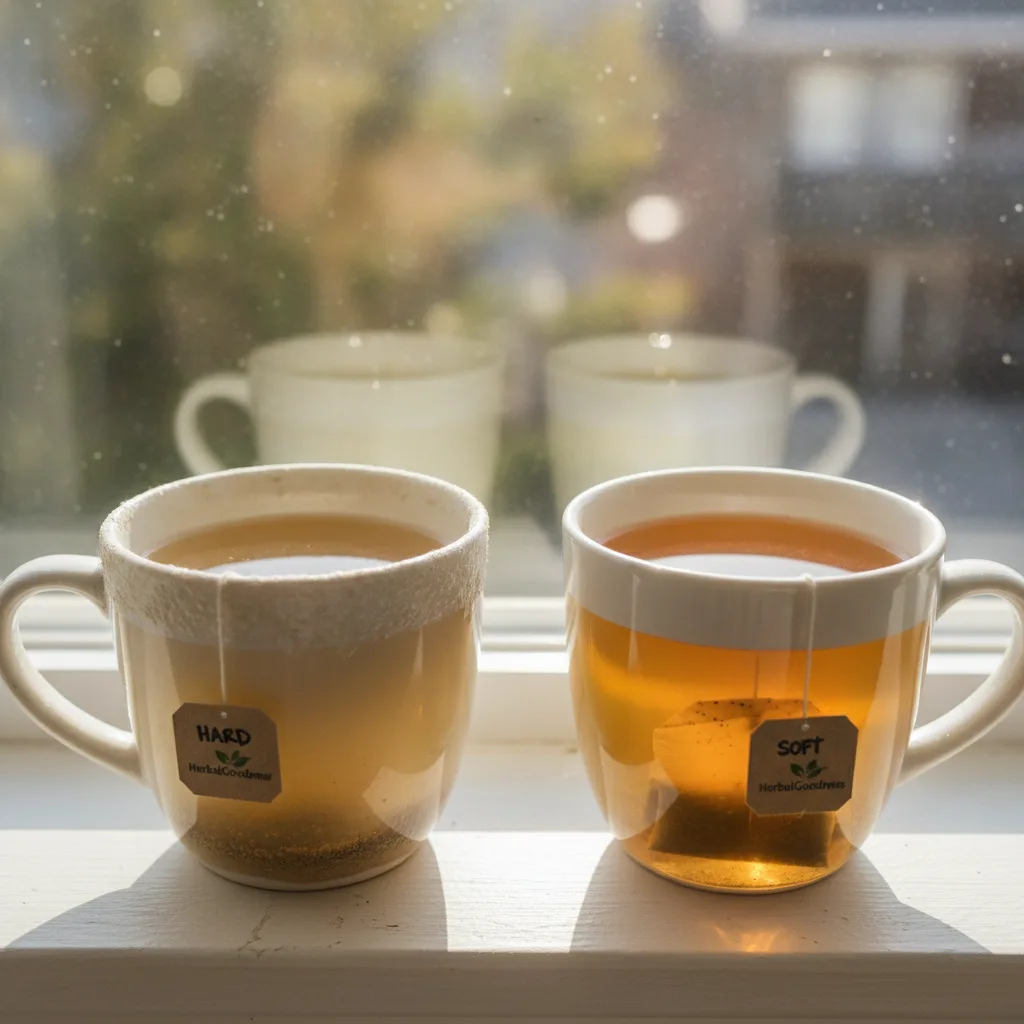
- Flavor: Hard water’s minerals can “bind” some of the plant’s natural compounds, making the brew appear dull or muted. The taste may be heavier, sometimes with a chalky finish.
- Appearance: You might see cloudiness or a film on top—this is mineral precipitation interacting with tea solids.
- Aroma: Some of mullein’s floral and slightly grassy notes may feel masked or flattened in hard water.
Soft Water Effects
- Flavor: With fewer minerals to interfere, soft water often lets mullein’s natural flavors shine brighter. The taste can feel lighter, smoother, and cleaner.
- Appearance: The brew is usually clearer, with a gentle golden hue.
- Aroma: More of mullein’s delicate scents can come forward, making for a pleasant, aromatic cup.
Simple At-Home Tests: Is Your Water Hard or Soft?
Before you start tweaking your tea, it helps to know your water’s natural "personality." Here are some easy tests:
- Fill a water bottle halfway with tap water, add a drop of liquid soap and shake. Lots of suds? You likely have soft water. A thin layer or no suds points to hard water.
- Check your kettle, faucets, or glassware. A white, chalky residue (scale) indicates hard water.
- Affordable strips from most hardware stores can give you a color-coded estimate of hardness.
- Hard water may taste mineral-heavy, even slightly metallic. Soft water is often described as “slippery.”
Enjoying a cup of tea can also be a mindful way to notice these subtle variations in your daily routine. For an herbal option that pairs with pure or filtered water, consider trying Organic Papaya Leaf Tea | 24 Premium Bags – Caffeine-Free, which can provide a delicate taste profile under various water conditions.
Brewing Mullein Tea: Tweaks for Every Water Type
Fine-tuning your water and process allows every mullein tea bag to truly bloom—whether you're using filtered, spring, or straight tap water.
If You Have Hard Water
- Use Filtered Water: Portable filter pitchers can reduce mineral content, giving your tea a cleaner flavor profile.
- Longer Steep Time: Minerals bond with plant compounds, so steeping a bit longer (up to 7-10 minutes) can help coax out flavor.
- Slightly Cooler Water: Aim for water around 190–200°F (rather than a rolling boil). This temp can prevent extra mineral film.
If You Have Soft Water
- Shorter Steep Time: The absence of high minerals means flavor extracts quickly. Steep mullein tea bags for 4–6 minutes for a clear, light-tasting cup.
- Try Spring Water: If you prefer a subtly richer body, natural spring water often contains gentle mineral traces that round out flavor.
Universal Tips for Every Water Type
- Pre-Heat Your Cup: Warm your mug with hot water first so temperature stays stable during brewing.
- Don’t Squeeze the Tea Bag: Pressing the bag can release tiny particles and extra compounds that may cloud your tea or add astringency.
- Experiment with Steep Time: Personal taste varies. Try multiple timings and note how both aroma and flavor change.
Adjusting for pH and Mineral Balance
While most at-home water isn’t strongly acidic or alkaline, subtle differences can affect your mullein tea’s taste. If your tea tastes flat, a pinch of natural spring water or a squeeze of fresh lemon after brewing can balance flavor where local water tastes “empty.” When your tea is cloudy, filtering or using bottled water (labeled as low mineral or reverse osmosis) often clarifies the brew. In cases where the brew tastes too bitter or sharp, cooler brewing temps or shorter steeping times can smooth the taste, regardless of water style.
If you’re seeking even more herbal infusion options that thrive in filtered or spring water, Bamboo Leaf Tea 24 Bags | Nature's Silica – Collagen & Biotin Support is an intriguing choice with a subtle, fresh flavor profile.
Sensory Tips: Evaluating Each Cup
Part of the magic is savoring what you sense. When evaluating a cup of mullein tea brewed with different water types:
- Visual: Is the liquid bright and clear, or cloudy? Notice the gold-to-amber spectrum.
- Aroma: Close your eyes and inhale. Earthy, floral, or fresh hay notes should be present in balanced water.
- Flavor: Sip slowly. Does the tea taste vibrant, mellow, or dull? Can you taste the soft, slightly sweet undertone mullein is known for?
- Aftertaste/Feel: Does the tea finish clean, or is there a lingering mineral texture?
Keep notes during your experiments, and see if you prefer the clarity of soft water, the rounded mouthfeel of natural spring water, or your classic local tap.
Getting the Most from Different Mullein Tea Brands and Water Sources
Not all mullein tea bags are created equal. Leaf cut, freshness, and bag construction can interact with water chemistry. Here’s how to adapt your process for the best results:
- Finer cuts release flavor faster—try shorter steeps. Whole leaf bags may benefit from slightly longer times, especially in soft water.
- Some brands use unbleached paper that slightly impacts appearance in hard water. If color matters, try brands with well-sealed tea bags for clarity.
- Mullein grown in mineral-rich soils may taste different than that grown elsewhere. Experiment across brands if you love exploring flavor nuances.
- If you’re interested in herbal extracts for respiratory support beyond traditional tea, Mullein Leaf Organic 15X Liquid Extract | Respiratory & Lung Wellness is a concentrated option to consider for a unique wellness routine.
- Remember, there is no perfect formula—all tips are just starting points for your own tasting journey.

How to Enjoy the Process, Not Just the Result
Brewing mullein tea is as much about ritual as it is about flavor. Let yourself explore different brewing styles and sources:
- Try side-by-side tastings: Brew two cups with hard and soft water and compare.
- Vary your steep times. Notice how aroma opens up over time.
- Invite friends for a tasting session with different brands and water sources.
If you love the process of exploring herbal teas, the Organic Herbal Tea Trio – Build-Your-Own Bundle | Mix & Match Any 3 USDA Organic Herbal Teas & Save 20% lets you discover unique combinations suited to your water type and flavor preference.

Tea is deeply personal, and every cup tells the story of its journey—from mountain stream to teapot. With a little curiosity and these practical tweaks, every sip can become a richer, more rewarding experience.
Frequently Asked Questions
Question 1: Does hard or soft water make mullein tea healthier?
Answer: Both hard and soft water can brew healthy mullein tea, but soft water generally enhances flavor and clarity. For convenience, try Mullein Leaf Tea Organic 24 Bags | Respiratory & Lung Wellness Support, which performs well with many water types.
Question 2: What’s the best brewing time for mullein tea in different water types?
Answer: In soft water, steep for 4–6 minutes for a clear taste. With hard water, aim for 7–10 minutes to help extract more flavor from your tea bags.
Question 3: Can I use filtered or bottled water for brewing herbal teas?
Answer: Yes! Filtered or bottled water (especially low mineral or spring) reduces cloudiness and brings out the best in teas like Organic Papaya Leaf Tea | 24 Premium Bags – Caffeine-Free.
Question 4: Do the minerals in water change the health benefits of mullein tea?
Answer: The minerals can affect taste, clarity, and color, but not the core beneficial compounds. You can also explore extracts like Mullein Leaf Organic 15X Liquid Extract | Respiratory & Lung Wellness for a concentrated wellness option.
Question 5: Which teas are least affected by water hardness?
Answer: Bamboo Leaf Tea 24 Bags | Nature's Silica – Collagen & Biotin Support tends to deliver a consistent taste and aroma regardless of your water source.
Question 6: Should I use boiling water for mullein tea?
Answer: Slightly cooler water (190–200°F) is best, as it avoids bitterness and excess mineral film, especially if your water is hard.
Question 7: How can I experiment with different herbs and teas at home?
Answer: Choose sampler packs like the Organic Herbal Tea Trio – Build-Your-Own Bundle | Mix & Match Any 3 USDA Organic Herbal Teas & Save 20% and experiment with both water types and steeping times.
Take time to explore how your water transforms each cup of mullein tea, and enjoy crafting your own perfect brew every time.
About the Author
Herbal Goodness Editorial Team
The Herbal Goodness Editorial Team specializes in holistic health and superfoods, blending science and nature to educate and empower our community.
References
Introducing Graviola to Young Taste Buds: Fun, Family-Friendly Flavor Exploration