





Guava Leaf Tea Near Me: Where Local Communities Are Finding It

In neighborhoods across the United States, a subtle yet unmistakable shift is taking place. Residents are searching for “guava leaf tea near me” in record numbers, sparking a wave of curiosity and conversation. Once mainly appreciated within specific cultural communities, guava leaf tea is now making an appearance in diverse settings—from bustling farmers’ markets to hip neighborhood cafés. What’s fueling this newfound enthusiasm for guava leaf tea in 2026, and how are local communities connecting with this vibrant tradition?
Exploring the Surge of Guava Leaf Tea Near Me Searches
A quick scan of recent search trends shows a marked increase in queries for “guava leaf tea near me.” This rising interest reflects both a broader curiosity about global flavors and a renewed desire to support local businesses. The intersection of heritage, taste, and community spirit is drawing people toward guava leaf tea, connecting generations and cultural backgrounds over a shared beverage experience.
What Is Guava Leaf Tea?
Guava leaf tea is crafted from the leaves of the guava tree (Psidium guajava), a plant cherished in many tropical regions. The tea’s herbal, subtly sweet flavor profile has made it a staple in households and markets throughout Latin America, Southeast Asia, Africa, and parts of the Caribbean. While guava fruit is popular for juicing and snacking, the leaves have long been valued for their culinary uses and aromatic qualities.
Throughout the decades, the tradition of brewing guava leaf tea has traveled with immigrant families, gaining new fans and evolving through neighborhood connections and cultural exchange.
The Role of Immigrant Foodways and Culinary Traditions
Neighborhood Roots: How Food Traditions Travel
Communities with roots in Latin America, the Caribbean, Southeast Asia, and Africa have kept guava leaf tea at the heart of home kitchens. The practice of brewing these leaves comes from generations-old customs. In the United States, these traditions are preserved and shared—as relatives introduce neighbors to the unique taste of a familiar drink.
The popularity of guava leaf tea in immigrant neighborhoods has been well documented across cities like Miami, Houston, New York, and Los Angeles. Groceries and corner markets reflect this demand, stocking dried guava leaves, ready-to-steep tea bags, and occasionally even fresh leaves when in season. These establishments often serve as community hubs, where knowledge and preferences are exchanged right alongside favorite recipes.
Many cultural communities are also embracing other wellness teas, including options such as Soursop Leaf Tea | Organic Graviola 24 Bags | Soursop Tea Benefits for Immunity & Wellness, which adds diversity to traditional beverage offerings. These tea varieties are frequently used for their unique flavor profiles as well as their links to cultural heritage.
Culinary Influence: From Home Kitchen to Café Menu
Lately, guava leaf tea has taken on a new role—shifting from family kitchens to local cafés and specialty tea shops. Inspired by artisan tea trends and the growing curiosity about global herbal drinks, chefs and beverage makers are experimenting with guava leaf infusions, food pairings, and inventive tea blends.
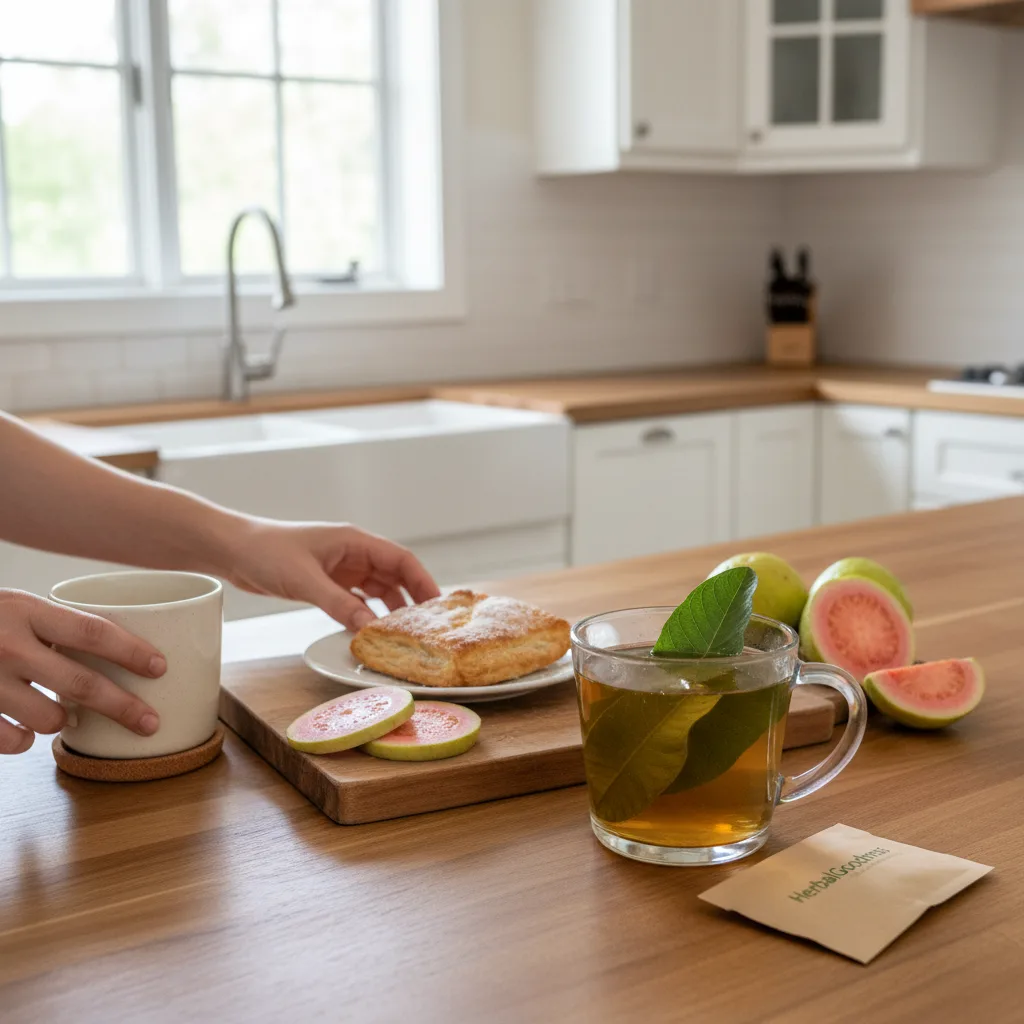
Cafés in multicultural neighborhoods are adding guava leaf tea to their drink boards, sometimes featuring it alongside other heritage beverages such as hibiscus and lemongrass teas. Whether offered hot, iced, or blended with citrus, it’s a refreshing, lightly floral drink that bridges culinary worlds. As these flavors make their way into mainstream coffee and tea shops, more people are drawn to discover and seek out guava leaf tea locally.
For those interested in variety, product bundles such as Herbal Tea Trio Bundle | Guava, Hibiscus & Avocado – 3 Organic Packs have become increasingly popular, showcasing both single-ingredient and blended teas.
Local Small-Batch Makers and Farmers’ Markets
Where to Find Guava Leaf Tea Locally
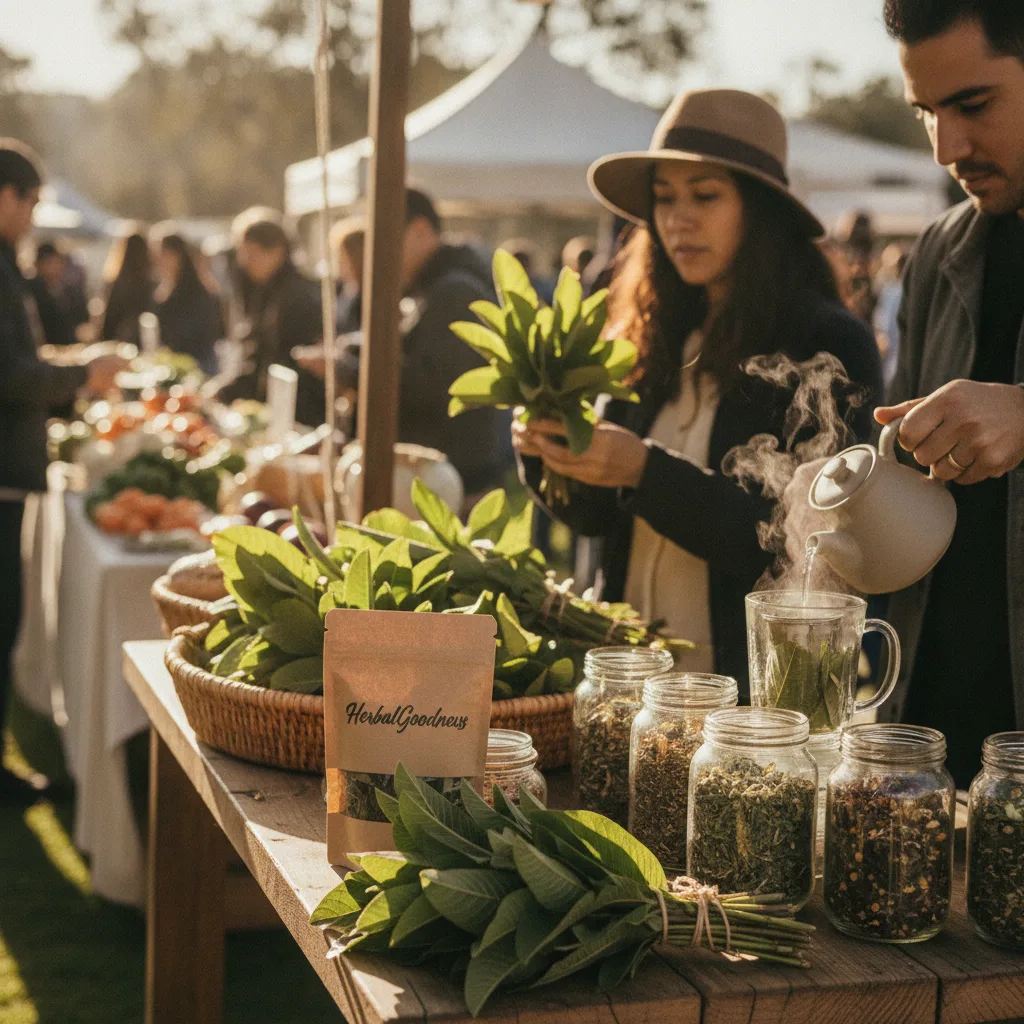
County fairs, weekend farmers’ markets, and small-batch food festivals have all played a role in bringing guava leaf tea to wider communities. Artisanal producers—often drawing on their own cultural heritage—handcraft guava leaf tea blends, offering them for sampling and sale at neighborhood events. These venues provide the perfect space for education, authenticity, and conversation, allowing curious shoppers to taste, learn, and connect directly with makers.
Many small producers partner with community-supported agriculture (CSA) programs or local grocery cooperatives, making it even easier to spot guava leaf tea in your area. In some climates, local growers may even supply freshly harvested guava leaves for residents interested in making their own.
Tips for Spotting Genuine Guava Leaf Tea at Markets
- Ask for cultural names: In English-speaking areas, guava leaf tea might be listed as “guava leaf infusion.” But in Spanish, you might see it advertised as “té de hoja de guayaba,” or in Tagalog as “tsaa ng dahon ng bayabas.”
- Check ingredient labels: Small-batch products often highlight sourcing details (local vs. imported leaves, organic practices, etc.).
- Look for story-driven signage: Vendors frequently share family histories or explain the origin of their tea recipes, creating a sense of place and tradition.
- Engage with vendors: Don’t hesitate to ask about how the tea is prepared, the origin of the leaves, or suggested brewing methods. Many small producers are proud to share their process.
Specialty options like Guava Leaf Tea Organic 24 Bags | Immunity & Gut Wellness – Caffeine-Free are often offered by artisanal vendors who focus on purity and authentic recipe traditions. For those preferring different preparations, Guava Leaf Organic 15X Liquid Extract | Immunity & Gut Wellness offers a potent and convenient way to experience the benefits of guava leaves beyond traditional steeping.

For those curious about blending other culturally rooted herbal teas, Organic Hibiscus Tea 24 Bags | Heart Health & Antioxidant Wellness is another market favorite that complements guava leaf flavors beautifully. Choosing a mix of teas at these markets supports vendors and celebrates culinary diversity in your neighborhood.
How to Search for Guava Leaf Tea Near You (In Person and Online)
Finding guava leaf tea locally can require a bit of detective work, especially if you’re new to the tradition. Here are some practical, non-salesy tips for seeking it out both in shops and online:
Search Keywords and Cultural Names to Try
- English keywords: “guava leaf tea near me,” “local guava tea shops,” “guava herbal tea.”
- Spanish terms: “té de hoja de guayaba,” “guava leaves té.”
- Other community phrases: “guava chai” or “guava infusion.”
Including these variations in your web searches or when asking shopkeepers increases your chances of success.
Store Types Most Likely to Carry Guava Leaf Tea
- International and Latin American markets: Especially in neighborhoods with vibrant immigrant populations.
- Asian groceries: Often carry herbal teas traditional to many regions, including guava leaf blends.
- Farmers’ markets and food co-ops: Small-batch and locally made options can be found at seasonal stands.
- Herbal and natural goods stores: These may offer both loose-leaf and bagged varieties, often with staff who know the cultural background of the tea.
- Cafés and tea shops: Neighborhood spots with global or fusion beverage menus may feature it as a seasonal or specialty drink.
When exploring these locations, don't overlook similar wellness teas such as Organic Papaya Leaf Tea | 24 Premium Bags – Caffeine-Free, which are commonly available in multicultural stores and offer an excellent complement to guava-based beverages.
Online Listings
If searching in person doesn’t yield results, local online listings can be a helpful next stop. Try platforms such as neighborhood forums, community food co-op directories, and local business listing apps. When searching online, include your zip code or city to narrow results. Look for shop reviews or menu postings that mention guava leaf tea directly.
Ready-made wellness-focused blends like Bamboo Leaf Tea 24 Bags | Nature's Silica – Collagen & Biotin Support are also growing in popularity within online communities that value international teas.
Neighborhood Trends and What Communities Are Choosing
Across the country, communities are shaping guava leaf tea’s local journey in unique ways. Some are rediscovering roots by reviving family recipes; others are exploring new culinary expressions in neighborhood businesses. The rising “guava leaf tea near me” searches highlight broader movements:
- A deeper connection to cultural heritage, as people seek out tastes and experiences from their own or neighboring traditions.
- A growing appreciation for artisanal, small-batch products, with consumers supporting local makers and sustainable sourcing.
- A desire for approachable, low-barrier wellness options, with guava leaf tea offering a gentle entry point for those curious about herbal drinks.
In each case, the focus remains on flavor, story, and shared experience, rather than health claims or trend-chasing. This communal approach has made guava leaf tea an uplifting and social choice—a delicious way to bring a taste of the world closer to home.
Supporting Local Businesses and Expanding Your Palate
Guava leaf tea’s neighborhood popularity in 2026 reflects a broader mindset: supporting local businesses, exploring global flavors, and celebrating the stories behind what we drink. Whether you find guava leaf tea at a tucked-away family market, a trendy café, or a lively farmers’ market, the journey itself becomes part of the enjoyment.
For those living in culturally diverse neighborhoods, ask residents where they purchase their favorite teas. Local community centers and cultural festivals can also be excellent starting points. Seeking out guava leaf tea in new places is an invitation to connect—with neighbors, stories, and delicious traditions that may be just around the corner.
Frequently Asked Questions
Question 1: How do I know if guava leaf tea at my local market is authentic?
Answer: Check for cultural names or phrases on labels and ask vendors about sourcing. Markets often offer genuine Guava Leaf Tea Organic 24 Bags | Immunity & Gut Wellness – Caffeine-Free, which lists details about sourcing and traditional preparation.
Question 2: Can I find guava leaf tea in mainstream grocery stores?
Answer: It’s most commonly available in international, Latin American, and Asian groceries, but you may also spot specialty options at co-ops or local online stores. For other diverse options, consider Organic Hibiscus Tea 24 Bags | Heart Health & Antioxidant Wellness.
Question 3: What other herbal teas are commonly found alongside guava leaf tea?
Answer: You’ll often see selections like Soursop Leaf Tea | Organic Graviola 24 Bags | Soursop Tea Benefits for Immunity & Wellness and Bamboo Leaf Tea 24 Bags | Nature's Silica – Collagen & Biotin Support in multicultural stores and markets.
Question 4: Are there convenient ways to enjoy guava leaf tea beyond loose leaf?
Answer: Yes, there are ready-to-steep bags and even Guava Leaf Organic 15X Liquid Extract | Immunity & Gut Wellness for quick preparation—ideal for busy mornings or on-the-go wellness.
Question 5: Is it possible to buy herbal tea bundles that feature guava leaf tea?
Answer: Yes, options such as Herbal Tea Trio Bundle | Guava, Hibiscus & Avocado – 3 Organic Packs are curated to help you try different flavors, including guava leaf, in one set.
Question 6: What should I ask vendors to learn more about their guava leaf tea?
Answer: Ask about how the guava leaves were sourced, whether the product is organic, and what cultural recipe inspired the blend. Many makers who sell Guava Leaf Tea Organic 24 Bags | Immunity & Gut Wellness – Caffeine-Free are proud to share their story.
Question 7: What other caffeine-free teas pair well with guava leaf tea?
Answer: Organic Papaya Leaf Tea | 24 Premium Bags – Caffeine-Free is a popular pairing, offering another gentle and traditional flavor profile.
Seeking out guava leaf tea in your community is a wonderful way to explore global flavors, support local businesses, and connect with diverse culinary traditions—one cup at a time.
About the Author
Herbal Goodness Editorial Team
The Herbal Goodness Editorial Team specializes in holistic health and superfoods, blending science and nature to educate and empower our community.
References
Introducing Graviola to Young Taste Buds: Fun, Family-Friendly Flavor Exploration
Why Social Impact Matters in Plant-Based Wellness