





From Field to Compost: The Full Life Cycle of Natural Mullein Tea Bags

Introduction: The Life Cycle of Natural Mullein Tea Bags
Curious about what truly makes a cup of natural mullein tea both soothing and sustainable? The path from mullein fields to your composting bin is a fascinating story of thoughtful choices—by farmers, manufacturers, and even you. Understanding the full life cycle of mullein tea bags helps you appreciate the craftsmanship behind every sip and make more earth-friendly decisions at home. Whether your priorities are taste, transparency, or environmental impact, walking through each stage—cultivation, processing, packaging, brewing, and end-of-life—reveals how mullein moves from nature to your cup, and then back to the soil.
Cultivation: Growing Mullein with Care and Responsibility
Natural mullein tea starts in open fields or certified organic farms, where cultivation practices directly impact the quality of your tea and the environment. Mullein (Verbascum thapsus) thrives in sunny fields with well-drained soil. Choose tea brands that partner with growers using:
- Organic methods (no synthetic fertilizers or pesticides)
- Crop rotation and soil enrichment
- Water conservation practices
These choices support healthier plants, richer taste, and more sustainable agricultural ecosystems. If you’re seeking other options grown with care, organic teas such as Bamboo Leaf Tea – 24/1.5g Tea Bags - Nature's Collagen & Biotin follow similar eco-friendly standards, making them a complement to your mullein ritual.
Selecting and Harvesting Mullein
The timing and style of harvest affect both the flavor and color of mullein tea. Experienced farmers usually harvest leaves and flowers when the plants are mature yet still tender. They often handpick or use gentle mechanical methods to minimize plant stress and preserve vital plant compounds. Look for tea companies that share sourcing transparency, which may be noted on labels as "hand-harvested" or "ethically sourced."
For those drawn to botanical wellness, Mullein Leaf - Organic 15X Liquid Extract - Respiratory & Lung Health offers an alternative format focused on purity and potency, highlighting traceable sourcing from farm to bottle.
Drying and Cut Styles: Ensuring Quality in Every Bag
After harvest, mullein leaves and flowers must be dried promptly to maintain their character. There are two main approaches:
- Air Drying: Hanging or rack-drying in well-ventilated barns preserves natural compounds and keeps energy use low.
- Low-Temperature Ovens: Controlled drying at low heat offers consistency, especially for larger batches.
Once dried, mullein is cut in specific ways, depending on the intended experience:
- Whole Leaf or Flower: Preserves visual beauty and can provide a milder infusion.
- Coarse Cut: Offers stronger flavor extraction and is commonly used in single-serve tea bags.
Label cues such as “cut and sifted” or “whole flower” indicate these options. Transparent brands detail these steps on their packaging or websites. If you enjoy experimenting, try other botanically diverse teas in bulk, like Bulk Herbs & Roots Online for Tea, Tinctures & DIY Wellness - Organic 4oz Bags, for making your own herbal blends at home.
Tea Bag Materials and Sealing: What Goes Around Your Mullein?
The wrapping that keeps your mullein tidy matters as much as the herb itself. Eco-conscious choices in tea bag materials and seals ensure that your cup of tea aligns with your sustainability values. Here’s what you might encounter:
- Unbleached Paper: Free from chlorine and brightening agents, these bags break down easily after use.
- Bio-based Mesh: Derived from corn or other plant fibers, these produce minimal microplastics and are often marketed as “plastic-free.”
- Cotton or Hemp: Used in select premium teas for a reusable or fully compostable bag.
Proper sealing is vital for freshness and integrity. Traditional bags may be sealed using staples, glues, or heat pressing; more sustainable brands opt for:
- Plant-based adhesives
- Stitching (with cotton thread)
- Ultrasonic or heat seals—when compatible with natural fibers
To identify lower-impact options, seek cues like “staple-free,” “plant-based sealant,” or “99% compostable” on product labels. One notable product that demonstrates these environmental values is Mullein Leaf Tea - Organic 24 Tea Bags - Respiratory & Lung, with its emphasis on natural materials and eco-friendly packaging.
Packaging, Shipping, and Eco-Friendly Decisions
Once packed, mullein tea bags must withstand storage and transport while maintaining quality. Here’s what responsible brands consider:
- Packaging Materials: Recyclable cardboard, glassine pouches, or compostable wraps keep tea fresh without sacrificing end-of-life sustainability. Avoid brands that overuse plastic liners or foil.
- Shipping Choices: Partnerships with shippers using carbon-neutral or bulk shipping minimize footprint. Some brands highlight climate-conscious initiatives on their boxes.
- Label Transparency: Certifications like USDA Organic, Non-GMO Project, or Fair Trade support responsible sourcing and labor practices. Key questions to ask include:
- Is the box recyclable or compostable?
- Are inks soy-based or non-toxic?
- Do the labels mention responsible shipping or packaging?
For diversity in function and sustainability, you might explore Guava Leaf Tea - Organic - Tea 24/2g - Caffeine-Free, which is also known for its recyclable and earth-friendly box design.
Brewing, Reusing, and Composting: Closing the Loop at Home
Your role in the mullein tea bag’s life cycle is just as important as how it’s made. Simple at-home decisions can multiply environmental benefits.
Brewing Your Best Cup
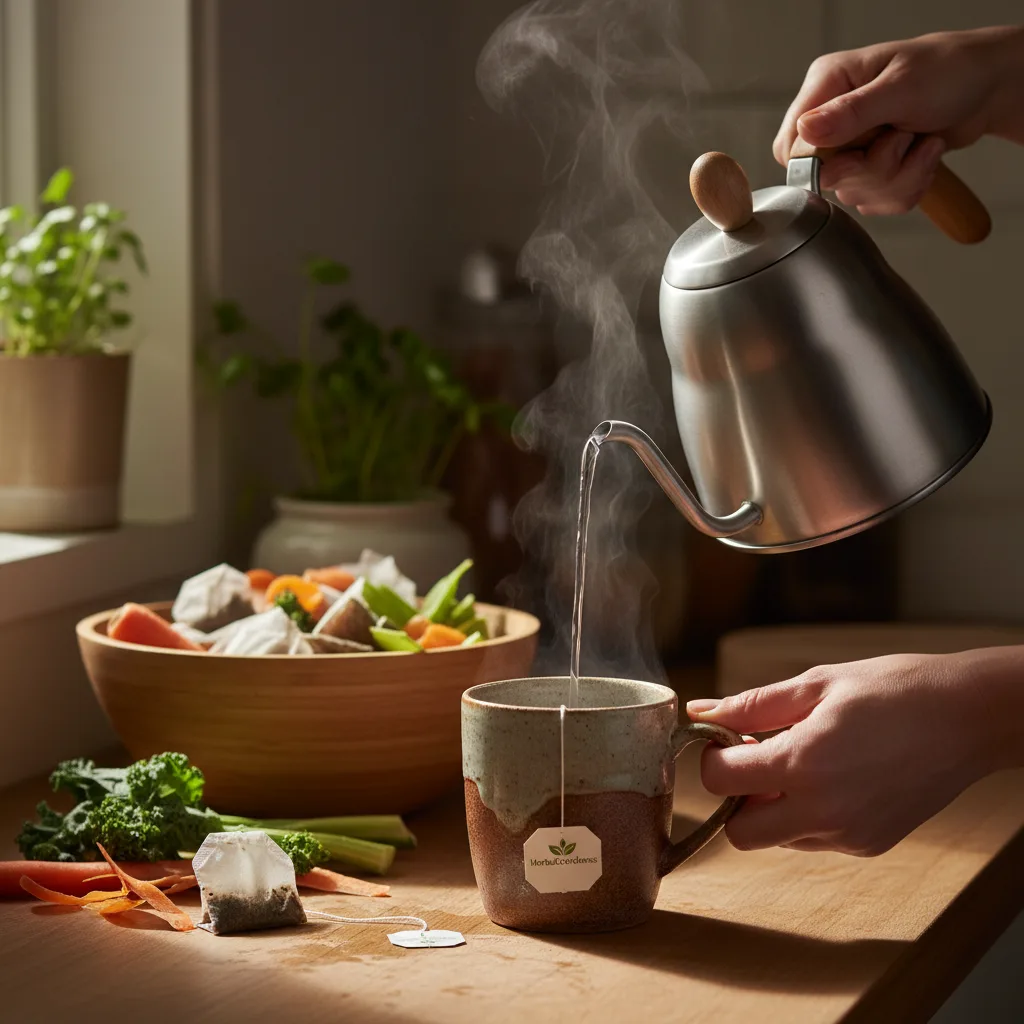
- Use fresh, filtered water and let the bag steep for 5–10 minutes to enjoy mullein’s signature mellow taste.
- Follow any brewing guidelines printed on the package for optimal enjoyment.
While savoring your brew, keep in mind that liquid extracts like Mullein Leaf - Organic 15X Liquid Extract - Respiratory & Lung Health can be added to blends or even enjoyed in warm water for a potent boost.
Creative Reuse of Spent Mullein Bags
Before composting, give spent bags a second life:
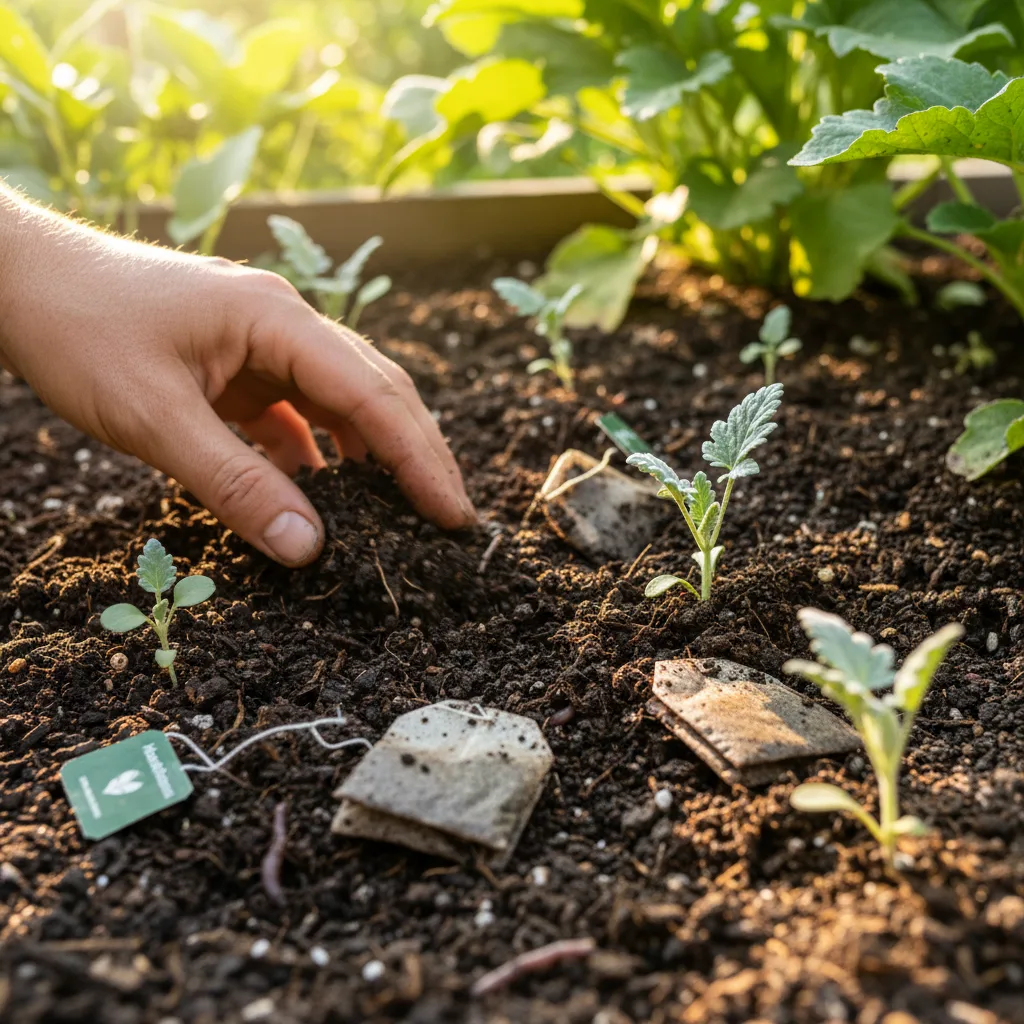
- Plant Fertilizer: Open used bags to spread mullein on indoor or outdoor plants as mulch.
- Cleaning Aid: Some cotton or mesh bags make gentle scrubbers for non-stick cookware or windows.
- Scent Sachets: Dry out spent bags, add a drop of essential oil, and tuck into drawers or shoes.
If you love the spirit of reusing, try creating sachets with leftovers from herbal blends available in Bulk Herbs & Roots Online for Tea, Tinctures & DIY Wellness - Organic 4oz Bags.
Composting for a Return to the Earth
Natural mullein tea bags made with compostable fibers are perfect for home composting. To compost most effectively:
- Remove staples or tags if not biodegradable.
- Tear the bag to speed up decomposition.
- Mix well with kitchen scraps and yard waste.
- Turn your compost pile regularly.
Within a few months, mullein-derived bags return nutrients to your soil—a fitting end for an herb long valued for its harmony with nature.

Recognizing Sustainability Cues and Asking the Right Questions
Not all mullein tea bags are created equally. Reading between the lines of packaging helps you pick options best aligned with your values. Useful label terms and symbols include:
- "USDA Organic" or "Certified Organic"
- "Compostable" or "Biodegradable Bag"
- "Non-GMO Ingredients"
- "Ethical Sourcing"
- "Fully Recyclable Box"
Questions to ask yourself while shopping include:
- What material is the tea bag made from?
- Is the company transparent about its sourcing and packaging?
- Does the brand support third-party certifications?
- Are there composting or recycling instructions?
For a full-circle routine, opt for herbal teas in multipacks, such as Organic Herbal Tea Trio – Build-Your-Own Bundle | Mix & Match Any 3 USDA Organic Herbal Teas & Save 20%, which lets you enjoy variety and discover brands that showcase high environmental standards.
By seeking these details, you ensure that each cup of mullein tea supports both your well-being and the health of the planet.
Embracing a Full-Circle Approach to Mullein Tea
Understanding the journey of natural mullein tea bags—from cultivation to compost—empowers you as a consumer. Thoughtful choices at every step, from supporting quality farming to closing the loop with composting, honor both the environment and the tradition of this gentle herbal tea. By reading labels, asking questions, and composting your spent bags, your daily tea ritual becomes a powerful act of sustainability.
FAQs:
- What makes a mullein tea bag truly compostable?
A mullein tea bag is truly compostable when it’s made from natural, biodegradable fibers such as unbleached paper, bio-based mesh, or cotton. Staples, synthetic glues, and plastic-based materials can slow down compost rates or leave residue, so look for brands that highlight '100% compostable' or detail their materials clearly on the packaging.
- How can I reuse mullein tea bags after brewing?
After steeping, you can reuse mullein tea bags as gentle plant fertilizer, natural cleaners for surfaces or cookware, or as pleasantly scented sachets for drawers. Ensure the bag is dried before reuse, especially if using in storage or for crafts.
- Which packaging and labels should I look for when buying sustainable mullein tea?
Look for recyclable or compostable boxes, soy-based inks, and clearly labeled certifications such as USDA Organic or Non-GMO. Information like 'staple-free,' 'plant-based,' or 'tested compostable bag' is a good sign of lower-impact, transparent manufacturing.
- What questions should I ask a brand before I buy mullein tea bags?
Ask about the sources of their mullein, if their packaging is plastic-free or compostable, whether the tea bags contain microplastics or hidden coatings, and if they participate in third-party certification programs. Brands that give clear answers to these questions usually prioritize transparency and sustainability.
- Do all mullein tea bags break down in home compost bins?
Most natural and unbleached paper or plant-fiber tea bags will break down in a well-aerated, actively managed compost bin. However, some mesh or conventional bags may need industrial composting. Always check the packaging for composting instructions and material details.
- How can I tell if a mullein tea has been ethically sourced?
Ethically sourced mullein is often indicated by certifications or details on the packaging, such as 'ethically harvested' or 'Fair Trade.' Transparent brands will usually provide sourcing information about farm locations, harvest methods, and labor practices.
Author Name:
Herbal Goodness Editorial Team
Author Bio:
The Herbal Goodness Editorial Team specializes in holistic health and superfoods, blending science and nature to educate and empower our community.
References:
Introducing Graviola to Young Taste Buds: Fun, Family-Friendly Flavor Exploration
Graviola in the Classroom and at Home: Creative Activities to Teach Kids About Tropical Plants
Why Social Impact Matters in Plant-Based Wellness