



Formulating Simple Guava Leaf Hair Masks: Home Blends, pH & Safe Single-Use Recipes

Formulating your own guava leaf hair masks at home is an accessible way to engage with gentle, plant-based hair care. Traditional beauty rituals across cultures have long valued the properties of guava leaf extract, whether in tea, tincture, or powder form, for its contribution to hair and scalp routines. By blending guava leaf with familiar natural ingredients, you can craft simple single-use hair masks and rinses tailored to your preferences—all while understanding key formulation basics that keep your experiments safe, mindful, and effective. This guide will walk you through the essentials: choosing the right base and carriers, ensuring pH balance, using safe emulsifiers, testing your blends, and adopting low-waste practices, so you’re empowered to create personalized treatments confidently and responsibly.
Why Guava Leaf for Hair Masks?
Guava leaves are traditionally appreciated in hair care routines due to their unique combination of plant compounds, including antioxidants, polyphenols, and vitamins. Whether utilized in tea, tincture, or powder form, guava leaf offers a versatile foundation for homemade hair masks and rinses aimed at creating a nourishing hair care experience.
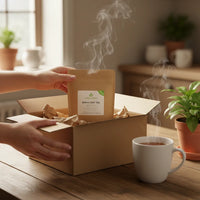
A convenient way to introduce guava's properties to your routine is using Guava Leaf Tea - Organic - Tea 24/2g - Caffeine-Free. Its form is ideal for light infusions while maintaining purity.
Common Forms for DIY Use
- Guava Leaf Tea: Offers a water-based infusion suitable for rinses and light liquid masks.
- Guava Leaf Tincture: Alcohol or glycerin extraction; should be diluted for topical use.
- Guava Leaf Powder: A flexible ingredient to blend with other dry or liquid bases.
Getting Started: Gentle Formulation Basics
Before mixing ingredients, understanding gentle formulation principles ensures your guava leaf hair masks are both safe and effective.
1. pH Considerations
Hair and scalp thrive when products match their slightly acidic natural pH—generally between 4.5 and 5.5. Maintaining this range can help create a soothing experience. Test the pH of your finished blend using affordable pH strips, readily available online or at beauty supply stores. Adjust with a touch of apple cider vinegar (to lower pH) or a pinch of baking soda (to raise pH), but always in small, carefully measured amounts and only as needed.
2. Choosing Carriers for Blends
Selecting the correct carrier is key to comfort and functionality. Carriers help dilute the concentrated guava leaf extract, making your mask gentler and easier to apply.
Consider integrating additional herbal infusions for more nourishment. For instance, Bamboo Leaf Tea – 24/1.5g Tea Bags - Nature's Collagen & Biotin provides added plant-based silica and biotin, which complements guava for hair vitality.
- Aloe Vera Gel: Hydrating and lightweight; excellent for soothing scalp blends.
- Coconut Milk or Yogurt: Adds creaminess and helps the blend coat hair shafts.
- Water or Floral Waters: Ideal when extra lightness is desired; pair well with guava leaf tea.
- Oils (Coconut, Jojoba, Olive): Effective in small amounts for drier hair types.
Always prioritize freshness and choose unscented, pure options when possible to minimize sensitivities.
3. Safe Single-Use Formulation
Single-use or small batch masks reduce the chance of spoilage and ensure your mask is always fresh. This practice limits waste and supports mindful experimentation, allowing you to adjust recipes according to hair response.
4. Patch-Testing Your Blend
Before full application, always perform a patch test:
- Apply a small amount of the guava leaf blend to your inner arm or behind the ear.
- Wait 15–30 minutes.
- If no reactions occur, the mask is generally safe for broader use.
Individual sensitivities can vary. If any irritation, redness, or discomfort occurs, refrain from using that blend on your scalp or hair.
Creating Effective Emulsions (Oil + Water Safety)
Many DIY hair masks combine water-based guava leaf infusions with oils or fats, which naturally resist mixing. To create an appealing texture and keep your blend uniform, gentle natural emulsifiers can help:
- Honey: Aids in binding small amounts of water and oil, plus lends moisture.
- Egg Yolk: Used in traditional beauty masking for its natural lecithin.
- Oat Flour or Gum Arabic: Readily disperses in liquid for a thicker consistency.
For those seeking herbal blends with proven hair-supportive properties, Hair Growth - 15X Liquid Extract - Hair & Follicles can be introduced as a gentle booster to your mask, in small, patch-tested quantities.
Note that single-use blends with these ingredients should not be stored, as freshness rapidly decreases and spoilage may occur.

Simple Guava Leaf Hair Mask Recipes
Below are a few foundational recipes you can customize based on hair needs and ingredient preferences. Remember to use freshly prepared blends within a few hours of mixing.
Nourishing Guava Leaf & Aloe Gel Mask (All Hair Types)
Ingredients:
- 2 tbsp guava leaf tea (cooled)
- 1 tbsp aloe vera gel
- ½ tsp olive oil (optional)
- 1 tsp honey (optional emulsifier)
Instructions:
- Mix all ingredients in a small bowl until texture is uniform.
- Test pH with strips; aim for pH 5.0.
- Patch-test, then apply to clean, damp hair and scalp.
- Leave on for 20 minutes; rinse thoroughly with lukewarm water.
Softening Guava Leaf Yogurt Mask (Dry Hair)
Ingredients:
- 1 tbsp guava leaf powder
- 2 tbsp plain, unsweetened yogurt
- 1 tsp coconut milk
Instructions:
- Stir powder into yogurt until smooth.
- Add coconut milk and blend well.
- Confirm gentle pH (4.5–5.5), adjust if needed.
- Patch-test, then apply. Leave for 15–20 minutes; rinse.
If you are looking for a high-potency, convenient option, Guava Leaf - Organic 15X Liquid Extract - Immunity & Herbal Health offers concentrated benefits suitable for blending or adding to a single-use mask or rinse. As always, ensure proper dilution and patch testing for safe use.

Clarifying Guava Leaf Tea Rinse (Light Refresh)
Ingredients:
- ½ cup strong guava leaf tea (cooled)
- ½ cup distilled water
- 1 tsp apple cider vinegar (optional, pH adjustment)
Instructions:
- Combine liquids, mix thoroughly.
- Test pH, adjust as desired for scalp comfort.
- After shampooing, slowly pour over scalp and hair; massage gently and allow to drip away naturally. No rinse needed if desired.

Dilution, Measurement & Safe Handling
- Measure Carefully: Use kitchen or beauty scales/spoons for accuracy.
- Dilute Extracts: Guava leaf tinctures should always be diluted in water or compatible carriers to reach appropriate strength for topical use.
- Avoid Overuse: More isn’t always better; stick to recipes and avoid excessive applications.
- Never Store for Extended Periods: Without preservatives, homemade masks can spoil quickly—use within hours of preparation.
Those seeking to round out holistic hair and wellness routines may consider including Papaya Leaf Extract 16oz – Organic 15X Liquid Papaya Leaf Herbal Supplement in their regimen. Papaya leaf is cherished for its antioxidant properties that can complement guava’s benefits both for internal and external wellness.
Recognizing Spoilage: When to Discard Your Mask
Homemade guava leaf masks are most effective when used immediately. Signs your blend may have spoiled include:
- Unpleasant or sour odor
- Change in texture or separation
- Visible mold or unexpected color shifts If in doubt, discard and start fresh.
Low-Waste and Mindful Experimentation
Creating only what you need supports freshness and sustainability. Try these tips:
- Mix small amounts—just enough for one use
- Repurpose leftover guava leaf tea as a scalp rinse
- Compost plant solids
- Use reusable mixing and measuring tools This approach minimizes waste and makes experimentation more accessible and eco-friendly.
For those who enjoy herbal teas as part of their lifestyle, Herbal Tea Trio - Guava, Hibiscus & Avocado - Bundle (3 Packs) is an excellent low-waste choice, allowing you to explore multiple infusions and find your favorite for DIY hair blends or daily sipping.
Responsible Sourcing and Ingredient Quality
When seeking guava leaf ingredients, prioritize reputable brands with clear labeling and quality assurance. Herbal Goodness, for example, is dedicated to high-standard sourcing and transparent testing, contributing to a positive DIY hair care journey.
Final Thoughts: Safely Exploring Guava Leaf Hair Masks
Guava leaf hair masks offer a window into creative, nature-inspired self-care at home. By understanding safe formulation—including pH balance, ingredient quality, emulsification, and proper application—you can confidently experiment with gentle, single-use treatments. Through patch-testing, freshness, low-waste practices, and careful measurement, your DIY blends will contribute to mindful routines tailored to your unique hair needs.
FAQs:
- Can I use guava leaf powder directly on my scalp?
Guava leaf powder should be blended with a gentle carrier, such as yogurt or aloe gel, before applying to the scalp. Direct use of dry powder can be abrasive or difficult to remove.
- How often can I apply guava leaf hair masks?
Gentle, single-use masks can be applied weekly or as desired based on your scalp’s comfort and response. Always patch-test new blends to ensure personal safety.
- Is it safe to mix guava leaf tincture with oils for hair masks?
Yes, but tinctures should always be diluted with carriers like water, aloe gel, or mild oils. Use in moderation and blend well to create a uniform texture.
- What is the ideal pH range for a guava leaf hair mask?
Aim for a slightly acidic pH between 4.5 and 5.5 to support the natural balance of hair and scalp. Use pH strips to test and adjust your blend as needed.
- How do I know if my homemade hair mask has spoiled?
Discard your mask if you notice sour odors, texture changes, discoloration, or visible mold. Always make small, single-use amounts to maintain freshness.
- Can I store extra guava leaf hair mask for later use?
Homemade, preservative-free masks should not be stored. For safety and efficacy, prepare only what you need and use it immediately.
Author Name:
Herbal Goodness Editorial Team
Author Bio:
The Herbal Goodness Editorial Team specializes in holistic health and superfoods, blending science and nature to educate and empower our community.
References:
Introducing Graviola to Young Taste Buds: Fun, Family-Friendly Flavor Exploration
Graviola in the Classroom and at Home: Creative Activities to Teach Kids About Tropical Plants
Why Social Impact Matters in Plant-Based Wellness