


Finding Moringa Near You: Local Names, Market Sources, and Proven Search Tips

Curious about how to find the best quality moringa near you? Whether you’re new to this superfood or searching for the freshest leaves, powder, or extracts for your personal wellness journey, sourcing moringa locally can feel overwhelming—especially with the many names it goes by and the variety of locations selling it. This guide unpacks everything you need to know: the multilingual names moringa is known by in communities around the country, the best types of sellers to shop for premium or organic moringa, and proven search tactics to help you find and recognize moringa wherever you are. Let’s explore the most effective ways to order moringa or spot it on local shelves, with tips you can use right away.
Recognizing Moringa by Its Local and Multilingual Names
One of the biggest challenges when trying to buy moringa—whether leaf, powder, or extract—is knowing all the different names this plant goes by. In many cultures, moringa has local or regional names that might appear on market labels or signage.
Common names for moringa in various communities:
- Drumstick Tree (widely used in English-speaking regions; refers to the shape of the seed pods)
- Kelor (common in Indonesia and Malaysia)
- Saijan/Sahjan (India, Pakistan, and Bangladesh)
- Malunggay (the Philippines)
- Moringa Oleifera (botanical/Latin name, seen on supplement bottles or bulk herb sections)
- Moringa Verde or Árbol de Moringa (Spanish-speaking communities)
When shopping at ethnic grocers, farmers’ markets, or apothecaries, you may see any of these names used instead of “moringa.” Understanding these local terms can open up more buying options and help you verify that you’re choosing the correct item on shelves or online listings.
Why Do Local Names Matter When Buying Moringa?
- Local and multilingual terms help you recognize moringa even when it isn’t labeled in English
- Sellers may use regional words on packaging or shelf tags, so familiarity can avoid confusion
- Searching with alternative names can expand your results and reveal hidden sources
Best Places to Shop for Moringa: Trusted Local Market Sources
With many product formats available—fresh leaves, powder, tea, tinctures, and extracts—knowing where to buy or order moringa can impact the quality and price point you receive.
Ethnic Grocery Stores
- South Asian, African, Caribbean, and Southeast Asian grocers frequently carry moringa under local names, especially in neighborhoods with these cultural communities.
- Look for whole leaves, pods, and sometimes even moringa powder, labeled as “drumstick,” “kelor,” “malunggay,” or similar.
Farmers’ Markets
- Urban and suburban markets with a diverse vendor base may offer fresh organic moringa leaf, especially during warmer months.
- Shopping at a farmers’ market is one way to find premium, locally grown moringa with greater transparency about sourcing.
Natural Food Co-ops and Wellness Stores
- Local co-ops and independent health food stores often stock moringa in capsule, powder, or liquid extract form.
- Look for organic or high-quality options in the herbal supplement aisle, where it may be labeled by botanical name.
Herbalists and Community Apothecaries
- Herbal apothecaries or herbalists may sell small-batch moringa tinctures, powders, or dried leaf blends, frequently with transparent sourcing information.
- Shopping with a reputable apothecary can be ideal for those seeking the best in quality and plant integrity.
Selecting the Right Moringa Product: What to Look For
No matter where you shop for moringa, reading the label and asking the right questions can make all the difference. Focus on these signs of a premium or organic product:
- Country of Origin: Look for moringa sourced from reputable farms, often listed on packaging
- Product Format: Verify if you’re buying fresh leaf, dried powder, tea bags, capsules, or liquid extracts
- Certification: Organic and non-GMO certifications point to higher standards
- Harvest/Processing Methods: Gently processed moringa retains more of its natural color and aroma
- Ingredient List: Pure moringa products list only the plant, with minimal fillers or additives
Authentic suppliers—like trusted co-ops, herbal stores, or recognized wellness brands such as Herbal Goodness—are more likely to offer clear sourcing details and product transparency.
Multilingual Search Keywords for Locating Moringa Nearby
When searching online or on maps, knowing the right multilingual search terms improves your results:
- “Buy moringa near me”
- “Shop drumstick tree leaves”
- “Order malunggay powder”
- “Kelor for sale nearby”
- “Organic moringa leaf powder shop”
- “Sahjan extract best price”
- “Where to buy saijan locally”
Try using these phrases in your favorite search engine, local grocery delivery app, or digital map. Filter results by ratings, organic focus, or seller transparency to find the most trusted source in your area.
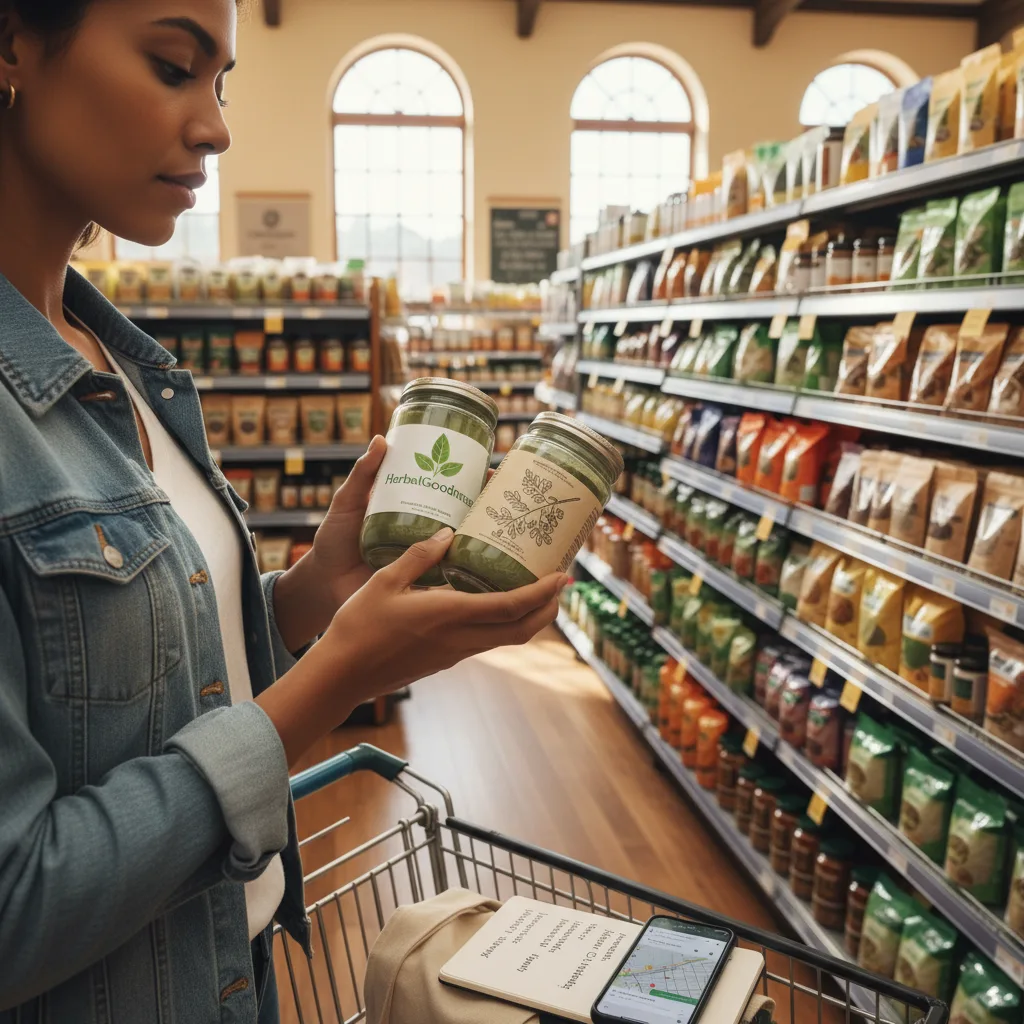
How to Interpret Moringa Packaging Photos and Labels
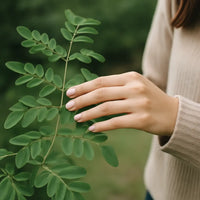
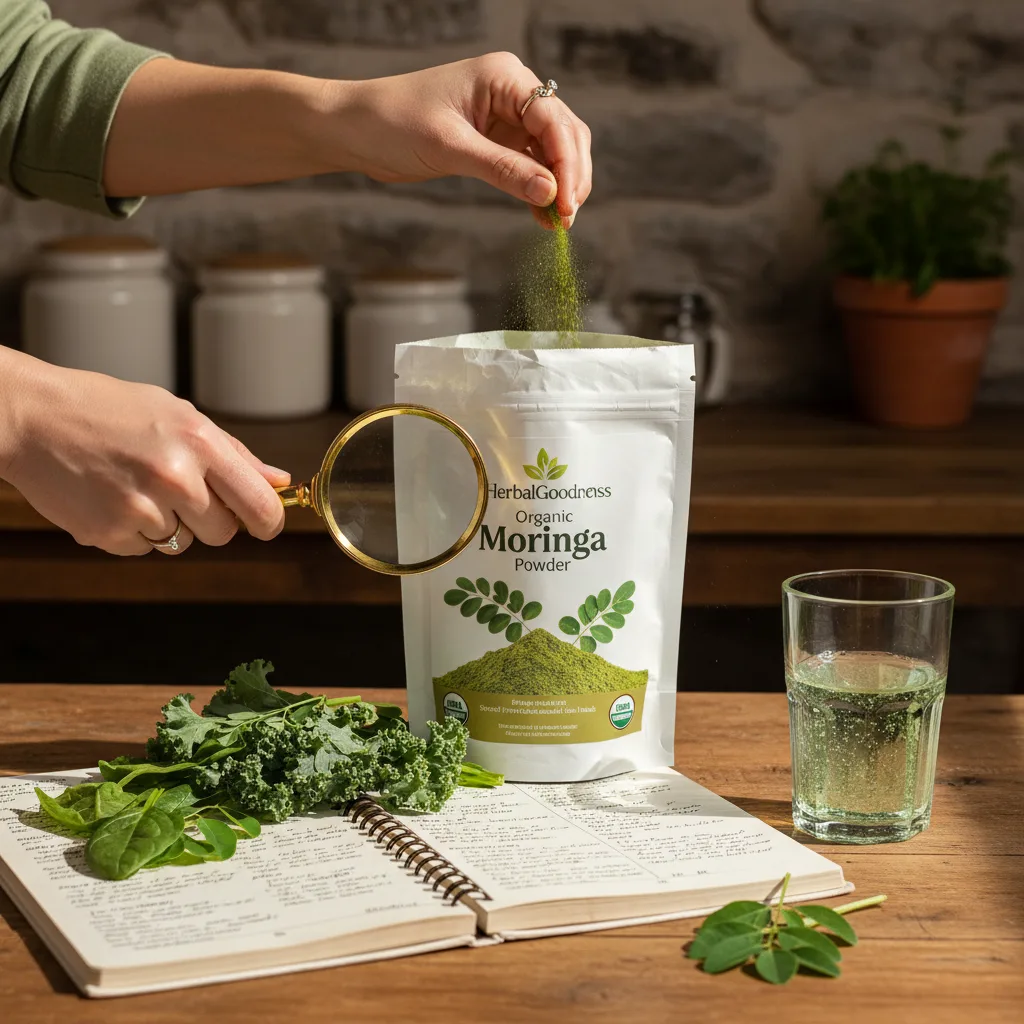
- Look for clear imagery of moringa’s distinct green leaves or drumstick-shaped pods
- Packaging with botanical drawings or the Latin name “Moringa Oleifera” is a strong indicator
- Bilingual or multilingual packages may reflect authenticity and appropriate local sourcing
Decoding In-Store Moringa Listings and Shelf Tags
When in a physical store, interpreting shelf signs and labels can help you quickly identify the highest quality moringa products:
- “Organic Moringa Leaf” – typically premium, grown without synthetic chemicals
- “Drumstick Pods” – fresh, whole pods for culinary use
- “Moringa Powder” – a versatile form, ideal for smoothies or culinary dishes
- “Saijan Extract” – strong, concentrated form for those preferring liquid supplements
If a shelf tag lists a local or unfamiliar name, compare the appearance to known moringa leaf or powder, or confirm with a store associate familiar with global herbs.
Simple Map-Search Tips for Buying Moringa Locally
Digital map tools are powerful for pinpointing moringa sellers close by, especially when using strategic search keywords. Here’s how to maximize your search:
- Open your preferred map app or platform
- Enter localized search phrases such as “moringa for sale near me,” “organic moringa shop,” or “malunggay powder nearby”
- Check store photos and reviews to confirm inventory and quality
- Look for co-ops, apothecaries, ethnic grocers, or farmer’s markets within easy reach
- Call ahead to verify product availability and ask about specific labels or product formats
Using these targeted map-search techniques can help streamline your in-person shopping process and support you in finding the best-quality moringa at the best price.
Understanding the Impact of Sourcing and Freshness on Quality
The quality of moringa—its color, aroma, and texture—varies depending on how it’s grown, harvested, and processed. For example:
- Fresh Local Sourcing: Farmer’s market moringa may provide stronger natural aroma and vibrant green color
- Dried vs. Fresh: Dried leaf and powder should appear bright green and have minimal odor or staleness
- Regional Variations: Labels noting single-source or region-specific moringa may indicate traceability and transparency
Asking about freshness, harvest dates, and drying methods can help you shop confidently for premium moringa at local venues.

When to Consider Online Specialty Retailers
If your local search yields limited options, or you’re seeking specific forms such as organic moringa extract or concentrated powder, exploring online specialty retailers is another solution. Established brands like Herbal Goodness offer transparency, premium organic certification, and a wide variety—including bulk sizes or single-ingredient extracts—making online ordering a strong complement to in-person searches for many shoppers.
If you seek additional plant-based wellness solutions, explore options such as Blood Platelet Plus Capsules 20X for advanced support, or consider Raw Sea Moss 8oz Bag for a natural multivitamin to round out your routine. Both are available from trusted wellness suppliers and may complement your moringa regimen.
Bringing It All Together: Your Roadmap to Buying Moringa Near You
Successfully locating moringa—whether for wellness, culinary use, or personal interest—comes down to three key strategies:
- Know the Local and Multilingual Names: Familiarize yourself with names like drumstick tree, kelor, malunggay, and saijan.
- Target the Right Market Sources: Prioritize ethnic grocers, farmers’ markets, natural food co-ops, and trusted apothecaries.
- Use Proven, Multilingual Search Tips: Experiment with a mix of local and English keywords in both digital searches and in-store visits.
With these tools, you’ll be prepared to locate the best-quality moringa at the best price—wherever you shop. Always seek clear labels, reliable sourcing, and knowledgeable sellers to support your selection process.
FAQs:
- What are the most common local names for moringa when shopping nearby?
Moringa appears under names such as drumstick tree, kelor, malunggay, saijan, sahjan, and 'moringa oleifera.' Recognizing these variations helps you locate the best quality moringa for sale at ethnic grocers or farmers' markets near you.
- Where can I buy or order authentic moringa locally?
You can shop for moringa at ethnic food markets, farmers’ markets, natural food co-ops, and community apothecaries. Use local names or ask for organic moringa extract, powder, or leaves for best results.
- How do I find the best price on moringa at local stores?
Compare product formats and source types—such as bulk powder, capsules, or leaves—at multiple sellers like co-ops, herbalists, and specialty ethnic grocers. Use map searches with phrases like 'moringa for sale' to locate the best price.
- Which keywords should I use to shop for moringa products online or on map apps?
Use multilingual and purchase-intent phrases such as 'buy moringa near me,' 'order malunggay powder,' 'shop drumstick tree leaves,' 'organic moringa powder shop,' and 'kelor for sale.' These increase your chances of finding premium moringa nearby.
- How can I identify premium quality moringa on store shelves?
Look for clear labels with sourcing, organic certification, and the Latin name 'moringa oleifera.' The best quality moringa is vibrant green with minimal additives and detailed ingredient lists.
- Should I prioritize organic moringa for sale when shopping locally?
Prioritizing organic moringa can help ensure a product free from synthetic chemicals. Certified organic moringa is often available at co-ops, apothecaries, and some specialty grocers.
Author Name:
Herbal Goodness Editorial Team
Author Bio:
The Herbal Goodness Editorial Team specializes in holistic health and superfoods, blending science and nature to educate and empower our community.