





Finding an Herbal Store Near You: A Values-Based Checklist for Shoppers

Are you on a journey to explore the world of herbs and natural wellness? Finding an herbal store near you can be a rewarding adventure—especially when you want to align your purchases with your personal values. Whether you’re searching for organic herbs or just want a shop that champions transparency and sustainability, knowing what to look for helps you get the most from each visit. This friendly guide unlocks a practical, values-based checklist for curious shoppers, offering step-by-step tips and what to notice at your first local herbal shop visit.
Why Local Herbal Stores Matter
Choosing a neighborhood herbal store means more than just short distances. Local shops can offer fresher products, regionally appropriate selections, and unique opportunities to speak with knowledgeable staff. These stores often source products thoughtfully and contribute to a sense of community by sharing educational workshops or supporting small farmers.
Supporting Community, Traditions, and Sustainable Practices
- Truly local insight: Shop owners often understand what grows best in your region or how local climates influence herb potency.
- Fostering local connections: Community-minded herbal stores frequently offer classes, lectures, or other gatherings to deepen your understanding.
- Sustainability: Many small herbal shops emphasize environmentally friendly practices and lower their environmental impact compared to large chains.
How to Start Your Herbal Store Search
With so many choices, narrowing down quality herbal shops can feel overwhelming. Consider these practical steps:
Use Search Tools & Trusted Recommendations
- Online Search: Phrases like "herbal store near me" or "local herb shop" on search engines and maps yield fast results.
- Community Boards: Local co-ops, farmer’s markets, or natural health forums often highlight shops with trusted reputations.
- Word of Mouth: Friends, family, or local wellness practitioners can suggest shops they trust and value.
A Values-Based Checklist: What To Look For
Going beyond location, here’s how to evaluate an herbal store based on key values.
1. Organic and Sustainable Sourcing
Ethically sourced herbs are important for many shoppers. Seek signs that an herbal store actively values organic and sustainable practices.
What to look for:
- Certifications on products or store signage noting organic, sustainably wildcrafted, or non-GMO status.
- Information about growers and regions on labels or displays.
- Sourcing stories openly shared by staff or posted in-store.
Integrating Papaya Leaf Extract - Organic 1oz 15X Liquid - Blood Platelet into your daily wellness can be a wise example of choosing a product that meets organic and clearly labeled standards.
2. Transparent Labeling and Ingredient Information
Transparency fosters trust. Labels should give you a clear understanding of what you’re buying.
Checklist for transparent labeling:
- Ingredient lists are clear and legible.
- Country of origin and harvesting practices are easily available.
- Batch numbers or dates of packaging are visible.
Look for items such as Soursop Leaf Graviola Extract - - Organic 15X Liquid Extract - Cell Renew & Immunity, which feature detailed product information and transparent sourcing practices.
Why it matters: Non-transparent labels make it hard for shoppers to make educated choices—always opt for those who prioritize straightforward details. Many herbal stores now prominently offer our Bulk Herbs collection, where ingredients and sourcing info are displayed clearly.
3. Low-Waste and Eco-Conscious Packaging
Sustainability is a top value for many. Take note of how a shop manages packaging:
- Do they use glass jars, recycled paper, compostable bags, or provide refill stations?
- Are packaging materials minimized or designed for reuse?
- Are recycling bins or bring-your-own-container programs available?
For those concerned about packaging waste, consider browsing shops that offer bulk sections—a popular choice is Sea Moss - Raw Dried from St Lucia - 8oz Bag - Nature's MultiVitamins, delivered in minimal, eco-friendly pouches.
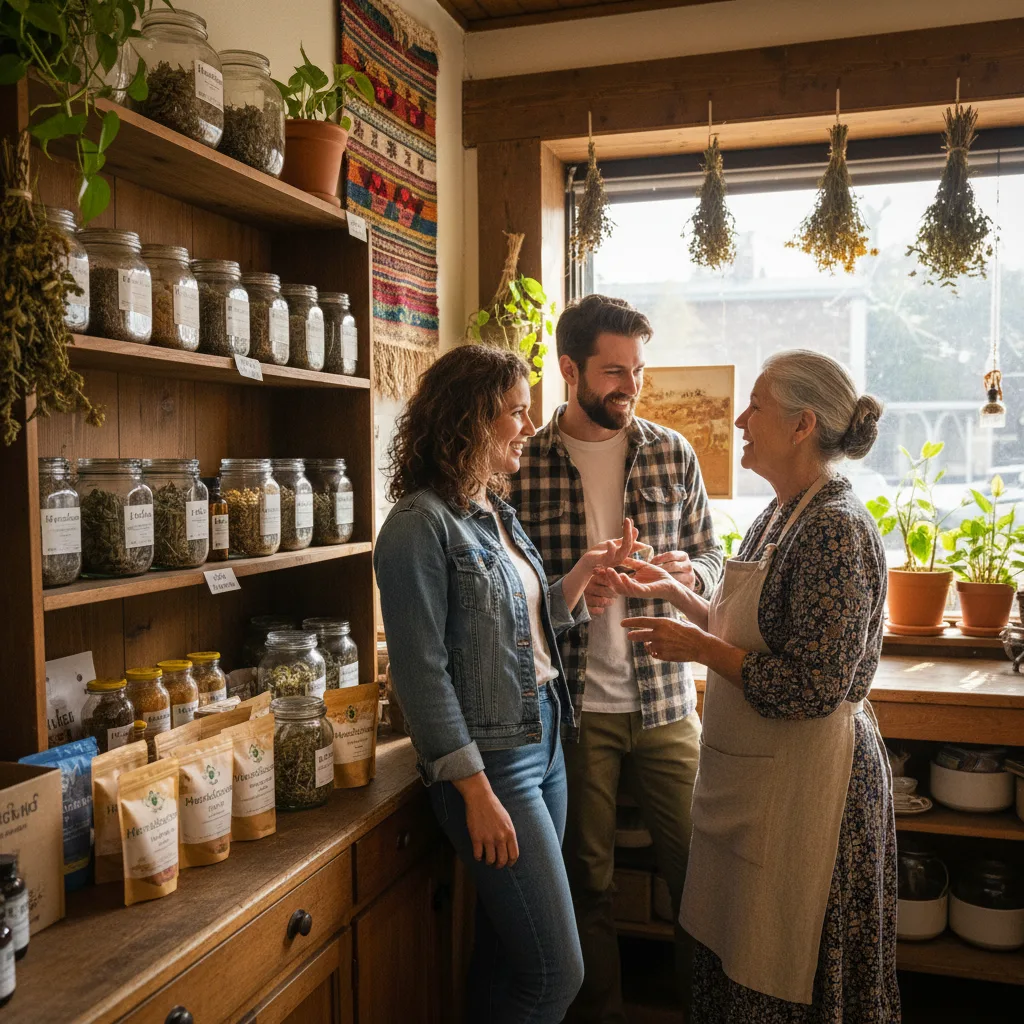
4. Knowledgeable and Welcoming Staff
Staff expertise can make your herbal shopping experience enriching and reassuring.
On your visit, observe:
- Staff can answer questions about sourcing and use.
- Team members offer respectful guidance and reference educational resources if needed.
- There is a genuine sense of care in interactions, not just sales.
If you’re new to herbalism, some stores may suggest a Personal Consultation with Herbalist or Health Coach to help answer your questions and personalize your experience.
5. Community Involvement and Ethical Impact
A shop’s connection to its neighborhood adds another dimension to its value.
Signs to notice:
- Bulletin boards listing classes, local events, or charitable partnerships.
- Information about donations to local causes.
- Flyers about monthly wellness meet-ups or sustainability workshops.
Many stores community events reflect the same care found in offerings like the Papaya Leaf Tea - Organic 24/2g Tea Bags, which also prioritize organic farming and responsible business.
On-Site Signs of Quality and Integrity
When stepping foot in an herbal shop, your senses and intuition are powerful guides.
Freshness and Cleanliness
- Herbs look and smell fragrant, not stale or faded.
- The store feels tidy—clean shelves, organized bins, and well-labeled jars.
- No overpowering chemical smells, which could indicate poor ventilation or contamination.
Products such as our organic herbal teas are often showcased for their freshness and thoughtful display.
Ethical Product Displays
- Items are not oversold, and prices are reasonable and clear.
- Literature about sourcing, harvesting, or safe usage is available.
- Seasonal herbs are featured, reflecting an understanding of regional cycles.

Highlighting well-displayed selections like the Soursop Leaf Tea Graviola Leaves - Organic 24/2g Tea Bags - Immunity & Cell Renew can point to a store’s commitment to quality and health benefits.
Smart Tips for Your First Visit
Venturing into a local herbal shop for the first time? These simple tips help make your experience smoother and more rewarding:
- Start with a small shopping list: Jot down a handful of herbs or wellness goals you’re curious about. This narrows down your focus and gives staff a better idea of what guidance to offer.
- Bring questions: Don’t be shy asking about sourcing, packaging, or the story behind products. Observing how your questions are welcomed reveals much about the shop’s culture.
- Check for samples: Some shops allow you to smell, touch, or taste a small sample. This is helpful for building confidence in your choices.
- Notice the atmosphere: Does it feel rushed, or is there room for exploration? A welcoming shop lets you browse and learn at your own pace.
- Learn about upcoming events: Signing up for a class or workshop can deepen your knowledge and establish relationships with local herbalists.

Aligning Herbal Choices With Your Personal Values
Herbal stores, like the people who run them, each have unique philosophies and strengths. As you refine your shopping approach, keep your core values at the forefront:
- If transparency is key, ask to see logs of product testing or origin.
- If sustainability matters most, prioritize vendors who minimize waste and source locally.
- If education is important, seek shops with events, resources, and approachable staff.
Taking the time to ask thoughtful questions isn’t just about inspecting products—it’s also a way to advocate for practices you care about. You might even consider versatile staples like our Bulk Herbs collection for broad wellness applications.
Why Herbal Goodness and Similar Brands Value These Principles
Many organizations in the herbal wellness world, including Herbal Goodness Gift Card, put a major emphasis on organic sourcing, clear labeling, and a commitment to sustainability. These guiding values, now widely appreciated, help assure shoppers of a brand’s reliability—and are important points to observe when choosing where you shop.
What to Do If a Local Store Isn’t Available
In some regions, stand-alone herbal shops are rare. If this aligns with your experience:
- Look for natural foods stores or local co-ops with dedicated herb sections.
- Support farmers’ markets featuring herbalists or small-batch herb stands.
- Seek out regional events or pop-ups focused on natural products to connect with local herbal practitioners.
These alternatives help you stay connected with values-based approaches even without a traditional brick-and-mortar herbal shop nearby.
Frequently Asked Questions
How can I find out if an herbal store sources organically?
A good first step is to check for organic certifications on packaging or store signage. You can also ask staff about their sourcing policies, or look for visible information detailing how and where their herbs are grown.
What does transparent labeling look like in an herbal shop?
Transparent labeling means product ingredients and their origins are listed clearly, with harvest dates or batch numbers provided. This openness helps you make informed choices without guesswork.
Why is low-waste packaging important when shopping for herbs?
Minimizing waste in packaging supports environmental health and can signal a store’s commitment to eco-friendly practices. Look for bulk bins, compostable or reusable packaging, and recycling programs during your visit.
Are staff in herbal shops typically trained in herbalism?
Many local herbal shops value expertise and invest in training for their staff. While formal certification varies, knowledgeable team members usually enjoy sharing information on sourcing, safe use, and traditional applications of herbs. Explore a Personal Consultation with Herbalist or Health Coach if you’re seeking individualized advice.
How do I know if an herbal shop is involved in the community?
Notice bulletin boards, event flyers, or charity projects in-store. Staff may share information about local workshops, collaborative events, or educational programs.
Can I sample herbs in-store before buying them?
Many herbal shops offer opportunities to smell, touch, or sometimes taste herb samples, especially for teas or dried herbs. Always ask staff if you are unsure of shop sampling policies. Common sample items include small servings of Papaya Leaf Tea - Organic 24/2g Tea Bags.
What’s the benefit of shopping local instead of online?
Local shops let you inspect products firsthand, converse with staff, support regional growers, and participate in educational activities or community events—all of which add value to your herbal wellness journey. For harder-to-find items, you might supplement with reputable sources online, such as our organic herbal teas.
Connecting with an herbal store that shares your values is a rewarding first step on your natural wellness path. Explore your local options, ask thoughtful questions, and enjoy discovering a community aligned with what matters to you most.
FAQs:
- How can I find out if an herbal store sources organically?
A good first step is to check for organic certifications on packaging or store signage. You can also ask staff about their sourcing policies, or look for visible information detailing how and where their herbs are grown.
- What does transparent labeling look like in an herbal shop?
Transparent labeling means product ingredients and their origins are listed clearly, with harvest dates or batch numbers provided. This openness helps you make informed choices without guesswork.
- Why is low-waste packaging important when shopping for herbs?
Minimizing waste in packaging supports environmental health and can signal a store’s commitment to eco-friendly practices. Look for bulk bins, compostable or reusable packaging, and recycling programs during your visit.
- Are staff in herbal shops typically trained in herbalism?
Many local herbal shops value expertise and invest in training for their staff. While formal certification varies, knowledgeable team members usually enjoy sharing information on sourcing, safe use, and traditional applications of herbs.
- How do I know if an herbal shop is involved in the community?
Notice bulletin boards, event flyers, or charity projects in-store. Staff may share information about local workshops, collaborative events, or educational programs.
- Can I sample herbs in-store before buying them?
Many herbal shops offer opportunities to smell, touch, or sometimes taste herb samples, especially for teas or dried herbs. Always ask staff if you are unsure of shop sampling policies.
- What’s the benefit of shopping local instead of online?
Local shops let you inspect products firsthand, converse with staff, support regional growers, and participate in educational activities or community events—all of which add value to your herbal wellness journey.
Author Name:
Herbal Goodness Editorial Team
Author Bio:
The Herbal Goodness Editorial Team specializes in holistic health and superfoods, blending science and nature to educate and empower our community.
References:
Introducing Graviola to Young Taste Buds: Fun, Family-Friendly Flavor Exploration
Graviola in the Classroom and at Home: Creative Activities to Teach Kids About Tropical Plants
Why Social Impact Matters in Plant-Based Wellness