




DIY Mushroom Tincture Blend: Safe Small-Batch Recipe & Sourcing Guide

For those drawn to wellness crafting or the fascinating world of functional fungi, making your own mushroom tincture blend can be both empowering and deeply satisfying. Approaching this process with curiosity—and a commitment to safety and transparency—opens doors to exploring the subtle nuances of mushroom extraction at home. This guide is designed for beginners eager to experiment with small, clean batches and premium-quality ingredients, focusing on how to confidently select mushrooms, choose the right materials, and navigate simple extraction techniques without veering into health claims or unsafe territory.
Choosing Mushroom Species and Raw Materials for DIY Blends
Your first decision in crafting a mushroom tincture blend is which mushroom species to use. There are dozens of options, each offering unique properties and flavors. Common options for home blends include:
- Reishi (Ganoderma lucidum), long valued in traditional herbal practice for its earthy, woody profile
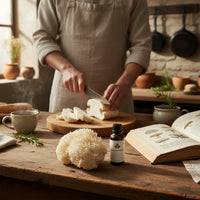
- Lion’s Mane (Hericium erinaceus), appreciated for its culinary and botanical versatility
- Chaga (Inonotus obliquus), traditionally wild-harvested and noted for a smooth, vanilla-esque flavor
- Turkey Tail (Trametes versicolor), often chosen for its mild taste and long use in holistic circles
If sourcing these mushrooms seems daunting, a convenient approach is to look for a Mushroom Blend Organic 15X Extract | Adaptogen for Brain & Immunity, which combines multiple well-known species in a ready-to-use format. This option is ideal if you want to ensure balance and quality in your small-batch DIY attempts.
Fruiting Bodies vs. Mycelium: What Matters in Your Raw Materials
When sourcing mushrooms, you’ll choose between dried fruiting bodies (the above-ground part of the mushroom) or mycelium (the root-like network). Many prefer fruiting bodies for tinctures, as these are often richer in complex polysaccharides and triterpenes. However, some producers offer high-quality mycelium grown on organic substrates, fully transparent about ingredient origins. As you shop for dried mushrooms or powders:
- Check that the label specifies fruiting body, mycelium, or both.
- Look for certified organic or wildcrafted sources to reduce the risk of agricultural contaminants.
- Seek detailed product descriptions and third-party testing (COA: Certificate of Analysis) for assurance of purity.
- Prioritize reputable shops that clearly state the country of origin and supply transparent supply chain documentation.
Using a transparent bulk herbs & roots supplier can make sourcing whole fruiting bodies and powders easier and more reliable.
DIY Tincture Basics: Understanding Extraction Methods
Once your mushrooms are selected, it’s time to explore the basics of extraction. At-home mushroom tinctures typically involve one of two methods: single extraction (using either alcohol or glycerin) or dual extraction (a combination of alcohol and hot water). Each process brings out different classes of compounds found in mushrooms, so understanding the roles and safety of both is essential for a well-rounded DIY blend.
Single Extraction: Alcohol or Glycerin
A single extraction makes use of either a food-safe alcohol, like organic vodka (at least 80 proof or 40% ABV), or a plant-based glycerin for those avoiding alcohol. Here’s the basic approach:
- Weigh your dried mushrooms, ideally 20–50 grams for a small batch.
- Chop or grind to expose more surface area.
- Add mushrooms to a glass jar with a tight-fitting lid.
- Pour alcohol or glycerin over the mushrooms, maintaining an approximately 1:5 mushroom-to-liquid ratio (1 part dried mushroom to 5 parts alcohol/glycerin by weight).
- Seal and store in a cool, dark place for 2–4 weeks, shaking gently every few days.
Glycerin extractions result in a sweeter tincture and may appeal to those seeking an alcohol-free alternative, though different compounds are emphasized than in alcohol-based tinctures. If you’d like an even more convenient option for everyday use, consider a trusted blend such as Lion's Mane Mushroom Liquid Extract | Organic – Brain Focus & Mood, which delivers single-species potency in a ready-made form.
Dual Extraction: Combining Alcohol and Hot Water
A dual extraction process is often chosen to capture both alcohol-soluble and water-soluble mushroom compounds. It involves two simple steps:
- Alcohol Extraction: As above, infuse chopped dried mushrooms in alcohol (1:5 ratio) for 2–4 weeks.
- Hot Water Extraction: After straining the alcohol, simmer the same mushroom material gently in filtered water for 2–4 hours (do not boil vigorously), using enough water to keep mushrooms just submerged.
- Combine and Store: Once cool, filter out mushroom solids. Mix the cooled water extraction with your alcohol extract. Aim for a final alcohol concentration above 25% for safe preservation (adjust by adding more alcohol if needed).
This method requires patience but is approachable even for kitchen newcomers—provided you monitor temperatures and ratios carefully.

Simple Ratios, Dilution, and Safety Tips for Tincture-Making
Whether you’re making a single or dual extraction, correct ratios and proper dilution are crucial to ensure both safety and a pleasant taste profile.
- Start small: For your first batch, 20–50 grams of dried mushroom and about 100–250 ml of solvent keeps things manageable.
- Maintain safe alcohol levels: For long-term preservation, a minimum of 25% alcohol by volume in the finished tincture discourages unwanted spoilage. Use an online calculator to account for dilution if combining extracts.
- Label every batch with the date, mushroom species, extraction method, and solvent used—this is good kitchen practice and makes refining your recipe easier.
If you’re looking to further diversify your project, adding other adaptogens is a smart approach. A reliable ingredient that pairs with mushroom extractions for wellness-focused blends is Raw Sea Moss 8oz Bag | St. Lucia Wildcrafted – Nature's Multivitamin for a simple, mineral-rich infusion.

Safe Handling and Storage of Mushroom Tincture Blends
No matter how pure your starting materials, safety comes down to proper handling and storage as much as extraction technique.
Best Practices:
- Sterilize all tools and jars in boiling water or by using food-grade alcohol before starting.
- Work in a clean, dry environment.
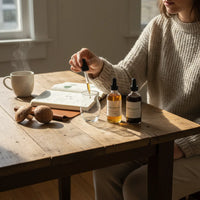
- Store finished tinctures in amber glass dropper bottles or jars to shield from light, and keep in a cool, dry cupboard.
- Check for clarity and aroma: Your finished product should be clear (not cloudy) and have a pleasing, clean scent. When in doubt, discard and start fresh.
Making small batches greatly reduces risk and makes it easier to refine your process. These same principles apply if you opt to try prepared extracts – shop for products with full transparency, such as our Bulk Herbs collection, where detailed traceability and handling practices are paramount.
Sourcing Premium, Transparent Ingredients for DIY Tinctures
The foundation of any successful mushroom tincture blend is high-quality, traceable raw material. Here are key strategies to confidently source your mushrooms and solvents:
- Shop from organic-certified suppliers who are open about their growing, harvesting, and processing methods.
- Read reviews and third-party lab reports (COAs). These verify purity and absence of agricultural residues.
- Look for non-GMO, whole fruiting body powders, or slices.
- Request country-of-origin details and prefer products from regions with stringent cultivation standards.
- Inquire about harvesting practices (wildcrafted vs. cultivated).
- If using alcohol for extraction, consider organic vodka or grain alcohol, ensuring it is food-safe and free of additives.
Herbal Goodness and like-minded companies often emphasize their transparent, organic, and traceable ingredient standards—qualities worth seeking out when you shop for premium mushroom supplies for sale.

Avoiding Common Pitfalls in DIY Mushroom Tincture Making
Even careful experimenters sometimes run into avoidable issues. Here are some practical tips:
- Avoid using fresh mushrooms unless you are highly experienced. Dried mushrooms have longer shelf-life and less risk of introducing excess water or mold.
- Do not substitute isopropyl or non-food grade alcohols. Only use consumable, high-proof alcohol.
- Do not over-boil or scorch mushroom materials; gentle simmering protects delicate compounds.
- Never bottle a cloudy, off-odor, or uncharacteristically colored tincture. Clarity and aroma are safety checks.
- Stay detail-oriented in sourcing, record-keeping, and batch labeling.
Pairing your batches with trusted supplies not only increases your success rate, it saves time on hunting down information. Raw Sea Moss 8oz Bag | St. Lucia Wildcrafted – Nature's Multivitamin is an example of a wildcrafted, transparent ingredient you can trust.
By prioritizing clean materials, transparent sourcing, and careful, simple extraction steps, your first foray into home mushroom tincture making can be both safe and rewarding.
The Value of Small-Batch, DIY Mushroom Tincture Blends
Crafting your own mushroom tincture blend in small batches is about so much more than producing an extract—it's a journey of thoughtful sourcing, skill building, and connecting with clean, high-integrity ingredients. Every step, from selecting premium dried mushrooms to perfecting your extraction and storage methods, fosters assurance and enjoyment in your DIY process.
For those interested in meaningful transparency, safe experimentation, and a hands-on approach to plant-based ingredients, a small-batch mushroom tincture is an accessible, beginner-friendly entry point. With each carefully measured blend, you'll deepen your appreciation for ingredient quality, safe kitchen science, and the trusted sources that make such experimentation both possible and enjoyable.
FAQs:
- What is the safest way to make a small-batch mushroom tincture at home?
The safest DIY method uses dried, organic mushroom fruiting bodies, food-grade alcohol (like organic vodka), and sterilized jars. Maintain ratios (1:5 mushroom to solvent), label everything, and use only reputable, transparent ingredient sources.
- Should I use the fruiting body or mycelium for my mushroom tincture blend?
Fruiting bodies are most commonly chosen for their concentration of unique mushroom compounds. If using mycelium, verify the source’s transparency and organic credentials.
- How do I source the best quality mushrooms for tincture making?
Look for organic, non-GMO mushroom suppliers that offer detailed origin information, lab testing results, and clear labeling of fruiting body vs. mycelium. Premium, transparent brands are best for safe DIY blends.
- What’s the difference between single and dual extraction for mushroom tinctures?
A single extraction uses alcohol or glycerin to extract certain compounds. Dual extraction combines alcohol soaking with hot water simmering to capture both water- and alcohol-soluble elements for a more comprehensive tincture.
- How can I tell if my homemade tincture is safe to use?
It should be clear (not cloudy), have a pleasant aroma, and be free of sediments or off-odors. Always label each batch with date and details, and discard any tincture that seems questionable.
- Where can I buy premium mushroom tincture ingredients?
You can shop for organic dried mushrooms, whole fruiting bodies, or non-GMO mushroom powders at reputable online stores emphasizing transparent sourcing, quality certifications, and third-party testing.
- How should I store my DIY mushroom tincture blend?
Store finished tinctures in amber glass bottles with dropper tops in a cool, dark cupboard. Ensure the final alcohol content is sufficient for long-term preservation and label with date and ingredient details.
Author Name:
Herbal Goodness Editorial Team
Author Bio:
The Herbal Goodness Editorial Team specializes in holistic health and superfoods, blending science and nature to educate and empower our community.
References:
Introducing Graviola to Young Taste Buds: Fun, Family-Friendly Flavor Exploration
Graviola in the Classroom and at Home: Creative Activities to Teach Kids About Tropical Plants