


Decoding Organic Lion's Mane Liquid Extracts: Certifications, Growing & Sourcing

Lion’s Mane mushroom has become an exciting ingredient among plant-based wellness enthusiasts, but not all Lion’s Mane extracts are created equal—especially when you see terms like “organic” on a bottle or product page. If you’re seeking organic Lion’s Mane liquid extracts, understanding what this designation truly means (and how it’s achieved) ensures you choose a product aligned with your values for purity, sustainability, and environmental responsibility. This guide breaks down what makes a Lion’s Mane extract organic, how growing methods and certification shape product transparency, and the important markers to spot when shopping for clean mushroom extracts.
What Does "Organic" Mean for Lion's Mane Liquid Extracts?
“Organic” isn’t just a marketing descriptor—it signals a specific process, from growing medium to final extraction, that adheres to rigorous standards. When it comes to organic Lion's Mane liquid extracts:
- Certification bodies like the USDA set and monitor standards, ensuring no synthetic additives or pesticides are used.
- Mushrooms must be cultivated on organic-approved substrates (the material they grow on) free from prohibited chemicals or genetically engineered inputs.
- Processing methods must maintain organic integrity, ensuring the liquid extract remains free from synthetic solvents or other non-organic additives.
In essence, organic extracts aim to offer a product that is as close to nature as possible, minimizing synthetic intervention and supporting ecological stewardship. For those seeking brain, memory, and stress support from mushrooms, choosing a certified Lion's Mane Mushroom Liquid Extract - Organic 1oz - Brain & Mood means you are getting an extract produced under strictly organic conditions.
The Role of Certification Labels: Understanding What They Signal
When you see a USDA Organic logo or a "Certified Organic" stamp on Lion’s Mane liquid extracts, this isn’t simply an aesthetic feature. Certifications play a crucial role in product transparency:
Key Organic Certification Standards
USDA Organic:
- Most recognized in the United States for agricultural products.
- Requires mushrooms and their growing substrate to meet organic criteria.
- Oversees facility inspections and chain-of-custody tracking from farm to finished extract.
Other Organic Certifications:
- European Union Organic: Adheres to EU standards (often stricter in certain materials or growing practices).
- Canada Organic: Similar in rigor, maintains cross-border equivalency agreements with the USDA.
What Certification Labels Are—and Aren’t
- They are: A third-party guarantee of compliance with defined organic standards, offering assurance that the product avoids prohibited substances and prioritizes environmentally conscious growing.
- They are not: A guarantee of potency, taste, or efficacy. They do not measure the concentration of beta-glucans or other beneficial compounds but rather focus on the purity and sustainability of production.
Certification helps ensure you are purchasing a truly organic mushroom blend. For those interested in a combination of adaptogenic mushrooms, a certified Mushroom Blend - Organic 1oz 15X Liquid Extract - Adaptogens & Brain Power provides a broader spectrum of benefits, still upholding rigorous organic standards.
Cultivation Matters: Substrate vs. Wild Harvest
Organic Substrate Cultivation
For Lion’s Mane to obtain organic status, it must be cultivated on a substrate (the initial plant or wood-based material the fungi consumes) that is also certified organic. This might include organic rice, oats, or hardwoods. The key points:
- No prohibited chemical residues. The substrate must not include synthetic fertilizers, pesticides, or genetically modified organisms.
- Consistent growing environment. Cultivated mushrooms provide more predictable purity and quality, with every harvest monitored and traceable.
- Ecological accountability. Organic cultivation supports soil health, biodiversity, and reduces runoff of pollutants.

Wild Harvesting and Organic Status
Wild harvesting, or foraging mushrooms directly from forests, presents traceability and regulation challenges:
- Difficulty in verifying substrate purity. Since wild environments can’t be controlled, “organic” wild-harvested claims are rare or nonspecific.
- Sustainability concerns. Overharvesting poses risks to local ecosystems if not carefully managed.
- Organic labels often require documentation that is difficult to obtain from wild-sourced mushrooms, making certified cultivated mushrooms a preferred organic path.
For those who wish to further support clean wellness, products like the Papaya Leaf Extract 16oz – Organic 15X Liquid Papaya Leaf Herbal Supplement also follow organic substrate cultivation, extending healthful choices beyond mushrooms.
Extraction and Processing: Clean Methods for Pure Liquid Extracts
To carry an organic label, not only must the mushroom itself be grown organically, but every step of extraction must also comply:
- Water and certified organic alcohol are the standard solvents for extracting mushrooms organically—no synthetic solvents allowed.
- No irradiation or GMO enzymes. Organic protocols bar non-organic processing aids that might compromise the purity of the final extract.
- Transparency through testing. Certified organic producers frequently commission independent lab testing for contaminants (like heavy metals and mycotoxins), another marker of a well-sourced extract.
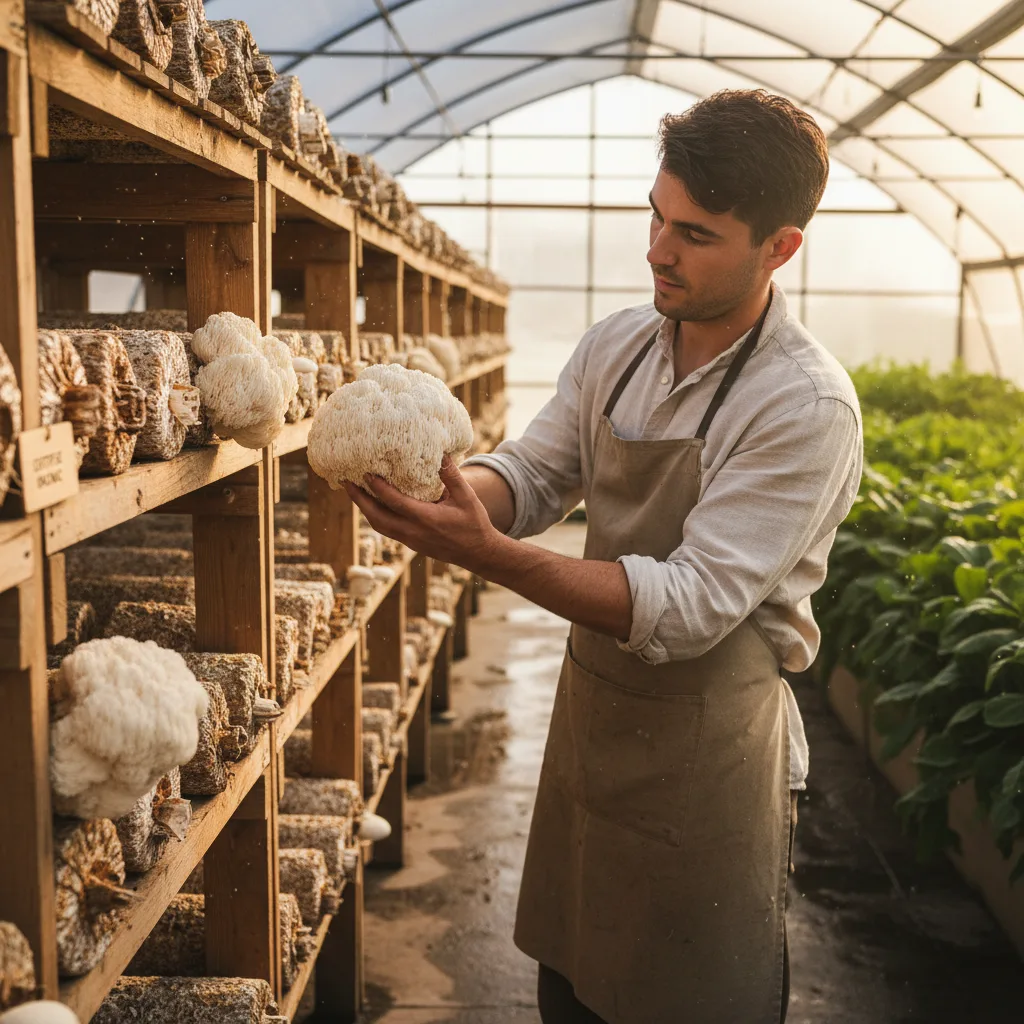
Sourcing your Lion's Mane Mushroom Liquid Extract - Organic 1oz - Brain & Mood from brands that disclose dual extraction using organic solvents ensures you are receiving a truly clean product.
Environmental Impact of Organic Lion's Mane Liquid Extracts
Choosing an organic Lion’s Mane liquid extract isn’t only about what you consume—it’s about the larger environmental footprint:
- Reduced chemical use. Organic cultivation methods avoid synthetic pesticides and fertilizers, protecting local waterways, pollinators, and farmworker health.
- Soil preservation. Organic farming techniques support long-term soil health and prevent erosion.
- Biodiversity focus. Organic-certified mushroom farms promote biodiversity by rotating crops and maintaining natural buffers.
- Energy and resources. Many organic farms utilize resource-sparing practices and renewable energy where possible.
Supporting eco-conscious brands extends to a variety of botanicals. Products like Soursop Leaf Graviola Extract - - Organic 15X Liquid Extract - Cell Renew & Immunity are formulated using similar organic standards and highlight the importance of biodiversity and chemical-free farming across the herbal world.
What to Look for on a Lion's Mane Liquid Extract Label
Navigating mushroom extract labels can feel daunting, but understanding key terms helps you make informed decisions:
- Organic Certification Badges. Look for clear statements and official logos like USDA Organic, EU Organic, or Canada Organic.
- Organic substrate details. The label or product page should specify the growing medium (e.g., “certified organic brown rice substrate”).
- Processing transparency. Seek statements about the extraction process, such as “dual-extracted using organic alcohol and water.”
- Batch testing. Responsible brands often provide information or documentation about third-party testing for purity and identity.
- Country of origin. Transparency about where mushrooms are grown and extracted is another sign of quality.
For those looking to support brain and focus health, choosing Brain & Memory Support - 15X Organic Liquid Extract – Focus & Cognitive Wellness is an easy way to ensure label clarity and ingredient traceability.

Sustainable Sourcing: Beyond the Certification
Organic certification is an essential piece, but ethical consumers also consider the larger context:
Responsible Farming Communities
- Sourcing from farms that support local workers and invest in long-term soil and community health ensures that your Lion's Mane extract supports more than individual wellness.
- Sustainable sourcing partners often participate in fair labor practices and community give-back programs, reaffirming commitments beyond certification.
Transparency and Traceability
- Brands committed to sustainability go beyond regulatory minimums, sharing supply chain information, sourcing practices, and opportunities for consumer education.
- Some brands may even allow individuals to trace extracts down to the farm or cooperative of origin, fostering real connection and trust.
Navigating the Online Marketplace: Online Product Pages and "Organic" Claims
With the boom in plant-based wellness, online marketplaces are crowded with alternatives. Here’s how to spot genuine organic Lion’s Mane liquid extracts:
- Third-party certification logos: Confirm that organic logos on the page link or reference actual certification bodies.
- Ingredient transparency: Authentic products offer full lists of ingredients and growing mediums, with organic status specifically noted.
- Extraction methods stated: Look for mention of "organic alcohol and water" extraction instead of ambiguous solvents.
- Sourcing stories: The best brands share details about their farms, sourcing partnerships, or sustainability investments.
- Contact information and lab results: Access to customer service and independent lab results shows strong brand confidence in transparency.
If you already appreciate the transparency of well-established brands, exploring Papaya Leaf Extract - Organic 1oz 15X Liquid - Blood Platelet adds diversity to your organic plant-based regimen and supports batch-tested product sourcing.
Why Clean, Organic Lion's Mane Liquid Extracts Appeal to Discerning Consumers
Opting for an organic Lion’s Mane extract is more than a buying decision—it's a reflection of personal values:
- Desire for transparency: Knowing exactly how and where a product is grown and prepared promotes peace of mind.
- Responsibility to the environment: Choosing certified organic supports farming methods that safeguard both wellness and the planet.
- Plant-based purity: Many organic extracts are sought out by those following vegan or plant-centered lifestyles, thanks to the absence of added animal-derived or synthetic substances.
Reading Between the Lines: Common Marketing Phrases Explained
- “All Natural” vs. “Certified Organic”: “All natural” is unregulated and may not exclude synthetic inputs; “certified organic” is a legally defined term monitored by independent auditors.
- “No Additives” or “No Fillers”: Ideally, organic Lion’s Mane liquid extracts list only organic mushroom fruiting body, organic alcohol, and water.
- “Sustainably Grown” or “Ethically Sourced”: While promising, always verify if these claims are backed by certifications or transparent sourcing stories.
By getting familiar with these phrases, you can make confident choices whether shopping for Lion's Mane Mushroom Liquid Extract - Organic 1oz - Brain & Mood or a versatile Mushroom Blend - Organic 1oz 15X Liquid Extract - Adaptogens & Brain Power for daily use.
Conclusion: Empowering Informed Choices
Understanding what “organic” means for Lion’s Mane liquid extracts empowers you to select products that reflect your priorities: clean ingredients, environmental responsibility, and authentic transparency. Reading labels and product pages for certifications, growing details, and extraction information is the key.
If you seek assurance and quality in your wellness journey, taking a few extra moments to vet organic claims ensures you’re investing in a Lion’s Mane extract that aligns with your values.
FAQs:
- What does it mean if a Lion’s Mane liquid extract is labeled as organic?
Organic labeling shows that every step from growing the mushroom to extracting the liquid followed certified organic standards—free from synthetic chemicals and focused on sustainability.
- How can I verify the organic status of a Lion’s Mane extract?
Check for official logos like USDA Organic or EU Organic on the label or product page, and look for referenced certification numbers or third-party authentication.
- Why does cultivation method matter for organic Lion’s Mane liquid extracts?
Mushrooms grown on certified organic substrates are traceable and meet the strict standards for organic certification, whereas wild harvesting may lack documentation or consistency.
- What extraction methods are permitted for organic Lion’s Mane extracts?
Certified organic extracts use water and certified organic alcohol—no synthetic solvents or non-organic processing chemicals are allowed.
- How does organic certification affect the environmental impact of Lion’s Mane farming?
Organic certification means fewer synthetic chemical inputs, better soil stewardship, and an overall focus on ecological wellbeing during mushroom cultivation and processing.
- What label details should I look for when shopping for organic Lion’s Mane?
Seek clearly visible organic certification logos, information about the growing substrate, details about the extraction method, and batch testing or country of origin statements.
Author Name:
Herbal Goodness Editorial Team
Author Bio:
The Herbal Goodness Editorial Team specializes in holistic health and superfoods, blending science and nature to educate and empower our community.
Related blogs:
How to Store Bulk Organic Gymnema Leaf Tea for Best Freshness
Soursop Leaf Benefits and Tea Ebook
DIY Graviola (Soursop) Leaf Capsules: How to Make Small-Batch Samples
How to Choose Soursop Bitters Using a Terroir Flavor Map Online
Papaya Leaf Capsule Ingredients: What Else Is in the Formula?
Herbal Goodness Nominated For SXSW Food-Tech Spotlight!
Herbal Non-Alcoholic Drinks: Recipes with Teas, Extracts, and Bitters
5 Amazing Ways to Boost Your Kid’s Gut Health Ebook
Meet Us at Expo West 2013 - Stop by Booth #847
Best Organic Soursop Extract for Botanical Dyes and Homemade Inks