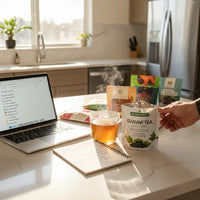





Decoding Online Guava Leaf Tea Listings: A Global Guide to Names, Cuts, and Traditions

Shopping for guava leaf tea online can feel like navigating a global marketplace. Listings are rich with regional names, descriptions of leaf cuts, and cultural brewing advice that can leave both new and seasoned buyers searching for clarity. Whether you're curious about the difference between finely cut and whole guava leaves, or wondering why one product is labeled "Amrood Patta" while another is called "Bayabas Dahon," understanding these terms is essential for making informed, confident purchases. This guide deciphers the vocabulary, regional variations, and traditional preparations that shape the worldwide guava leaf tea experience—helping you compare options, spot premium quality, and discover a tea tradition that suits your taste.
Understanding Guava Leaf Tea: Names and Regional Terms
Guava, scientifically known as Psidium guajava, is a tropical fruit tree whose leaves have long been valued across many cultures for tea. Around the world, guava leaves—and their teas—often appear under different names, shaped by language, geography, and history.
Common Regional Names You’ll Find When Shopping
- Amrood Patta (Hindi / Urdu): Seen in listings from India and Pakistan, this term directly translates to “guava leaf.”
- Bayabas Dahon (Tagalog / Filipino): Widely used in the Philippines, referring to guava leaves often used in traditional herbal teas.
- Feuille de goyave (French): Common in West Africa, the Caribbean, and French-speaking nations.
- Hoja de guayaba (Spanish): Used throughout Latin America, such as in Mexico, Colombia, and the Caribbean.
- Guava Leaf (English): Most frequent in U.S., UK, and Australian online shops.
Knowing that "dahon," "feuille," and "hoja" all mean "leaf" in their respective languages can help buyers connect listings to genuine sources or preparation traditions.
Cultivar and Botanical Precision: How Names Specify Source
Some premium or specialty guava leaf teas reference specific cultivars or growing regions. Listings might mention:
- Red/Pink versus White Guava (e.g., ‘Ruby Supreme’, ‘Mexican Cream’): Refers to the fruit's flesh but may signal the leaf’s origin as well.
- Wildcrafted versus Cultivated: Wildcrafted leaves are harvested from uncultivated trees, often highlighting a traditional or organic source.
When comparing product listings, a mention of the botanical Latin name (Psidium guajava) ensures you’re getting the true guava leaf rather than an unrelated plant used locally.
Guava Leaf Cuts: What “Whole,” “Broken,” or “Powdered” Means for Brewing
Guava leaf teas are offered in various physical forms, each affecting flavor, brewing techniques, and convenience. Knowing these terms helps you choose the most suitable product, whether you want a traditional brewing experience or a quick, easy preparation.
Whole Leaves
- Description: Leaves remain largely intact, preserving shape and aroma.
- Best For: Traditional, ceremonial brewing or those seeking the least processed form.
- Brewing Tip: Often require longer steeping or simmering to release flavor and beneficial plant compounds.
Broken or Cut Leaves
- Description: Leaves are coarsely or finely chopped, sometimes referred to as "tea cut." Sizes range from 1–5mm pieces to larger flakes.
- Best For: Everyday preparation and convenient steeping; releases flavor more quickly than whole leaves.
- Keywords to Spot: Premium listings may specify “precision cut,” “loose leaf,” or “infusion grade.”
Powdered or Crushed Leaf
- Description: Ground to a uniform powder or fine granules.
- Best For: Quick infusions, herbal blends, or use in culinary recipes; ideal for those seeking a more potent taste and shorter brewing time.
- Usage Note: May be packaged in teabags or sold as a standalone powder for direct mixing.
Sourcing Clues: Why Cut Style Matters in Online Listings
Higher quality guava leaf teas often highlight careful processing, such as hand-picked leaves, minimal oxidation, or gentle drying. These phrases can indicate a fresher, more aromatic product, especially for buyers who value premium or organic selections.
- “Sun-dried,” “air-dried,” or “shade dried” suggest methods that preserve the leaf's natural qualities.
- “Hand-selected” often signals greater attention to quality control, which may justify a higher price or speak to artisan production.
Global Traditions: Common Guava Leaf Tea Preparation Methods
Regional tea traditions influence recommendations sellers include in their listings. Understanding these brewing customs helps you replicate authentic flavors and respect cultural heritage.
Steeping (Western/General Method)
- Technique: Add dried whole or cut guava leaves to boiled water; steep 5–10 minutes.
- Why Sellers Recommend: Easy, quick, preserves a mild and pleasant herbal flavor.
Simmering (South Asian / Southeast Asian Method)
- Technique: Place whole or broken guava leaves in boiling water; simmer gently for 10–15 minutes, sometimes up to 30 minutes for a more robust tea.
- Flavor Profile: Produces a deeper color and richer aroma.
- Listing Tip: Sellers may recommend this method for buyers seeking an intense, earthy aroma or traditional experience.
Decoction (Latin American / Caribbean Method)
- Technique: Boil leaves (usually whole or coarsely cut) in water with optional additions like ginger, lemongrass, or citrus peel for 10–15 minutes.
- Tradition: Recipes often draw from family herbal practices passed down through generations.
Cold Brew Infusion
- Technique: Steep guava leaves in cold water for several hours or overnight.
- Popularity: Vulnerable to less bitterness; favored for refreshing summer drinks.
- Listing Clue: May be marketed as "cold infusion ready" or “cold brew guava tea.”
Reading Between the Lines: Clues for Quality and Source
Online guava leaf tea listings often disclose information on sourcing and processing to signal quality. Understanding these markers can help you navigate the range between mass-market offerings and premium, artisan-made teas.
Common Quality Signals
- Organic Certified: Ensures no synthetic chemicals or pesticides in cultivation.
- Non-GMO: Indicates seeds are not genetically modified, aligning with clean-label preferences.
- Single-Origin or Estate-Grown: Points to a specific farm or region, often suggesting traceable quality.
- Fair Trade or Ethical Sourcing: May be important to buyers prioritizing social and environmental impact.
Shop-wise Hints:
- Listings highlighting “leaf only” with no stems or fillers typically offer more potent teas.
- “Premium” or “select grade” reveals a focus on flavor and freshness, though it’s smart to verify with seller reviews or product certifications where possible.
- Note if leaves are “handpicked” or “air-dried”—these details usually speak to gentle handling and better aroma.
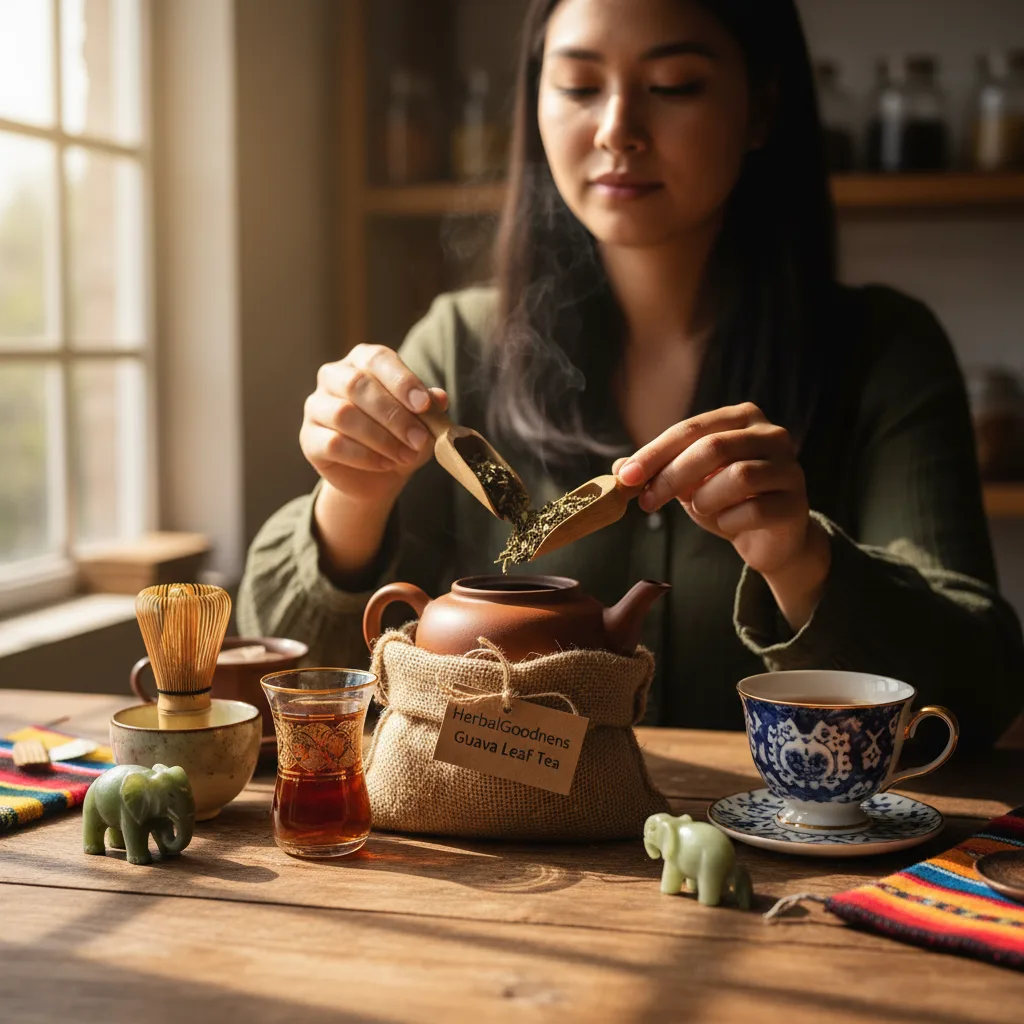
How to Compare Guava Leaf Tea Products Online
Choosing the right guava leaf tea isn’t just about names or cut size—it’s the overall package. Here’s how to weigh listings side-by-side:
- Identify the Leaf Origin: Botanical names, cultivars, and country of origin reveal authenticity and tradition.
- Check the Cut Type: Align cut size with your brewing preferences—whole for slow, ritualistic brewing; cut or powdered for quick convenience.
- Scan for Quality Certifications: Organic, non-GMO, and fair-trade icons add confidence.
- Review Preparation Advice: Is the tea best steeped, simmered, or cold-brewed? Listings with detailed instructions typically cater to buyers seeking an authentic experience.
- Look for Sustainable Sourcing: Brand mentions of sustainable practices (Herbal Goodness’s emphasis on organically grown leaves) align with buyers focused on environmental impact and premium selections.
When shopping, focus on teas labeled as organic and non-GMO for the purest guava leaf experience. Products like Guava Leaf Tea Organic 24 Bags | Immunity & Gut Wellness – Caffeine-Free give you authentic leaves and convenience, providing clear brewing instructions whether you prefer hot or cold drinks. For those seeking versatility, the Guava Leaf Organic 15X Liquid Extract | Immunity & Gut Wellness can be added to recipes, smoothies, or water, making it easy to enjoy guava’s benefits in any routine.

Fans of herbal wellness who enjoy a variety of teas may want to try the Herbal Tea Trio Bundle | Guava, Hibiscus & Avocado – 3 Organic Packs, which offers both guava and other superfood teas in a value pack. Mixing guava leaf tea with Organic Papaya Leaf Tea | 24 Premium Bags – Caffeine-Free is another smart way to refresh your routine with diverse flavor and nutrition profiles.

Why Listing Terms Matter for New Buyers
When shopping for guava leaf tea—especially from global sources—understanding local terms and preparation suggestions gives clarity. It empowers you to:
- Ask the Right Questions: If you see “dahon,” “patta,” or “feuille,” you know these are not blends or flavorings, but genuine guava leaves.
- Spot Premium or Unique Offerings: Look for cultivar names or specialty cuts.
- Make Confident Decisions: Understanding “hand-selected” or “shade-dried” helps distinguish between commodity and artisanal teas.
Enjoying a routine of premium guava tea means you can confidently compare bulk herbal teas and tisanes or focus on convenient bagged options. Opting for quality formulations, such as those found in Guava Leaf Organic 15X Liquid Extract | Immunity & Gut Wellness, ensures purity and potent benefits whether steeped, blended, or sipped cold. If you want to maximize holistic wellness, consider including Organic Papaya Leaf Extract 16oz | 15X Liquid – Best Value Size in your collection for digestive and immune support alongside guava.
Final Words: Empowering Your Guava Leaf Tea Journey
Each online guava leaf tea listing is a mini-story—of local tradition, processing method, and regional pride. By understanding the terms, cuts, and preparations, you turn “window shopping” into an adventure of informed comparison, ready to select a tea that feels both authentic and right for you. Whether you choose a sun-dried whole leaf from India or a precision-cut organic blend grown in Latin America, a well-read listing empowers you to shop for the best guava leaf tea with confidence and curiosity.
Ready to explore the world of guava leaf tea? Use this global guide as your companion when shopping and ordering guava tea online, and discover a tradition that fits your taste, values, and curiosity.
FAQs:
- What are the main regional names for guava leaf tea found online?
Guava leaf tea is sold under names like Amrood Patta in South Asia, Bayabas Dahon in the Philippines, Feuille de goyave in French-speaking countries, Hoja de guayaba in Spanish-speaking regions, and Guava Leaf in English. Recognizing these names helps buyers identify authentic guava leaf tea listings.
- How does guava leaf cut type affect the tea I buy?
Whole leaves often brew more slowly and offer traditional experience, while broken or cut leaves provide easier steeping and fuller flavor release. Powdered forms are convenient for blending or quick infusions. Choose the cut type based on your desired brewing style and convenience.
- What indicates premium quality for guava leaf tea when shopping online?
Premium or organic guava leaf tea listings highlight features such as hand-selection, sun- or air-drying, non-GMO and organic certifications, single-origin sourcing, and eco-friendly harvesting. Terms like 'premium', 'estate-grown', and 'select grade' often signal higher quality products.
- How are guava leaf teas traditionally prepared around the world?
Traditional methods vary by region: Steeping in hot water is common globally, while simmering is favored in South and Southeast Asia. Decoction with spices occurs in Latin America and the Caribbean. Cold brew is rising in popularity for a milder taste.
- Why is it important to understand the vocabulary in online guava leaf tea listings?
Learning these terms helps buyers distinguish true guava leaf tea from blends or unrelated botanicals, compare cut sizes and quality, follow authentic preparation methods, and ask sellers informed questions—making the buying process more transparent and successful.
- Can I find organic and sustainably sourced guava leaf tea online?
Yes. Many listings highlight organic certifications, sustainable harvesting, or fair-trade practices. Brands like Herbal Goodness often mention these features, letting buyers prioritize quality and environmental responsibility when selecting guava leaf tea.
- Where can I shop for premium guava leaf tea with detailed sourcing information?
Look for online retailers and specialty brands with clear descriptions of cut type, origin, sustainability practices, and preparation suggestions. Product transparency helps ensure you receive the best quality guava leaf tea suited to your needs.
Author Name:
Herbal Goodness Editorial Team
Author Bio:
The Herbal Goodness Editorial Team specializes in holistic health and superfoods, blending science and nature to educate and empower our community.
References:
Introducing Graviola to Young Taste Buds: Fun, Family-Friendly Flavor Exploration
Graviola in the Classroom and at Home: Creative Activities to Teach Kids About Tropical Plants
Why Social Impact Matters in Plant-Based Wellness