




Cosmetic or Supplement? What “15X” Beauty Extract Listings Mean

Every day, more people explore the world of plant-based beauty and wellness, finding products like "15X" beauty liquid extracts on store shelves and online marketplaces. But when a label reads “15X,” is it a cosmetic for external use, or a supplement for ingestion? Decoding these categories is not just a matter of curiosity—understanding label clues, intended use, and regulatory status protects your safety and helps you make the right purchase for your needs.
In this guide, we’ll walk you through how to read and interpret '15X' liquid extract labels, spot whether a product is classified as a cosmetic or supplement, and why this matters for testing, storage, and everyday use. By the end, you’ll feel equipped to shop for premium extracts and ask the right questions before buying, ensuring your beauty or wellness regime starts off informed, empowered, and safe.
Understanding '15X' Beauty Liquid Extracts: What Does 15X Actually Mean?
You’ve likely seen “15X” featured prominently on the label of liquid botanical extracts. But what does it represent?
- 15X Indicates Concentration: The term '15X' typically expresses that the resulting extract is 15 times more concentrated than the original plant material. For every one part of the extract, it’s equivalent to 15 parts of the raw plant in terms of soluble compounds.
- No Industry Standard: "15X" is not strictly regulated across the entire wellness market. Its meaning can vary by manufacturer. Always look for further details on how the extract was processed or standardized.
- Concentration and Application: While a stronger extract can be attractive, it raises important considerations about intended use, ingredient compatibility, and dosing. The label’s category — cosmetic or supplement — drastically alters these factors.
If you are seeking a highly concentrated wellness option, products such as the Soursop Leaf Graviola Extract 15X Liquid | Organic Cell & Immunity are formulated for internal use and typically provide clear supplement labeling.
Cosmetic vs. Supplement: Key Label Differences for 15X Extracts
Recognizing whether your '15X' liquid extract is classified as a cosmetic or supplement is vital—labeling directly influences safety, storage, and testing protocols.
Supplements: What to Expect
Supplements are regulated for ingestion. Labels for supplements typically show:
- Serving Size and Directions for Use: Clearly indicates the amount considered typical for adults and how to consume the product.
- Supplement Facts Panel: A boxed section with serving amount, ingredient list, and concentration specifics. ‘Other Ingredients’—like preservatives or carriers—must also be declared.
- Warnings and Storage: Advice about keeping out of reach of children, or specific storage conditions (cool, dark place).
- Certifications (where applicable): USDA Organic, Non-GMO, or third-party testing icons demonstrate a supplier’s commitment to quality.
- Contact Information: Manufacturer’s or distributor’s address or phone number for questions or concerns.
If you see these elements, the extract is classified for internal use—meaning it’s meant to be ingested, measured, and treated as a dietary supplement. For an example of this clarity, Organic Papaya Leaf Extract 16oz | 15X Liquid – Best Value Size displays detailed serving instructions and ingredient transparency for customers.
Cosmetics: What to Expect
Cosmetic extracts are formulated strictly for topical application—on skin or hair—but not meant to be swallowed.
- Directions for External Use: Clearly indicated (e.g., "for topical use only," "apply to skin").
- Ingredient List: Focus on both active botanicals and any added fragrances, solvents, or stabilizers.
- Cosmetic Ingredient Declaration: Listed as "Ingredients" or "INCI (International Nomenclature of Cosmetic Ingredients) List."
- Preservatives: Greater emphasis on shelf-life stabilizers, especially water-based or multi-use products.
- Patch-Testing Instructions: Label often includes caution to conduct a skin patch test to check for sensitivities prior to broader use.
- Batch Codes/Expiration: More likely to see recommendations about opening date and best-by information due to risk of spoilage.
If the label’s terminology, warnings, and ingredient transparency align with these points, your '15X' extract is likely cosmetic-only. Look for blends like Bamboo Leaf 15X Liquid Extract – Silica, Collagen & Biotin which are created to boost skin health through topical formulations, and always check the category before use.
Why the Distinction Between Cosmetic and Supplement Matters
The difference between a supplement and a cosmetic extract is more than just how you use it. The label category changes how the extract is formulated, tested, preserved, and regulated for safety.
Safety Standards and Testing
- Supplements: Must adhere to Good Manufacturing Practices (GMP) for food-grade production. Commonly undergo tests for heavy metals, pesticides, and microbiome impurities. Packaging tends to be food-safe, and preservatives (if present) are suitable for ingestion.
- Cosmetics: Tested for skin compatibility (e.g., irritation, sensitization). May include non-ingestible stabilizers or preservatives that are safe on skin but not in the digestive tract. Storage recommendations can be stricter to prevent product breakdown or contamination.
With some botanical extracts such as Blood Platelet Support with Papaya Leaf | Organic 15X Liquid Extract, manufacturers highlight GMP certification and laboratory testing results, allowing buyers to shop confidently for quality and safety.
Ingredient Transparency and Labeling
- Supplements: Ingredients and exact dosages are tightly regulated. Any "proprietary blend" still must list its constituents but not always quantities. Allergen statements (such as “contains soy” or “produced in a facility with nuts”) are standard.
- Cosmetics: Permitted to use the INCI naming system; sometimes ambiguous for the average shopper. May not declare percentages of plant actives, as efficacy is judged by topical performance, not nutritional value.
Some best quality extracts for sale, including the Radiance Boost 15X Liquid Extract | Skin Beauty & Glow Support, use recognizable INCI lists for ingredient disclosure, simplifying comparison between brands.
Preservatives: Not All Are Created Equal
The preservative systems for supplements and cosmetics can differ:
- In Supplements: Only food-grade preservatives (like citric acid, ascorbic acid, or natural tocopherols) are typically used. Chemical preservatives, like parabens or phenoxyethanol, are avoided in ingestible products.
- In Cosmetics: Certain non-food grade preservatives may be present. These provide stability for topical products but are not intended for ingestion.
Understanding the preservative used guides your choice for intended use—never ingest a product labeled “for external use only.”

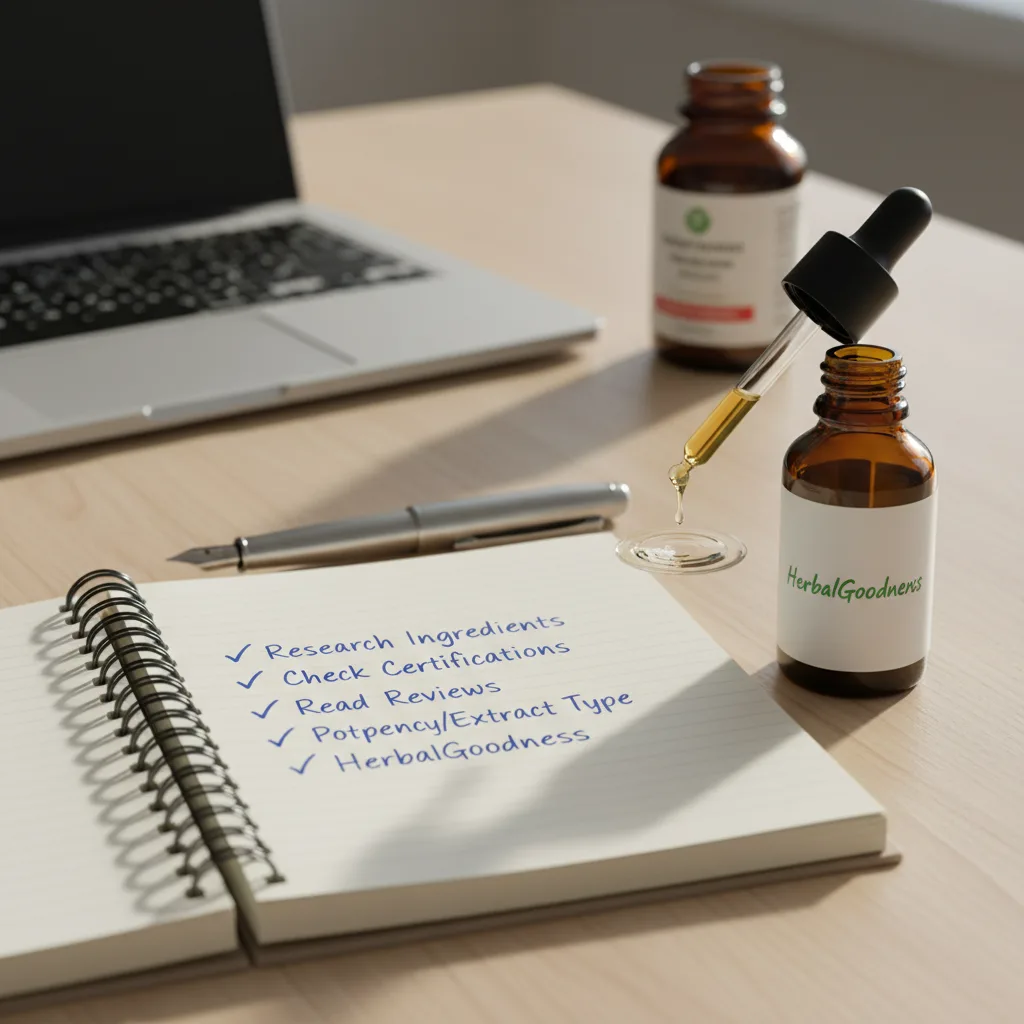
Quick-Reference Guide: Decoding a 15X Liquid Extract Label
If you’re shopping for high-concentration extracts online or in stores, use this checklist to quickly distinguish a cosmetic from a supplement:
- Check for a supplement facts panel.
- Read the usage instructions: Does it say "for internal use" or "for topical use"?
- Identify the ingredient list format: Supplement vs. INCI ingredient standard.
- Look for testing and certification icons.
- Scan for preservative names: Are they food-grade or cosmetic-grade?
- Check for patch-testing or ingestion warnings.
- Is the storage recommendation more like food or like a skin-care cream?
Patch-Testing and Safe Usage: Why Label Category Directly Impacts Use
When using a concentrated extract—whether cosmetic or supplement—proper testing and safe usage are crucial.

For Cosmetic 15X Extracts
- Patch test a small spot on the inner arm before full-face or body use, even with plant-based products.
- Do not ingest. Even if the botanical is edible in other forms, the cosmetic-grade extract could contain non-food-safe ingredients.
- Monitor for changes: Store cosmetic extracts as directed, and discard if texture, color, or scent changes markedly.
To support healthy practices with premium beauty extract formulas, always adhere to these guidelines and refer to trusted products for topical use.
For Supplement 15X Extracts
- Follow serving size instructions: More is not always better with concentrated formulas.
- Check for allergens: Many supplements are manufactured in shared facilities.
- Store appropriately: Most supplements are shelf-stable, but avoid heat, humidity, and direct sunlight to preserve quality.
- Contact seller for COA (Certificate of Analysis) if transparency is important to you.
When you order concentrated extract supplements, such as the Organic Papaya Leaf Extract 1oz | 15X Liquid – Trial & Travel Size, storage and quality standards are clearly described, helping you maintain safety and efficacy.
Practical Questions to Ask Before You Buy a 15X Extract
Before placing an order for any 15X beauty or wellness extract—especially online—arm yourself with these smart questions:
- Is this labeled as a supplement or a cosmetic?
- What is the source of the primary botanical, and what extraction method is used?
- Are all ingredients listed, including any carriers, solvents, or preservatives?
- Is there documentation of third-party testing (e.g., COA or lab reports)?
- Which preservatives and stabilizers are present? Are they food-grade if intended for ingestion?
- What are the storage instructions and shelf life?
- Is it manufactured in a GMP facility for supplements, or is it produced under cosmetic standards?
- If the labeling is unclear, can the seller provide more detail or a picture of the packaging?
For those searching how to buy beauty extract in bulk, consider options like Soursop Graviola Leaf Extract Capsules 10X | 60ct – Cell & Immunity for easy portioning and consistent results.
Why Quality and Category Clarity Matter When Shopping
When you seek premium, organic, or best-quality '15X' extracts for sale, the answers to the above questions play a pivotal role—not just in determining intended use but in ensuring your expectations are met for product safety, effectiveness, and longevity. Whether you intend to buy a 15X extract for your beauty regimen or your wellness supplement routine, reading closely, understanding label clues, and communicating with reputable sellers guarantee peace of mind and satisfied use.
If you’re shopping with a brand like Herbal Goodness, look for clear labeling and transparency about use category, testing, and ingredient disclosure to make an empowered, informed purchase.
FAQs:
- How can I tell if a '15X' beauty liquid extract is a supplement or a cosmetic?
Examine the label for a Supplement Facts panel, serving size instructions, and internal use directions to identify a supplement. Cosmetics typically indicate external use only, list ingredients as INCI names, and may include patch-testing instructions. If the intended use is unclear, contact the seller before you buy.
- Are cosmetic-grade liquid extracts safe to ingest if they're plant-based?
No. Even if an extract is from a botanical traditionally used as food, cosmetic-grade liquids can contain non-food-safe preservatives or carriers. Always use products according to their labeled use category and never ingest external-use extracts.
- What should I ask a seller before I order a concentrated '15X' extract online?
Ask whether the product is cosmetic or supplement, request full ingredient disclosure, inquire about preservatives and testing, check for storage instructions, and look for manufacturing standards like GMP certification. This ensures you shop confidently for best quality and safety.
- Why does it matter if a '15X' liquid extract is classified as a supplement or cosmetic?
The classification impacts formulation, testing, preservatives, and safety protocols. Supplements follow food-grade standards, while cosmetics use topical-safe ingredients. Understanding the difference helps you buy the right product for your intended use and protects your wellbeing.
- Do I need to patch-test all concentrated extracts before use?
Yes, for any topical (cosmetic) 15X liquid extract, always patch-test on a small skin area before full application. This helps you check for sensitivity, even if the product contains traditionally mild botanicals.
- Are all preservatives in liquid extracts safe for both external and internal use?
No. Food-grade preservatives are required for supplements, while cosmetics may use stabilizers only tested for skin contact. Always verify which category a product fits before deciding how to use it.
- What labeling features indicate a premium, best quality extract?
Look for clear category labeling, full ingredient transparency, certifications (like organic or non-GMO), batch numbers, testing information, and responsive customer support. These signals help you identify premium or organic extracts for sale.
Author Name:
Herbal Goodness Editorial Team
Author Bio:
The Herbal Goodness Editorial Team specializes in holistic health and superfoods, blending science and nature to educate and empower our community.
References:
Introducing Graviola to Young Taste Buds: Fun, Family-Friendly Flavor Exploration
Graviola in the Classroom and at Home: Creative Activities to Teach Kids About Tropical Plants
Why Social Impact Matters in Plant-Based Wellness