




Chanca Piedra Near Me: Guide to Local Sellers & Quality Checks

Chanca Piedra Near Me: Guide to Local Sellers & Quality Checks
Searching for "chanca piedra near me" brings up a world of local possibilities, but it can also be a bit overwhelming if you’re just starting out. Whether you heard about this long-valued herb from a friend, your local health food circle, or a wellness podcast, you likely want something that’s easy to find—and easy to trust. In this beginner’s guide, we’ll walk you through where to look for chanca piedra in your area, how to recognize the different forms it comes in, and what to check (and watch out for) when comparing your local options. This is a practical, straightforward resource—no sales pressure, just smart pointers for your search.
Exploring Where to Find Chanca Piedra Locally
If you’re hoping to pick up chanca piedra, the good news is you have a variety of options beyond big-box stores or generic online retailers. Here’s a closer look at some of the best local sources:
Neighborhood Health Food Stores and Herb Shops
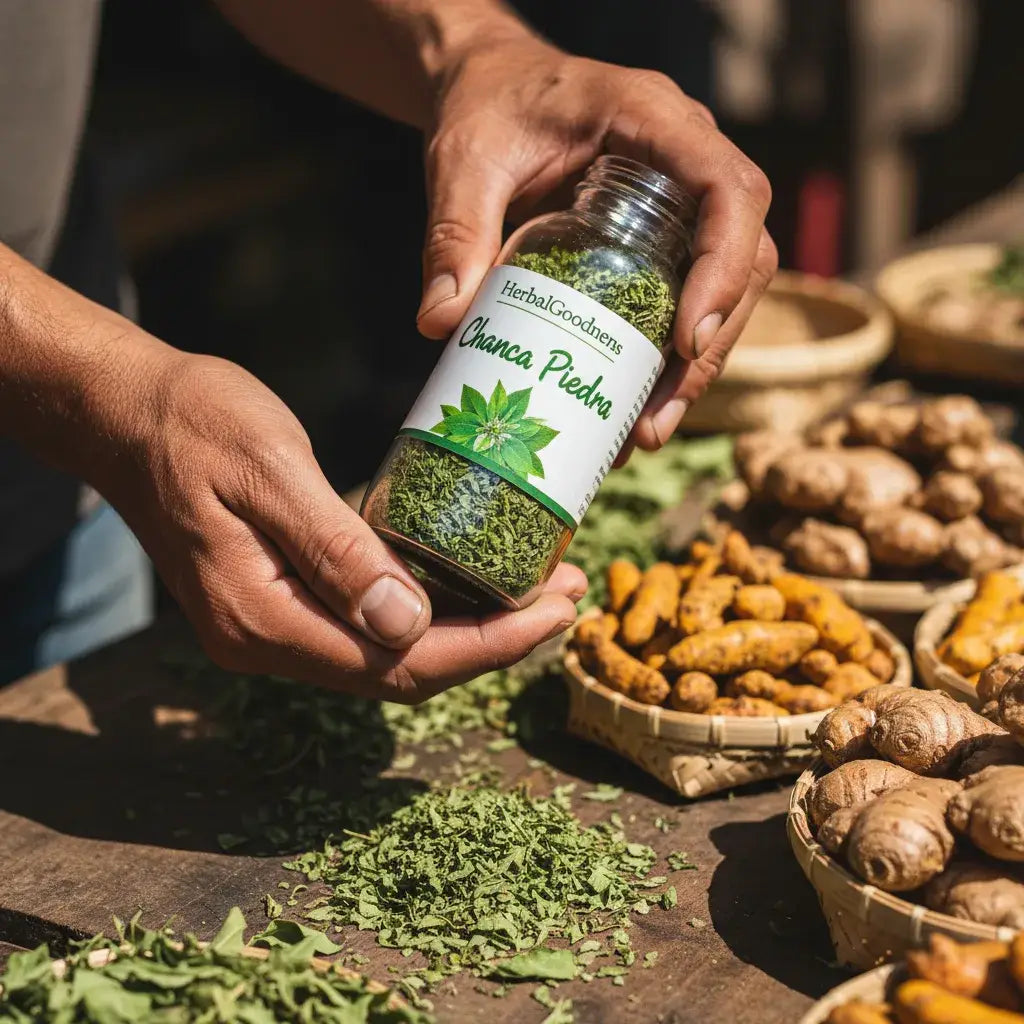
These community-focused outlets are often treasure troves for lesser-known herbs. Many stock chanca piedra in several forms. Employees can sometimes offer guidance, but it’s still wise to check labels closely. Local herb shops may even carry bulk dried leaves, if you’re feeling adventurous.
Pro Tips:
- Ask about their most popular chanca piedra product and why customers choose it.
- Don’t hesitate to ask for samples or recommendations. Staff are often knowledgeable about origin and sourcing.
Co-Ops and Farmers' Markets
Community-owned co-ops and weekend farmers' markets may feature local herbalists or small wellness brands. These vendors sometimes offer chanca piedra as loose leaf, tincture, or encapsulated powder. Buying here supports small-scale growers and sellers—plus, you can often ask them questions directly. For those who appreciate natural wellness staples, you might also find options like Sea Moss - Raw Dried from St Lucia - 8oz Bag - Nature's MultiVitamins at these markets.
Checklist for Co-Ops & Markets:
- Look for vendors able to tell you their product’s origin and processing.
- Consider the freshness—herbs sold this way are sometimes less processed, which appeals to some shoppers.
Ethnic Grocers and Specialty Food Stores
Chanca piedra is traditionally used in parts of South America and Asia. Specialty grocers serving Peruvian, Brazilian, or Southeast Asian communities may offer authentic options, especially as teas or dried leaves. Prices might be friendlier than boutique shops, but you may need to do extra research to read labels not written in English.
What to Watch For:
- Check labeling for botanical name (Phyllanthus niruri).
- Confirm that you’re getting enough product information for peace of mind. Discovering chanca piedra among our Bulk Herbs collection at these grocers is not uncommon.
Local Online Marketplaces and Bulletin Boards
Websites and apps focused on your region—like Craigslist, Nextdoor, or even Facebook Marketplace—sometimes list herbal products from local sellers. Here, it’s crucial to ask questions about sourcing and freshness, and to inspect items in person if possible.
Caution:
- Prioritize sellers with positive ratings and active communication.
- Always meet in public spaces when exchanging products, and double check the packaging.
Independent Wellness Practitioners
Some holistic wellness providers, acupuncturists, or herbalists offer limited stock of trusted herbal supplements, including chanca piedra. They may recommend a particular form that fits your interests, and they often value transparency with sourcing. If you want a professional perspective, a Personal Consultation with Herbalist or Health Coach could help you navigate local selections.
Getting to Know Chanca Piedra Product Forms
Once you locate a potential seller, you may be surprised by how many versions of chanca piedra are on offer. While options might be more basic at ethnic groceries, health food stores and herbalists generally provide several forms:
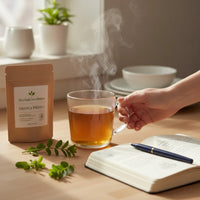
Dried Leaves and Loose Tea
- Preparation: Traditionally steeped as an herbal infusion.
- Why Choose: Closest to the plant’s natural state; appeals to those who enjoy brewing tea and value simplicity.
- Considerations: Preparation requires a bit more effort. Look for whole leaves (not crumbled to dust). Aroma should be fresh and earthy, not musty or old. For related herbal tea options, our organic herbal teas can sometimes include traditional botanicals alongside chanca piedra.
Tea Bags
- Preparation: Convenience version of loose tea, sometimes blended with other herbs.
- Why Choose: Quick and easy for home or work. Portion size is more controlled.
- Considerations: Double-check for unnecessary additives. Check that chanca piedra is the primary ingredient.
Capsules
- Preparation: Swallowed whole, often containing powdered leaf or whole herb.
- Why Choose: Straightforward dosing and portability. Good for those who don’t enjoy herbal teas.
- Considerations: Check for fillers and excipients, and ensure each capsule clearly lists chanca piedra content. If you’re interested in other single-herb encapsulated blends, Stone Breaker Chanca Piedra - Capsules 10X Extract 60/600mg - Kidney Health is a top-rated example.
Liquid Extracts and Tinctures
- Preparation: Usually taken by dropper, diluted in water or other beverages.
- Why Choose: Fast and flexible dosing; some believe extracts preserve plant compounds well.
- Considerations: Tinctures sometimes use alcohol as a base—look for non-alcoholic versions if needed. Read ingredient lists for unnecessary additives.
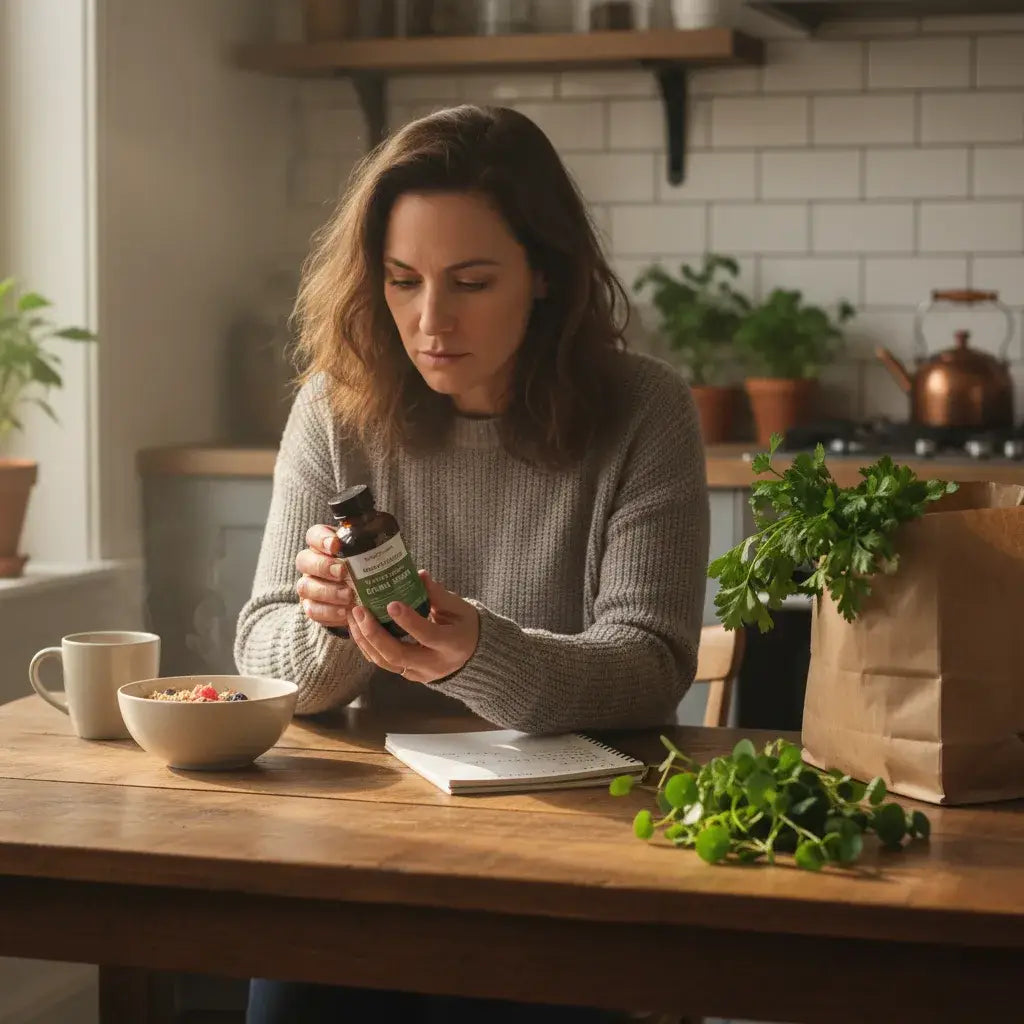
Among liquid tinctures, Stone Breaker Chanca Piedra - 15X Liquid Extract - Kidney Health stands out for its focus on kidney and urinary wellness, a traditional use for this herb.
Powders
- Preparation: Can be stirred into smoothies or sprinkled on foods.
- Why Choose: Adaptable for recipes and easy to integrate into daily routines.
- Considerations: Watch for blends—some powders are mixed with other ingredients or sweeteners.

How to Read Labels: What’s Essential and What’s a Red Flag?
Navigating herbal supplement labels can feel daunting. Here’s a simple breakdown to help you sort the best from the rest, whether you’re in a physical shop or browsing a local listing.
Crucial Information to Look For
- Botanical Name: Look for “Phyllanthus niruri” on the label. This confirms real chanca piedra rather than a substitute.
- Ingredient Breakdown: Ideally just chanca piedra, or note if it’s part of a blend.
- Source & Origin: Look for sourcing details (country, wildcrafted vs. cultivated).
- Manufacturing Date & Expiry: Freshness matters; avoid products past expiration.
- Certification: If organic, non-GMO, vegan/vegetarian, or gluten-free is important to you, check for third-party marks. Some brands of Sea Moss - Raw Dried from St Lucia - 8oz Bag - Nature's MultiVitamins deliver transparency on their testing and quality.
- Dosage Instructions: Clear dosing info makes usage simpler and safer.
- Batch or Lot Number: Shows quality-tracking and accountability.
Red Flags and Quality Concerns
- Vague Ingredient Lists: If chanca piedra is not clearly named, be skeptical.
- Missing Origin Info: Products with no sourcing details may not meet transparency standards. Reputable sellers of our Bulk Herbs collection usually provide this detail.
- No Expiry Date: Freshness can’t be verified if this is missing.
- Unusual Additives: Artificial colors, preservatives, or excess fillers point to lower standards.
- Claims That Sound Too Good: Responsible sellers use cautious, honest language about traditional uses, rather than promising guaranteed results.
Questions to Ask Before Buying
Here’s a quick checklist for confident decision-making as you evaluate sellers in your neighborhood:
- How is the chanca piedra sourced and processed?
- Are there any third-party lab tests available? Consultations or Personal Consultation with Herbalist or Health Coach can aid you here if in doubt.
- Is the ingredient list short and straightforward?
- Do staff/owners provide clear, easy-to-understand answers?
Supporting Local and Making the Most of Your Search
Choosing to buy chanca piedra from local sellers often fosters a direct connection to your community and the people behind your supplements. Ask questions, trust your instincts, and don’t hesitate to compare a few stores or vendors before deciding.
Exploring Freshness and Batch Quality
Smaller vendors, such as local herbalists or co-ops, may rotate their stock more frequently or even process chanca piedra in small batches, which can be a quality plus. However, always request manufacturing or harvest dates and inquire about storage methods. Markets that stock multiple staples might carry both chanca piedra and Stone Breaker Chanca Piedra - Capsules 10X Extract 60/600mg - Kidney Health for those preferring capsules.
When Online May Also Be Local
Remember, some online shops are actually brick-and-mortar stores in your town. Call or email to ask if they offer local pickup, or have partnerships with nearby wellness studios. This can save shipping fees and help you check the product’s quality in person before handing over your cash.
Weighing Price and Value
Chanca piedra pricing can vary, but ultra-cheap products should raise questions. Quality herbs require care in harvesting and handling. Look for fair pricing backed by clear information and attentive customer service. This is true for all superfoods and herbal blends, including Sea Moss - Raw Dried from St Lucia - 8oz Bag - Nature's MultiVitamins and popular herbal teas.
Closing Thoughts
Navigating the local landscape for chanca piedra is an empowering step toward holistic living. By scouting out neighborhood shops, specialty markets, and co-ops, and by learning to read labels and ask the right questions, you can approach your search with confidence and clarity. No matter where you source your chanca piedra, knowledge is your best ally for making choices you feel good about.
FAQs:
- Is chanca piedra easy to find in local stores?
Chanca piedra is increasingly available in health food stores, natural markets, and ethnic grocers, especially those with a focus on herbal wellness. Checking in advance by phone or searching local listings can help you locate nearby sellers.
- What’s the best product form for beginners?
Beginners often appreciate capsules or tea bags, which are simple to use and dose. However, those interested in traditional preparations might enjoy loose-leaf tea, and others may prefer tinctures for flexibility. The best form depends on your lifestyle and preferences.
- Are local products as good as online brands?
Local products can be high quality, especially if sourced from reputable vendors. Always check for clear labeling, freshness, and transparency about sourcing. Many local shops prioritize quality and small-batch care.
- How do I spot low-quality chanca piedra?
Watch for vague ingredient lists, lack of sourcing information, no expiry date, and unnecessary additives. Trustworthy products clearly state the botanical name and provide essential quality details.
- Can I ask to see lab results for herbal products?
It’s reasonable to ask vendors about third-party testing or quality assurance practices. While not all small sellers have formal lab reports, transparency in answering your questions is a good sign.
- What questions should I ask local sellers?
Great questions include: 'Where is this chanca piedra sourced?', 'How fresh is this batch?', 'Are there any fillers?', and 'Do you have information on quality control?'
- Are there any risks with buying chanca piedra from markets?
As with any herbal purchase, it’s important to check product freshness, labeling, and vendor reputation. Choose sellers who value clear communication and provide ingredient or origin details.
Author Name:
Herbal Goodness Editorial Team
Author Bio:
The Herbal Goodness Editorial Team specializes in holistic health and superfoods, blending science and nature to educate and empower our community.
References:
Introducing Graviola to Young Taste Buds: Fun, Family-Friendly Flavor Exploration
Graviola in the Classroom and at Home: Creative Activities to Teach Kids About Tropical Plants