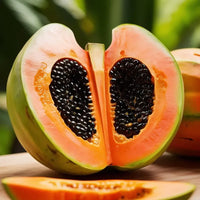





Can Dogs Eat Papaya? Safe Preparation, Portions, and Feeding Tips

If you've been snacking on fresh papaya and your pup gave you those irresistible eyes, you may be wondering: can dogs eat papaya? The short answer is yes — papaya is safe for dogs in moderation, and it can even offer some notable nutritional benefits. But there are important guidelines to follow to keep your furry friend safe.
Let's cover everything you need to know about feeding papaya to your dog: the benefits, the risks, how to prepare it, how much to give, and what parts to avoid.
Is Papaya Safe for Dogs?
Yes — plain, fresh papaya (the ripe fruit flesh) is safe for most dogs. Papaya is not on the ASPCA's list of toxic foods for dogs, and many veterinarians consider it a healthy occasional treat when prepared correctly.
The key is in the preparation. While the flesh is safe, certain parts of the papaya plant can be harmful to dogs. Here's a quick breakdown:
| Part of Papaya | Safe for Dogs? | Notes |
|---|---|---|
| Flesh (ripe) | ✅ Yes | In moderation; remove seeds and skin |
| Seeds | ❌ No | Contain trace cyanide compounds; always remove |
| Skin/Peel | ❌ No | Difficult to digest; may cause stomach upset |
| Dried papaya | ⚠️ Occasionally | Higher sugar concentration; give sparingly |
| Unripe green papaya | ⚠️ Caution | Higher latex content; may cause digestive upset |
Why Do Dogs Like Papaya?
Many dogs enjoy papaya because of its naturally sweet taste and soft texture. Unlike some fruits that can be tart or difficult to chew, ripe papaya is juicy, easy to digest, and often appealing to dogs of all ages.
Because papaya contains natural sugars, it should still be offered as an occasional treat rather than a daily staple. When fed in moderation, it can be a healthy alternative to highly processed dog treats.
Nutritional Benefits of Papaya for Dogs
Ripe papaya is rich in nutrients that can benefit dogs just as they do humans:
Digestive Enzymes (Papain)
Papaya contains papain, a natural proteolytic enzyme that helps break down proteins. This can be particularly helpful for dogs with sensitive stomachs or digestive issues. Papain works similarly to the digestive enzymes dogs' bodies produce naturally.
Vitamin C
While dogs produce their own vitamin C (unlike humans), additional dietary vitamin C from fresh fruits like papaya can provide antioxidant support, particularly for older dogs or those under physical stress.
Vitamin A and Beta-Carotene
Papaya is a good source of beta-carotene, which converts to vitamin A in the body. Vitamin A supports healthy eyesight, skin, and immune function in dogs.
Fiber
The fiber in papaya can support healthy digestion and regular bowel movements in dogs. This is particularly helpful for dogs prone to occasional constipation.
Folate and Potassium
These essential nutrients support heart health, muscle function, and cellular health in dogs.
Antioxidants
Papaya's rich antioxidant profile helps fight oxidative stress in dogs, supporting longevity and overall health.
Can Papaya Help a Dog's Digestion?
One reason papaya has gained attention among pet owners is its naturally occurring enzyme called papain.
Papain helps break down proteins and supports normal digestive processes. While papaya should not replace veterinary treatment for digestive issues, many pet owners choose it as a gentle fruit treat for dogs with occasional digestive discomfort.
Combined with its fiber content, papaya may help support healthy digestion when included as part of a balanced diet.
How to Feed Papaya to Your Dog: Step-by-Step
- Choose a ripe papaya. Look for papaya with yellow-orange skin and soft but not mushy flesh.
- Wash the outside thoroughly before cutting.
- Remove all seeds. This is non-negotiable — papaya seeds contain trace amounts of cyanogenic compounds and should never be given to dogs.
- Peel the skin completely. The skin is tough to digest and may irritate your dog's stomach.
- Cut into small, bite-sized pieces appropriate for your dog's size.
- Offer as an occasional treat, not as a meal replacement.
How Much Papaya Can Dogs Eat?
Treats (including fresh fruit) should generally make up no more than 10% of your dog's daily caloric intake. Here are rough guidelines by dog size:
| Dog Size | Suggested Portion |
|---|---|
| Small (under 20 lbs) | 1–2 small pieces (about 1 inch cubes) |
| Medium (20–50 lbs) | 3–5 pieces |
| Large (50+ lbs) | A small handful (up to ½ cup) |
Always introduce new foods slowly and watch for signs of digestive upset (loose stools, vomiting, or lethargy). If your dog has weight concerns, consult your veterinarian before adding fruit treats — papaya's natural sugar content may be a consideration.
Quick Answer: Can Dogs Eat Papaya?
Yes, dogs can eat ripe papaya in moderation. The fruit flesh is safe and provides vitamins, antioxidants, fiber, and digestive enzymes. However, papaya seeds and skin should always be removed before serving because they may cause digestive issues and other health concerns.
Frequently Asked Questions: Can Dogs Eat Papaya?
Can dogs eat papaya seeds?
No. Papaya seeds should never be given to dogs. They contain trace amounts of cyanogenic compounds and can cause digestive upset or more serious issues. Always remove all seeds before offering papaya to your dog.
Can dogs eat dried papaya?
Dried papaya is technically safe but should be given very sparingly. The drying process concentrates sugars significantly — a small piece of dried papaya contains much more sugar than the same amount of fresh papaya. High sugar intake can contribute to dental issues imbalances in dogs.
Can puppies eat papaya?
Yes, puppies can eat small amounts of ripe papaya flesh (with seeds and skin removed). However, puppies have more sensitive digestive systems, so start with a very small piece and monitor for any reaction before offering more.
Is papaya good for dogs with digestive issues?
Potentially yes. The natural papain enzyme in papaya may help support protein digestion in dogs with sensitive stomachs. Some holistic veterinarians recommend papaya as a gentle digestive aid. However, if your dog has chronic digestive problems, consult your vet before making dietary changes.
Can dogs eat papaya leaf?
Papaya leaf products designed for humans (such as papaya leaf tea or extract) are generally not recommended for dogs without veterinary guidance, as the concentration of active compounds like papain is much higher than in the fruit flesh. Always consult your vet before giving your dog herbal supplements.
What other fruits can dogs eat safely?
If your dog enjoys papaya, you may also consider these dog-friendly fruits:
- Blueberries
- Strawberries
- Watermelon (without seeds or rind)
- Apples (without seeds or core)
- Bananas
- Mango (without pit or skin)
- Pears (without seeds)
As with papaya, all fruits should be introduced gradually and served in moderation.
Looking for Premium Papaya Wellness Products?

While fresh papaya can be a healthy occasional treat for dogs, many people explore papaya-based wellness products for their own daily routines.
At Herbal Goodness, we offer a range of premium papaya leaf products crafted from carefully sourced ingredients and designed to support your wellness goals.
Explore our collection of papaya teas, extracts, capsules, and seed powders to discover the benefits of this remarkable tropical plant.
Papaya for Humans: The Herbal Goodness Difference
While your dog can enjoy an occasional piece of fresh papaya as a treat, the real nutritional powerhouse is in papaya leaf — which is used by people around the world to support platelet health, immune function, and digestive wellness.
At Herbal Goodness, we specialize in premium papaya leaf products for human wellness:
- Organic Papaya Leaf Tea — a gentle, caffeine-free daily ritual for platelet and immune support
- Organic Papaya Leaf Extract 16oz (15X Liquid) — our best-value, concentrated papaya leaf extract
- Papaya Leaf Extract Capsules 600mg — convenient, standardized capsules for daily use
- Organic Papaya Seed Powder — for gut cleanse and digestive support
Papaya is one of nature's most versatile superfoods. Whether you're sharing a small piece with your pup as an occasional treat or supporting your own wellness with concentrated papaya leaf extract, this remarkable tropical fruit has something to offer.
Discover our full papaya collection here:
https://herbalgoodnessco.com
Related blogs:
References
- ASPCA Animal Poison Control – Food Safety for Pets
- American Kennel Club (AKC) – Safe Fruits for Dogs Guide
- PetMD – Can Dogs Eat Papaya? Veterinary Nutrition Insights