





Calendula for Self-Care: Traditional Uses, Preparations, and How to Choose Quality Formats

Calendula, also known as pot marigold, is a staple in both historical and contemporary herbal toolkits. With its vibrant orange-yellow blossoms, calendula has long been appreciated in folk traditions for its gentle, versatile nature. Today, many people are rediscovering this sunny botanical’s place in botanical self-care routines. This guide will explore calendula for self-care, dive into how it’s traditionally used, compare the most common preparations (teas, infused oils, alcohol-free tinctures, and topical salves), and provide step-by-step tips for preparing simple calendula products at home. We’ll also cover how to read product labels, what to look for in organic and clean calendula formats, and offer basic safety considerations like patch-testing.
Calendula in Herbal Traditions: How It’s Been Used for Self-Care
Calendula’s place in herbal self-care is rich with cultural history. Across Europe and beyond, its petals have been valued for supporting the natural essentials of daily skincare and general well-being. Historically, calendula petals were often used as:
- Infusions (Teas): Traditionally sipped as a gentle botanical tea.
- Infused Oils and Salves: Used topically in folk practices, these preparations supported day-to-day comfort and skin balance.
- Alcohol-Free Tinctures: Valued in certain herbal traditions for their versatile application, especially for those sensitive to alcohol.
While science continues to explore the full spectrum of calendula’s bioactive compounds, its folk uses persist in modern self-care for their warm, approachable nature. Introducing bulk herbs & roots online for tea, tinctures & DIY wellness - organic 4oz bags into your herbal routine draws on centuries of gentle tradition.
Comparing Common Calendula Preparations: Tea, Oil, Tincture, and Salve
Calendula is available in several preparations, each with its own traditional uses and unique characteristics. Understanding these differences helps you tailor your self-care approach to your needs.
Calendula Tea
Calendula tea is typically made from dried petals steeped in hot water. It has a subtle, earthy flavor, sometimes described as mildly sweet. Traditionally, this infusion has been enjoyed as a gentle botanical beverage for daily use. Ready-to-steep tea bags and loose petals are available for those who prefer a DIY approach.
Key Points:
- Mild, floral flavor; easy to prepare.
- Traditionally consumed for day-to-day herbal self-care.
- Choose organic, pesticide-free petals for steeping. Those interested in a wider variety may also want to try bulk loose leaf teas & tisanes - organic 4oz - herbal wellness teas as an herbal tea option.
Calendula Infused Oil
Calendula oil involves steeping dried petals in a carrier oil like olive or sunflower oil over several weeks. The oil is then strained and used topically as a gentle skin-supporting oil, ideal for massaging into the skin after bathing or as a base for homemade creams.
Key Points:
- No alcohol; gentle enough for sensitive skin.
- Common as a base for making salves and balms.
- Look for cold-infused oils—these often best preserve the subtle botanical compounds from calendula.
Alcohol-Free Calendula Tincture
While many botanical tinctures use alcohol, alcohol-free options are available, especially for those wanting a gentler or more child-friendly format. These are most often made with vegetable glycerin. Alcohol-free calendula tinctures are typically used internally or with drops added to beverages, depending on individual needs and personal preference.
Key Points:
- Mild, sweet flavor from glycerin.
- Flexible format for people avoiding alcohol. Kids plant-based supplements - 1oz - organic 15X liquid extract - focus, calm, sleep, tummy offer alcohol-free, botanically focused options for families seeking gentle formulas.
Calendula Salve
Calendula salves are thick, ointment-like blends typically made by mixing infused calendula oil with natural waxes such as beeswax. This format is valued for its long-lasting, emollient texture, making it a popular support in daily skin routines.
Key Points:
- Rich, protective texture; excellent for gentle topical applications.
- Ideal for hands, elbows, feet, or sensitive skin areas. The beauty builder liquid extract 15X – skin support & collagen wellness formula may be explored for additional skin nourishment in your routine.
- Choose salves with minimal, clean ingredients and no added fragrances or fillers.
How to Prepare Calendula Remedies at Home: Simple Steps for Everyday Self-Care
Crafting simple calendula preparations at home is approachable and rewarding. Here are step-by-step guides for the most popular self-care uses.
Preparing Calendula Tea
- Gather Ingredients: Use 1–2 teaspoons of dried organic calendula petals per cup.
- Steep: Pour boiling water over petals, cover, and steep for 10–15 minutes.
- Strain and Enjoy: Strain petals before drinking. Optionally add honey or lemon for flavor.
Making Calendula Infused Oil
- Fill a clean glass jar halfway with dried organic calendula petals.
- Add your chosen carrier oil (olive or sunflower oil) to submerge petals completely.
- Seal and store in a sunny spot for 4–6 weeks, gently shaking every few days.
- Strain through cheesecloth into a clean bottle. Store in a cool, dark place.
Crafting a Simple Calendula Salve
- Combine 1 cup calendula-infused oil with 2 tablespoons natural beeswax in a double boiler.
- Warm gently until wax melts, stirring well.
- Pour into clean tins or jars. Let cool and solidify before using.
Alcohol-Free Calendula Extract
Most alcohol-free extracts use vegetable glycerin as a base. For safety and consistency, it’s generally recommended to choose ready-made, organic glycerite tinctures unless you are well-versed in home herbal extraction methods. For quality, organic herbal extracts the radiantly good looking - 2fl.oz - skin & anti-aging liquid offers a botanically focused choice for those who appreciate herbal blends.
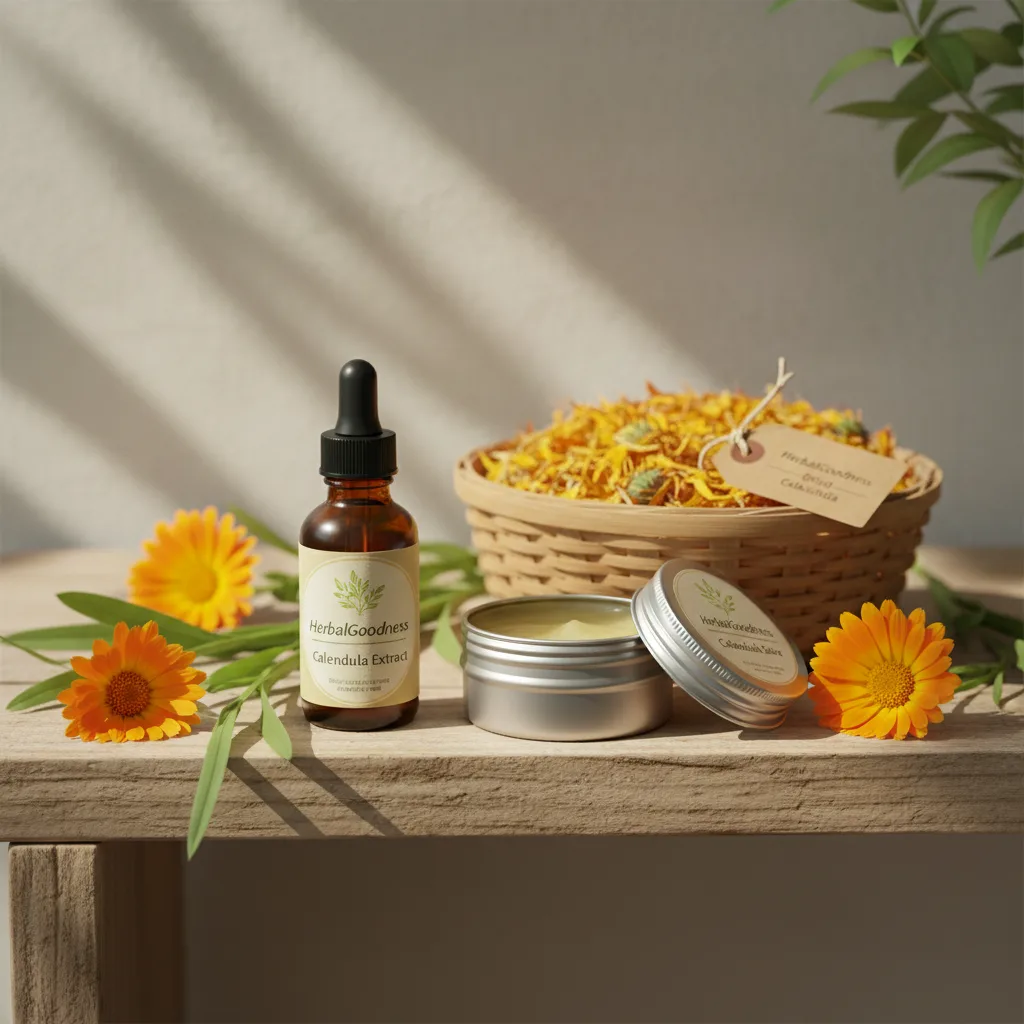
Understanding Clean, Organic Calendula: Reading Labels and Choosing Wisely
When using calendula for self-care, ingredient purity is especially important. Here’s how to read labels and make informed decisions about calendula teas, oils, tinctures, and salves:
- Organic Certification: Look for USDA Organic or other third-party certifications ensuring petals are grown without synthetic pesticides or herbicides. You’ll find such standards in the wellness tea blends – 4oz organic premium herbal infusions collection.
- Simple, Recognizable Ingredients: Opt for products with minimal ingredient lists—avoid artificial fragrances, petroleum-based additives, and synthetic colors.
- Type of Carrier Oils: For infused oils and salves, check if the carrier oil is also organic and cold-pressed.
- Glycerin Source: If choosing an alcohol-free tincture, look for labels specifying vegetable glycerin, ideally certified organic.
- Packaging: Dark blue or amber glass bottles help slow oxidation and preserve herbal properties. Organic formats like the bulk herbs & roots online for tea, tinctures & DIY wellness - organic 4oz bags often come in eco-conscious packaging.
- Shelf Life and Storage: Choose brands such as Herbal Goodness that emphasize freshness and provide clear guidance on storage and expiration dates.

Basic Safety Tips: Calendula Patch-Test and Everyday Use
Calendula is generally considered gentle and well-tolerated for most people, but as with any botanical, it’s wise to take a few simple precautions:
- Patch Test: Before widespread topical use, perform a patch test by applying a small amount of calendula oil or salve to the inner forearm. Wait 24 hours to observe any sensitivity. For those seeking natural, everyday hydration, the beauty builder liquid extract 15X – skin support & collagen wellness formula may complement self-care with supportive botanicals.
- Consultation: If you are uncertain about how a new botanical will fit into your personal wellness routine, seek guidance from a qualified wellness provider, especially when considering internal use formats. For added support, you might consider a personal consultation with herbalist or health coach to discuss your unique needs.
- Child Use: Calendula is often chosen for its gentle profile, but always err on the side of caution when introducing botanicals to children or those with sensitive skin.

Calendula’s Ongoing Role: Bridging Folk Tradition and Modern Self-Care
The resurgence of calendula in self-care is more than a fleeting trend—it’s a return to longstanding herbal wisdom. Whether it’s the ritual of brewing a golden cup of calendula tea or the simplicity of massaging infused calendula oil into the skin, integrating calendula into your daily habits honors both tradition and modern standards of botanical purity.
For those starting out, keep things simple. Select one or two preparations that resonate with your needs and comfort level. Remember, the quality of the ingredients and your mindful intention matter as much as the preparation itself. Herbal Goodness gift card makes it easy to introduce clean, organic botanicals and encourages self-discovery for those exploring wellness rituals.
Building a Calendula Self-Care Ritual
Incorporating calendula into your self-care routine brings an element of ritual and warmth to everyday wellness. Consider:
- Sipping a gentle calendula tea in the evening as part of your wind-down routine
- Applying calendula-infused oil after your shower to support skin comfort
- Using calendula salve on hands after gardening or household chores
Even small, consistent steps can bring a sense of connection and presence to your daily self-care. For those seeking an approachable yet time-honored herb, calendula offers both simplicity and tradition.
Consider weaving calendula into your self-care rituals with clean, thoughtfully sourced ingredients and mindful preparations.
FAQs:
- What are the main traditional uses of calendula for self-care?
Calendula is traditionally valued for its gentle approach to daily self-care, such as supporting natural skin comfort, providing a relaxing beverage, or as a base for topical salves and oils used in folk traditions.
- How do I perform a patch test with calendula products?
Apply a small amount of calendula oil or salve to the inner forearm and wait for 24 hours. If no sensitivity appears, it is generally considered fit for broader use.
- What is the easiest calendula remedy to make at home?
Calendula tea is the simplest to prepare—steep 1–2 teaspoons of dried petals in hot water for 10–15 minutes, then strain and enjoy.
- Are all calendula products alcohol free?
No, some tinctures use alcohol, while others use vegetable glycerin. Choose alcohol-free versions if you prefer gentler formats or are sensitive to alcohol.
- Why is organic certification important for calendula products?
Organic certification helps ensure that calendula petals and carrier oils are grown and processed without synthetic chemicals, aligning with a clean, botanically focused self-care practice.
- What should I look for on a calendula product label?
Choose products with short, recognizable ingredient lists, organic certifications, cold-pressed carrier oils, and packaged in dark glass for best preservation.
Author Name:
Herbal Goodness Editorial Team
Author Bio:
The Herbal Goodness Editorial Team specializes in holistic health and superfoods, blending science and nature to educate and empower our community.