





Calamus Root and Digestion: Traditions, Flavor, Preparation, and Safety

Curiosity about the roots of herbal traditions can lead to some fascinating discoveries—especially when the herb in question has as rich a history as calamus root. If you’ve found yourself intrigued by calamus root and digestion, you’re in good company. Across the world, calamus root has caught the interest of herbalists, traditional healers, and flavor seekers alike. This beginner’s guide is designed to introduce you gently to the traditions, unique flavor, popular preparations, and important safety cues associated with calamus root, so you can explore this ancient botanical with knowledge and confidence.
What Is Calamus Root? A Historical Perspective
Calamus root, also known as Acorus calamus, has been referenced in some of the oldest herbal texts from Asia and Europe. Its slender, sweet-flag foliage and aromatic rhizomes have granted it a presence in spiritual rituals, medicinal cabinets, and even culinary recipes for thousands of years. Many traditions throughout India, China, the Middle East, and North America have relied on calamus for its unique properties, particularly its historical association with the digestive process and flavor enhancement.
Ancient Uses: Where and How Calamus Root Was Used
- Ayurveda: Traditional practitioners in India have valued calamus root as an ingredient in digestive formulas and as an aromatic spice.
- Traditional Chinese Herbalism: It has found a place in historical blends, valued for its warm, pungent profile.
- European Folk Traditions: In Western herbalism, calamus was once a staple for flavoring and digestive support blends.
- Indigenous Uses: Native American communities are documented to have utilized calamus as a chewing root.
The root’s versatility and strong cultural symbolism have helped it maintain relevance across these diverse traditions, but it is always wise to remember that approaches, preparations, and beliefs vary from culture to culture.
The Flavor of Calamus: Aromatic, Bittersweet, and Complex
Experiencing calamus root for the first time is a truly sensory affair. Its scent is earthy, spicy, and slightly bitter, while its taste offers a unique blend of warm bitterness, subtle sweetness, and hints of ginger or cinnamon. Herbalists often describe the flavor as intensely aromatic, akin to sweet flag and peppery root—a bold base note in any blend.
- Aromatic qualities: Distinct from many other roots, calamus delivers a full-bodied aroma, noticeable even when dry.
- Bittersweet notes: Its taste profile shows up best in teas and tinctures where the subtleties can be appreciated.
- Flavor combinations: Calamus pairs well with warming herbs like ginger, cinnamon, and cardamom in traditional preparations.
Understanding the taste is important, not only to appreciate calamus on its own but also to know how it might complement other botanicals if you explore blends. Herbal blending is a wonderful way to balance flavors and boost the properties of your teas. For example, incorporating botanicals celebrated for their digestive benefits—such as Papaya Leaf Extract 16oz – Organic 15X Liquid Papaya Leaf Herbal Supplement—brings both tradition and modern wellness together in the cup.
Traditional Uses of Calamus Root for Digestion
Throughout history, calamus root has held an honored place in digestive herbalism. Many traditional wellness systems turn to calamus for its association with the body’s ability to process flavors and support ritual after-meal experiences. While modern science continues to explore these traditional perspectives, many cultures have prized calamus for use after large or celebratory meals.
- After meals: Calamus has traditionally appeared in infusions or chews after eating to mark special occasions.
- Ingredient in bitters: It is often used in classic herbal bitters—a category of blends prized for their support of digestive rituals in Europe and Asia.
- Flavor enhancer: Herbal cordials and elixirs sometimes rely on calamus for aromatic and bitter notes that balance sweeter flavors.
It’s common to seek alternatives or companions to calamus root in herbal blends, especially those focused on digestive wellness. Products such as Belly Bliss Liquid Extract - Digestive Support complement these traditions superbly.
Methods of Preparing Calamus Root
If you’re considering learning more about calamus root by tasting or preparing it, there are several customary methods, each with its own merits. Traditional preparations focus on drawing out the root’s distinct flavor while honoring its established role in ceremonies and folk remedies.
Calamus Root Tea
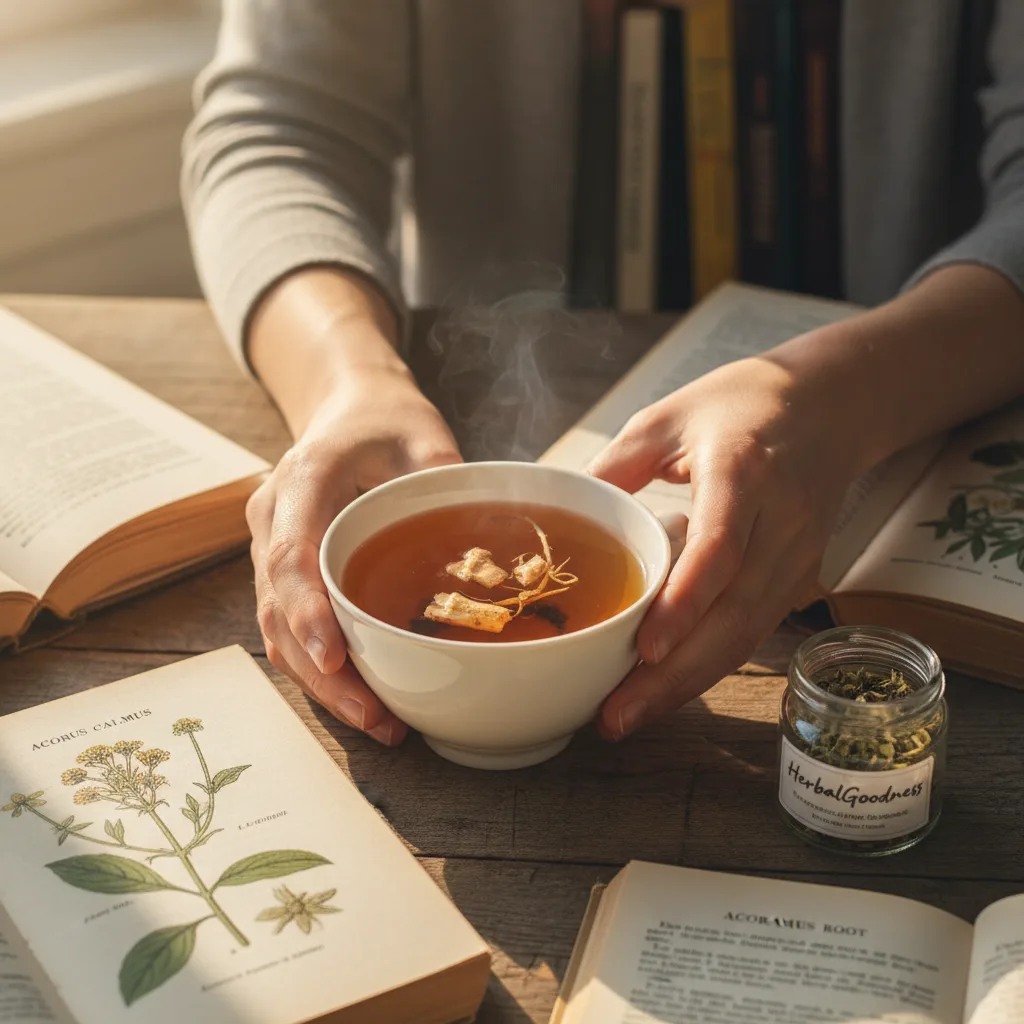
This is one of the simplest and most time-honored methods. Sliced or grated dried root is steeped in hot water for several minutes. The resulting infusion smells earthy and tastes robust, sometimes blended with warming spices for a more accessible drinking experience.
How to Prepare:
- Use ½–1 teaspoon of dried calamus root per cup of hot water.
- Steep for 5–10 minutes, depending on desired strength.
- Sip slowly to appreciate the complex aroma.
Note: The flavor may be strong for first-timers; blending with other herbs is common in traditional recipes.
Rather than working only with raw roots, some modern herbalists turn to thoughtfully crafted Bulk Herbs & Roots Online for Tea, Tinctures & DIY Wellness - Organic 4oz Bags for convenience and quality in home tea and tincture recipes.
Calamus Root Tincture
Tinctures are prepared by soaking the root in alcohol or a neutral solvent for extended periods. Herbalists sometimes use tinctures in small, measured drops.
Practice tip: Tinctures should always be made with careful attention to dose and sourcing, and it’s wise to seek guidance from herbal experts on traditional techniques. If you’re new to using tinctures for wellness, browsing through reputable offerings such as the Papaya Leaf Extract - 1oz - Organic - 15X Liquid - Blood Platelet can help you explore safe and trusted extracts.
Powder and Herbal Blend
Dried calamus root powder can be blended into teas or added to culinary recipes. Some traditional sweets or digestives use powdered calamus as a spice.
- Sprinkle lightly into herbal tea blends for aroma.
- Combine with ginger or fennel powders for historical digestive teas.

Exploring Cultural Rituals and Symbolism
Calamus has symbolized mental clarity and vitality in many cultures. In Ayurveda, it has been referenced in meditation and ritual formulas; in European folklore, it was sometimes associated with strength and spiritual cleansing. The scent and flavor were often used for ceremonial purposes, not just as part of meals but also in moments of significance, like festivals or changes of season.
Safety Considerations and Regulatory Context for Calamus Root
As with many botanicals treasured in folk traditions, safety is an important topic when learning about calamus root. It is vital to understand the differences among calamus varieties, sourcing standards, and evolving regulations.
Understanding Calamus Varieties
Multiple species and natural chemotypes of calamus exist. The presence of certain compounds, such as beta-asarone, varies between varieties. Some forms have been studied more closely for their traditional use profiles and regulatory guidelines.
- North American vs. Asian Varieties: North American wild calamus may differ in composition from some Asian types commonly used in herbal commerce.
- Herbal Goodness and Sourcing: Trusted herb suppliers prioritize lab testing and compliance with local regulations. Always seek detailed information about species and origin.
Those with a focus on digestive support can explore thoughtfully sourced blends like the Gut Digest Plus - Organic 15X Liquid Extract - Gut & Immunity for added confidence and clarity in their herbal practice.
Regulatory Landscape
Regulatory bodies, such as the U.S. Food and Drug Administration, have placed restrictions on certain forms of calamus root, especially products containing higher concentrations of specific natural chemicals.
- It’s important to check local regulations regarding the sale and use of calamus root products.
- Whole root or root slices are sometimes used in ceremonial or sensory contexts rather than as daily supplements.
- Modern herbalism frequently explores safer alternatives and limits intake to uphold best practices.
General Safety Tips
- Begin with low amounts if tasting is tested and safe in your area.
- Never harvest wild calamus root unless you are skilled at botanical identification.
- Seek reputable sources that provide transparency about species, origin, and quality.
- If uncertain or exploring further, consult knowledgeable herbal practitioners who understand both tradition and safety.

Alternative Herbs Traditionally Used for Digestion
Calamus root is not the only herb celebrated in traditional digestive practices. If you are curious yet seeking a gentler introduction, consider exploring these time-honored alternatives:
- Ginger: Widely used to support healthy digestion and add warmth to tea blends.
- Peppermint: Valued for its cooling aroma in teas and infusions.
- Fennel: Renowned for its sweet, aromatic seeds in post-meal blends.
- Chamomile: Often part of traditional soothing teas.
- Cardamom: A warming seed commonly blended with ginger and other spices.
Curious explorers might find Papaya Leaf Extract Blood Support - 10X 60/450mg Capsules - Blood Platelet a practical and beginner-friendly option for gentle digestive support.
Exploring Your Curiosity in Digestive Herbalism
Learning about calamus root and its place in the world of digestive herbalism opens a window into cultural history, sensory discovery, and botanical caution. Whether you’re drawn by the tradition, the unique flavors, or simply the joy of learning about old-world herbs, beginner-friendly research and responsible sourcing are your friends. Savoring herbal teas, experimenting with time-honored preparations, or studying the stories behind the roots can deepen your appreciation and guide safe exploration.
If your interests extend into making tea blends and experimenting with herbal preparations, options like Bulk Loose Leaf Teas & Tisanes - Organic 4oz - Herbal Wellness Teas supply a great foundation for your home apothecary.
Continuing Your Journey: Questions to Ask and Resources to Seek
- What species or chemotype of calamus is featured in the product or tradition?
- Is the root sustainably sourced and produced under current regulatory guidelines?
- Are there tradition-backed blends or rituals that appeal to your interests?
Remember, herbal exploration is as much about curiosity and mindful experimentation as it is about results. Take your time, honor the traditions, and always stay informed about safety and sourcing.
FAQs:
- What does calamus root taste like?
Calamus root is known for its intensely aromatic, bittersweet, and slightly spicy flavor, with notes that some compare to ginger or cinnamon. Its flavor can be quite strong and is often blended with other herbs in traditional preparations.
- How is calamus root traditionally prepared for digestion?
Traditionally, calamus root is prepared by steeping dried slices or powder in hot water to make tea or infused in alcohol to create tinctures. It can also be used as a spice in herbal blends, often partnered with warming herbs like ginger, cardamom, or fennel.
- Is calamus root safe for everyone to use?
Safety depends on the calamus species, sourcing, and regulatory guidelines in your region. Some forms contain higher levels of naturally occurring compounds that are restricted in certain places. Always consult trusted sources and current guidelines before use.
- Why is calamus root sometimes regulated or restricted?
Certain naturally occurring substances found in some calamus species have led to regulatory restrictions in some countries. These measures aim to ensure consumer safety, particularly for products or supplements intended for internal use.
- Are there alternatives to calamus root for beginner herbalists?
Yes, many traditional herbs—such as ginger, peppermint, fennel, chamomile, and cardamom—are commonly used in digestive herbalism and may offer milder, more accessible options for beginners.
- How can I tell if calamus root in a product is from a safe and tested source?
Look for reputable brands or suppliers that share details about the species, origin, and lab testing of their calamus root. Prioritize transparency and compliance with local regulations.
- Can I forage for calamus root myself?
Foraging for calamus root should be done only by those skilled in plant identification, because related plants may look similar but differ considerably in properties and safety. It is best to source herbs from trusted, knowledgeable suppliers.
Author Name:
Herbal Goodness Editorial Team
Author Bio:
The Herbal Goodness Editorial Team specializes in holistic health and superfoods, blending science and nature to educate and empower our community.
References:
Introducing Graviola to Young Taste Buds: Fun, Family-Friendly Flavor Exploration
Graviola in the Classroom and at Home: Creative Activities to Teach Kids About Tropical Plants
Why Social Impact Matters in Plant-Based Wellness