





Buy Wholesale Herbal Shipments: Incoming Quality Checklist Guide

When your wholesale herbal shipment arrives, it can feel overwhelming to assess whether what you’ve received matches your order and expectations. Many small buyers don’t have lab equipment or a background in quality assurance, but a few practical steps can go a long way in protecting your investment and starting a helpful dialogue with your supplier. Here you’ll find a plain‑language, nontechnical checklist focused on incoming quality: what to look for as soon as your herbs arrive, how to quickly evaluate paperwork, check packaging, perform simple sensory assessments, and retain the right details for basic traceability.
Why a Checklist Matters for Wholesale Herbal Shipments
No matter your experience level, a checklist helps make receiving bulk herbs less daunting and more systematic. It acts as your roadmap, helping you spot basic but important issues right away. Early detection of irregularities can save time and money, and it’s essential for maintaining trust with your supplier. For those committed to quality, considering secure sources for bulk herbs, such as Bulk Herbs & Roots Online for Tea, Tinctures & DIY Wellness - Organic 4oz Bags, can add confidence to your purchase.
Paperwork and Certificates: What to Check and Why
The first thing to do is review the paperwork sent with your shipment. Even if you rely on your supplier’s expertise, a glance at key documents helps you catch missed details and signals professionalism on both sides.
Critical Documents to Look For
- Invoice or Packing List: Confirms your order details, quantity, and product specifications.
- Certificate of Analysis (COA): Often included for bulk herbs. These usually describe basic tests like appearance and identification. Check the document date and match batch or lot numbers for traceability.
- Organic, Non-GMO, or Sustainability Certificates: If you’ve requested or expect certified products, ensure these are present, much like the verifiable standards used for Raw Sea Moss 8oz Bag | St. Lucia Wildcrafted – Nature's Multivitamin.
Tip: If something is missing or unclear, this step is your chance to email or call your supplier for clarification, which opens a positive quality conversation.
Packaging Inspection: Fast Visual Checks
Herbal quality starts with good packaging—appropriate, intact, and labeled. Here’s what to check within a few minutes:
- Package Condition: Look for rips, punctures, leaks, dents, or crushed boxes/bags to avoid contamination, just as you’d expect with bulk herbal tea packs.
- Seal Integrity: Make sure bags, drums, or other containers are fully sealed. Broken seals can lead to exposure.
- Labeling: Each container should display the correct product name, lot or batch number, supplier/manufacturer, and net weight.
- Handling and Storage Instructions: Check for clear instructions, especially if temperature or humidity matters.
If anything seems out of order, take quick reference photos. These will help describe issues if you need to consult with your supplier.
Sensory and Visual Checks: Using Your Senses
You don’t need special tools to carry out an effective first impression test. Start with your senses:
Color and Appearance
- Is the color what you expect for this herb—bright, dull, faded, or spotty?
- Are there visible foreign objects (twigs, dirt, stones, plastics)?
- Is the material uniform, or does it seem mixed with unexpected particles? You can compare what you see to the consistency in high-quality bulk, such as Soursop Leaf Tea | Organic Graviola 24 Bags – Immunity & Cell Renew.
Aroma
- Open the packaging briefly and note the scent.
- Does it have a strong, characteristic aroma, or is it weak, musty, or off? Distinct, wholesome aromas are typical of certified teas like Organic Papaya Leaf Tea | 24 Premium Bags – Caffeine-Free.
Texture
- Is it crisp, dry, or overly moist to the touch? (Excessive moisture may signal improper drying.)
A short record describing any concerns will make further evaluation or communication simpler. Trust your instincts—if something seems off, document it.
Sample Retention: Why and How to Do It
Retaining a small sample from each shipment is a best practice, even for small buyers. If questions arise about quality later or your supplier requests a reference, you’ll be ready.
- How much to keep? 20–50 grams (about 1–2 ounces) stored in a sealed, labeled bag or jar is usually enough.
- What to note? Use masking tape or a label: product name, lot number, date received. For buyers handling many varieties, using labeled storage consistent with trusted packs like Bulk Herbs & Roots Online for Tea, Tinctures & DIY Wellness - Organic 4oz Bags helps maintain order.
- Where to store? A cool, dry, dark place—mimicking the recommended storage for your herbs.
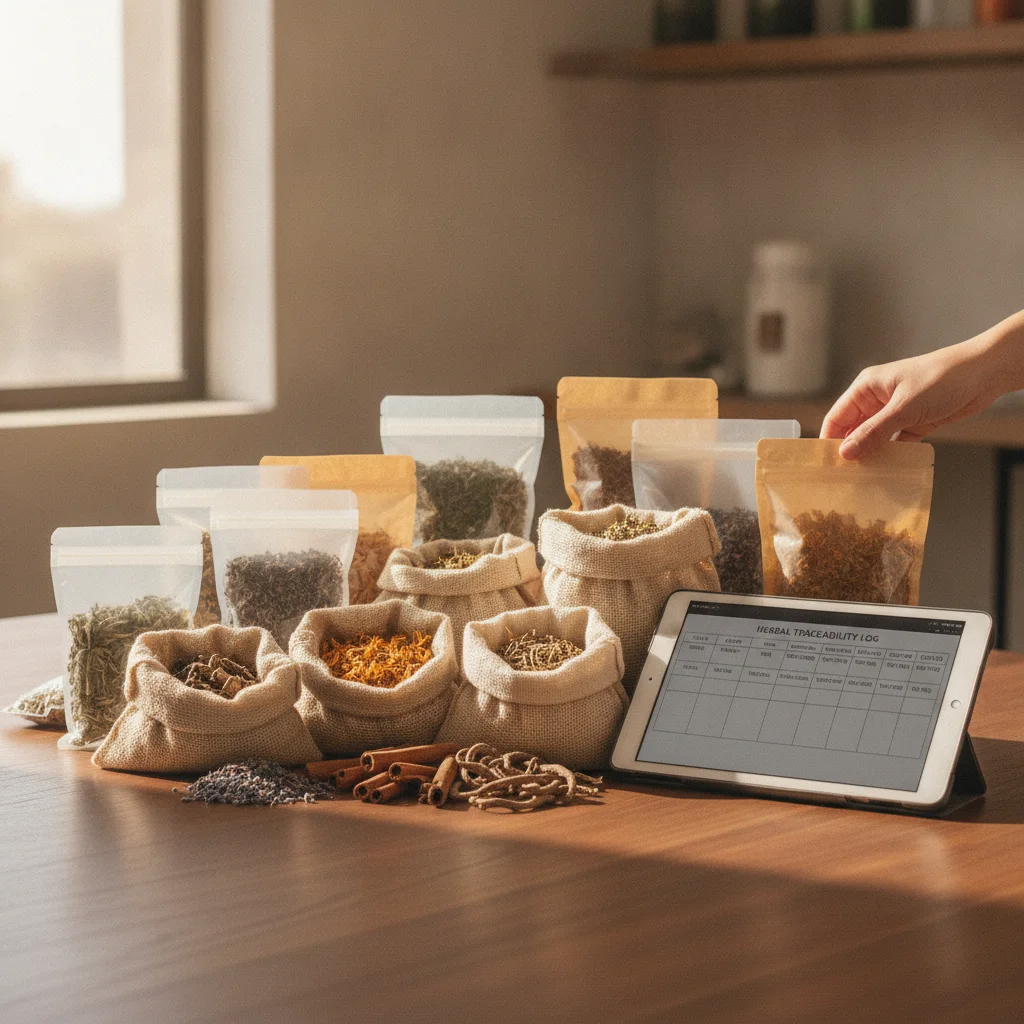
Logging Lot Numbers and Tracking Storage
Good record-keeping may sound technical, but a notebook, spreadsheet, or phone note is plenty for most small buyers. This helps trace any quality issue back to a specific shipment.
- Lot or Batch Number: Copy from the packaging and paperwork. Each lot is a unique identifier for that production run, exactly as listed on reputable offerings like Raw Sea Moss 8oz Bag | St. Lucia Wildcrafted – Nature's Multivitamin.
- Date Received: When the shipment arrived and was checked-in.
- Supplier Name: For easy contact if quality issues arise.
- Storage Conditions: Note where and how you store the herbs (room temperature, refrigerate, light exposure).
This log provides a foundation for trust and traceability, supporting your reputation as a conscientious buyer.

What to Do If You Spot a Problem
If you notice something unusual—like damaged packaging, off smells, or missing certificates—pause before using the herbs. Instead:
- Snap clear photos that show the issue and the label.
- Save your paperwork and sample.
- Contact your supplier with your findings and questions (the earlier, the better).
Most reputable suppliers want to hear about problems right away. This openness leads to faster resolution and better supplier relationships. Taking early action is as important as choosing reliable bulk packaging, similar to bulk herbal tea packs.
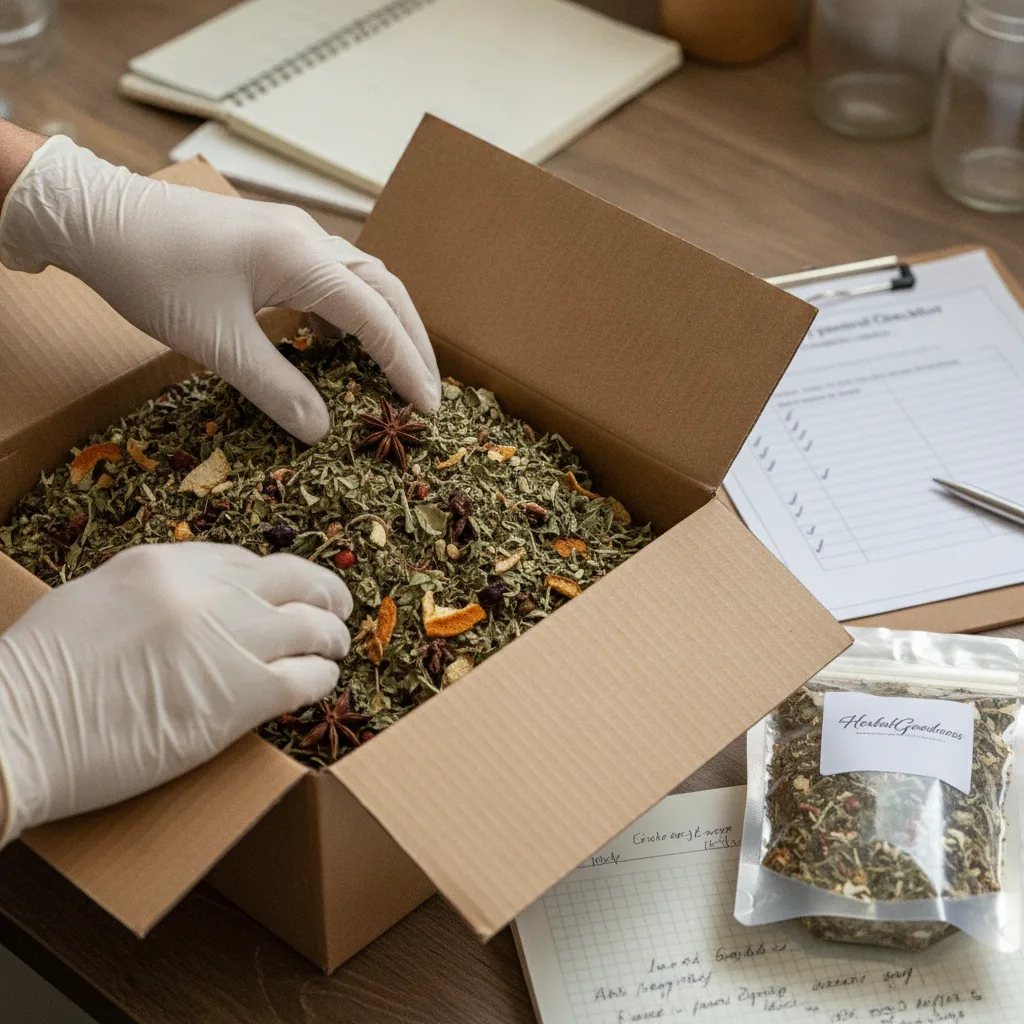
Reviewing Storage Conditions for Quality and Safety
How you store your herbal products after receipt is as important as the initial inspection. Ask yourself:
- Are herbs away from heat, strong sunlight, and moisture?
- Are they stored in food-safe containers and not touching floors?
- Are you following any special handling instructions from paperwork or the supplier? Many shelf-stable herbs, such as Raw Sea Moss 8oz Bag | St. Lucia Wildcrafted – Nature's Multivitamin, clearly state the best storage practices.
Good storage practices extend shelf life and preserve the properties of your herbs. Utilizing dedicated containers and keeping herbs organized is reminiscent of the careful packaging of Bulk Herbs & Roots Online for Tea, Tinctures & DIY Wellness - Organic 4oz Bags.
Frequently Overlooked Details in Herbal Shipments
New buyers sometimes miss small details that can have a big impact. Pay attention to:
- Unlabeled or generic packaging: Always ask for clear labeling, which sets apart authentic products, like certified bulk herbal tea packs.
- Missing or vague paperwork: Ask for clarification before using or reselling the herbs.
- Color or aroma not matching your past experience: Note it and start a conversation. For example, if your shipment’s color looks different from what's typical in Bulk Herbs & Roots Online for Tea, Tinctures & DIY Wellness - Organic 4oz Bags, bring this up with your supplier.
Building Confidence with Your Supplier
Following a checklist not only protects you, but it demonstrates professionalism to your suppliers. When you ask specific questions or request clarification, you reinforce the expectation for quality and transparency in every transaction. Reliable suppliers appreciate informed buyers.
Join our Retailer & Wholesaler Interest List to receive bulk pricing updates, verified supply availability, and priority access to wholesale herbal shipments.
Quick Reference Incoming Quality Checklist for Bulk Herbal Shipments
Make receiving easier with this summary:
- Collect and review all paperwork (invoice, COA, certifications).
- Inspect packaging for damage and proper labeling.
- Assess color, aroma, and texture—note anything off.
- Retain a small, labeled sample from each lot (best done with airtight solutions like those used for bulk herbs & roots).
- Log lot numbers, supplier details, and storage conditions.
- Document and communicate any concerns promptly.
By following these nontechnical steps each time you receive a wholesale herbal shipment, you create a repeatable, reliable process—supporting both your product’s quality and your business relationships.
FAQs:
- What basic paperwork should accompany a bulk herbal shipment?
Look for an invoice or packing list, Certificate of Analysis (COA), and any relevant certifications such as organic or non-GMO, especially if these were part of your requirements.
- How do I quickly check herb quality without lab equipment?
Use your senses to inspect color, aroma, appearance, and texture. Trust your judgment—strong odors, off-colors, or visible impurities are worth noting.
- Why should I retain a sample from my shipment?
Retaining a small, labeled sample offers a reference for future quality checks and helps resolve supplier questions or discrepancies.
- How do I log lot numbers for traceability?
Record the lot or batch number from packaging and paperwork along with the receiving date, supplier, and storage conditions in a notebook or spreadsheet.
- What should I do if packaging or paperwork looks wrong?
Photograph the issue, retain your documents and a product sample, and contact your supplier as soon as possible to start a conversation.
- What is the best way to store my herbal shipment after arrival?
Store herbs in food-safe containers away from heat, light, and moisture, and follow any storage instructions from your supplier or provided paperwork.
Author Name:
Herbal Goodness Editorial Team
Author Bio:
The Herbal Goodness Editorial Team specializes in holistic health and superfoods, blending science and nature to educate and empower our community.
References:
Introducing Graviola to Young Taste Buds: Fun, Family-Friendly Flavor Exploration
Graviola in the Classroom and at Home: Creative Activities to Teach Kids About Tropical Plants