





Buy Gymnema Tea Bags: What Really Determines Price and Value Online

When shopping for gymnema tea bags, you might notice a surprising range of prices—even when the products look quite similar on the shelf or online. What explains the wide variation? This guide unpacks, in plain English, the true factors that influence the cost of gymnema tea. Armed with this knowledge, you can go beyond sticker price, judge value for yourself, and make more confident purchasing decisions.
Understanding Why Gymnema Tea Prices Vary
Navigating the tea aisle or browsing online, the price difference between gymnema tea brands can seem confusing. Unlike mass-produced teas, the cost of gymnema tea is shaped by important, sometimes invisible, choices made from field to finished bag. These choices impact both the price tag and, often, the value inside your cup.
The Role of Growing Region
The region where gymnema is cultivated is one of the first influences on price. Gymnema grows best in its native habitats—the subtropical forests of India, parts of Africa, and Southeast Asia. Some regions are celebrated for their growing conditions, and these can fetch a premium due to richer soils, ideal climates, or traditional cultivation practices.
- Native sourcing: Gymnema sourced directly from indigenous areas is often pricier due to sustainable farming methods, transport, and a commitment to traditional agricultural wisdom.
- Large-scale commercial farms: Gymnema from expansive, industrial farms may be less costly, but sometimes at the expense of ecological practices or careful handling.
If you're exploring sustainable and carefully sourced botanicals, teas like the Organic Papaya Leaf Tea are similarly influenced by region and growing practices, often reflecting a commitment to purity and tradition.
Harvest Timing and Its Impact on Cost
The point at which gymnema leaves are harvested can influence both potency and price:
- Early harvests: These leaves tend to be more delicate, requiring a careful hand. Early picking can elevate both the phytonutrient concentration and price, as yields are lower and labor demands are higher.
- Late harvests: These may yield more leaves but could lack the subtle flavors or phytonutrient profile found in earlier harvests. Later or mass harvests often cost less.
Much like gymnema, teas such as Soursop Leaf Tea | Organic Graviola 24 Bags | Soursop Tea Benefits for Immunity & Wellness can see price variations based on when and how their leaves are harvested and processed.
Leaf Grade and Selection
Not all gymnema leaves are equal. Sorting and grading play a substantial role in cost formation.
- Whole leaf vs. broken leaf: Some brands use only whole, unbroken leaves for maximum flavor and aroma. These are more labor-intensive to select and process, generally raising the price.
- Leaf grade: High-grade leaves—uniform in color, size, and texture—command higher prices. Lower-grade material (including stems or dust) may be more affordable but can result in a milder cup.
To get a sense of superior flavor and nutrition, choosing high-grade teas like Bamboo Leaf Tea 24 Bags | Nature's Silica – Collagen & Biotin Support ensures you’re getting a premium selection with carefully selected leaves.
Processing Methods: Traditional vs. Modern
How gymnema leaves are processed impacts not only taste and potency, but also cost.
- Air-drying and hand-processing: Traditional methods like slow air-drying preserve natural qualities but require time and manual labor, leading to higher prices.
- Machine drying and automated processing: These speed up production and lower costs. However, rapid, high-heat drying can affect the delicate plant compounds in gymnema.
Products featuring robust ingredient integrity often come with clear descriptions of their processing methods. For instance, the Organic Papaya Leaf Tea is crafted to maintain the natural qualities of papaya leaf.
Certifications: Organic, Fair Trade, and Beyond
Certifications signal how a gymnema tea is grown and produced, providing assurance on quality and sourcing ethics—but they also affect the bottom line.
- USDA Organic: Shows that no synthetic fertilizers or pesticides were used. Organic certification is a lengthy and costly process that impacts the price of certified gymnema teas.
- Fair Trade: Ensures fair wages and practices at all levels of production. While positive for workers, these certifications add to the overall cost when compared to uncertified teas.
- Other labels: Non-GMO, vegan, kosher, or wildcrafted designations each suggest additional steps or requirements in the supply chain, which can be reflected in the retail price as well.
When it comes to herbal infusions with a suite of certifications, Soursop Leaf Tea | Organic Graviola 24 Bags | Soursop Tea Benefits for Immunity & Wellness showcases the value of thoughtfully certified teas.
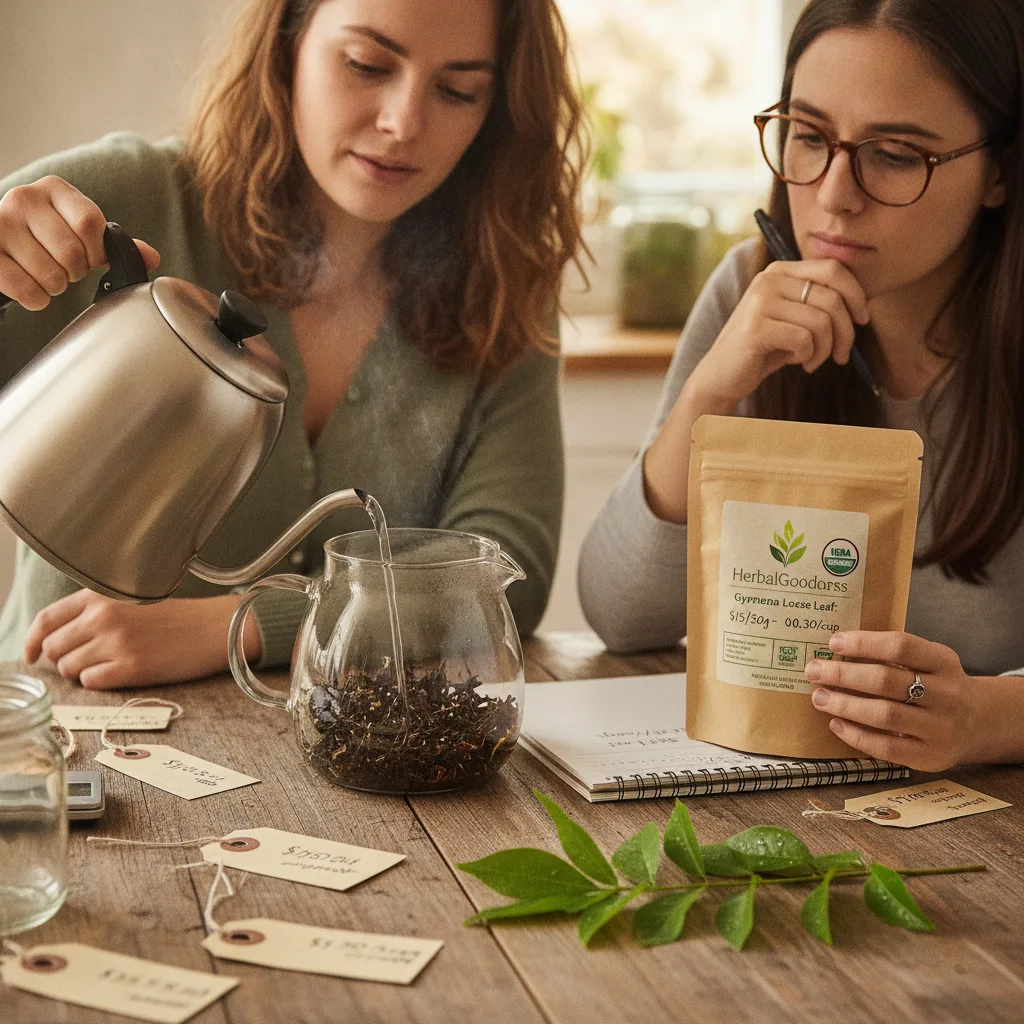
Packaging Choices: More Than What Meets the Eye
Packaging innovation can preserve freshness, protect delicate leaves, and add convenience—but it also comes with a cost.
- Individually-wrapped tea bags: Provide maximum freshness, travel-friendly utility, and often a higher cost per bag.
- Compostable or eco-friendly packaging: Growing consumer demand for sustainable practices often means brands use biodegradable materials, with costs higher than conventional packaging.
- Bulk packaging: While cheaper per cup, bulk bags may lack the freshness-preserving features of other formats.
For those interested in both value and eco-conscious packaging, Bulk Loose Leaf Teas & Tisanes - Organic 4oz - Herbal Wellness Teas give the option to buy more for less, yet shoppers should still weigh freshness in their decisions.
Testing and Quality Control
Comprehensive third-party testing—screening for heavy metals, pesticides, and microbial safety—builds trust and confidence in product purity and safety.
- Routine laboratory testing: Adds to the cost of production. Brands that publish transparent testing protocols and results are often investing more behind the scenes.
- Quality assurance: Frequent sampling to ensure consistent aroma, color, and potency comes with labor, expertise, and corresponding costs.
Transparent testing is a hallmark of premium wellness teas. Herbal infusions like the Organic Papaya Leaf Tea are good examples of brands promoting their thorough quality control.

Brand Reputation and Sourcing Transparency
Brands like Herbal Goodness that emphasize seed-to-cup traceability, ethical trade relationships, and clear sourcing practices may have a modest price premium.
- Direct-trade models: Supporting local farmers and paying fair, direct prices enhances quality and supports entire communities, but may be reflected in the final price.
- Transparent labeling: Brands offering QR codes, harvest data, and sourcing stories are investing in both education and supply chain integrity.
Choosing reputable brands for wellness teas—such as Bamboo Leaf Tea 24 Bags | Nature's Silica – Collagen & Biotin Support—means you’re paying for both nutritional value and responsible business practices.
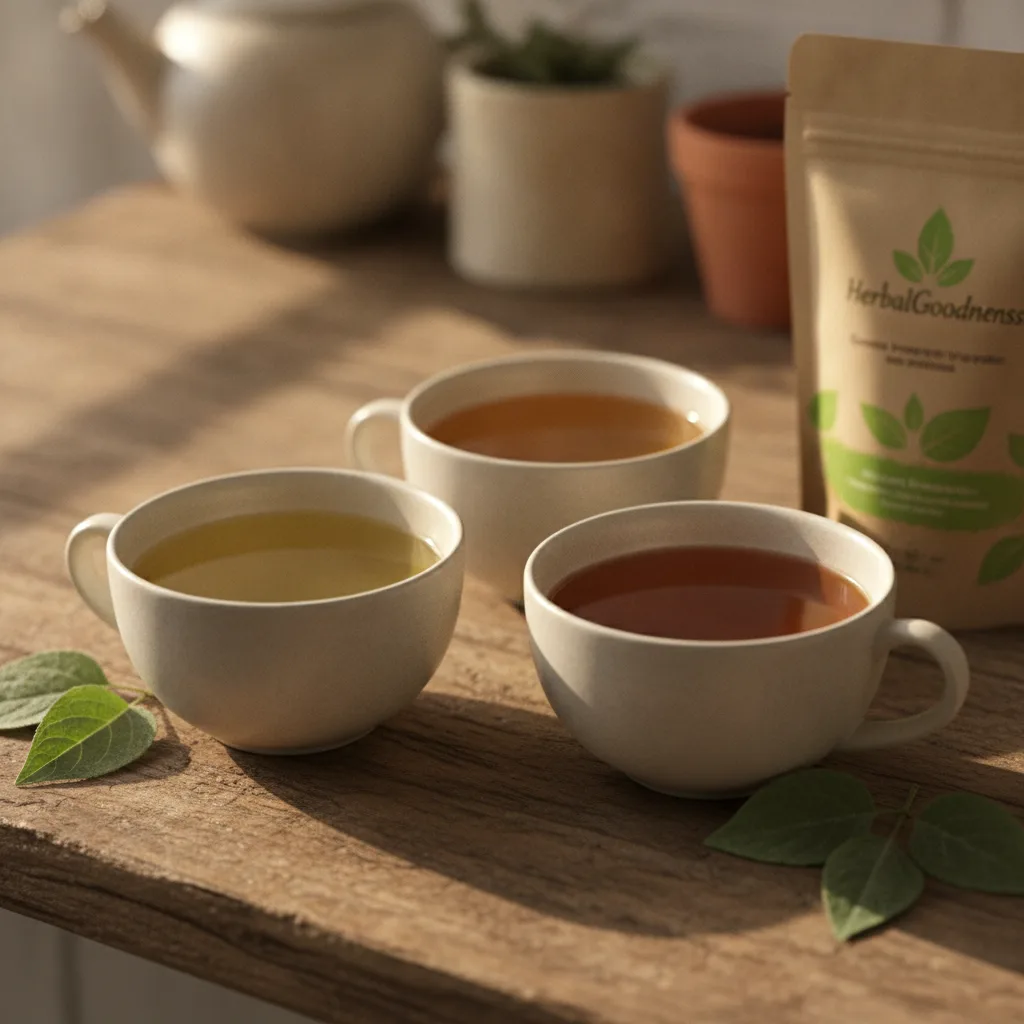
Calculating True Cost-Per-Cup: A Simple Value Guide
It’s easy to focus on the sticker price, but the real value of gymnema tea is best measured by the cost per cup. Here’s how shoppers can break down the real cost, and what factors to consider:
Step 1: Check Serving Count per Box
Most gymnema tea boxes display the number of tea bags or servings. For example, a 24-tea bag box costing $12 yields 24 servings.
Step 2: Do the Math
Divide the price by the number of tea bags to find cost-per-cup. Using our example:
$12 ÷ 24 = $0.50 per cup
Step 3: Factor in Potency and Quality
Some higher-end gymnema teas recommend using each bag for two infusions, potentially lowering the cost per serving even further. Similarly, teas with higher leaf grade or supported certifications may deliver more nuanced flavor or aroma, creating better value even at a slightly higher price point.
Looking for best value and versatility? Explore Bulk Loose Leaf Teas & Tisanes - Organic 4oz - Herbal Wellness Teas for flexible home blending, or try Bamboo Leaf Tea 24 Bags | Nature's Silica – Collagen & Biotin Support for consistent serving size and quality.
Step 4: Consider Packaging Impact
Bulk purchases could offer a lower price per cup, but may trade off on freshness over time. Individually wrapped or nitrogen-flushed packaging can extend shelf life—sometimes justifying a higher per-cup cost.
What Shoppers Can Look for When Assessing Value
Consider these questions while comparing gymnema teas:
- Is the tea certified organic or fair trade?
- Is the farm or country of origin disclosed?
- Does the brand share quality testing information?
- Are there details on harvest dates or leaf grade?
- What packaging format is used?
- Can you determine the cost per cup, not just per box?
Assessing gymnema tea through these lenses allows shoppers to make informed decisions and invest in a brew that fits their wellness goals and values.
Summing Up Gymnema Tea Pricing Factors
Gymnema tea prices are shaped by a web of practical choices made at every stage of production—from how and where the plant is grown to how it’s sorted, processed, packaged, and delivered. Understanding these cost drivers empowers you to move beyond sticker shock and find true value in your cup of gymnema tea.
Frequently Asked Questions
Question 1: How can I compare the value of different herbal teas if their prices vary?
Answer: Assess value by dividing the price by the number of servings for true cost-per-cup, and consider factors such as certifications, sourcing, and leaf quality. For example, products like the Organic Papaya Leaf Tea display clear serving information for easy comparison.
Question 2: Do organic certifications make a difference in tea quality?
Answer: Yes, organic certifications indicate that no synthetic fertilizers or pesticides were used, signaling a higher standard of purity. Certified teas such as Soursop Leaf Tea | Organic Graviola 24 Bags | Soursop Tea Benefits for Immunity & Wellness often reflect these benefits.
Question 3: What impact does packaging have on loose leaf or bagged teas?
Answer: Packaging can affect both the price and the freshness. For lasting freshness, individually wrapped bags or well-sealed pouches like those seen in Bamboo Leaf Tea 24 Bags | Nature's Silica – Collagen & Biotin Support are ideal. Bulk options may be less expensive per cup but can lose flavor over time.
Question 4: Is it better to buy bulk teas for cost savings?
Answer: Bulk teas, such as Bulk Loose Leaf Teas & Tisanes - Organic 4oz - Herbal Wellness Teas, can offer a lower cost per serving, but you may sacrifice some freshness if not stored properly.
Question 5: Why do some brands charge more for their herbal tea blends?
Answer: Brands focusing on traceability, detailed testing, and ethical sourcing tend to invest more into their products’ quality. The Organic Papaya Leaf Tea reflects such investments through transparency and certifications.
Question 6: How does leaf grade affect the price and flavor of herbal tea?
Answer: Higher grade leaves, as featured in quality blends like Soursop Leaf Tea | Organic Graviola 24 Bags | Soursop Tea Benefits for Immunity & Wellness, offer fuller flavor and better nutrient content, but come at a premium due to careful selection.
Question 7: Where can I buy herbal teas with clear sourcing and quality checks?
Answer: Look for brands that emphasize transparency through their sourcing and testing, such as Herbal Goodness, with teas like Bamboo Leaf Tea 24 Bags | Nature's Silica – Collagen & Biotin Support and Organic Papaya Leaf Tea.
Taking time to compare gymnema tea cost-per-cup, sourcing details, and quality certifications can help you choose the right tea for your needs and budget.
About the Author
Herbal Goodness Editorial Team
The Herbal Goodness Editorial Team specializes in holistic health and superfoods, blending science and nature to educate and empower our community.
References
Introducing Graviola to Young Taste Buds: Fun, Family-Friendly Flavor Exploration
Graviola in the Classroom and at Home: Creative Activities to Teach Kids About Tropical Plants
Why Social Impact Matters in Plant-Based Wellness