





Bulk Organic Guava Leaf Tea: What Buyers Should Know Before Sourcing

Bulk organic guava leaf tea has earned interest among newcomers eager to source this botanical for retail, herbal blending, or personal use. Understanding its origins, how it journeys from field to wholesale markets, and the many seller types can empower buyers to make informed decisions. This article explores the world's key guava leaf tea growing regions, outlines the primary seller types in today’s global market, and shares practical cues for identifying origin, harvest cycles, and certifications. Whether you’re sourcing for a new project or simply want to demystify supplier lingo, this guide is designed to map your way through the global guava tea landscape.
Mapping Major Guava Leaf Tea Growing Regions Worldwide
Bulk organic guava leaf tea owes its character to the regions in which guava trees thrive. Each growing area imparts subtle differences in aroma, leaf quality, and seasonal availability. Becoming familiar with the world’s major guava-growing hotspots helps buyers recognize regional value and set expectations for supply and flavor.
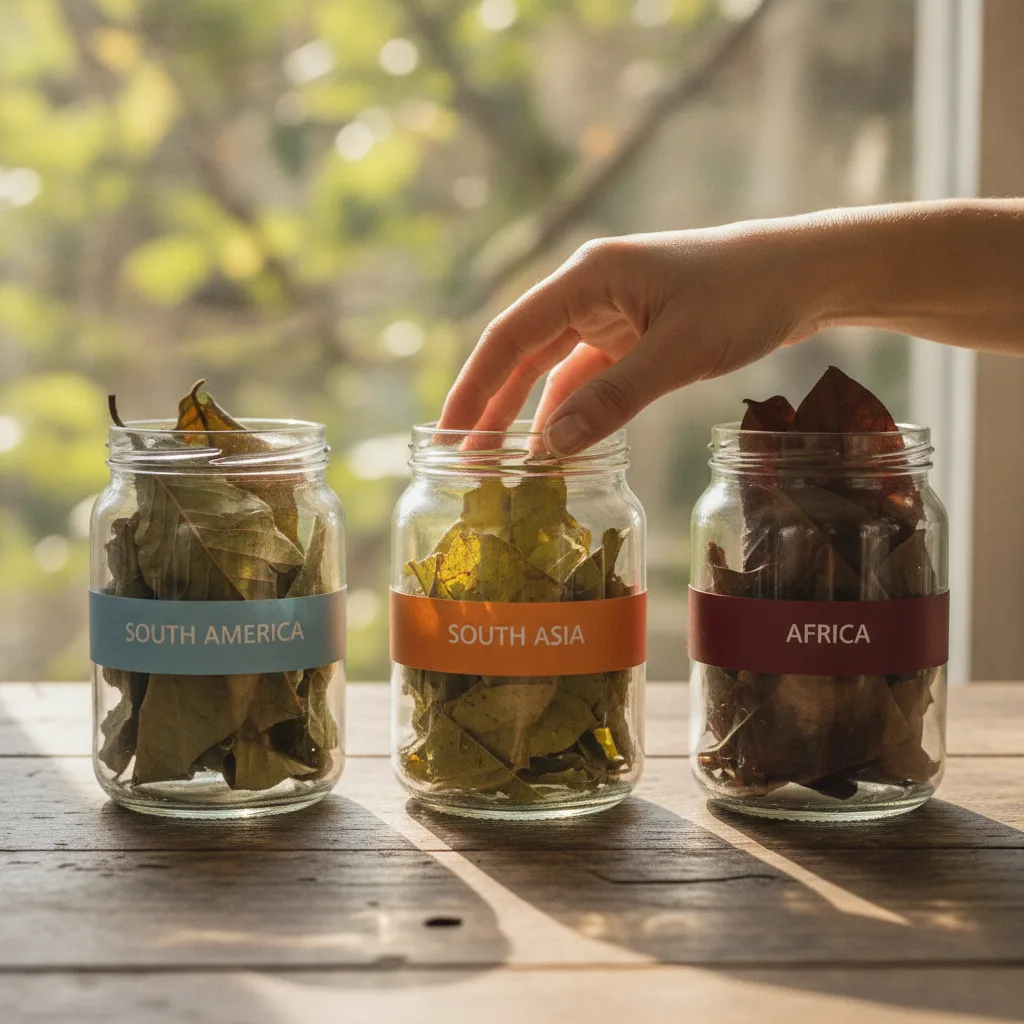
Latin America, particularly Brazil, Mexico, and Colombia, is home to extensive guava cultivation. In Brazil’s tropical zones, guava leaves are carefully picked and rapidly dried, taking advantage of the region’s humidity and rich soils. Farms here often work in large cooperatives, blending traditional agricultural knowledge with organic certification programs.
Mexico stands out for its established organic farming frameworks, resulting in steady, high-quality guava leaf harvests. Colombian producers—while smaller in scale—offer unique leaf profiles, especially prized by specialty buyers.
Southeast Asia, notably Thailand, Vietnam, and Indonesia, is a leading producer of guava for export. Organic guava plantations in Thailand have seen increased recognition due to high standards and extended growing seasons. Vietnamese and Indonesian growers, often organized in farm collectives, are praised for sustainable cultivation and handpicked leaf harvesting, contributing to bulk shipments rich in flavor.
Several African countries, such as Kenya, Uganda, and Nigeria, are expanding organic guava farming. Kenya’s fertile highlands deliver vibrant guava leaves, while Ugandan and Nigerian producers are gaining trust for their dedication to natural cultivation and growing global trade. Certified organic operations are increasing, and supply chains from these regions often highlight community impact.
Beyond major exporters, smallholder farms in Central America, the Caribbean, India, and the Philippines offer specialty guava leaf tea in limited batches. These often attract craft blenders and artisanal buyers focused on unique flavor notes or micro-lots with distinct traceability.
Understanding Bulk Organic Guava Leaf Tea Seller Types
Bulk organic guava leaf tea moves from field to buyer through a network of specialized sellers. Knowing the difference between these seller types can be essential when sourcing, especially for newcomers navigating listings and origin claims.
Farm cooperatives are composed of individual farmers who pool resources to cultivate, harvest, and process guava leaves collectively. Organic certification often belongs to the group, making traceability straightforward. Cooperatives regularly promote eco-friendly practices and community welfare. Buyers connecting with cooperatives may benefit from:
- Direct farm-to-buyer transparency
- Heightened traceability of leaf batches
- Opportunities for custom harvest requests
These sellers are a strong choice for those who prioritize social responsibility and want firsthand knowledge of farming practices.
Tea wholesalers purchase large quantities of guava leaves from multiple farms and regions for bulk resale. They frequently supply herb shops, tea blenders, and food manufacturers, often offering options for both conventional and organic-certified batches. Wholesalers provide:
- Ready access to varied guava leaf grades
- Blended or single-origin options
- Consistent supply chains
A great example for those seeking consistency in bulk loose leaf teas is to work with established wholesale outlets.
This seller type suits buyers looking for scale, standardized quality, or diverse inventory without single-source limitations.
Herb distributors specialize in a broad range of botanicals, not just teas. Their role is aggregating, packaging, and supplying organic guava leaf tea alongside other herbs, often focusing on ingredient buyers for blends and formulations. Characteristics include:
- Wide selection supporting herbal blends
- Regular compliance with organic and safety standards
- Smaller minimums or sample batches for R&D
Distributors are ideal for those developing multi-herb products or searching for suppliers with varied ingredient lists. Often, choosing bulk herbs & roots online can complement sourcing strategies for ingredient blends.
Brokers act as go-betweens, connecting global buyers with growers, cooperatives, or wholesalers. They typically specialize in knowledge of international logistics, documentation, and contract sourcing. Benefits of working with brokers can include:
- Access to hard-to-find origins or rare quality grades
- Support with certification and regulatory paperwork
- Negotiated pricing and shipping arrangements
Brokers can be especially helpful for newcomers needing guidance through complex supply environments or seeking exclusive regional batches.
If you’re looking for a dependable herbal supplier with a range of organic teas and botanicals, you can also explore Herbal Goodness and become a Herbal Goodness wholesaler to access products for your café, retail shop, or growing herbal business.
Practical Tips for Spotting True Origin, Harvest Timing, and Certification
Distinguishing reputable bulk organic guava leaf tea sources rests on a few key cues found on supplier pages and product listings. Here’s what to check before making an inquiry or purchase:
-
Review the supplier’s region or farm location; trustworthy sellers name the country and sometimes the estate or cooperative.
-
Look for references to specific growing areas, such as “Thai organic guava” or “Brazilian cooperative batch.” Suppliers who only list “guava leaf” without origin details may be aggregators or blend sources.
-
High-quality listings will note harvest months (“Spring harvest,” “2023 summer leaves”) or even specific pick dates for freshness.
-
Seasonality varies by region—Latin America generally harvests year-round, while Asia and Africa may highlight two main seasons.
-
Timely harvest cues reflect careful sourcing and a short transit from field to sale.
-
Legitimate bulk organic guava leaf tea is typically marked with certification bodies like USDA Organic, EU Organic, or similar local agencies. These verifications may appear as logos or cert numbers on listings.
-
Suppliers might also share lab analysis details (like moisture content) or provide third-party audit information upon request.
-
Consistency in certification details across website, paperwork, and packaging is a strong indicator of authenticity.
-
Authentic sellers communicate harvesting, processing, and region details clearly and willingly.
-
Pages that encourage questions, display cooperative or origin stories, and provide specifications in plain terms increase confidence in sourcing.
-
Beware of vague or copy-pasted origin language, which may indicate limited transparency or unknown blend origins.
For those seeking easy access to certified options, exploring guava leaf tea organic 24 bags provides a clear example of labeled origin and certifications for bulk buyers and wellness retailers alike.
How Entry-Level Buyers Can Navigate the Global Market
If you’re new to sourcing bulk organic guava leaf tea, taking a methodical approach to identifying regions, seller types, and legitimacy is key. Here’s a beginner’s navigation map:
- List your priorities: Decide if regional origin, organic certifications, farm transparency, or price is most important.
- Explore supplier directories: Start with trusted herbal ingredient directories or certification body listings that vet seller authenticity.
- Contact cooperatives directly when possible to gather insight on farming practices and traceability.
- Compare multiple seller types: Don’t hesitate to contrast a wholesaler’s blend with a cooperative’s single-origin batch.
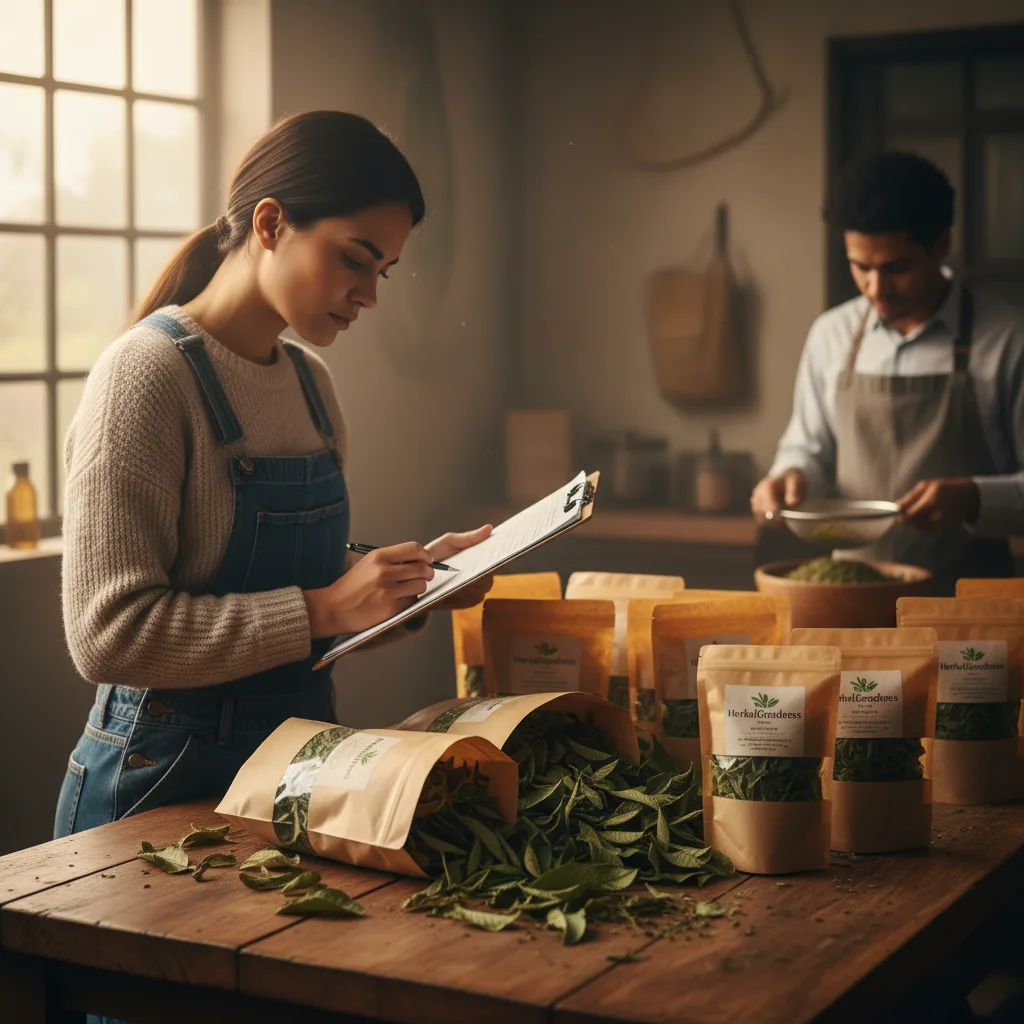
- Request documentation: Always ask for proof of organic status, harvest records, and supply chain traceability before committing to a bulk order.
For those in need of both tea and versatility, herbal tea trio bundle offers multidisciplinary options for blending or sampling.
With this roadmap, even first-time buyers can begin their global exploration confidently. Consider experimenting with both loose leaf and convenient retail-ready packs such as guava leaf organic 15x liquid extract to experience the diversity available in the guava tea marketplace.
Ready to build a more reliable herbal tea supply for your business? Become a Herbal Goodness wholesaler and explore wholesale opportunities designed to support retailers, cafés, and other businesses sourcing quality herbal products.

Connecting the Dots: From Field to Bulk Buyer
The world of bulk organic guava leaf tea is vast—reaching from vibrant tropical fields to the hands of buyers everywhere. Understanding the landscape of growing regions and seller channels allows buyers to take charge of their sourcing journey. As awareness of global agricultural diversity and organic standards continues to grow, informed buyers can better match their goals with trustworthy, high-quality sources. Following these insights ensures every cup begins with knowledge, consideration, and a sense of connection to growers around the globe.
Frequently Asked Questions
Question 1: What are the health benefits of bulk organic guava leaf tea?
Answer: Bulk organic guava leaf tea has been valued for its immunity and gut wellness properties. Those interested in broader benefits often explore Guava Leaf Tea Organic 24 Bags | Immunity & Gut Wellness – Caffeine-Free.
Question 2: How can I verify the origin and authenticity of guava leaf tea?
Answer: Check for supplier transparency, look for specifics about regional origin, verified harvest periods, and certification logos such as USDA Organic. Cited offerings like guava leaf organic 15x liquid extract often include these details.
Question 3: What seller type is best for small-scale or specialty guava tea sourcing?
Answer: Smallholder farms and farm cooperatives are ideal for those seeking less industrial or more unique, specialty batches. For variety, options like bulk herbs & roots online support experimental blends.
Question 4: Can I blend guava leaf tea with other herbs for wellness?
Answer: Yes, guava leaf tea is commonly used in herbal blends. Sourcing from herbal tea trio bundle allows for creative blending with complementary botanicals.
Question 5: What certifications should I look for when buying guava leaf tea?
Answer: Search for recognized organic certifications, like USDA or EU Organic, on both product packaging and supplier web pages. Retail offerings such as Guava Leaf Tea Organic 24 Bags | Immunity & Gut Wellness – Caffeine-Free prominently display these credentials.
Question 6: Is there a difference between buying in bulk and retail packs?
Answer: Bulk purchases usually offer greater cost efficiency and flexibility for blending, while retail packs are convenient for immediate use and guarantee easy traceability. Compare bulk loose leaf teas with curated options to fit your needs.
Question 7: Where should newcomers start when exploring the guava tea market?
Answer: Begin by identifying your sourcing priorities, then consult supplier directories and look for options with strong certifications and diverse blends like herbal tea trio bundle. Consult product details and, if needed, reach out for supporting documentation.
Exploring global guava leaf tea sources begins with knowing your priorities—compare regions, seller types, and certifications for a confident first purchase.
About the Author
Herbal Goodness Editorial Team
The Herbal Goodness Editorial Team specializes in holistic health and superfoods, blending science and nature to educate and empower our community.
References
Introducing Graviola to Young Taste Buds: Fun, Family-Friendly Flavor Exploration
Graviola in the Classroom and at Home: Creative Activities to Teach Kids About Tropical Plants
Why Social Impact Matters in Plant-Based Wellness