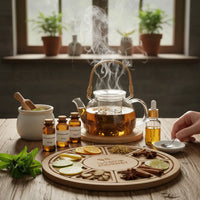





Build Your Own Herbal Tea Flavor Wheel: A Simple Method to Explore and Journal

Every cup of herbal tea is a sensory adventure, with a spectrum of aromas, flavors, and textures waiting for discovery. Yet, putting those sensations into words isn’t always easy—especially when trying new herbs or blends. Whether you’re brand new to herbal infusions or looking to deepen your tasting experiences, creating your own herbal tea flavor wheel and journaling method can unlock a new level of appreciation. This guide will show you step-by-step how to design a practical flavor wheel, use a simple tasting protocol, and keep a sensory journal that brings clarity and joy to every cup.
The Purpose of a Herbal Tea Flavor Wheel
A flavor wheel is a circular diagram that visually organizes and names the sensory qualities of a food or beverage—in this case, herbal tea. Originally used by coffee and wine professionals, flavor wheels help everyone from enthusiasts to craftspeople better describe and compare what they taste and smell. They are powerful tools for:
- Identifying and organizing aromas, flavors, and textures of teas
- Learning the ways brewing or blending changes what’s in your cup
- Communicating nuances with friends or fellow tasters
- Creating a personal sensory library for future reference
By actively engaging your senses and giving names to what you perceive, the herbal tea flavor wheel makes tasting more mindful and more fun.
Essential Elements of the Herbal Tea Flavor Wheel
When building a flavor wheel for herbal teas, focus on categories that reflect the plant-based diversity in your cup. Here are key elements to include:
1. Basic Taste Categories
- Sweet: Think subtle honey, apple, or liquorice root notes.
- Bitter: Found in dandelion, green yerba mate, or wild-crafted herbs.
- Astringent: The drying or puckering sensation—often from nettle or raspberry leaf.
- Sour/Tart: Hints of hibiscus or rosehip can offer bright acidity.
- Umami: Rare in herbal teas but sometimes found in roasted roots or broths.
2. Aromatic Families
- Floral: Jasmine, chamomile, or lavender flowers.
- Herbal/Green: Grassy, leafy, or freshly-cut plant aromas.
- Resinous/Woodsy: Pine, eucalyptus, or honeybush.
- Spicy: Warming hints from ginger, cinnamon, or cardamom.
- Fruity: Citrus zest, berries, or dried fruit undertones.
3. Mouthfeel and Texture
- Light: Refreshing, delicate, quick finish.
- Smooth: Round, silky, seamless in sensation.
- Full/Bold: Robust, coating, or prolonged presence.
- Drying: Leaves a lingering dryness on the tongue and cheeks.
- Cooling/Warming: Temperature and perception influences—think of peppermint’s coolness or ginger’s heat.
4. Aftertaste and Finish
- Is the finish clean and short, or does a certain note linger?
- Do flavors evolve or fade over time?
These categories provide a flexible foundation. You can start with the basics or add specific notes as your tea explorations grow.
How Brewing Variables Shape the Flavor Experience
Every cup of herbal tea is a partnership between plant and process. Factors like temperature, steeping time, and herb quantity each change what you’ll taste, smell, and feel.
Key Brewing Variables:
- Water Temperature: Hotter water often extracts more bitter and astringent notes, while cooler brewing emphasizes sweetness and floral aromas.
- Steeping Time: Longer infusions can deepen color and intensify flavor, sometimes adding a drying or bitter edge.
- Leaf/Herb Quantity: More herbs per cup means stronger flavor, aroma, and color; less can allow subtler notes to shine.
- Herb Form: Whole flowers or leaves offer different nuances than cut or powdered forms.
Keep your brewing consistent when comparing teas, or intentionally change just one variable to see how it transforms your tasting notes. If you want to experience how different herbal infusions behave with these variables, you might find products like our organic herbal teas useful for experimentation.
Step-by-Step Guide: Creating Your Personal Herbal Tea Flavor Wheel
Building your own flavor wheel is creative and rewarding. Here’s a simple method to start:
Step 1: Draw the Wheel Base
Take a blank sheet of paper or use a printable template. Draw a large circle. Divide it into 6–8 main segments for primary taste and aroma categories: Sweet, Bitter, Astringent, Floral, Herbal, Resinous, Spicy, Fruity (add or subtract as desired).
Step 2: Expand with Details
Branch out from each main segment with smaller sub-sections. For example, under "Floral," add lavender, chamomile, or rose. Under "Fruity," include citrus, berry, or stone fruit notes. This gives your wheel layers of detail that grow with your tasting experience.
Step 3: Color and Customize
Use colors or symbols to make your wheel visually engaging. You might choose greens for herbal, pinks for floral, browns for resinous, etc. Add arrows, stars, or highlight sections for teas you especially enjoy.
Step 4: Laminate or Print
Consider making a version you can reuse by laminating it or slipping it into a clear sleeve. This makes it easy to reference and update while journaling new teas.
Tasting Checklist: A Sensory Protocol for Herbal Tea
To get the most benefit from your flavor wheel, follow a repeatable tasting routine:

- Observe the Dry Herbs: Look at color, shape, and smell before brewing.
- Note the Brewed Aroma: Inhale as soon as the tea is poured. What comes to mind?
- Assess Appearance: Describe the tea’s color, clarity, and body.
- First Sip—Initial Impressions: Take a small sip. Note what flavors and sensations appear first.
- Second Sip—Mid-Palate: Swirl the tea in your mouth. Which flavors intensify or change? Pay attention to mouthfeel and body.
- Aftertaste and Finish: Swallow and wait a few seconds. What flavors linger? Is there a shift in aroma?
- Score or Circle on Your Wheel: Mark dominant flavors or sensations. Jot down observations in your journal for each step.
Try this protocol with single herbs, blends, or even different brewing techniques to hone your sensory vocabulary. Experiment further with options such as Organic Papaya Leaf Tea | 24 Premium Bags – Caffeine-Free to appreciate distinct herbal characteristics.
Journaling Your Herbal Tea Tasting Adventures
A tasting journal complements your flavor wheel, allowing you to track and compare sensory discoveries over time. Here’s how to get started with a simple, printable journaling template:
What to Include in Your Tasting Journal
- Tea Name and Source: Note the plant name (e.g., tulsi, lemongrass), blend, or brand.
- Date and Time: Helps you revisit seasonal or mood-based preferences.
- Brewing Details: Temperature, steeping time, amount of herbs, and water type.
- Aroma Notes: What do you smell before and after brewing?
- Flavor Notes: Use wheel categories to describe initial, mid-palate, and lingering flavors.
- Mouthfeel Description: Highlight sensations like smoothness, dryness, or body.
- Impressions/Rating: Personal likes, dislikes, standout qualities, or food pairings.
- Variables to Change: Ideas to explore next time (e.g., longer steep, new blend).
If you’d like a convenient printable, draw it on paper using the above headers, or search for simple templates to use alongside your flavor wheel. With practice, your journal becomes a personal log of preferences, helping you select or blend teas in the future. To broaden your tea-tasting adventures, adding blends such as Herbal Tea Trio – Build-Your-Own Bundle | Mix & Match Any 3 USDA Organic Herbal Teas & Save 20% can help you compare and expand your flavor vocabulary.

Comparing Single-Herb Cups and Herbal Blends
Tasting a single herb helps you understand its pure character—aroma, taste, and mouthfeel—without the influence of other ingredients. When you taste blends, the fun is in spotting which flavors shine and how they interact. Here’s how to compare:
- Start with Singles: Brew one herb at a time. Journal the details using your protocol. Herbal teas like Soursop Leaf Tea | Organic Graviola 24 Bags | Soursop Tea Benefits for Immunity & Wellness are excellent for exploring single-herb profiles.
- Move to Blends: Taste multi-herb infusions. Identify which notes come from each component.
- Use Your Wheel for Both: Circle the words or colors that match your impressions for each cup. Over time, patterns emerge—flavor affinities, favorites, or unique combinations.

This practice deepens appreciation, especially when exploring herbs you haven’t tried before or when evaluating new blends from trusted brands. Comparing the subtle notes of our Bulk Herbs collection can add another layer to your experiments.
Tips for Getting the Most from Your Herbal Tea Flavor Wheel
- Keep your wheel and journal nearby every time you try a new tea.
- Taste with friends to learn new descriptors and impressions.
- Don’t worry about “right” or “wrong”—your unique palate is the guide.
- Treat your explorations as both a creative and sensory experience.
- Over time, expand your wheel with new categories, flavors, or nuances that fit your growing expertise.
Building a flavor wheel and journaling your cups create a meaningful personal ritual. With each new tea, your sensory language grows—making every sip a fresh opportunity to savor, describe, and remember.
Frequently Asked Questions
Question 1: What is the purpose of a herbal tea flavor wheel?
Answer: A herbal tea flavor wheel organizes tastes and aromas, helping you describe, compare, and enjoy every infusion. Using a wheel can make tasting herbal teas like Organic Papaya Leaf Tea | 24 Premium Bags – Caffeine-Free more mindful and expressive.
Question 2: Which brewing variables most affect herbal tea tasting?
Answer: Water temperature, steeping time, herb quantity, and the form of the herb all influence taste and aroma. Experimenting with our organic herbal teas helps you clearly notice these effects.
Question 3: How do I journal my tea tasting notes?
Answer: Note tea type, brewing details, aromas, flavors (start, mid, finish), mouthfeel, and impressions for each tasting session. Incorporating teas like Soursop Leaf Tea | Organic Graviola 24 Bags | Soursop Tea Benefits for Immunity & Wellness can provide variety in your journal.
Question 4: Is it better to start with single herbs or blends when tasting?
Answer: Start with single-herb teas to learn their pure profiles; then move to complex blends to identify different flavor notes. Explore single-ingredient choices such as our Bulk Herbs collection for this purpose.
Question 5: How can I expand my herbal tea flavor vocabulary?
Answer: Regularly use your journal and flavor wheel, try new teas, and taste with friends. Adding variety using bundles such as Herbal Tea Trio – Build-Your-Own Bundle | Mix & Match Any 3 USDA Organic Herbal Teas & Save 20% expands your palate.
Question 6: Which products are best for exploring flavor in herbal teas?
Answer: For breadth and experimentation, consider our organic herbal teas, Soursop Leaf Tea | Organic Graviola 24 Bags | Soursop Tea Benefits for Immunity & Wellness, and the Herbal Tea Trio – Build-Your-Own Bundle | Mix & Match Any 3 USDA Organic Herbal Teas & Save 20%.
Start your herbal tea tasting journey with a flavor wheel and journal—each cup is a chance to deepen your sensory adventure and discover what you love most in herbal blends.
About the Author
Herbal Goodness Editorial Team
The Herbal Goodness Editorial Team specializes in holistic health and superfoods, blending science and nature to educate and empower our community.
Related Articles
Best Teas for Beginners: Starting Your Journey with Papaya Leaf Tea
How to Choose the Best Organic Herbal Tea Trio for Food Allergies
Bulk Herbal Tea Sourcing: Understanding COAs Before You Buy
How to Buy Truly Caffeine-Free Mullein Tea Online With Confidence