




Black Seed Oil Buying Guide: Myths Every Shopper Should Know

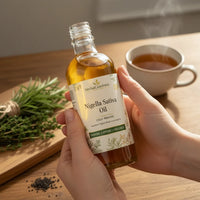
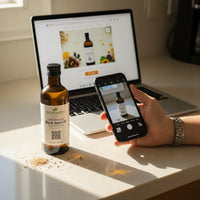
Curious about black seed oil, or Nigella sativa oil? You’re not alone! This natural oil has been admired around the world, but as its popularity grows, so do the myths. Shopping for black seed oil can feel confusing, especially with claims ranging from mysterious traditions to modern-day “miracles.” Whether you’re browsing labels online or picking up a bottle in-store, it’s helpful to separate real information from marketing stories and common misunderstandings. This guide uses straightforward language, relatable examples, and practical questions to clear up confusion—so you can feel confident navigating black seed oil’s world of choices.
Decoding Black Seed Oil: Clearing Up Common Myths
Myth 1: “All Black Seed Oil is the Same”
It’s easy to think all black seed oil is identical, but the reality is more nuanced. While every bottle may list Nigella sativa on the label, details like seed origin, extraction process, and filtration can influence taste, aroma, and even oil quality. The seeds can be sourced from different regions, leading to subtle differences in flavor or color. Just like olive oil varies by region and process, black seed oil can differ too—and recognizing these variations empowers you as a shopper.
Some shoppers appreciate regionally sourced herbal blends, such as Soursop Leaf Graviola Extract 15X Liquid | Organic Cell & Immunity, which demonstrate how origin plays a role in quality and benefits across various natural oils and extracts.
Myth 2: “Cold-Pressed” Always Means “Best”
“Cold-pressed” is a phrase seen on many black seed oil bottles. This simply means the oil was extracted at low temperatures, usually under 120°F, to preserve natural properties. While cold-pressing is respected, it’s not the only method, nor is it a guarantee of ultimate quality. Some higher-grade oils use additional gentle filtering for improved taste or clarity. To be informed, check labels for specifics: Is the oil both cold-pressed and unrefined? Has it been filtered or left raw? Honest product listings will often explain these details.
Savvy shoppers scan for trustworthy processing details, much like when reviewing Organic Papaya Leaf Extract 16oz | 15X Liquid – Best Value Size, which clearly lists extraction strengths and processing steps. This transparency is a helpful benchmark for any wellness product.
Myth 3: “Ultra-Pure Means No Natural Aroma or Flavor”
Some shoppers believe top-tier black seed oil should smell or taste almost neutral. However, pure Nigella sativa oil naturally has an earthy, peppery aroma and a distinct flavor—these are clues to authenticity! If a product seems unusually odorless or flavorless, this might signal over-processing, excessive refining, or even dilution. Trust your senses: a noticeable aroma and flavor are generally signs of real black seed oil.
Those who enjoy pronounced herbal flavors may also appreciate products with authentic taste signatures, like the Raw Sea Moss 8oz Bag | St. Lucia Wildcrafted – Nature's Multivitamin, which highlights traditional crafting for original flavor.
Myth 4: “The Darker, the Better?”
You might hear that darker black seed oil indicates more potency. While some natural variation in color is expected (from amber to deep gold), very dark shades can be caused by sediment or additives. Authentic, high-quality oil can range in color but should look clear—not cloudy or heavy with particles. Don’t judge quality solely on shade; focus on transparency, aroma, and reliable sourcing instead. This same clarity standard is seen in wellness teas such as Soursop Leaf Tea | Organic Graviola 24 Bags | Soursop Tea Benefits for Immunity & Wellness, where appearance signals careful processing.
Myth 5: “Expensive Means Superior”
Pricing for black seed oil can vary widely, leading to the belief that costliest equals highest quality. However, steep pricing isn’t always a signifier of purity or craftsmanship. Costs can reflect importation, branding, or packaging just as much as real value. Instead of focusing only on price, check for transparent sourcing, independent testing, and clear labeling to help distinguish worthwhile products.
Understanding Product Labels: Spotting Genuine Black Seed Oil
Key Phrases to Know
- Cold-Pressed: Oil extracted without high heat; commonly preferred for flavor and natural properties.
- Virgin/Unrefined: Indicates minimal processing; look for both terms together for an extra layer of trust.
- 100% Pure: Frequently stated, but only reliable if supported by certifications or third-party lab results.
Pro Tip: Some labels may include “first press” or “extra-virgin,” similar to olive oil. These are not officially regulated but can signal attention to process. Always cross-reference with sourcing information for assurance.
What About Additives or Blends?
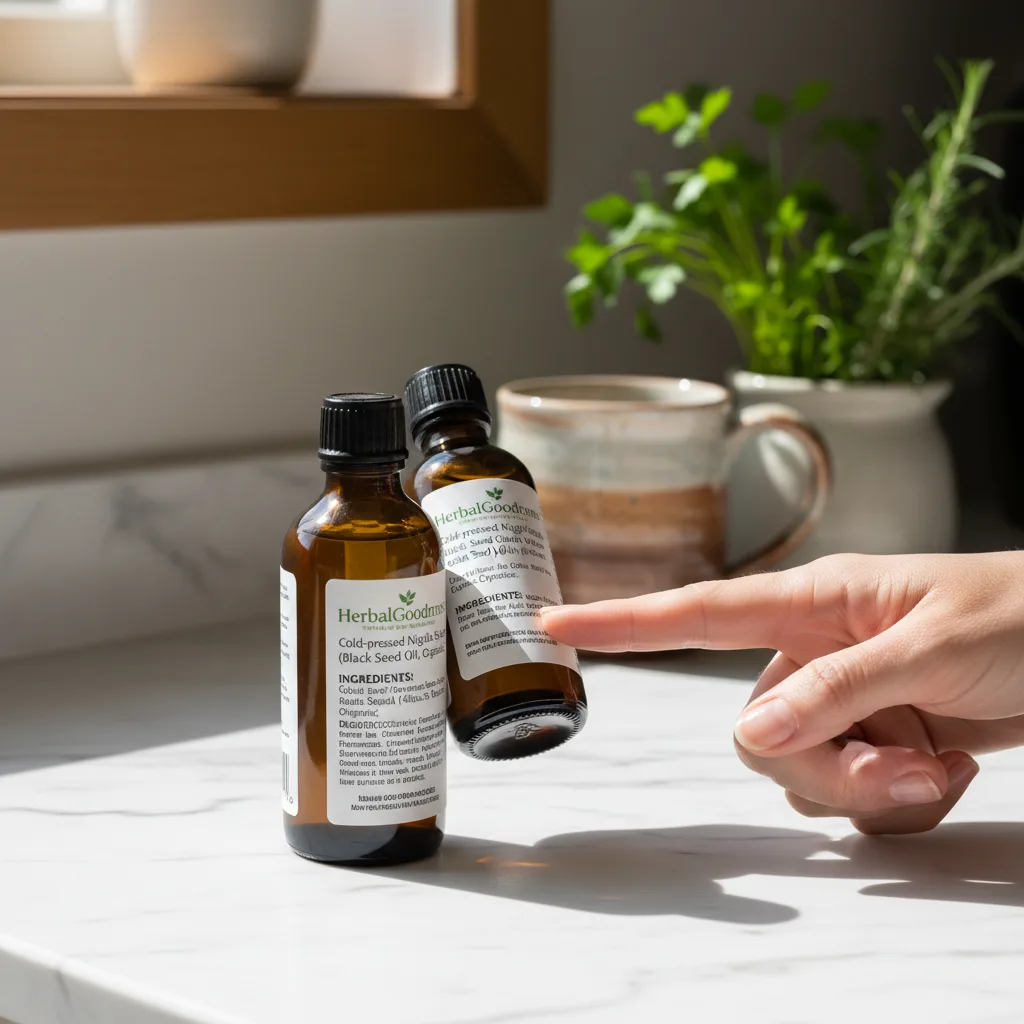
Check the ingredient list. True black seed oil contains only Nigella sativa seed oil. If you notice listed carrier oils, flavoring, or anything other than black seed, you’re looking at a blend. Blends aren’t necessarily “bad,” but be aware of what you’re buying. For those seeking authentic black seed oil only, simplicity in the ingredient list is key. This ingredient scrutiny is just as valuable when choosing extracts such as Organic Papaya Leaf Extract 1oz | 15X Liquid – Trial & Travel Size, where ingredient transparency is front and center.
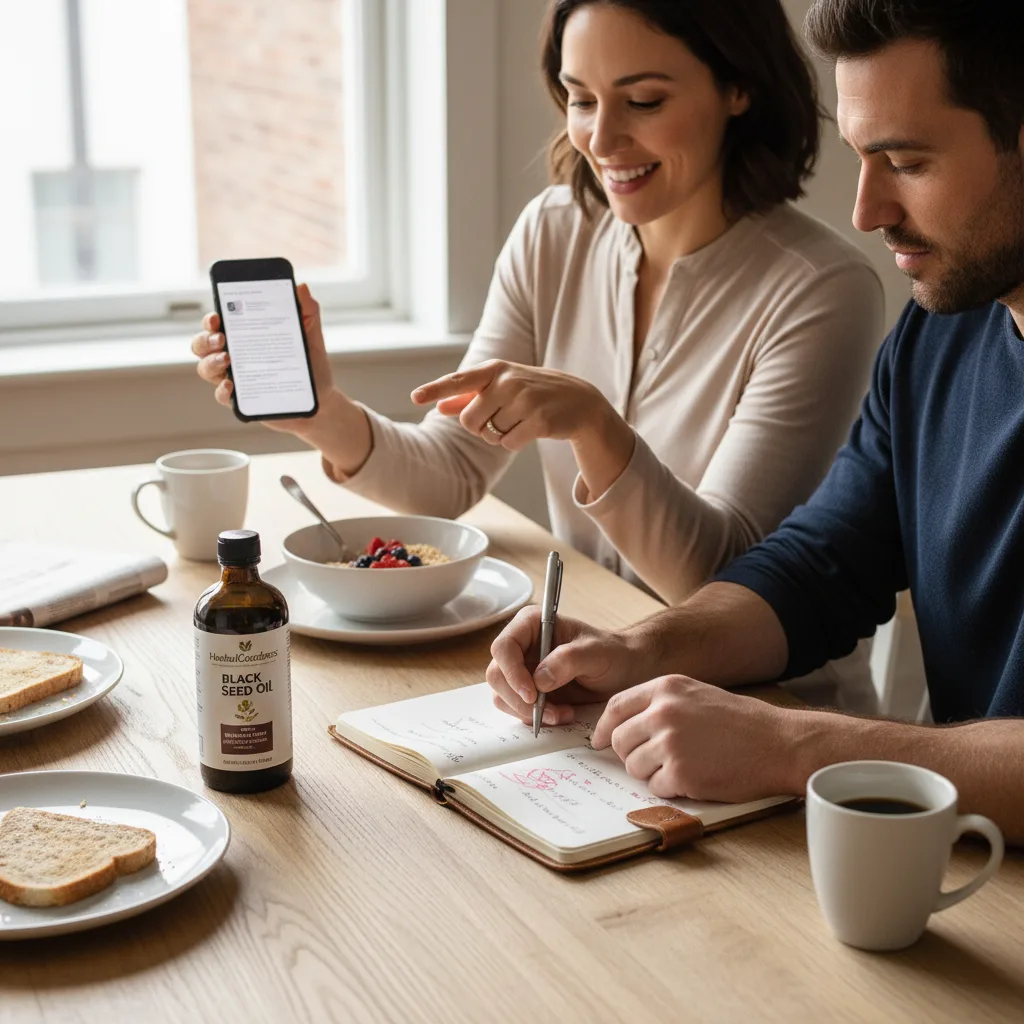
Practical Sensory Assessment: Using Your Senses to Evaluate Black Seed Oil
Visual Clues
- Clarity: High-quality oil should appear clear when poured into a spoon. Some minor sediment is natural, but heavy cloudiness or debris may be a sign of poor filtration.
- Color: Expect anything from light amber to golden brown. Extreme darkness, especially if opaque, warrants caution.
Aroma and Taste
- Aroma: Unmistakable and earthy, with slightly spicy or peppery notes. If your oil smells bland, overly sharp, or chemical-like, reconsider its authenticity.
- Taste: Distinct, bold, and peppery. While not everyone finds the flavor pleasant, its presence is a genuine clue to the oil’s origin. No flavor? It could be over-refined or diluted.
If you’re interested in comparing sensory cues, consider trying other single-ingredient products, such as Soursop Graviola Leaf Extract Capsules 10X | 60ct – Cell & Immunity, to experience a variety of unblended botanicals.
Separating Folklore from Shopping Reality
Stories about black seed oil’s traditional uses abound, and while honoring heritage is important, some marketing exaggerations appear in today’s product claims. Folkloric references often mention black seed oil’s legendary place in history, but true quality is determined by sourcing transparency, handling, and simple composition—not just vivid storytelling. As a shopper, asking clear, practical questions will help you distinguish between meaningful tradition and mere marketing embellishment.
For those seeking ingredients that have both a tradition and modern evidence of quality, transparent labeling is key—this can be seen in trusted wellness staples like Raw Sea Moss 8oz Bag | St. Lucia Wildcrafted – Nature's Multivitamin.
Questions Smart Shoppers Ask Before Buying Black Seed Oil
- Where are the Nigella sativa seeds sourced?
- Is the oil cold-pressed, unrefined, or otherwise minimally processed?
- Does the ingredient list contain only “Nigella sativa seed oil”?
- Has the oil undergone independent purity or quality testing?
- What sensory clues (color, aroma, flavor) are described in product listings or reviews?
- Is transparent sourcing information provided on the label or product website?
These simple questions help you move beyond myths or assumptions, allowing you to focus on real product value. For an example of a product with well-explained origins and straightforward labeling, check out the Black Seed Oil 8oz | Cold-Pressed Nigella Sativa – Immune & Daily Wellness as a benchmark for your comparisons.

Reading Between the Lines: Decoding Product Packaging and Listings
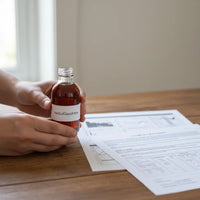
Marketing language can be clever, especially as natural wellness products expand in popularity. Instead of relying on buzzwords alone, look for specific sourcing details: region of origin for seeds, extraction date, batch numbers, or laboratory testing summaries. Third-party certifications—from organic to pure—are not mandatory but offer peace of mind, especially if you’re new to black seed oil. Don’t hesitate to contact customer support if information feels vague; trustworthy brands will answer with clarity, not just catchy phrases.
Nigella sativa Oil: Consumer Takeaways for Everyday Shoppers
- Black seed oil isn’t one-size-fits-all; differences in sourcing and crafting genuinely matter.
- Honest labeling, transparent ingredient lists, and clear sensory markers are more reliable than grand origin stories or luxury pricing.
- Trust both your senses and smart questions to demystify your purchase.
- The best oil for you aligns with your preferences in taste, aroma, origin, and shopping values—there’s no single “right” bottle for everyone.
A Final Word for Thoughtful Black Seed Oil Shoppers
Staying alert to myths and marketing hype helps you get the most from your search for quality black seed oil. With a little extra attention to labels, sourcing details, and sensory evaluation, you can make informed choices that reflect your values and preferences. Herbal Goodness encourages every shopper to learn, question, and discover—empowering you to enjoy the journey and the simple gifts nature offers, with no added confusion.
Frequently Asked Questions
Question 1: What are the signs of authentic black seed oil?
Answer: Look for clarity, an earthy and peppery aroma, and bold, distinct flavor. Transparent sourcing, cold-pressing details, and single-ingredient labels, as seen with Black Seed Oil 8oz | Cold-Pressed Nigella Sativa – Immune & Daily Wellness, are markers of authenticity.
Question 2: Does a higher price mean higher black seed oil quality?
Answer: Not necessarily. Pricing can reflect branding, import costs, or packaging. Focus on ingredient transparency, laboratory testing, and reputable sourcing, as you find with Soursop Leaf Graviola Extract 15X Liquid | Organic Cell & Immunity.
Question 3: Are black seed oil blends less effective than pure oil?
Answer: Blends can feature additional oils or additives; they aren't inherently bad, but single-ingredient products such as Organic Papaya Leaf Extract 16oz | 15X Liquid – Best Value Size offer more transparency if you want pure black seed oil benefits.
Question 4: How should black seed oil look and taste?
Answer: It should range from light amber to golden brown, appear clear, and offer a distinct earthy, spicy aroma and taste. Products lacking flavor or with excess cloudiness may be over-processed or improperly filtered.
Question 5: Is cold-pressed black seed oil always the best choice?
Answer: Cold-pressing preserves natural properties, but does not guarantee exclusivity of quality. Also consider processing steps, source, and certification, as shown in the careful extraction of Raw Sea Moss 8oz Bag | St. Lucia Wildcrafted – Nature's Multivitamin.
Question 6: Why is ingredient transparency so important in natural oils?
Answer: Ingredient transparency ensures you receive the pure product you expect, helps avoid unnecessary fillers, and builds trust in a brand. This principled approach is echoed in single-ingredient options like Soursop Graviola Leaf Extract Capsules 10X | 60ct – Cell & Immunity.
Question 7: Can black seed oil suit all shoppers’ needs?
Answer: Not always; preferences in taste, aroma, and region of origin will guide your best choice. Assess your priorities and compare detailed labels to find the most suitable product.
Curious shoppers deserve clear answers! Use these practical tips to evaluate black seed oil before your next purchase and feel empowered to make knowledgeable choices for your wellness journey.
About the Author
Herbal Goodness Editorial Team
The Herbal Goodness Editorial Team specializes in holistic health and superfoods, blending science and nature to educate and empower our community.
References
Oregano Oil vs. Black Seed Oil: Sensory & Sourcing Guide