





Best Food-Grade Oil of Oregano for Fermentation: Beginner's Guide

Starting your fermentation journey with organic oil of oregano can open a world of invigorating flavors and aromatic depths in homemade pickles, shrubs, and condiments. For food-curious beginners seeking to experiment with natural ingredients, understanding the nuances of flavoring with food-grade oregano oil is key. This guide walks you through distinguishing culinary oils from supplements, safe and effective dilution for edible projects, pairing ideas, and a step-by-step introductory experiment plan—all designed to keep your process flavorful, fun, and safe.
Understanding Organic Oil of Oregano for Fermentation
What Makes Oil of Oregano Unique?
Organic oil of oregano is derived from the leaves and flowers of the oregano plant, resulting in a potent, aromatic oil celebrated by chefs and home fermenters alike for its bold, savory notes. When used judiciously, a food-grade oregano oil infuses ferments with an invigorating herbal profile while complementing other spices and vegetables in pickles or shrubs.
Culinary vs. Supplement-Grade: Why It Matters
Before using oregano oil in your ferments or kitchen experiments, it’s important to distinguish between culinary (food-grade) and supplement-grade oils:
- Culinary or food-grade oil: Clearly labeled for kitchen use, produced under strict purity standards, and intended for consumption in small amounts.
- Supplement-grade oil: Typically much more concentrated, intended for supplemental capsules or diluted drops, not formulated for internal use in foods or drinks as-is.
For any edible project, always select an oil specifically labeled as food-grade. Brands such as Herbal Goodness offer these distinctions on their labels to help you choose safely.
Safety First: Why Dilution Matters in the Kitchen
Oil of oregano is extremely powerful, both in aroma and flavor. Undiluted, even a single drop can easily overpower a dish or be harsh on sensitive palates. Proper dilution helps:
- Integrate flavor gently into recipes
- Prevent overwhelming or bitter results
- Maintain enjoyment and safety in culinary settings
As you explore culinary oils, consider complementing your regimen with antioxidant-rich herbal teas like Soursop Leaf Tea | Organic Graviola 24 Bags | Soursop Tea Benefits for Immunity & Wellness to support gut wellness alongside ferments.
Simple Dilution and Dosing Guidelines for Edible Projects
General Dilution Basics
Out of respect for its intensity, oil of oregano is almost always diluted before it enters a recipe or ferment. Here are foundational tips for beginners:
- One single drop of food-grade oregano oil is often enough for a small batch (e.g., a quart jar) of pickled vegetables or a bottle of shrub.
- For extra-mild results, dilute one drop of oil into a teaspoon or tablespoon of a neutral carrier oil—such as organic olive or grapeseed oil—before adding to your brine or mash.
- Beginners are encouraged to err on the side of less: you can always add more, but strong flavors are much harder to remove.
For those seeking whole-body support during kitchen experimentation, try incorporating options like 15 Day Detox Capsules | Papaya Enzyme & Papaya Seed Powder | Natural Full-Body Cleanse as part of a daily wellness routine.
Measuring for Precision
If you’re new to working with essential oils in food, a glass dropper and precise kitchen measures can help. Start with these ratios:
- For quart-sized ferments: 1 drop oil of oregano (diluted) per quart
- For 16 oz batch condiments or shrubs: ½ to 1 drop (if possible), diluted in a carrier oil or water, per batch
Always stir thoroughly to disperse the oil and taste as you go. Building up your sense of oregano oil’s potency is one of the most rewarding parts of the process.
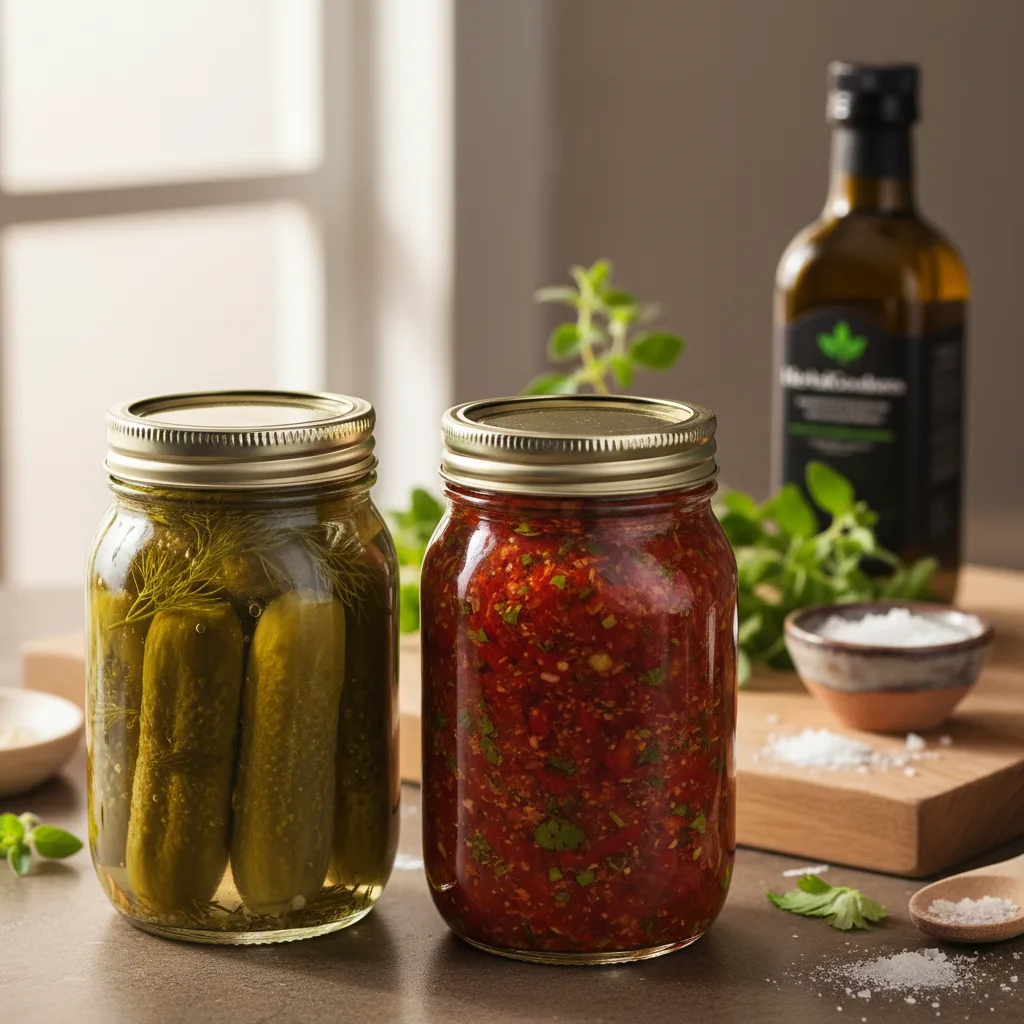
Creative Flavor Pairings with Oil of Oregano in Kitchen Ferments
Oil of oregano’s profile is warm, peppery, and faintly minty, making it a natural partner to many traditional ferment ingredients.
Classic Pairings:
- Garlic and peppercorn
- Bay leaf, mustard seed, and coriander
- Fresh green herbs like parsley or basil
Pair the immune-boosting qualities of oregano with an infusion like Soursop Leaf Graviola Extract 15X Liquid | Organic Cell & Immunity to enhance the wellness factor of your creations.
Bolder Pairings:
- Citrus peels (lemon, orange)
- Chili, jalapeño, or other fresh peppers
- Red onion or shallot
Pairing these with the earthy strength of oil of oregano creates a layering effect, allowing the essence of each ingredient to shine in your finished product.
Shrubs and Vinegar Drinks
In shrubs or drinking vinegars, oregano oil adds a refreshing edge and herbal complexity. Try pairing it with apple cider vinegar, honey, and berry fruits for a unique kitchen treat. The inclusion of antioxidant-packed teas, such as Organic Papaya Leaf Tea | 24 Premium Bags – Caffeine-Free, can further add depth and digestive support to your beverage routines.
How to Recognize a Food-Grade Oil of Oregano Label
Navigating the labels can be confusing, but a few key markers set food-grade oils apart:
- The term "food-grade." This should appear clearly on the packaging.
- Ingredient list: Should show oregano oil (Origanum vulgare) and a carrier oil like olive oil (typically used to dilute and render safe for culinary use).
- No additional ingredients: Avoid artificial additives, synthetic excipients, or flavors not intended for food use.
- Certifications: Look for organic certification or non-GMO marks when possible.
When browsing major herbal brands, carefully read the product’s label and only select those that indicate safe culinary use, such as Oil of Oregano 75% Carvacrol | 2oz – Potent Immune & Antifungal Support.

Step-by-Step: Beginner’s Kitchen Experiment Plan
Ready to put your new knowledge into practice? Here’s a basic framework for trying oil of oregano in your first home ferment. This plan encourages careful experimentation without crossing into medical or supplemental use.
Supplies Needed
- 1 quart mason jar
- Fresh vegetables (cucumbers, carrots, cauliflower, etc.)
- 2 cloves garlic (optional)
- 1 tablespoon sea salt
- 2 cups filtered water
- 1–2 sprigs of herbs (dill, thyme, or basil)
- 1 drop food-grade organic oil of oregano
- 1 teaspoon olive or grapeseed oil (for dilution)
- Clean glass dropper
- Non-metal lid
Steps
- Prepare Your Brine: Dissolve salt in filtered water.
- Chop Vegetables: Pack the jar with chopped veggies and optional aromatics.
- Dilute Oregano Oil: In a small measuring cup, blend 1 drop oil of oregano with the carrier oil.
- Add to Jar: Pour the diluted oil over your packed vegetables.
- Cover with Brine: Pour saltwater brine to fully submerge vegetables.
- Cap Loosely: Fermentation produces gases—keep the lid loose or use a fermentation weight.
- Ferment Safely: Store at room temperature, tasting after 48–72 hours. Move to the fridge when flavor peaks.

Remember, it’s best to keep initial experiments small, both for safety and flavor balance. Take notes on taste, aroma, and the overall fermentation profile—these will guide future batches as you discover what works best in your kitchen.
When looking for further inspiration, explore blends like Bamboo Leaf Tea 24 Bags | Nature's Silica – Collagen & Biotin Support to pair alongside your probiotic projects for overall wellness.
Best Practices for Safe, Flavorful Experiments
- Start with small batches to minimize risk if adjustments are needed.
- Taste before and after fermentation to observe flavor changes.
- Label jars with dates and dilution ratios for tracking.
- Always use food-grade oils only.
- Keep workspaces and utensils clean to support positive fermentation.
Interested in supporting gut and immune health further? Herbal infusions such as Organic Papaya Leaf Extract 16oz | 15X Liquid – Best Value Size can make nourishing additions to your daily beverage rotation.
Troubleshooting Your Oregano Oil Ferments
Even with care, a few common issues may arise when working with concentrated oils. Here’s how to navigate them:
- Overpowering flavor: If the batch is too strong, use less oil, or dilute further in the next round.
- Cloudiness or separation: Shake or stir before serving, as natural separation is common with oil and brine.
- Sharp aroma: Let the ferment mellow in the fridge for a few extra days; oregano oil’s top notes can soften over time.
Next Steps: Growing Your Skills
As you gain confidence, consider keeping a flavor journal and adjusting your methods. Explore different vegetable combinations, play with new spices, and track how fermenting time changes oregano oil’s aroma. Over time, you will develop a keen sense for how even a small drop of this potent oil influences the whole batch.
Herbal Goodness encourages experimentation with the highest regard for safe, food-grade standards—empowering you to shape your own unique kitchen traditions.
Frequently Asked Questions
Question 1: How do I know if my oil of oregano is food-grade?
Answer: Check the product label for the phrase "food-grade" and confirm that the ingredient list contains oregano oil and a carrier oil like olive oil. For a safe option, refer to Oil of Oregano 75% Carvacrol | 2oz – Potent Immune & Antifungal Support which is clearly marked for culinary use.
Question 2: Can I use dietary supplement-grade oregano oil in food fermentation?
Answer: No, supplement-grade oregano oil is far more concentrated and typically not formulated for direct culinary use. Always select a culinary or food-grade oil designed for kitchen applications, such as food-grade oregano oil.
Question 3: What should I do if my ferment tastes overly strong or bitter?
Answer: If the flavor is overpowering, use less oil or further dilute it in your next batch. For enhanced wellness support, try pairing your ferments with herbal options such as Soursop Leaf Tea | Organic Graviola 24 Bags | Soursop Tea Benefits for Immunity & Wellness.
Question 4: How can I prevent cloudiness or oil separation in my brine?
Answer: Natural separation between oil and brine is common. Give the jar a gentle shake or stir before serving. For diverse benefits, consider including teas like Bamboo Leaf Tea 24 Bags | Nature's Silica – Collagen & Biotin Support alongside your ferments.
Question 5: Are there any herbs or teas that pair well with fermented foods?
Answer: Yes, herbal teas such as Organic Papaya Leaf Tea | 24 Premium Bags – Caffeine-Free and Soursop Leaf Tea | Organic Graviola 24 Bags | Soursop Tea Benefits for Immunity & Wellness complement the flavors and health benefits of fermented dishes.
Question 6: What’s the best way to start experimenting with oil of oregano in ferments?
Answer: Begin with one drop of diluted food-grade oregano oil for a quart-size batch. Follow the guide above and experiment with classic pairings like garlic, fresh herbs, and citrus. Keep batches small and take notes on flavor!
Question 7: Can herbal wellness products support my fermenting routine?
Answer: Absolutely. Herbal products such as 15 Day Detox Capsules | Papaya Enzyme & Papaya Seed Powder | Natural Full-Body Cleanse and Organic Papaya Leaf Extract 16oz | 15X Liquid – Best Value Size can complement your overall digestive and immune wellness.
Ready to explore fermented flavors at home? Start small, experiment boldly, and always choose food-grade organic oil of oregano for your culinary projects.
About the Author
Herbal Goodness Editorial Team
The Herbal Goodness Editorial Team specializes in holistic health and superfoods, blending science and nature to educate and empower our community.