





Best Bitters for Occasional Constipation: Flavor‑First Shopper’s Guide

For many, bitters are a time-honored approach to supporting occasional bowel irregularity, valued as much for their complex taste as for their role in digestive rituals. But with so many products labeled "digestive bitters" and a wide range of flavor notes, ingredient lists, and extraction types, picking the right blend can feel overwhelming. If you're seeking gentle herbal support for occasional constipation, a little label savvy and flavor awareness can go a long way toward a satisfying, enjoyable choice. This guide will help you compare popular bitter botanicals, decode label language, understand extraction differences, and taste-test safely—always with self-trust and awareness front and center.
Bitter Botanicals Commonly Used for Occasional Constipation
Shopping for bitters? It helps to know which plants people have long favored in this tradition. While no herb is a one-size-fits-all answer, certain botanicals are especially well-known for their role in supporting digestive comfort and regularity. Understanding their typical flavor profiles can also help you find a blend that feels right for your palate.
1. Dandelion Root (Taraxacum officinale)
- Taste: Earthy, slightly sweet, strong bitterness.
- Traditional Use: Common as a base for bitters, dandelion root is appreciated for its gentle, earthy flavor and versatility in blends. For those seeking a straightforward, bottler-tested extract of this classic botanical, explore Dandelion Root Liquid Extract | Liver & Detox Wellness as a useful starting point for your bitters journey.
2. Artichoke Leaf (Cynara scolymus)
- Taste: Sharp, green, and pronounced bitterness.
- Traditional Use: Often featured in European-style bitters, artichoke contributes complex vegetal notes that can give blends an assertive edge.
3. Gentian Root (Gentiana lutea)
- Taste: Very bitter, floral undertone, long finish.
- Traditional Use: Renowned for its intense bitterness, gentian is prized as a "power bitter"—often used judiciously for bold blends. In blends you consider, check labels to see if gentian is one of the key ingredients—its presence can significantly change flavor strength.
4. Orange Peel (Citrus aurantium or sinensis)
- Taste: Bright, citrusy, aromatic, mild bitterness.
- Traditional Use: Orange peel offers a refreshing balance, rounding out harsher flavors and making blends more palatable.
5. Angelica Root (Angelica archangelica)
- Taste: Musky, herbaceous, “wild green” character.
- Traditional Use: Angelica’s distinct flavor profile is both complex and aromatic, bringing depth to bitters.
6. Burdock Root (Arctium lappa)
- Taste: Mild, sweet-bitter, earthy.
- Traditional Use: Celebrated for its subtle bitterness and grounding quality, burdock can mellow out punchier flavors.
Among others, ingredients like milk thistle seed, yellow dock, and cardamom are sometimes included for nuance and tradition; always check blends for what suits your taste and needs. If you prefer a more comprehensive herbal approach, consider exploring Bulk Herbs & Roots Online for Tea, Tinctures & DIY Wellness - Organic 4oz Bags, which allows for custom bitters blending at home with a range of roots and botanicals.
Comparing Extraction Types: Alcohol, Glycerite, and Vinegar Bitters
Bitters are available in several extraction forms, each affecting their flavor, shelf-life, and label requirements. Understanding these differences helps you shop confidently and choose wisely for both taste and daily use.
Alcohol Extraction (Tinctures)
- Taste: Brings forth the full bitterness and aromatic complexity of botanicals.
- Shelf Life: Longest lasting (often several years when stored well).
- Label Clues: Usually lists "ethyl alcohol" or "organic cane alcohol." May have ABV% (alcohol by volume).
- Usage Tips: Start with a small amount (as little as a few drops) to assess both taste strength and your body’s response.
Glycerite Extraction
- Taste: Sweeter, smoother; generally less intensely bitter than alcohol tinctures.
- Shelf Life: Moderate (often up to 1–2 years).
- Label Clues: Lists “vegetable glycerin” or “glycerite.” Suitable for those avoiding alcohol.
-
Usage Tips: May be preferable if you are sensitive to alcohol or prefer a milder, more approachable bitterness.
Vinegar Extraction
- Taste: Tart, tangy with underlying bitterness; may appeal to those who enjoy vinegar-forward flavors.
- Shelf Life: Shorter (typically 6 months to 1 year).
- Label Clues: Will include “apple cider vinegar” or “white vinegar.”
- Usage Tips: Ideal for culinary use (e.g., salad dressings); gentle, but flavor may override subtle herbal notes.
Understanding which extraction resonates with your taste preferences—and practical storage needs—can make your bitters experience smoother from the start. If you're curious about a gentle companion liquid, the Body Detox Papaya Seed | Organic 15X Liquid Extract for Gut provides a botanically rich formula designed for gut support, complementing a bitters routine beautifully.
How to Read Bitters Labels with Confidence
Bitters bottles often feature a medley of herbs and unfamiliar terms. Empower yourself to shop smart by looking for these clues and safety signals on any blend you’re considering:
Identify Core Bitters
Look for the main "bittering agents" (often the first few ingredients): gentian, dandelion, artichoke, burdock, or angelica. These signals the product’s focus is truly on bitterness. Sometimes, you might find blends also featuring botanicals with extra digestive benefit—like papaya leaf—among the first few ingredients. Products such as Papaya Leaf Extract 10X Capsules 600mg | Platelet & Digestive Aid may offer unique synergy for those aiming to support digestive flow.
Supporting Botanicals & Flavorings
Citrus peels, spices (cardamom, cinnamon, ginger), and aromatics are often blended for culinary balance. Identify what’s meant to soften or complement the bitter effect, especially if you’re flavor-sensitive.
Source Quality & Transparency
Prefer brands that:
- Name botanicals clearly (both common and Latin names useful)
- List all ingredients, not vague “proprietary blend”
- Indicate whether herbs are organic or wildcrafted
Extraction and Base Medium
The label should specify the extraction base (alcohol, glycerin, vinegar), giving insight into taste and shelf-life expectations.
Additional Additives or Sweeteners
Check for:
- Artificial flavors, colors, or preservatives (if you’d rather avoid them)
- Sweeteners or syrups, especially in glycerites
Allergen Information
If you have sensitivities, always scan for potential allergens (citrus, tree nuts, gluten, etc.), and manufacturer cross-contamination notes. If allergen safety is a recurring concern, adding options such as Bulk Loose Leaf Teas & Tisanes - Organic 4oz - Herbal Wellness Teas to your kitchen lets you control every ingredient, ensuring custom blends are safe for you.
Safety Warnings
Trustworthy products include guidance like:
- Not for use during pregnancy or lactation (unless advised)
- Keep out of reach of children
- When to consult a health professional
Flavor-First: Finding Your Personal Bitters Taste
Bitters range from bracingly sharp to gently balanced. Everyone has unique taste preferences—so making your experience enjoyable means exploring and tracking what truly works for you.
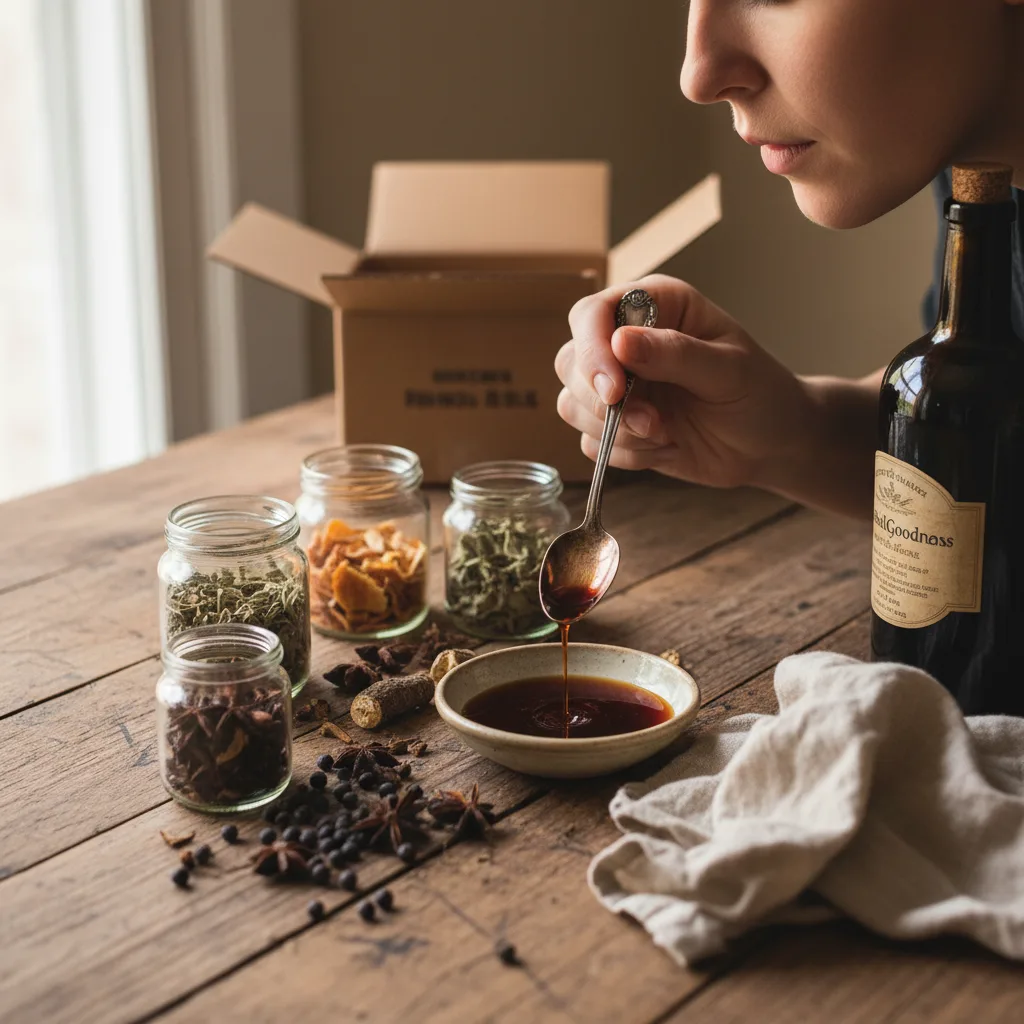
Sampling Tips for Taste and Tolerance
- Start Small: Try just a drop on the tongue or diluted in a little water. Allow the flavors to unfold.
- Notice the Complexity: Is it floral, citrusy, root-heavy, or grassy? How does the taste linger?
- Track Sensations: Note both flavor enjoyment and your physical response after 15–30 minutes.
- Try at Different Times: Some prefer bitters before meals; others may choose after. See what fits your rhythm.
Recording Your Experience
Keep a simple journal:
- Date & time sampled
- Bitters brand and ingredients
- Extraction type (alcohol, glycerin, vinegar)
- Immediate taste impression
- How you felt shortly afterward
This practice helps you discover which blends suit your daily life—and which extraction types or botanicals you might avoid.

Personalizing Your Bitters Exploration
With so many nuances, the journey to picking the best bitters for occasional constipation is deeply personal. Here are practical, gentle ways to try at your own pace:
- Start with single-herb extracts if you’re hesitant, so you can better identify what each botanical feels and tastes like. Sampling single-botanical liquids like Papaya Leaf Extract - 1oz 15X Organic Liquid can help you recognize individual flavor notes before integrating more complex blends.
- Sample from small bottles or travel-size "bitters samplers" from brands like Herbal Goodness; they offer variety without commitment. If you plan to craft bitters at home, Bulk Herbs & Roots Online for Tea, Tinctures & DIY Wellness - Organic 4oz Bags let you tailor your supply for kitchen experiments.
- Mix bitters into flavorful carriers: Try a small dose in sparkling water or a splash of juice if straight tastes too strong. Many people also enjoy bitters in relaxing herbal teas, such as Papaya Leaf Tea | Organic 24 Premium Bags – Caffeine-Free, which bring both digestive comfort and sippable pleasure.
- Rotate blends: Some prefer different notes (earthy vs. citrus) at different times or with different foods. If you want to keep your options open, maintaining a few favorites like Papaya Seed Powder Capsules 60ct | 600mg – Gut & Colon Cleanse Support or Body Detox Papaya Seed | Organic 15X Liquid Extract for Gut makes it simple to tune your regimen.

When to Seek Additional Guidance
Bitters are generally considered gentle for most, but they’re not right for everyone. Always check with a health professional if you:
- Are pregnant, breastfeeding, or planning to be
- Take prescription medication or have complex health needs
- Notice any persistent or unexpected sensations after sampling
- Experience changes that make self-care feel out of your comfort zone
Your well-being comes first. Herbal Goodness and other reputable purveyors encourage you to approach botanicals as part of an ongoing, mindful wellness journey—not a quick fix.
Takeaway: Savoring the Search for the Best Bitters
Choosing bitters for occasional constipation is both an art and a science. When you focus on flavor, label transparency, and self-awareness, you’ll be well equipped to sample confidently and discover what makes you feel supported. Remember: your palate, your preferences, and your pace matter. Always trust your senses and stay label-literate on your journey with herbal bitters.
Frequently Asked Questions
Question 1: Which botanicals should I look for in bitters blends for occasional constipation?
Answer: Look for key bittering agents like dandelion, artichoke, gentian, burdock, or angelica root. You can also use single-botanical extracts, like Dandelion Root Liquid Extract | Liver & Detox Wellness or add digestively supportive botanicals such as Papaya Leaf Extract 10X Capsules 600mg | Platelet & Digestive Aid to your routine.
Question 2: What’s the difference between alcohol, glycerite, and vinegar-based bitters?
Answer: Alcohol-based bitters bring out maximum bitterness and last the longest. Glycerites, found in options like Body Detox Papaya Seed | Organic 15X Liquid Extract for Gut, are sweeter, smoother, and suitable for those avoiding alcohol. Vinegar-based bitters are tangy, best for culinary use, and have a shorter shelf life.
Question 3: How do I know if a bitters blend is high-quality?
Answer: Choose blends with clear labeling (both common and Latin botanical names), full ingredient disclosure, and organic or wildcrafted sourcing. Bulk ingredients from Bulk Herbs & Roots Online for Tea, Tinctures & DIY Wellness - Organic 4oz Bags provide transparency and ingredient control.
Question 4: I have food sensitivities. How can I make bitters work for me?
Answer: Create your blend at home with Bulk Loose Leaf Teas & Tisanes - Organic 4oz - Herbal Wellness Teas or select single-herb extracts like Papaya Leaf Extract - 1oz 15X Organic Liquid. Always read labels carefully for allergens and cross-contamination notices.
Question 5: Are there products that pair well with bitters for added gut support?
Answer: Yes. Consider pairing with Body Detox Papaya Seed | Organic 15X Liquid Extract for Gut or Papaya Seed Powder Capsules 60ct | 600mg – Gut & Colon Cleanse Support for comprehensive digestive comfort.
Question 6: How can I safely start using bitters if I’m new?
Answer: Start small with a low dose, observe your body’s response, and keep a tasting journal. Try a single-herb option like Papaya Leaf Extract - 1oz 15X Organic Liquid for a gentle introduction.
Question 7: What if I need professional support choosing herbal products?
Answer: Seek guidance from a trained herbalist or health professional, especially if combining multiple botanicals. For tailored support, consider resources such as Personal Consultation with Herbalist or Health Coach for expert advice.
Curious about which bitters might suit your palate and routine? Explore, taste, and trust your senses as you find blends that support your journey, always mindful of quality and personal comfort.
About the Author
Herbal Goodness Editorial Team
The Herbal Goodness Editorial Team specializes in holistic health and superfoods, blending science and nature to educate and empower our community.
Related Articles
Papaya Leaf Tea Brewing Lab: Home Experiments for Flavor & Ritual Discovery
Papaya Leaf Extract Liquids Explained: Formats, Labels, and Everyday Uses Guide
Soursop Bitters Serving Guide: Understanding Droppers, Dashes & ml