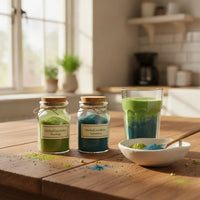





At‑Home Quality Checks for Moringa Powder: Sensory Tests and Storage Tips

Moringa leaf powder is celebrated for its place in wellness routines, but not all moringa is created equal. As a curious shopper or someone new to superfoods, figuring out how to judge the quality of moringa powder at home can feel overwhelming. Fortunately, you don’t need lab equipment or expert training to make smart choices. With a few simple, sensory-based tests and practical storage tips, you can confidently assess the quality of your moringa powder or leaf products—and ensure you’re getting the freshness and integrity you expect. This guide walks you through each step, focusing purely on visible, sensible markers of quality and product integrity.
Visual and Sensory Clues: What Fresh Moringa Should Look and Smell Like
One of the quickest ways to gauge moringa powder quality at home is to look and smell carefully. Moringa leaf products express their condition and handling history through color, aroma, and even texture. Here’s what to check:
Color: Vibrant Green Is a Positive Sign
High-quality moringa powder typically possesses a bright, rich green color. This hue indicates gentle processing and careful drying—steps that help preserve the leaf’s properties. If you notice pale, yellowish, brown, or dull olive tones, the powder may have been exposed to air, sunlight, or excessive heat, which can signal a loss of quality during production or storage.
- Freshness Clue: Consistently vibrant green color across the powder suggests minimal oxidation.
- Warning Sign: Dull, dusty, or patchy colors may reveal old, poorly stored, or adulterated product.
Aroma: Earthy and Herbal, Not Musty or Sour
Open your bag or jar and sniff—moringa’s aroma offers excellent cues. Fresh moringa powder should have a clean, grassy, herbal scent, perhaps slightly sweet or earthy. It shouldn’t smell stale, sour, moldy, or sharply bitter.
- Freshness Clue: Inviting, natural herbal or green tea-like aroma.
- Warning Sign: Any musty, chemical, or off-putting smell is a sign the moringa may have expired, been exposed to moisture, or is not pure leaf.
Texture and Grind: Fine, Uniform, and Silky
Moringa powder is typically ground very fine. Rub a small amount between your fingers.
- Freshness Clue: Quality powder feels soft, silky, and uniform with minimal clumping.
- Warning Sign: Large, hard particles, excessive sticks or stems, or obvious grit signal poor milling or inclusion of unwanted plant parts.
A Simple Solubility or Rehydration Test: Mix and Observe
A quick, practical test you can try at home is a solubility or rehydration check. This does not require any special equipment, just a glass of water:
- Add half a teaspoon of moringa powder to a clean glass of room-temperature water.
- Stir briskly for 20 to 30 seconds.
-
Observe what happens:
- Quality moringa powder will suspend well, creating a mostly uniform green solution, though some plant material may settle to the bottom.
- Powder that forms large clumps, floats persistently, or produces a heavy residue on top may not be well milled, could have wet storage, or contain additives.
Note: Moringa leaf powder will not dissolve fully in water—it is not an extract—but a fresh, fine powder will disperse easily and look even.
For individuals experimenting with other high-quality herbal powders, consider how Organic Papaya Seed Powder 4oz behaves in similar home tests. Pure powders should always present uniformity in texture and appearance. This sensory approach can be applied to more than just moringa, allowing you to compare products with confidence.

Understanding Grind Sizes and Cuts: Why Fineness Matters
The texture of your moringa matters for many uses. While most moringa sold as a powder should be finely ground, some brands sell “leaf cut” or “coarse” for tea infusions.
- Fine Powders: Good for blending into drinks or smoothies without leaving gritty residue.
- Coarse/Cut Leaves: Intended for steeping as tea.
You may want to explore products like our Bulk Herbs collection when seeking coarser herbal cuts. Check the packaging description and make sure the grind matches your intended use. Oversized particles in powder form may mean poor processing or shortcuts and are less ideal for mixing smoothly.
What Do Label Terms Really Mean? Decoding Moringa Packaging
Reading the label carefully helps you spot product quality before even opening the package. Here are key terms and what they indicate:
Origin or Sourcing Country
Labels that specify the origin of the moringa (such as “Product of India,” “Sourced from Africa,” or “Single-Origin”) show transparency and traceability—a positive sign when quality matters. The same attention to labeling can be found on responsibly sourced superfoods, including papaya-based herbal blends and moringa extracts.
Mesh Size
Mesh size (e.g., “100 mesh”) refers to how finely the moringa is ground. A higher number indicates a finer powder. Finer mesh is generally preferred for drinks, whereas lower mesh or “cut/sift” is for teas.
Extract Ratios
If your moringa product label mentions anything like "10:1 extract," this refers to how much raw material was used versus the amount in the finished extract. Pure moringa leaf powder should not list an extract ratio—only extract products do. If you see a ratio on something sold as “powder,” it’s good to check what exactly you are buying. If you do seek a highly potent extract, Moringa Leaf Extract 15X Liquid | Organic – Immunity & Total Wellbeing offers a standardized alternative to powder form and can help clarify labeling differences.

Additives and Ingredients List
Pure moringa powder should only list “Moringa oleifera leaf” (possibly with the country of origin). Additional ingredients or flavorings may indicate blends or lower purity. Similarly, when choosing blends like Organic Papaya Leaf Extract 16oz | 15X Liquid – Best Value Size, always check for transparency in the ingredient list to maximize wellness benefits.
Shelf Life and Storage: How to Prolong Freshness
Once you’ve confirmed your moringa looks, smells, and mixes like it should, storage becomes the next key to keeping it fresh.
Storage Tips
- Keep moringa powder in an airtight container—preferably glass or high-quality plastic.
- Store away from direct sunlight, heat, and moisture.
- Avoid repeated exposure to air; always reseal tightly.
- If the package is resealable, use it as designed or transfer to a jar with a tight seal.
Products with high antioxidant content, including moringa, tend to degrade with improper storage. Many wellness seekers use solutions like Raw Sea Moss 8oz Bag | St. Lucia Wildcrafted – Nature's Multivitamin and understand the importance of protecting powders and superfoods from light or moisture at home.
Shelf Life Clues
Moringa powder, when stored properly, often maintains its best qualities for up to 18–24 months. Over time, color may fade and aroma may dull—both are normal signs of age, but rapid changes suggest moisture or air exposure.
- Check the “Best By” date when possible and write the opening date on your container.
- If in doubt after many months, go back to the simple sensory tests of color, smell, and feel.
- Never use moringa if you notice clumping caused by moisture, visible mold, or sour, musty aroma.
Straightforward Red Flags for Low-Quality or Adulterated Moringa
Finding the best moringa means knowing what to avoid. Common signs of low quality or adulteration include:
- Odd or uneven color: Yellow-brown, grayish, or patchy color is a warning sign.
- Unusual odor: Any sour, musty, or overtly bitter notes suggest contamination or improper storage.
- Strange taste: Excessive bitterness or flavor notes that differ from a fresh, herbal profile may indicate old product or adulteration.
- Presence of foreign matter: Sticks, stems, seeds, or non-leaf plant material in powder form.
- Powder that feels damp or sticky: Indicates exposure to moisture, which compromises safety.
If you’re looking for trusted options, Moringa Leaf Extract 15X Liquid | Organic – Immunity & Total Wellbeing is a clear, traceable product for those seeking a supplement with potency and strict standards. Cross-reference its label and purity claims with any moringa powder you compare at home.

Why These Tests Matter for Smart Moringa Purchasing
Knowing how to check moringa powder at home gives you confidence as a shopper and user. With so many options available, simple sensory and physical tests are a trustworthy starting point, especially if you’re exploring new brands or suppliers for the first time. Understanding label terminology and practicing safe storage ensures the moringa you bring into your kitchen supports your natural wellness lifestyle.
While brands like Herbal Goodness provide clear origin details and responsible packaging, your at-home habits—using your senses, reading labels, and storing with care—are crucial for maintaining freshness and integrity. When adding other botanicals, supplements, or teas to your wellness shelf, select those with clear labels and a reputation for purity, including the carefully produced our Bulk Herbs collection.
By mastering these practical checks, you can select moringa leaf powders and products that align with your standards, expectations, and the nourishing experience you seek.
Frequently Asked Questions
Question 1: How do I know if my moringa powder is still fresh?
Answer: Check for a consistent vibrant green color, an earthy herbal aroma, and a fine, silky texture. Any sour smell, clumping, or dull color could signal old or improperly stored product.
Question 2: What should I do if my moringa powder smells musty?
Answer: A musty odor suggests moisture exposure or spoilage. For safety, it's best to discard it and replace with a product that guarantees quality, such as Moringa Leaf Extract 15X Liquid | Organic – Immunity & Total Wellbeing.
Question 3: How can I store moringa powder for maximum shelf life?
Answer: Keep it in an airtight container, away from sunlight, heat, and moisture. Reseal immediately after each use, just as you would with sensitive superfoods like Raw Sea Moss 8oz Bag | St. Lucia Wildcrafted – Nature's Multivitamin.
Question 4: What does mesh size mean on moringa labels?
Answer: It refers to how finely the powder is ground. Higher mesh indicates finer powder, ideal for drinks, while lower mesh or 'cut' is geared for teas—similar to options available in our Bulk Herbs collection.
Question 5: Are moringa extracts better than powder?
Answer: Extracts like Moringa Leaf Extract 15X Liquid | Organic – Immunity & Total Wellbeing offer measured potency and are often free from fillers. Powders are preferred for blending into smoothies and recipes.
Question 6: What signs indicate adulterated moringa powder?
Answer: Watch for yellow-brown or patchy color, off or musty odors, hard bits, or sticky clumps. Always check for a single-ingredient label, similar to standards used in Organic Papaya Seed Powder 4oz.
Empower your wellness journey by learning how to check moringa powder quality at home. Simple sensory tests, label reading, and smart storage help ensure every scoop is fresh and reliable.
About the Author
Herbal Goodness Editorial Team
The Herbal Goodness Editorial Team specializes in holistic health and superfoods, blending science and nature to educate and empower our community.
Related Articles
Top 5 Moringa Powders: A Practical, Non-Salesy Comparison for Curious Shoppers
Alcohol vs Glycerin Moringa Liquid Extract: Which Type Fits You Best?
How to Take Moringa Powder with Water: Simple, Tasty, and Easy Methods
Inside La Moringa Restaurant: A Chef’s Guide to Cooking with Moringa Powder