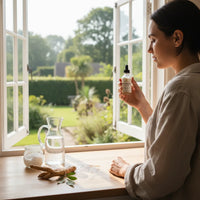





Ashwagandha Liquid Extract: Compare Ratios Before You Buy

As interest in ashwagandha continues to rise, many wellness seekers are turning to liquid extracts as a convenient, fast-absorbing format for incorporating this traditional herb into daily practice. But if you’ve ever examined an ashwagandha dropper bottle and felt overwhelmed by numbers—ratios like 4:1 or 10×, serving sizes with mysterious milligram counts, and ingredients you can’t pronounce—you’re not alone. This guide unpacks ashwagandha dropper math, equipping you to decode concentrations, calculate servings, and interpret liquid extract labels with practical clarity.
Whether you’re new to tinctures or seeking to optimize your ashwagandha routine, understanding these details can help you make well-informed, confident choices about which product fits your lifestyle best. Let’s take the guesswork out of ashwagandha liquid extract math—step by step.
Understanding Ashwagandha Extract Ratios: What Do 4:1 or 10× Really Mean?
If you’ve ever wondered why some bottles say “4:1” or “10×” next to ashwagandha extract, you’re looking at the extract ratio. This number tells you how much raw root went into making a certain amount of liquid extract.
Extract Ratios Explained:
- A 4:1 ratio means 4 grams of dried ashwagandha root were used to create 1 gram equivalent of extract. Essentially, the extract is four times as concentrated as the original raw material.
- A 10× (or 10:1) extract contains ten times the strength, meaning it took 10 grams of root to make 1 gram’s worth of extract.
Why Extract Ratios Matter for Your Routine
- Higher ratio = more concentrated, but not always better for everyone
- Knowing the ratio allows more accurate comparisons between products
- Different brands may use different extraction processes, so always check ratios before assuming potency
Example: If you take 1 mL of a 10:1 ashwagandha extract, you can expect it to be ten times as potent (by raw root input) as a 1:1 extract—a factor that can help inform your serving size decisions. For those looking for standardized quality and extract strength, Ashwagandha Extract | Organic Root Liquid – Stress, Energy & Mood enables you to see exactly what each serving delivers in terms of root equivalent.
How to Calculate Ashwagandha Serving Sizes From the Bottle
When you flip over any ashwagandha dropper bottle, you’ll likely see two key bits of serving info: the suggested serving (such as “1 dropper = 1 mL”) and a concentration reference (“600 mg per serving” or a ratio).
Step-by-Step Ashwagandha Dropper Math
- Find the Ratio and Total Concentration:
- Example: A label says 1 mL (1 serving) contains ashwagandha 10:1 extract, yielding 600 mg.
- Understand What 600 mg Refers To:
- On a 10:1 extract, 600 mg per serving means you’re getting the equivalent of 6,000 mg of raw ashwagandha per 1 mL dropper (10 × 600 mg = 6,000 mg).
- Break It Down to Per Drop:
- If a standard dropper is 1 mL and there are roughly 20–30 drops per mL, each drop supplies about 20–30 mg of extract (or 200–300 mg raw root equivalent, using the example above).
Example Calculation
- Bottle: 2 oz (60 mL)
- Servings: 60 (1 mL each)
- Extract Ratio: 10:1
- Per Serving: 600 mg extract
- Total Raw Equivalent per Serving: 600 mg × 10 = 6,000 mg
- Per Drop (30 drops/mL): 600 mg ÷ 30 = 20 mg extract per drop
Armed with these numbers, you can confidently compare labels and decide what fits your preferences. If you’re also interested in exploring other potent liquid options, Organic Papaya Leaf Extract 16oz | 15X Liquid – Best Value Size offers clear concentration breakdowns for those seeking immune and wellness support as well.
Interpreting Liquid Extract Labels: What to Watch For
Labeling can be tricky. Even well-meaning brands might display concentration, extract ratio, or raw root equivalents in ways that cause confusion.
Key Label Elements to Compare
- Extract Ratio: As above, 4:1, 10:1, etc.
- Amount per Serving: Is this milligrams of extract or raw equivalent?
- Serving Size: 1 mL (dropper), 0.5 mL, or another amount?
- Total Servings per Bottle: How many days of use?
- Carrier: Alcohol-based, glycerin, or other?
- Other Ingredients: Are there added herbs, flavors, or fillers?
Label Pitfalls and Tips
- Be clear on extract vs. plant equivalent: “300 mg extract” of 10:1 ratio is different than “3,000 mg ashwagandha root equivalent.”
- Serving size can vary: Some products use 0.5 mL, others 1 mL, so compare servings, not just total mg per bottle.
- Check for added substances: If you want pure ashwagandha, look for minimal extra ingredients such as the clean formulation found in the Ashwagandha Extract | Organic Root Liquid – Stress, Energy & Mood.
- Understand carrier impacts: Ingredients like vegetable glycerin or alcohol can slightly affect taste, absorption, and shelf life.
Alcohol vs. Alcohol-Free Ashwagandha Extracts: Strength, Use, and Lifestyle Fit
One of the most common choices shoppers face is between alcohol-based and alcohol-free ashwagandha extracts. Both can deliver robust traditional benefits, but each has distinct characteristics worth understanding.
Alcohol-Based Ashwagandha Extracts
Features:
- Often use organic cane alcohol as a carrier
- Can extract a broader spectrum of plant compounds
- Tend to have a longer shelf life
- Flavor can be aromatic or sharp
- Often labeled as “tincture”
Who Might Prefer:
- Those seeking a more traditional or potent extraction method
- Anyone interested in a smaller, concentrated serving
- Individuals who store supplements long-term
Alcohol-Free (Glycerin or Water-Based) Ashwagandha Extracts
Features:
- Typically use vegetable glycerin or purified water
- Gentler taste, sometimes slightly sweet
- May appeal to those avoiding alcohol for personal, health, or religious reasons
- Slightly shorter shelf life than alcohol-based, but stable when stored properly

Who Might Prefer:
- Sensitive taste buds, children, or those who avoid alcohol
- Incorporating drops in foods, smoothies, or drinks
- Daily use in wellness routines with a focus on comfort and ease
How Carrier Choice Influences Concentration
- Alcohol can solubilize a wider range of compounds, sometimes allowing slightly higher concentration per drop, but this varies by brand
- Glycerin-based extracts may require larger servings to reach the same potency as alcohol-based bottles (always check the label). An example of a gentle glycerin-based option for holistic wellness is Bamboo Silica + Biotin Hair Growth Extract | 15X Liquid | Natural Hair & Follicle Support.
Comparing Strengths: Making an Informed Dropper Choice
With so many numbers to consider, how can you weigh your options when shopping for ashwagandha liquid extracts?
Here’s a practical comparison method:
- Check the Extract Ratio First: Higher ratios generally mean more concentration per mL.
- Review Serving Size and Per-Serving Strength: How much extract (and raw root equivalent) is in each serving?
- Factor in Carrier Type: Consider any preference for alcohol or alcohol-free base.
- Lifestyle Fit: Will you use it straight, mix into beverages, or want portable single servings?
Example Head-to-Head Comparison
- Product A: 10:1, 600 mg extract/mL, alcohol-based
- Product B: 4:1, 300 mg extract/mL, glycerin-based
In this example, Product A delivers a higher concentration per serving, but Product B may have a milder flavor and better suit certain lifestyle needs. If you prefer integrating high-potency extracts into your wellness smoothies, the Organic Papaya Leaf Extract 16oz | 15X Liquid – Best Value Size can also be considered for general immune support alongside ashwagandha.

Sample Ashwagandha Dropper Calculations: Demystifying the Math
Let’s walk through a simple, real-world calculation you can apply to nearly any ashwagandha extract bottle:
Step 1: Identify the information provided:
- Bottle size: 1 oz (30 mL)
- Suggested serving: 1 mL = 1 dropperful
- Extract formula: 5:1
- Label lists: 500 mg extract per 1 mL serving
Step 2: Calculate raw equivalent:
- 500 mg extract × 5 (ratio) = 2,500 mg (2.5 grams) raw root equivalent per 1 mL
Step 3: Per drop calculation:
- 1 mL ~ 30 drops
- 500 mg extract ÷ 30 = 16.7 mg extract per drop
- Raw equivalent per drop: 16.7 mg × 5 = 83.5 mg per drop
Step 4: Determine servings per bottle:
- 30 mL bottle / 1 mL per serving = 30 servings per bottle
This approach helps you spot whether one bottle offers significantly more per serving than another, especially when factoring in price or volume. If label numbers feel overwhelming, starting with approachable blends such as Blood Platelet Support with Papaya Leaf | Organic 15X Liquid Extract can remove much of the complexity thanks to clear serving recommendations.
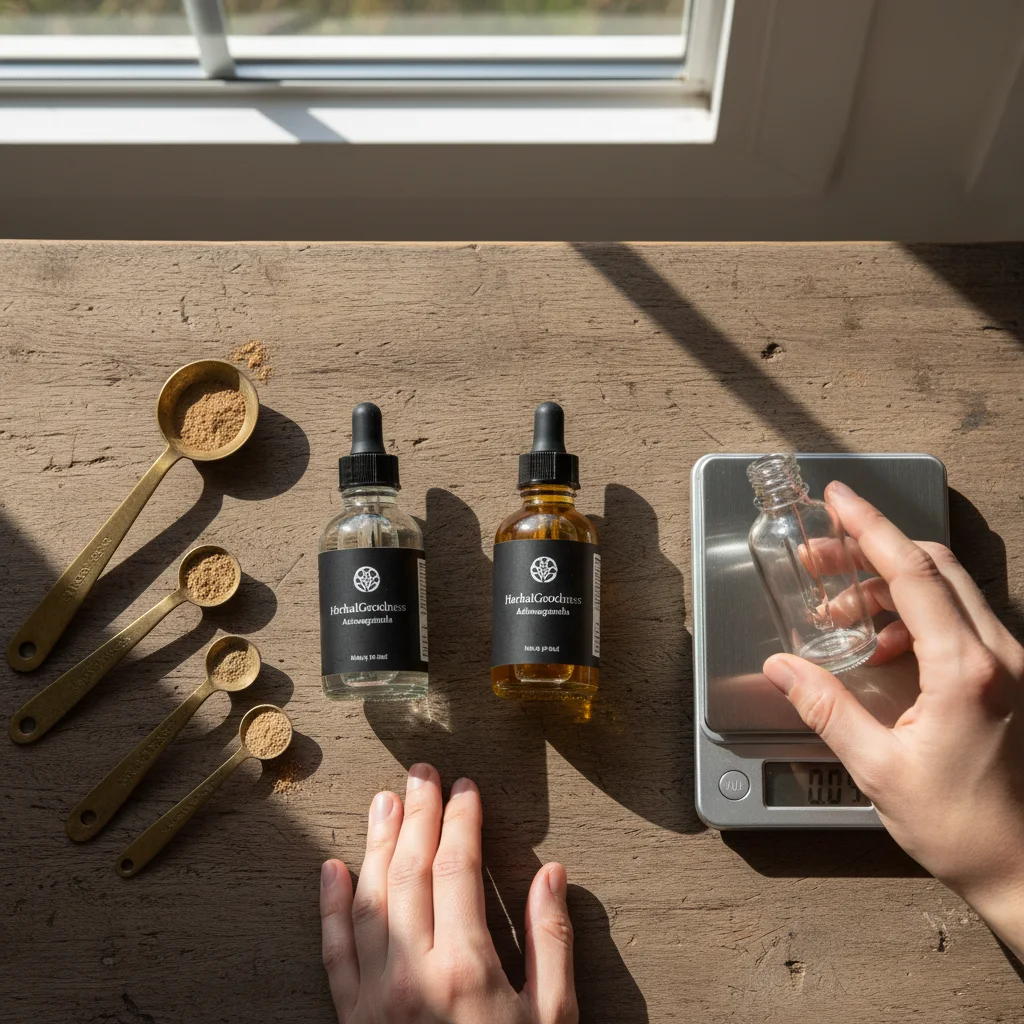
Ashwagandha Dropper Math for Everyday Lifestyles: Personalized Tips
Translating the numbers on your extract bottle into your actual wellness routine is both art and science. Here’s how to make the math work for your schedule, preferences, and goals:
- If you sip tea or smoothies: Opt for a dropper with a pleasant-tasting base; glycerin extracts blend smoothly, with options such as Bamboo Silica + Biotin Hair Growth Extract | 15X Liquid | Natural Hair & Follicle Support serving as a great addition to daily blends.
- For on-the-go use: Compact droppers (1 oz or smaller) fit in pockets or bags; choose a serving size you can measure easily anywhere. The Ashwagandha Extract | Organic Root Liquid – Stress, Energy & Mood is packaged for both home and travel.
- Tracking routine: Jot down your typical serving in drops or mL and note which concentration feels best for your rhythm.
- Simplicity: Start with mid-range ratios like 4:1 or 5:1 if all the numbers feel overwhelming; these offer a balanced concentration without extreme potency.
Always read the entire label, and don’t hesitate to reach out to customer support teams for clarification on serving math, especially if you’re adjusting your routine or comparing new brands. Clarity in reading product labels paves the way for you to get the best out of your ashwagandha or additional liquid herbal supplements such as Blood Platelet Support with Papaya Leaf | Organic 15X Liquid Extract.
Summary: Confidence in Ashwagandha Dropper Math
Understanding ashwagandha dropper math empowers you to navigate product labels, concentrations, and serving sizes with confidence. By decoding extract ratios (4:1, 10×), calculating per-drop and per-serving strengths, and recognizing the differences between carrier types, you can personalize your ashwagandha practice while sidestepping common labeling pitfalls. Whether you’re after high concentration, gentle taste, or ease of use, the right bottle—and the right math—ensures your experience fits seamlessly into your everyday lifestyle.
Frequently Asked Questions
Question 1: How do I know if I should choose an alcohol-based or alcohol-free ashwagandha extract?
Answer: Consider your priorities: alcohol-based extracts (such as those in Ashwagandha Extract | Organic Root Liquid – Stress, Energy & Mood) offer robust solubility and extended shelf life, while glycerin or water-based options (such as Bamboo Silica + Biotin Hair Growth Extract | 15X Liquid) are milder in taste and ideal for alcohol-free routines.
Question 2: What does the extract ratio (e.g., 10:1) mean for ashwagandha products?
Answer: The ratio shows how much raw root was concentrated into the extract. For example, a 10:1 extract like Ashwagandha Extract | Organic Root Liquid – Stress, Energy & Mood means 10 grams of root became 1 gram of extract, helping you judge potency per serving.
Question 3: How can I compare the strengths of different ashwagandha dropper bottles?
Answer: Check the extract ratio, serving size, and milligrams per serving, then multiply to find the raw root equivalent. For comparison, products such as Organic Papaya Leaf Extract 16oz | 15X Liquid – Best Value Size clearly list their concentration, making label math easy.
Question 4: Is ashwagandha liquid extract safe for everyday use?
Answer: When taken according to label instructions, ashwagandha liquid extracts are suitable for daily wellness routines. Always consult your healthcare professional, and look for products with clear serving information such as Ashwagandha Extract | Organic Root Liquid – Stress, Energy & Mood.
Question 5: Can I add ashwagandha liquid extract to smoothies or tea?
Answer: Yes, glycerin-based extracts in particular blend smoothly. For example, Bamboo Silica + Biotin Hair Growth Extract | 15X Liquid or Organic Papaya Leaf Extract 16oz | 15X Liquid are designed for easy mixing and daily use.
Question 6: Are there other herbs that blend well with ashwagandha in liquid extract routines?
Answer: Yes, many liquid herbal extracts complement ashwagandha, such as Blood Platelet Support with Papaya Leaf | Organic 15X Liquid Extract or Bamboo Silica + Biotin Hair Growth Extract | 15X Liquid for holistic wellbeing.
Question 7: What should I do if ashwagandha dropper math still feels confusing?
Answer: Start with mid-range ratios or products with straightforward instructions, like Ashwagandha Extract | Organic Root Liquid – Stress, Energy & Mood, and do not hesitate to consult a specialist or brand support if you need clarity.
Ready to take the next step with ashwagandha? Understanding dropper math ensures your choices are well-informed, seamless, and tailored to your daily wellness goals.
About the Author
Herbal Goodness Editorial Team
The Herbal Goodness Editorial Team specializes in holistic health and superfoods, blending science and nature to educate and empower our community.