




A Sensory Guide to Papaya Leaf Extract: Smell, Taste, and Creative Uses

Curiosity leads us to explore the world not only with our minds, but with our senses. If you've ever wondered what papaya leaf extract really smells and tastes like, or how to use it creatively at home, you're in the right place. This sensory guide invites you to evaluate papaya leaf extract like a taster—using your nose, palate, and imagination. We'll build a simple scent-and-flavor wheel together, introduce step-by-step sniff-and-sip methods, offer safe patch-testing tips for topical DIYs, and inspire you with non-medical pairing ideas for teas, mocktails, and linen sprays. Emphasizing sensory literacy and safe exploration, this guide encourages you to experience papaya leaf extract in new, practical ways.
Getting to Know Papaya Leaf Extract: Sensory Foundations
Papaya leaf extract is derived from the leaves of the Carica papaya plant, celebrated in many cultures for its unique flavor and aromatic properties. Before diving into your own sensory adventure, let’s set the stage:
- What is papaya leaf extract? A liquid or powder made by soaking or distilling papaya leaves, capturing their characteristic taste and aroma. For those looking to experience the concentrated form, Papaya Leaf Extract - 1oz 15X Organic Liquid is an accessible starting point.
- Why build sensory literacy? Developing your ability to detect and appreciate subtle notes—both by scent and taste—can enrich your daily rituals, whether you’re sipping a homemade tea or adding essence to a creative project.
- What are safe handling basics? Always start with a small amount, use clean utensils, and follow product guidelines from trusted brands like Blood Platelet Support with Papaya Leaf | Organic 15X Liquid Extract.
Crafting a Simple Scent-and-Flavor Wheel for Papaya Leaf Extract
A flavor wheel helps you identify and describe the sensory qualities of an ingredient. Here’s how to build your own for papaya leaf extract:
How to Start Your Wheel
- Gather supplies: A notepad, pen, clean glass, papaya leaf extract (liquid or powder), water, and a quiet space.
- Draw a large circle: Divide it into 4–6 segments. Label as: Earthy, Bitter-Green, Herbal, Fresh/Grassy, Slightly Sweet, Other Notes.
- Get curious: These initial categories help you organize your experience as you sniff and taste. Leave space to add unique descriptors.
Sample Sensory Notes
- Earthy: Wet leaves, compost, damp wood.
- Bitter-Green: Raw kale, unripe fruit, dandelion greens.
- Herbal: Bay leaf, parsley, or spinach.
- Fresh/Grassy: Mown lawn, cucumber peel.
- Slightly Sweet: Faint molasses, green apple skin.
Why This Matters
Creating this wheel personalizes your sensory journey. You’ll learn to articulate subtle differences, making each use of Organic Papaya Leaf Extract 16oz | 15X Liquid – Best Value Size more intentional and enjoyable.
Tasting and Smelling Papaya Leaf Extract: Step-by-Step Methods
How to Smell Papaya Leaf Extract Like a Pro
- Pour a drop into a glass: Swirl gently to release aromatics.
- Initial inhale: Hold the glass beneath your nose and inhale once, slowly.
- Note your first impressions: Does it remind you of anything in nature or your kitchen?
- Compare over time: Smell again after a minute. Sometimes secondary notes emerge.
How to Taste Papaya Leaf Extract
- Prepare a diluted sample: Add a drop of extract to 2 ounces of water (unless manufacturer’s directions suggest otherwise).
- Sip slowly: Let it settle on your tongue for a moment before swallowing.
- Note the progression: Consider the initial flavor, mid-palate textures, and any aftertaste.
- Jot down words: Refer to your flavor wheel and describe what you detect.
Quick Tip: Keep Water Handy
Cleansing your palate with water between sniffs and sips helps maintain clarity in your perceptions.

Building Sensory Memory
Tasting and smelling with intention builds a sensory memory bank, making future experiments with papaya leaf extract more rewarding and accurate. You can even deepen your experience using Papaya Leaf Extract Capsules 600mg | 10X Strength – Platelet Support for a slightly different sensory profile.
Safe Patch-Testing for Topical DIY Experiments
Papaya leaf extract is sometimes incorporated into homemade sprays or topical blends, especially for personal rituals. Before trying any topical use, a patch test is crucial for safe exploration.
How to Perform a Simple Patch Test
- Dilute the extract: Mix a small amount of papaya leaf extract with a neutral base, like distilled water or unscented oil (if your extract is oil-compatible).
- Apply to your forearm: Dab a tiny amount on a quarter-sized area of clean skin.
- Wait and observe: Leave uncovered for 24 hours. During this period, check occasionally for any signs of irritation (redness, itching, or discomfort).
- If all is clear: The area can be washed off, and you may proceed with your planned topical experiment.
Note:
Always avoid direct contact with eyes and mucous membranes, and never ingest non-food-grade extracts. For skin-focused routines, Herbal Papaya Bath Soap | 2 Bars/3.5oz – Natural Skin Cleanse & Glow offers a gentle alternative.
Creative Non-Medical Uses for Papaya Leaf Extract
Papaya leaf extract’s natural aroma and flavor can spark imaginative, sensory-driven experiments at home. Here are some ideas geared toward the adventurous but safety-minded explorer:
Infusing Papaya Leaf Extract in Herbal Teas
How to try:
- Add a drop or two of food-grade papaya leaf extract to your favorite herbal tea, such as chamomile, mint, or lemongrass.
- Steep as usual and note how the earthy-bitter tones complement or contrast with the other herbs. For an easy solution, try Organic Papaya Leaf Tea | 24 Premium Bags – Caffeine-Free.
Pairing suggestions:
- Bright flavors like lemon or ginger help balance papaya leaf’s assertive character.
Creating Papaya Leaf Extract Mocktails
Papaya leaf extract brings a unique twist to non-alcoholic beverages.
Simple recipe idea:
- Add a small amount (start with 1 drop) to a mix of sparkling water, muddled fresh cucumber, and a dash of honey or agave.
- Stir gently and serve with plenty of ice.
Tasting tip:
- Sample slowly, noticing how the bitter-green and herbal notes introduce complexity to your drink.
Homemade Papaya Leaf Linen Sprays
Crafting a linen or room spray is a creative way to enjoy papaya leaf’s fresh, grassy aroma in your home environment.
Safe DIY steps:
- In a small glass spray bottle, add 1 cup distilled water.
- Add 2–4 drops of papaya leaf extract (ensure the extract type is suitable for topical use and not just for ingestion).
- Optional: Add a few drops of complementary essential oils like mint or lemon.
- Shake well before using. Lightly mist onto linens, keeping the bottle at least 12 inches from fabric.
Safety note:
- Always patch test new sprays on a small corner of fabric before widespread use, in case of staining or residue. When delving into DIY, starting with Papaya Leaf Extract - 1oz 15X Organic Liquid keeps things simple and manageable.

Enhancing Your Sensory Literacy
Each creative use lets you further explore papaya leaf extract’s complex aromatic and flavor profiles. By making tasting notes and observing your reactions (and those of any willing friends or family), you build a stronger vocabulary around what makes this botanical so distinctive.
Tips for Safe Handling and Storage
- Read labels: Use only food-grade papaya leaf extracts for edible or beverage-based experiments.
- Start small: Both in concentration and volume—especially when trying a new application or pairing.
- Store properly: Keep your extract in a cool, dark place, tightly capped, and away from direct sunlight or moisture. Products like Blood Platelet Support with Papaya Leaf | Organic 15X Liquid Extract are designed for both quality and safety.
- Respect sensitivities: Everyone’s sense of smell and taste is different; what seems mild to one person might be intense to another.

Curiosity-Driven Sensory Experiments to Try at Home
Here are some fun, safe activities to spark your curiosity:
- Blindfolded smell test: See if friends can identify papaya leaf extract out of several herbal aromas. Use a standardized product like Organic Papaya Leaf Extract 16oz | 15X Liquid – Best Value Size for consistency.
- Flavor triangle: Taste-test papaya leaf extract alongside two other herbs (like mint and basil) to compare contrast and harmony. Complementary options include Papaya Leaf Extract Capsules 600mg | 10X Strength – Platelet Support.
- Sensory journaling: Write a short journal entry after each experiment, noting what surprised or intrigued you.
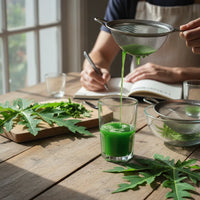
- Color and aroma: Observe if the appearance of the extract matches its aroma—sometimes the deep green hue sets a strong expectation!
Every experiment—when approached with attention and respect—teaches you a little more about this distinctive botanical.
Building Confidence Through Sensory Exploration
As you continue your journey with papaya leaf extract, you’ll cultivate not only flavor and aroma literacy, but a new appreciation for the art of tasting, sniffing, blending, and observing. This skillset can be applied to other botanicals, deepening your connection to the natural world and enriching simple daily rituals. Each time you explore, you build confidence—a gentle reminder that discovery is as much about the process as the outcome.
Frequently Asked Questions
Question 1: What does papaya leaf extract taste like?
Answer: Papaya leaf extract typically reveals bitter-green, earthy, and herbal notes. If you prefer capsules for a milder sensory experience, try Papaya Leaf Extract Capsules 600mg | 10X Strength – Platelet Support.
Question 2: How do I safely sample papaya leaf extract for the first time?
Answer: Begin by diluting a small amount as per the label; for accurate dosing, Papaya Leaf Extract - 1oz 15X Organic Liquid provides a measured dropper and guidance.
Question 3: Can I use papaya leaf extract in homemade teas or beverages?
Answer: Yes! Add a drop to herbal teas or try Organic Papaya Leaf Tea | 24 Premium Bags – Caffeine-Free for a balanced flavor with convenience.
Question 4: Is patch-testing necessary before topical or linen spray DIY experiments?
Answer: Yes, always patch test with a diluted form prior to broader application. For reliable, skin-friendly soap options, check Herbal Papaya Bath Soap | 2 Bars/3.5oz – Natural Skin Cleanse & Glow.
Question 5: How should papaya leaf extract be stored for freshness?
Answer: Store in a cool, dry, dark place with a tightly capped lid. Consistent storage helps maintain the quality of Organic Papaya Leaf Extract 16oz | 15X Liquid – Best Value Size.
Question 6: Can papaya leaf extract be combined with other herbs?
Answer: It pairs well with ginger, lemon, and fresh herbs. Explore blends with Organic Papaya Leaf Tea | 24 Premium Bags – Caffeine-Free for new flavor experiences.
Question 7: Are all papaya leaf extracts safe for both ingestion and topical use?
Answer: Only use food-grade extracts for edible applications, and always check label recommendations for topical use. Blood Platelet Support with Papaya Leaf | Organic 15X Liquid Extract highlights quality standards.
Ready to discover the world of papaya leaf extract firsthand? Begin with small, mindful sensory experiments and build your own tasting notes. Embrace curiosity—let every sniff, sip, and creative use inspire your botanical journey.
About the Author
Herbal Goodness Editorial Team
The Herbal Goodness Editorial Team specializes in holistic health and superfoods, blending science and nature to educate and empower our community.
Related Articles
Papaya Leaf Powder Guide: What It Is, How It’s Made, and Everyday Uses
How to Choose Organic Papaya Leaf Extract Capsules Online Guide
Reading the Leaf: A Beginner’s Visual Guide to Carica Papaya Leaf Anatomy and Harvesting