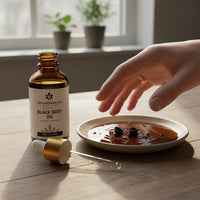





A Practical Timeline: What People Often Notice After Adding Black Seed Oil

Trying a new wellness product like black seed oil naturally sparks curiosity about what changes you might notice and when. For centuries, cold-pressed black seed oil—pressed from the tiny black seeds of Nigella sativa—has been appreciated for its rich profile of plant compounds. But many people wonder: how does black seed oil actually interact with the body? What kinds of reactions might you expect, and how quickly? This article offers a plain-language breakdown of the typical timeline and sensations people report after adding black seed oil to their routine, along with guidance to help you track your personal experience mindfully and safely.
Understanding How Black Seed Oil Moves Through Your Body
Before diving into timelines, it's helpful to understand how black seed oil is processed by your body. Whether used internally or applied topically, the route of absorption and general process sets the stage for what you might observe.
Oral Use: Digestion and Absorption
When taking black seed oil orally, the journey begins in your digestive system:
- Taste Sensation: Black seed oil is renowned for its bold, peppery, slightly bitter flavor. The first change most people notice is the unique taste, which lingers on the palate and may cause a mild warming sensation in the mouth or throat.
- Digestion: After swallowing, the oil mixes with digestive fluids in your stomach and small intestine. Here, enzymes break down the oil, and the active plant compounds—like thymoquinone and healthy fatty acids—become available for absorption.
- Absorption: Fats and fat-soluble compounds in the oil are absorbed through the intestinal wall and enter the bloodstream, eventually reaching cells throughout the body.
If you tend to explore plant-based digestion aids, you may also find Organic Papaya Leaf Extract 16oz | 15X Liquid – Best Value Size useful for supporting your digestive wellness.
Topical Use: Skin Absorption
When used on the skin, black seed oil is absorbed differently:
- Surface Application: Applied directly, it may be massaged into areas such as the scalp, face, or body.
- Skin Uptake: The oil’s natural molecules penetrate the outer layer (epidermis), where they interact with surface cells. Absorption is slower and more localized compared to oral use.
For those interested in a dedicated plant-based approach to glowing skin, incorporating Herbal Papaya Bath Soap | 2 Bars/3.5oz – Natural Skin Cleanse & Glow can complement the topical application of black seed oil.
Common Sensory Reactions and What People Notice First
The timeline of what people observe after adding black seed oil typically follows a practical progression—and expectations should be reasonable. Here’s what you might notice in the short and medium term, focusing on real-life sensory feedback practitioners and users have shared.
Immediate to First Few Uses (Day 1–3)
- Taste and Smell: The distinctive, peppery flavor and earthy aroma stand out in both liquid and capsule forms.
- Digestive Sensations: Some people experience a gentle warming in the stomach or throat after swallowing, especially if taken straight rather than mixed into foods or smoothies.
- Skin Feel (Topical Use): Users often notice a smooth, slightly warming sensation upon application. The oil absorbs fairly well but may leave a slight sheen.
Those sensitive to digestive feedback may also benefit from trying Papaya Seed Powder Capsules – Gut & Colon Cleanse Support, which is crafted to gently support comfortable digestion.
The First Week: Subtle New Sensations
- Palate Acclimation: By days 3–7, the sharpness of the oil's taste may feel less surprising as you become used to it. Some users mix it with food to moderate the flavor.
- Digestion: Occasional burping with the oil’s taste or gentle digestive feedback may occur, particularly with higher doses or empty-stomach use.
- Skin Texture: Repeated topical use can leave skin feeling softer or looking slightly more nourished. The scent may linger, especially when used before bed or as a scalp mask.
- Hair Feel: For those applying to scalp or hair, some notice a subtle difference in how hair feels to the touch after a week of use.

Weeks Two to Four: Noticing Patterns
- Taste Perception: Many report that the intense flavor becomes easier to handle with routine use. Some describe developing a neutral or even acquired appreciation for the taste.
- Skin Comfort and Appearance: Ongoing topical use may make the skin feel more supple or look more hydrated. The oil’s natural emollients can enhance a sensation of moisture retention without feeling heavy if applied in moderation.
- Scalp and Hair Sensations: Regular application to the scalp or hair may lead to feelings of increased softness or manageability. Noticeable changes are often subtle and gradual.
If your wellness routine includes both black seed oil and gut-supporting botanicals, adding Papaya Seed Extract 15X Organic is another way to reinforce digestive harmony.
After One Month: Realistic Expectations
- Steadiness in Routine: People often become more consistent with their routine and develop preferences for timing, product format (liquid vs. capsule), and method of use (with food vs. alone, after shower vs. before bed).
- Sensitivity Check: By this point, most users know whether their body is comfortable with black seed oil in their routine. Any discomfort—such as digestive changes or unexpected skin reactions—should be used as a signal to pause and reflect.
The Impact of Format and Quality on Your Experience
The form and sourcing of black seed oil can influence the day-to-day sensations and outcomes you observe. Here’s how product differences shape the user timeline.
Liquid vs. Capsule Form
- Liquid Oil: Usually offers the purest taste and lets you adjust serving size precisely. The intense flavor is more immediately noticeable.
- Capsules: More discreet, handy for those sensitive to taste. Sensory reactions are typically confined to gentle digestive feedback rather than flavor, though some may note a slight aftertaste if the capsule dissolves rapidly.
For people who dislike strong tastes but still wish to reap the wellness benefits, Blood Platelet Plus Capsules 20X | 60ct – Advanced Platelet Formula provide a convenient and neutral delivery format.

Cold-Pressed Quality
- Cold-Pressed Oils: Generally preserve more of the oil's natural characteristics, such as a strong fragrance, rich color, and full flavor profile. These sensory cues can serve as indicators of quality.
- Freshness and Sourcing: Reputable brands like Black Seed Oil 8oz | Cold-Pressed Nigella Sativa – Immune & Daily Wellness provide clear information on sourcing, handling, and batch production, helping ensure a consistent and predictable user experience.

Mindful Tracking: How to Journal Your Black Seed Oil Journey
Because changes build gradually, keeping a daily or weekly journal can help you spot subtle shifts and make the process more intentional. Here’s a simple, non-medical approach:
- Taste and Scent: Describe the flavor and aroma each time you use black seed oil. Is it strong, neutral, changing over time?
- Digestive Sensations: Note how your stomach feels after use—any warmth, fullness, or unusual sensations?
- Topical Feedback: Observe how your skin or hair feels after each application. Is there a difference in texture, appearance, or comfort?
- Routine Notes: Track when you use the oil (morning/evening, with/without food, before/after shower).
- General Observations: Add any thoughts or patterns about your wellbeing, mood, or satisfaction—even subtle changes count.
Journaling lets you anchor subjective experiences, notice patterns, and build a personal reference for future comparison. Remember, the focus is on mindful observation, not on looking for drastic changes.
When to Talk with a Healthcare Professional
While black seed oil is widely appreciated as a food and topical supplement, it’s wise to pause and check in with a healthcare provider under certain circumstances:
- Sensitivity: If you notice ongoing discomfort (digestive issues, rashes, or other surprising reactions), consult before continuing.
- Interactions: If you’re taking medications or have special dietary needs, ask if black seed oil fits your broader health plan.
- Long-Term Use: For those considering an extended daily routine or higher servings, seeking professional input adds reassurance.
For tailored guidance on supplement routines, consider a Personal Consultation with Herbalist or Health Coach.
Listening to your body and taking a moderate, thoughtful approach is key to safely integrating any new supplement or plant oil.
Practical Takeaways for Adding Black Seed Oil to Your Routine
- Most people first notice the flavor, aroma, and initial digestive or topical sensations within days.
- Patterns and preferences develop gradually, often over weeks as you learn what works best.
- Product quality, freshness, and format shape the sensory experience and ease of routine.
- Journaling can help map personal changes, making your integration practical and insightful.
- When in doubt or if you experience persistent discomfort, talk with your healthcare professional.
- Approach your black seed oil journey with curiosity and a spirit of mindful attention—every experience is unique.
Frequently Asked Questions
Question 1: How long does it take to notice changes after starting black seed oil?
Answer: Most users notice the bold flavor and initial sensations within the first few days. Gradual changes, such as improved skin comfort or a more manageable taste, often emerge after two to four weeks of consistent use with products like Black Seed Oil 8oz | Cold-Pressed Nigella Sativa – Immune & Daily Wellness.
Question 2: Can I combine black seed oil with other digestive support botanicals?
Answer: Yes, many people safely combine black seed oil with supportive botanicals like Organic Papaya Leaf Extract 16oz | 15X Liquid – Best Value Size or Papaya Seed Extract 15X Organic for added digestive wellness.
Question 3: What should I do if I notice digestive discomfort or a rash?
Answer: If you experience ongoing discomfort, such as stomach upset or new skin reactions, pause use and speak with a healthcare professional. You may also consider a Personal Consultation with Herbalist or Health Coach for personalized guidance.
Question 4: Is there an advantage to using cold-pressed black seed oil?
Answer: Cold-pressed options like Black Seed Oil 8oz | Cold-Pressed Nigella Sativa – Immune & Daily Wellness preserve more beneficial compounds, delivering a richer aroma and flavor, which can enhance the overall sensory experience.
Question 5: How can I track my experience with black seed oil?
Answer: Using a journal to record taste, scent, skin, and digestive sensations helps you notice patterns. This mindful approach allows you to adjust your routine based on real observations.
Question 6: Are capsules or liquid black seed oil better for sensitive palates?
Answer: Capsules tend to be easier for those who dislike strong flavors. For a similar benefit, Blood Platelet Plus Capsules 20X | 60ct – Advanced Platelet Formula offer additional wellness support in neutral-tasting form.
Question 7: What topical products pair well with black seed oil for skin support?
Answer: Herbal Papaya Bath Soap | 2 Bars/3.5oz – Natural Skin Cleanse & Glow provides a gentle, plant-based complement to black seed oil for those seeking a nourishing skin routine.
For a smooth integration, listen to your body, track changes, and choose black seed oil from a trusted source when you're ready to explore. Curious observations can lead to more mindful wellness habits.
About the Author
Herbal Goodness Editorial Team
The Herbal Goodness Editorial Team specializes in holistic health and superfoods, blending science and nature to educate and empower our community.
Related Articles
Black Seed Oil: Compare Liquid vs Capsule Labels Before Buying
How to Read Black Seed Oil Lab Test Results Before You Buy
How Long Do Herbal Supplements Take to Work? A Practical Timeline for Beginners