




A Beginner’s Citizen-Science Guide to Observing Chanca Piedra in the Wild

Observing native plants in the wild is an exciting way to connect with nature and contribute valuable information to global science. Chanca piedra—also known as “stonebreaker” or by its botanical name Phyllanthus niruri—has gathered curiosity from communities interested in herbal wellness and biocultural knowledge. Citizen-science platforms, such as iNaturalist, invite everyone to participate in documenting, identifying, and protecting this unique plant. This beginner’s guide walks you step-by-step through how to recognize chanca piedra, responsibly record your observations, capture clear photos, and share data that supports conservation and sustainable sourcing efforts.
Understanding Chanca Piedra: What to Look For During Field Observation
Chanca piedra is a small, herbaceous annual plant often found in tropical and subtropical environments. Being able to correctly identify the species is vital for reliable citizen-science data and supports both transparency in sourcing and conservation awareness. Here are essential characteristics to note:
- Leaves: Tiny, alternately arranged leaves, forming two rows along the stem, resembling those of a tamarind tree but much smaller—typically 6–12 mm long and 2–4 mm wide.
- Stems: Slender, often branching stems that may reddish to light green in color and are only a few millimeters thick.
- Flowers: Minute, pale-yellow to white-green flowers which grow singly or in small clusters. They are typically found near the leaf axils—the space where the leaf connects to the stem.
- Fruits: Small, round, green to brown capsules (approximately 2 mm wide) that develop underneath the leaf axis. These capsules split to release seeds when mature.
- Growth Habit: Often grows low to the ground, forming mats or clusters; may thrive in disturbed soils, forest edges, grasslands, or riverbanks.
When you visit a site known for wild herbs, you might encounter other botanicals with similar features. For those interested in broader herbal wellness, exploring products like Soursop Leaf Graviola Extract 15X Liquid | Organic Cell & Immunity can deepen your appreciation of plant biodiversity by showcasing different herbal traditions.
Visual Checklist for Beginners
- Are the leaves very small and paired along thin stems?
- Do you see small berry-like capsules along the undersides of branches?
- Is the overall plant height low—typically under 20 inches?
- Are there multiple stems radiating from the base in a bush-like fashion?
Using this field checklist makes it easier to differentiate chanca piedra from similar-looking species in the wild.

Photographing Chanca Piedra: A Practical Guide for Clear Documentation
Taking clear, detailed photographs is a cornerstone of quality citizen-science documentation. Your images allow experts and the community to verify your findings without having to visit the site. While documenting, also consider what parts of the plant are most valuable for herbal traditions. For example, the Stone Breaker Chanca Piedra plant is prized for its support of kidney wellness, available as Stone Breaker Chanca Piedra 15X Liquid | Kidney & Urinary Wellness.
Tips for Great Plant Photos
- Lighting: Aim for natural daylight; take photos in the morning or late afternoon to avoid harsh glare or deep shadows.
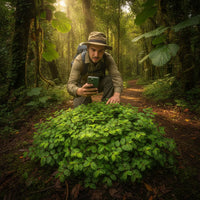
- Angles: Capture multiple angles: a wide shot of the entire plant in its habitat, close-ups of leaves, close-ups of flowers if present, and very close shots of fruits or capsules.
- Background: Use your hand or a plain card behind tiny details (like flowers or seeds) to boost contrast and clarify features.
- Size Indicators: Place a ruler, coin, or your finger next to the plant for scale reference.
- Avoid Blurry Images: Hold the camera steady and tap to focus; try resting your hands against something stable if possible.
Photo Checklist
- Full plant, showing growth habit and surrounding environment
- Detailed shot of stems and leaf arrangement
- Close-up on flowers (if available)
- Close-up on fruit/capsule structure
- Context shot of the habitat (forest floor, riverbank, grassland, etc.)

Good images are more likely to be verified by others and included in scientific projects. For plant enthusiasts, establishing a photo record of different stages can also inform traditional herbal uses. When seeking trusted products with strong identification and sustainability standards, explore options like Stone Breaker Chanca Piedra Capsules 10X | 60ct – Kidney Wellness.
Recording Habitat, Timing, and Other Vital Data Fields
Accurate data gives your observation more value. Here’s what most citizen-science platforms, including iNaturalist, recommend recording:
Important Data Fields
- Location: GPS coordinates or as precise as possible—many smartphones capture this automatically.
- Date and Time: When was the plant observed? Record season if possible, too.
- Habitat Description: Forest edge, roadside, wetland, riverbank, grassland, or another habitat type.
- Population Size: Approximate number of plants observed—single plant, small cluster, or large patch.
- Phenological Stage: Note if the plant has flowers, fruits, or both; what seems abundant?
- Weather/Light: Optional, but noting if conditions are rainy, sunny, cloudy can be helpful.
Completing these fields allows researchers, herbalists, and supply chain advocates to trace sustainable sourcing and monitor populations over time—contributing to the protection of this valued plant. For those who wish to extend their interest from wild observation to home wellness, Raw Sea Moss 8oz Bag | St. Lucia Wildcrafted – Nature's Multivitamin offers a complementary nutrient-rich plant product and supports overall wellness routines.
Submitting Chanca Piedra Observations to Citizen-Science Platforms
Several online platforms welcome herb and plant sightings from amateur botanists and nature walkers. iNaturalist is particularly user-friendly and supports rapid peer review. Here’s how to share your data:
Steps for Uploading a Chanca Piedra Sighting to iNaturalist
- Create an Account: Free and simple registration at inaturalist.org or via the mobile app.
- Upload Photos: Add images with as much detail as possible using the guidelines above.
- Input Location: Most phones auto-tag location, or you may add it manually. Be as accurate as privacy and safety allow.
- Fill Out Data Fields: Date, habitat, and optional notes (e.g., "many flowering plants along stream edge").
- Identification: Type “Phyllanthus niruri” or “stonebreaker” in the species field. If unsure, enter your best guess—other users can help confirm the ID.
- Submit and Share: After submitting, the community of naturalists, botanists, and herbal advocates can review, validate, and engage with your sighting.
Community-science data is increasingly referenced by researchers, environmental planners, and ethical sourcing organizations, making every careful observation meaningful. Plant enthusiasts interested in joining a wider circle of discovery may want to add their experience with Soursop Leaf Tea | Organic Graviola 24 Bags | Soursop Tea Benefits for Immunity & Wellness to their herbal journey.

Ethical Foraging and Responsible Documentation Practices
As citizen scientists, we have a responsibility to protect the plants and habitats we visit. Chanca piedra, like many other wild herbs, can be sensitive to overharvesting or habitat disruption. Always:
- Observe local permitting and gathering regulations—many areas prohibit collection within public lands or conservation zones.
- Avoid uprooting or removing entire plants. If you need a physical sample, take only a small section of a leaf or stem, and only if legally allowed.
- Do not disclose exact locations for sensitive populations in public forums—consider marking general localities if sharing widely.
- Stick to established paths to minimize trampling and habitat disturbance.
- Enjoy the discovery and share information, photos, and stories to increase community awareness rather than focusing on harvest.
Following these ethical guidelines helps ensure that chanca piedra remains part of healthy ecosystems, supporting sustainable enjoyment and scientific progress. Those experienced in wildcrafting and now wishing to support personal wellness can browse Stone Breaker Chanca Piedra 15X Liquid | Kidney & Urinary Wellness as a sustainably sourced home-use option.
How Community Observations Support Conservation and Sourcing Transparency
By participating in online citizen-science projects, everyday observers help researchers and sourcing partners like Herbal Goodness better understand where chanca piedra naturally occurs, which populations may be at risk, and how environmental conditions affect its growth. Collectively, these efforts:
- Offer snapshots of plant diversity and location—crucial for promoting conservation strategies.
- Help supply chains and herbal companies verify that harvesting practices are mindful and legal.
- Encourage a culture of stewardship around herbal resources.
- Inform local and global projects measuring changes in wild plant populations.
Becoming familiar with the full cycle of observation promotes sustainability. For those who also want to experience the health-supportive side of botanicals, products such as Raw Sea Moss 8oz Bag | St. Lucia Wildcrafted – Nature's Multivitamin can be a meaningful choice.
Get Involved in the World of Chanca Piedra Observation
Anyone can take part in observing, documenting, and sharing the story of chanca piedra in its natural setting. All you need is curiosity, respect for the natural world, and a mobile phone or camera. With each observation uploaded, you add to our collective knowledge—contributing to awareness, stewardship, and ultimately the ongoing presence of this remarkable plant in our wild places.
Frequently Asked Questions
Question 1: How do I know my chanca piedra identification is accurate?
Answer: Use the visual checklist for beginners and compare leaf, stem, flower, and fruit details carefully. Reference reputable photos, and consider consulting plant-based experts or compare with products like Stone Breaker Chanca Piedra Capsules 10X | 60ct – Kidney Wellness for visual similarities.
Question 2: What is the best way to photograph chanca piedra for citizen science?
Answer: Capture full plant shots, close-ups of leaves, flowers, and fruits, and habitat context images. Make sure your photos are clear and provide scale—following guidance from the article can help increase verification success.
Question 3: Are there sustainable ways to enjoy chanca piedra benefits at home?
Answer: Yes! Choose responsibly sourced products, such as Stone Breaker Chanca Piedra 15X Liquid | Kidney & Urinary Wellness, to support ethical herbal wellness without impacting wild populations.
Question 4: Why is habitat data important when recording plant observations?
Answer: Habitat data helps researchers track plant populations, support conservation, and inform sourcing practices. Recording habitat, location, and phenological stage ensures that your observation has lasting scientific value.
Question 5: Can I participate even if I'm not a plant expert?
Answer: Absolutely! Citizen-science platforms welcome everyone, regardless of experience. Each observation of plants like chanca piedra helps increase knowledge and supports global conservation efforts.
Question 6: What should I do if I find a large patch of chanca piedra?
Answer: Document the occurrence thoroughly, follow ethical guidelines, and consider submitting multiple photos. Avoid collecting from large populations unless regulations allow, and encourage others to join platforms like iNaturalist.
Experience the outdoors with purpose—your chanca piedra observations can help build a more transparent and sustainable future for this special plant. Explore, document, and share your findings through trusted citizen-science platforms today.
About the Author
Herbal Goodness Editorial Team
The Herbal Goodness Editorial Team specializes in holistic health and superfoods, blending science and nature to educate and empower our community.
Related Articles
When to Take Chanca Piedra: Guide to Timing, Forms, and Daily Routines
Is Chanca Piedra Invasive? Responsible Gardening, Control, and Ecology
What Should Not Be Taken with Chanca Piedra? Practical Interactions Guide
How Much Chanca Piedra Can Be Taken Daily? Servings, Forms & Practical Tips