



Where to Find Women-Owned Wholesale Suppliers for Herbal and Plant-Based Wellness Products

Starting Your Search for Women-Owned Wholesale Suppliers in Herbal and Plant-Based Wellness
Venturing into herbal and plant-based wellness products is an exciting step, whether you're launching a retail venture, developing a wellness studio, or simply expanding your selection. For those seeking alignment with ethical sourcing and supporting underrepresented entrepreneurs, partnering with women-owned wholesale suppliers can add significant value—not only to your brand's story but also to your supply chain integrity. This guide explores practical ways to find, evaluate, and connect with women-owned wholesale suppliers for herbal and plant-based wellness products. You'll gain an approachable roadmap to discovering trusted partners, ensuring your sourcing practices reflect your core values: clean, organic, and sustainability-focused offerings.
Key Channels to Find Women-Owned Herbal Wholesale Suppliers
The modern B2B landscape offers a variety of discovery channels for identifying women-owned herbal and plant-based suppliers. Let’s break down the primary resources that make the search effective and actionable.
Official Certification Directories: WBE & WOSB Networks
One of the most reliable ways to find officially women-owned suppliers is through certification directories:
- WBENC (Women’s Business Enterprise National Council): WBENC offers a searchable directory for Women Business Enterprises (WBE-certified). Suppliers listed here have undergone an extensive certification process confirming their majority ownership and management by women.
- SBA WOSB (Women-Owned Small Business Program): The U.S. Small Business Administration maintains a database of certified WOSB suppliers, helping you connect with businesses eligible for federal contracting and demonstrating verified women-led ownership.
How to use these directories:
- Search by product category (such as herbal or botanical wellness products)
- Evaluate supplier profiles for additional credentials (organic certifications, sustainability claims)
- Note geographic reach and distribution capabilities
Some supplier directories also feature brands offering USDA certified organic teas, capsules, and herbal liquid extracts. For example, you might discover companies providing organic bulk herbs & roots online for tea, tinctures, and holistic DIY wellness ingredients with clear ownership credentials.
Niche B2B Marketplaces Focused on Women-Owned Suppliers
Online B2B marketplaces are increasingly spotlighting women-owned and minority-owned suppliers. websites such as:
- The Women’s Marketplace: A digital B2B platform designed to connect buyers with certified women-owned suppliers in various industries, including health and wellness products.
- Faire: While broader in scope, Faire offers advanced search filters for sourcing from women-owned brands and has a robust presence in the wellness category.
Practical tips:
- Use advanced filters, such as 'women-owned,' 'organic,' or 'sustainable.'
- Review minimum order quantities (MOQs) and the types of product formats offered (for example, bulk botanicals, teas, or extracts).
Papaya Leaf Extract 16oz – Organic 15X Liquid Papaya Leaf Herbal Supplement is an example of a plant-based herbal liquid extract available through specialty platforms focused on wellness, and may help you gauge the type of product offerings and supplier attributes found among women-led businesses.
Industry Trade Shows and Expos Specializing in Herbal Wellness
Trade shows, expos, and industry conventions remain powerful networking and sourcing hubs for herbal and plant-based products. Women’s entrepreneurial representation at these events has grown significantly.
Look for:
- Natural Products Expo East & West: These major U.S. trade shows often highlight women-led brands and offer dedicated panels or exhibitor lists for diverse suppliers.
- Women in Wellness Summits: These gatherings place a special emphasis on supporting women entrepreneurs in the health, herbal, and eco-conscious markets.
Make the most of trade shows:
- Review exhibitor lists in advance and note women-owned businesses
- Attend live panel sessions or forums focused on supplier diversity
- Keep supplier business cards and note their sourcing ethos
When sampling products at such events, keep an eye out for functional teas like Bamboo Leaf Tea – 24/1.5g Tea Bags - Nature's Collagen & Biotin, which are increasingly featured by women entrepreneurs championing botanical wellness.
Women-Led Herbal Co-Ops and Collective Networks
Cooperatives and collective networks are a hallmark of the herbal community, and many are founded or managed by women. These groups prioritize responsible sourcing, transparency, and often have direct ties to organic growers.
Explore:
- Regional herbal co-ops with a mission centered on women’s leadership
- Community-led sourcing networks with open listings for plant-based product suppliers
Why consider co-ops?
- They often emphasize ethical harvesting methods, transparent supply chains, and peer mentorship
- Conversations can be more collaborative and values-driven
For those seeking single-ingredient botanicals, Sea Moss - Raw Dried from St Lucia - 8oz Bag - Nature's MultiVitamins sometimes comes directly from responsible, community-led channels connected to women producers.
If you’re actively looking to partner with a trusted women-owned supplier of herbal wellness products, click here to fill our wholesale partnership form.
Local and Community Sourcing Initiatives
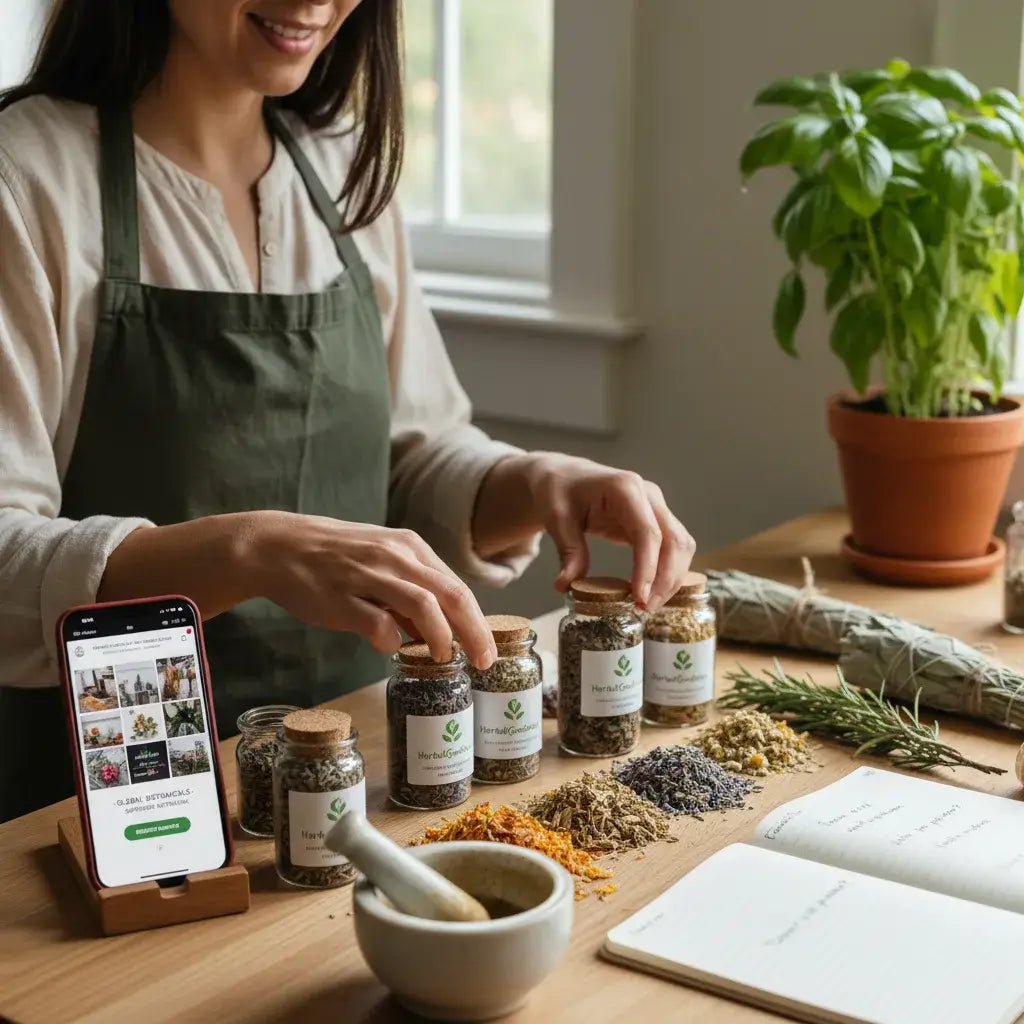
Local business alliances or women’s entrepreneurial networks are useful for connecting with small-batch, women-owned herbal processors and suppliers. These connections are ideal for boutiques, studios, wellness centers, or anyone seeking unique or regional offerings.
Find them through:
- Local chamber of commerce directories with diversity filters
- Facebook or LinkedIn groups for women entrepreneurs in herbal wellness
- Farmer’s cooperatives and CSA (community supported agriculture) organizations that include wildcrafters or plant-based product makers
Such community networks often lead to trusted, low-MOQ options such as Bulk Loose Leaf Teas & Tisanes - Organic 4oz - Herbal Wellness Teas for local wellness businesses.
Essential Supplier Details to Evaluate
As you identify potential women-owned suppliers, it’s important to gather key information to ensure lasting business alignment. Here are some points to consider as you review supplier profiles:
- Certifications: Are they certified WBE, WOSB, or hold organic/sustainability credentials?
- Sourcing Practices: Can they describe their harvesting, purification, and environmental stewardship methods?
- Product Range: What types of herbal and plant-based products do they offer (bulk raw herbs, capsules, teas, tinctures, etc.)?
- Minimum Order Quantities (MOQs): Are the MOQs realistic for your needs and cash flow?
- Geographic Reach: Do they ship nationally or focus on certain regions?
- Transparency: Are they willing to share supply chain details and documentation?
- Testing and Quality Assurance: Do they offer COAs (Certificates of Analysis), and what testing standards do they use?
- Packaging and Labeling: If you require private label options, can they accommodate?
When contacting potential partners, consider reviewing case studies or testimonials about Papaya Leaf Extract - Organic 1oz 15X Liquid - Blood Platelet to understand how suppliers operate sustainably and transparently.

Conversation Starters: Building Connections with Women-Owned Suppliers
When you’ve identified a prospective supplier, reaching out with thoughtful, values-driven questions can set a foundation of trust and clarity. Here are some openers and topics to initiate meaningful conversations:
- "Can you share more about your mission and sourcing philosophy?"
- "How do you ensure quality and purity across your herbal product line?"
- "Which of your products are most popular among other wellness-focused brands?"
- "Can you describe any sustainability initiatives your business participates in?"
- "What testing procedures are in place for product consistency and validation?"
- "What is your standard lead time for order fulfillment?"
These questions help clarify alignment on product, process, and principles—essential pillars for successful, sustainable supplier relationships in today's wellness marketplace.
Aligning With Clean, Organic, and Sustainable Standards
For businesses in the herbal and plant-based wellness space, clean sourcing and sustainability are more than buzzwords—they reflect a collective commitment to health, community, and the planet. Women-owned suppliers are often at the forefront, integrating transparent and eco-conscious practices into their frameworks.
Look for:
- USDA Organic, Fair Trade, or equivalent certifications
- Regenerative agriculture or permaculture-based farming partnerships
- Minimal, recyclable, or compostable packaging solutions
- Supplier participation in education or skill-building initiatives for women or local communities
If your brand or organization has a specific ethos—such as prioritizing U.S. sourcing, single-origin botanicals, or certified organic only—be up front about these needs early in your conversations. This helps ensure the partnership is mutually rewarding and built on shared priorities.
Bulk Herbs & Roots Online for Tea, Tinctures & DIY Wellness - Organic 4oz Bags can support these clean and sustainable goals, often highlighted by women-led businesses. Additionally, options like Sea Moss - Raw Dried from St Lucia - 8oz Bag - Nature's MultiVitamins demonstrate authentic sourcing and community impact.
Harnessing Community and Peer Insights
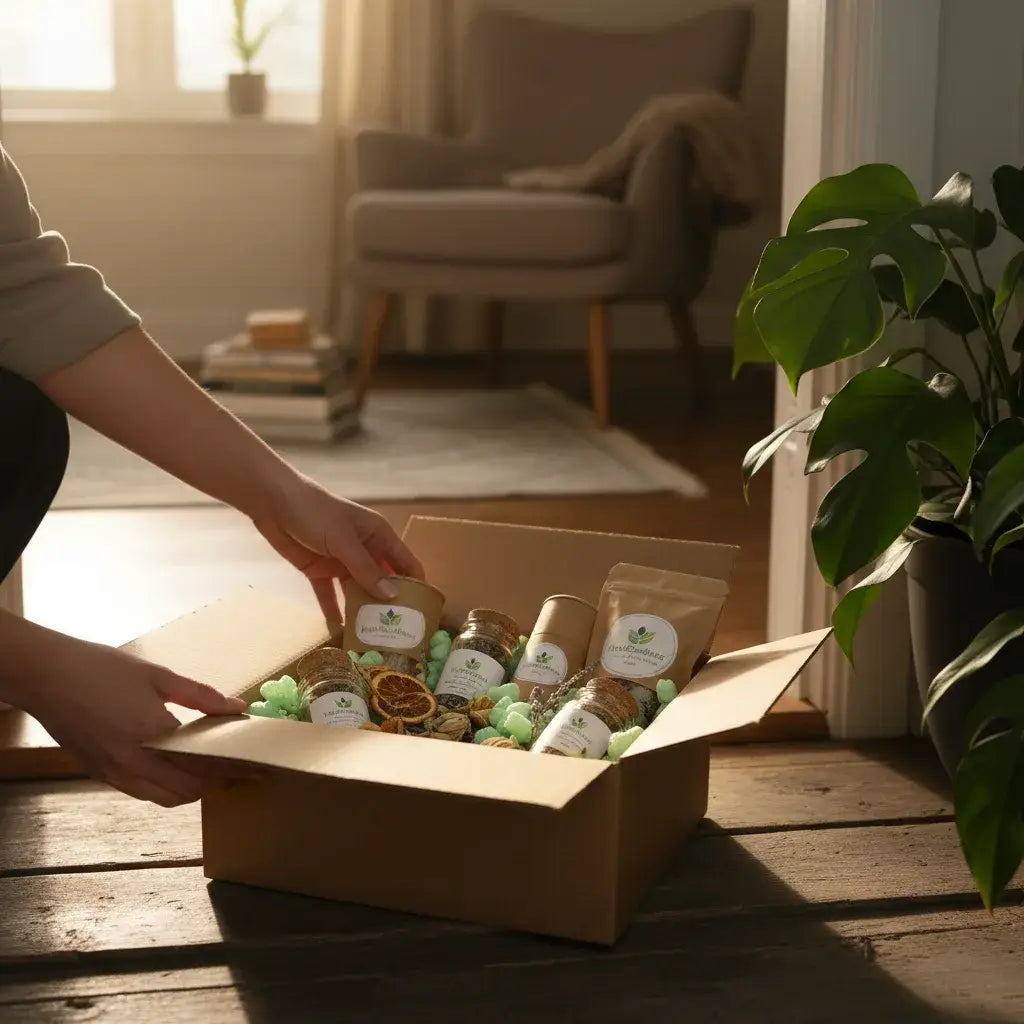
Finally, connecting with fellow business owners already working with women-owned herbal suppliers can offer valuable, firsthand recommendations. Whether through peer groups, online forums, or trade association directories, tapping into real-world experiences can:
- Highlight standout suppliers with good reputations
- Identify best practices for communication and onboarding
- Uncover lesser-known co-ops or networks in your region or interest area
Peer referrals can add to your confidence that the supplier has a positive history and is invested in collaborative partnerships.
Options such as Bamboo Leaf Tea – 24/1.5g Tea Bags - Nature's Collagen & Biotin are often discovered through such peer insights, revealing unique product offerings from women-led teams.
Businesses looking to source clean, organic, and plant-based wellness products from a women-owned brand can explore partnership opportunities with our team.
Click here to fill out the wholesale program form.
Next Steps: Building a Meaningful Supplier Portfolio
Finding women-owned wholesale suppliers is a purposeful and rewarding journey in the herbal and plant-based wellness sector. By using official certification directories, niche B2B marketplaces, industry trade events, women-led cooperatives, and local sourcing networks, you can discover trusted partners who align with your standards for quality, transparency, and sustainability.
As you begin the search:
- Organize your priorities (certifications, sustainability, MOQs)
- Research across multiple channels for a comprehensive view
- Reach out with thoughtful questions to assess alignment
- Stay open to recommendations from within the community
Cultivating partnerships with women-owned suppliers supports diversity and helps foster broader industry change, all while offering your customers products that reflect your brand’s authentic values.
FAQs:
- What is a women-owned wholesale supplier in the herbal wellness industry?
A women-owned wholesale supplier is a business in the herbal and plant-based wellness sector that is at least 51% owned, managed, and operated by women. Many of these suppliers are certified by organizations such as WBENC or the U.S. Small Business Administration’s WOSB program.
- How do I verify if a supplier is officially women-owned or certified?
You can check supplier credentials through directories provided by certification agencies like WBENC (Women’s Business Enterprise National Council) or the SBA’s Women-Owned Small Business (WOSB) program. Always request documentation or certification when evaluating new vendors.
- What should I ask a women-owned supplier about their herbal product sourcing?
Ask about their sourcing practices, how they ensure product quality and purity, any sustainability or organic certifications, and details about their production process. Open conversations build mutual understanding and trust.
- Why are minimum order quantities (MOQs) important in supplier selection?
MOQs help you determine if a supplier’s scale and capacity match your business needs and budget. Understanding MOQs up front supports practical planning for inventory and cash flow.
- Are there special benefits to partnering with women-owned suppliers?
Many women-owned suppliers place an emphasis on sustainable sourcing, community-oriented approaches, and transparent business practices. Partnering can support diversity, innovation, and broader positive impact.
- How do industry trade shows help in finding women-owned vendors?
Trade shows and expos often feature women-led brands, provide dedicated networking events, and publish exhibitor lists to help you identify and meet women-owned herbal and plant-based product suppliers.
- Can small businesses source from women-owned suppliers?
Yes, many women-owned wholesalers offer flexible MOQs, work with boutiques or local studios, and support startups or small businesses through mentorship, educational resources, and regional networks.
Author Name:
Herbal Goodness Editorial Team
Author Bio:
The Herbal Goodness Editorial Team specializes in holistic health and superfoods, blending science and nature to educate and empower our community.
References:
Introducing Graviola to Young Taste Buds: Fun, Family-Friendly Flavor Exploration