





Where to Buy Graviola (Soursop) Tea: Sourcing, Labels & Sustainability

Where to Buy Graviola (Soursop) Tea: Sourcing, Labels & Sustainability
Graviola tea, also called soursop tea, is steadily gaining attention among herbal enthusiasts for its unique flavor and roots in traditional wellness. As more people grow curious about this tropical brew, they face a common challenge: where should you buy graviola tea, and how can you make sure it's the right fit for your cup and your values? This beginner’s roadmap walks you through the world of sourcing graviola tea, from local markets to online shops. You’ll also discover label-reading basics, packaging formats, sustainability considerations, and tips to spot reputable sellers—so you can brew with confidence.
Exploring the Many Ways to Buy Graviola (Soursop) Tea
When searching for graviola tea, several sources await you. Each comes with unique advantages, considerations, and shopping experiences. Let’s break down the main avenues.
Local Health Food Stores and Herbal Shops
Why Try Local:
- Community health stores often feature herbal teas, including graviola, as part of their wellness selection. Shopping local allows you to inspect packaging up close and ask staff for advice.
- Some herbal shops source from regional growers or include blends you might not find elsewhere.
Points to Consider:
- Inventory may be limited compared to online, with seasonality impacting availability.
- Pricing can be higher, especially for small-batch or organic lines.
Specialty Tea Boutiques
Why They Stand Out:
- Specialty tea shops curate rare herbal infusions like graviola, emphasizing high-quality loose leaf and unique blends.
- In-store tastings or samples sometimes let you experience the aroma and flavor before buying.
What to Watch:
- Not all shops carry graviola; it’s still relatively niche outside Caribbean, African, or Southeast Asian communities.
- Staff knowledge varies—some may focus more on standard teas.
Online Marketplaces
Why Shop Online:
- The largest selection—major retailers and dedicated herbal companies offer a variety of graviola tea products.
- You can read customer reviews, compare brands, and filter for certifications like organic or fair trade.
Helpful Tips:
- Look for clear ingredient lists and transparency about the source.
- Be aware of variations in shipping times, import fees, or customs for international suppliers.
Community Herbalists and Local Growers
Unique Benefits:
- Herbalists cater to individuals seeking stronger connections with natural remedies. When graviola is locally available, you may find hand-harvested or small-run batches.
- Community-supported agriculture projects or seasonal markets sometimes offer soursop leaves harvested nearby.
Questions to Ask:
- How are the leaves dried and stored?
- Have herbs been grown with organic or sustainable practices?
Decoding The Graviola Tea Label: What Matters Most
Whether you’re in-store or browsing online, reading the label can reveal a lot about graviola tea’s quality and origin. Here’s what beginners should focus on:
Ingredient List
- Pure vs. Blended: Is it 100% graviola leaves, or mixed with other herbs or flavorings?
- Part Used: Genuine graviola tea comes from soursop leaves—fruit or bark are sometimes included, but have different properties.
Certifications
- Organic: Indicates the leaves are grown without certain pesticides or chemicals—a must for some shoppers.
- Non-GMO, Vegan, Kosher: These badges reflect different standards that may align with your dietary values.
Country of Origin
- Why It Matters: Soursop is native to parts of the Caribbean, Central/South America, Africa, and Southeast Asia. Labels should state where the leaves were grown or processed.
- Traceability: Some brands give extra information about farmers and growing cooperatives.
Dates: Harvest, Expiry, Packaging
- Freshness Counts: Look for a clear harvest date, pack date, or a reasonable expiration window to enjoy maximum flavor and aroma.
Other Markers
- Batch Number: Indicates attention to quality control and traceability.
- Contact Information: Reliable brands welcome questions and list ways to get in touch.
Forms and Packaging: What’s Right for You?
Graviola tea can be enjoyed in several forms. Each packaging style has pros and cons:
Loose Leaf Graviola Tea
- Pros: Offers the closest connection to the raw plant, allows you to control strength and blend with other herbs, and produces a fuller flavor.
- Cons: Requires a tea strainer or infuser and a bit more preparation.
Choosing high-quality loose leaf options can offer a richer experience. For those looking for top-tier herbal infusions, Bulk Loose Leaf Teas & Tisanes provides an organic selection focused on wellness and transparency.
Graviola Tea Bags
- Pros: Convenient for brewing at home, work, or on the go. Easy portioning and quick preparation.
- Cons: May contain smaller leaf particles with less robust taste. Watch for added fillers or flavors.
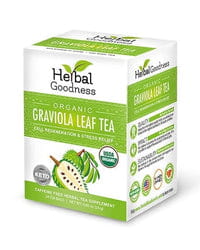
If you prefer the ease and portion control of premeasured servings, Soursop Leaf Tea Graviola Leaves - Organic 24/2g Tea Bags - Immunity & Cell Renew delivers organic soursop leaf in convenient tea bags for everyday enjoyment and immune support.
Graviola Powder
- Pros: Dissolves quickly in liquid, versatile for smoothies, teas, or even baking.
- Cons: Can vary in strength and purity. Read labels to ensure minimal additives.
Other Packaging Features
- Resealable Packaging: Maintains freshness and extends shelf life.
- Compostable or Recyclable Pouches: Eco-conscious options support sustainable habits.

Sourcing Sustainably: Questions to Consider
Sustainability matters—not just for the planet, but for the communities growing graviola. Here’s how to apply mindful purchasing:
Origin Transparency
- Ask About the Source: Is the tea wildcrafted ethically, or cultivated on small farms using sustainable practices?
- Community Impact: Responsible brands reveal if local farmers are paid fairly or if part of profits go back to the growing community.
Supporting ethical sourcing and sustainable harvesting is increasingly important to many tea drinkers. Some herbal brands, like those offering Soursop Leaf Graviola Extract - Organic 15X Liquid Extract - Cell Renew & Immunity, place their focus on both traceability and eco-friendly practices, making them an appealing choice for the conscious consumer.
Environmental Stewardship
- Organic and Regenerative Farming: Confirms natural growing techniques that support soil health, biodiversity, and reduce chemical use.
- Packaging Choices: Seek teas in compostable, recycled, or zero-waste packaging.
Certifications and Claims
- Remember, certifications like organic or fair trade take resources for small producers. Learn about a seller’s practices even if formal badges are missing.

Red Flags: How to Spot Trustworthy Graviola Tea Sellers
Shopping for herbal teas can feel overwhelming. Avoid common pitfalls and choose with more confidence by watching for:
1. Vague or Missing Ingredient Details
- If you can’t tell where the leaves come from or whether the tea is pure soursop, it’s safer to keep looking. Transparency builds trust. Organic tea bag options often have clear ingredient lists and batch information, such as that found on Soursop Leaf Tea Graviola Leaves, which can help you compare brands for honesty and quality.
2. Unusual Colors, Smells, or Textures
- Quality leaves are deep green or brownish-green and carry a mild, unmistakable aroma. Bright or faded colors could signal poor processing or added dyes.
3. Unexpectedly Low Prices
- Bargain-bin graviola tea may reflect lower quality, old stock, or questionable sourcing. Competitive, but not rock-bottom, pricing is often a sign of better business practices.
4. No Contact or Customer Service
- Reputable sellers display clear contact details and respond to questions. If you can’t find any company info, treat it as a warning.
5. Lofty or Unsubstantiated Claims
- Be cautious of brands boasting “miracle” results or making medical claims. Ethical herbal companies focus on tradition, flavor, and transparency—not quick fixes.
Simple Steps for Confident Graviola Tea Shopping
1. List your priorities: Do you want organic? Is origin or direct trade important? Jot down what matters to you. 2. Compare across sources: Check local shops for freshness, browse online for variety, and reach out to trusted herbalists if you value direct supply relationships. 3. Read labels carefully: Look for ingredient transparency, certifications, harvest information, and honest brand communication. 4. Start small: Try a smaller pack or sample before committing, especially if buying a new brand or form. 5. Trust your senses: The look, aroma, and taste should always align with what you expect in premium herbal tea.
Conclusion: Your Path to Mindful Graviola Tea Enjoyment
The journey to finding the right graviola (soursop) tea blends tradition, curiosity, and informed choices. By exploring diverse sources, learning the basics of label-reading, questioning origins, and tuning in to ethical and sustainability signals, you can choose with both enjoyment and intention. Wherever you purchase, bringing awareness to each step supports your well-being and the global communities behind every cup.
If you're exploring supplement alternatives, both Graviola Soursop Leaf Extract – 10X 60/600mg Capsules - Cell Renew & Immunity and Soursop Leaf Graviola Extract - Organic 15X Liquid Extract - Cell Renew & Immunity offer convenient options for those seeking soursop's unique wellness benefits in a form beyond tea.
FAQs:
- What is the best place to buy graviola (soursop) tea for beginners?
The best place depends on what matters most to you. Local health stores or herbal shops let you inspect tea and ask staff questions directly. Specialty tea shops offer curated options, while online marketplaces provide wide variety and customer reviews. Beginners often benefit from starting local, comparing choices, and reading online reviews for additional guidance.
- How can I ensure my graviola tea is sustainably sourced?
Look for brands that are transparent about their sourcing practices. Organic certifications, direct trade, and information about community partnerships often signal a commitment to sustainability. Packaging made from compostable or recyclable materials is another positive indicator.
- What should I look for on a graviola tea label?
Check for an ingredient list that specifies 'soursop/graviola leaves,' origin or harvest location, any organic or ethical certifications, packaging and expiration date, and brand contact information. Transparency and clear labeling are key signs of quality.
- Is loose leaf better than tea bags or powder?
Loose leaf tea typically offers a fuller flavor and more customizable brewing experience. Tea bags offer convenience, while powders provide versatility. Choose the form that best fits your lifestyle and flavor preferences, ensuring each is high quality and transparently labeled.
- What are potential red flags when shopping for graviola tea?
Red flags include unclear or missing ingredients, no origin information, lack of certifications (when expected), overly low prices, and brands making implausible or unproven claims. Always trust your senses and buy from sellers who communicate openly.
- Can I find organic graviola tea easily?
Organic graviola tea is growing in availability, especially through online specialty retailers. In local markets, check for certifications or ask sellers about growing practices to confirm the product meets your standards.
Author Name:
Herbal Goodness Editorial Team
Author Bio:
The Herbal Goodness Editorial Team specializes in holistic health and superfoods, blending science and nature to educate and empower our community.
References:
Introducing Graviola to Young Taste Buds: Fun, Family-Friendly Flavor Exploration
Graviola in the Classroom and at Home: Creative Activities to Teach Kids About Tropical Plants