





How to Use Alcohol-Free Ashwagandha Drops for Healthy-Looking Skin

There is a growing curiosity for gentle, plant-powered beauty routines built around natural extracts. Alcohol-free ashwagandha drops have become a beloved choice for those wishing to introduce time-honored botanicals into daily self-care, especially when seeking topical solutions that are as kind to the skin as they are to the senses. If you’re just beginning to explore at-home beauty creations, this guide will walk you through everything you need to know about topical rituals with alcohol-free ashwagandha drops, from the unique benefits of alcohol-free carriers to essential safe-use practices, creative DIY recipes, and simple patch-testing techniques.
Understanding Alcohol-Free Ashwagandha Drops for Topical Rituals
Alcohol-free ashwagandha drops are crafted by extracting the valuable plant compounds from ashwagandha roots using alternative carriers such as vegetable glycerin, apple cider vinegar, or water. Each carrier influences the texture, scent, and feel of the final product in subtle but important ways. Appreciating these differences will help you choose or create rituals that align with your skin and scalp needs.
What Makes a Herbal Extract Alcohol-Free?
Instead of alcohol, these extracts use glycerin, water, or vinegar to capture the goodness of ashwagandha. This makes them suitable for those with sensitive skin, those who avoid alcohol for personal reasons, and for anyone seeking a more gentle application in DIY beauty projects. If you’re interested in other herbal options, Ashwagandha Extract | Organic Root Liquid – Stress, Energy & Mood is an excellent example of an alcohol-free liquid herbal extract that can be integrated into both topical and supplemental routines.
Exploring Different Carriers
- Glycerites (Vegetable Glycerin-Based): These have a naturally sweet scent and a viscous, slightly tacky texture. Glycerin can help draw moisture to the skin, making it a favored ingredient for mists and serums.
- Vinegar-Based: Ashwagandha in apple cider vinegar carries a sharp scent and a thin, watery consistency. Vinegar is often appreciated in scalp blends for its balancing and clarifying properties. For scalp and hair rituals, a supporting product to consider is Bamboo Silica + Biotin Hair Growth Extract | 15X Liquid | Natural Hair & Follicle Support for its nourishing qualities.
- Water Bases: These offer a nearly odorless, very light formulation that works well in facial sprays and massage blends where minimal residue is desired.
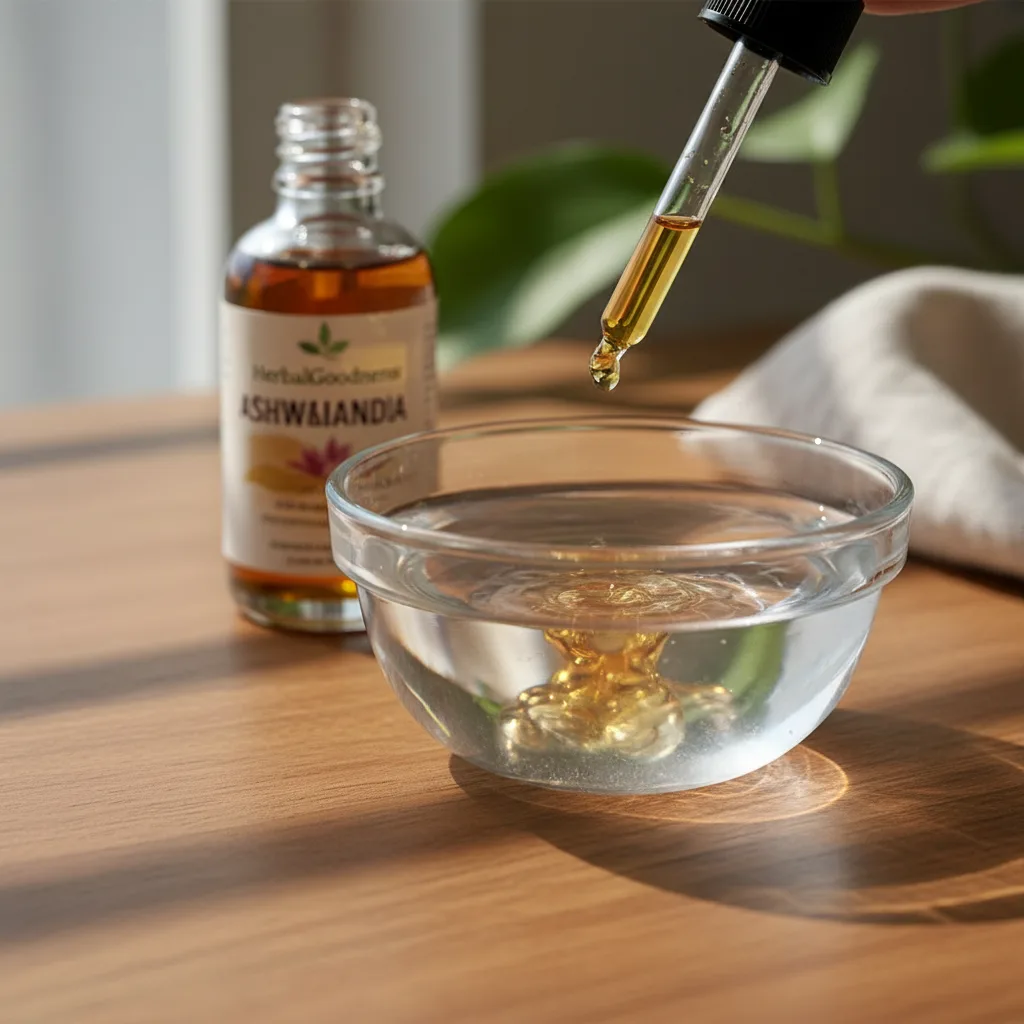
Safe Dilution Guidelines for Topical Ashwagandha Use
When incorporating alcohol-free ashwagandha extracts into DIY beauty rituals, safe dilution is key for maintaining skin sensitivity and ease of absorption. Too much ashwagandha extract, even when alcohol-free, can overwhelm the blend or irritate sensitive skin areas.
General Dilution Tips
- Face and Neck Areas: Use approximately 1–3 drops per tablespoon of carrier (such as distilled water, floral hydrosol, or a carrier oil).
- Scalp and Hair Roots: Use slightly higher concentrations—up to 5 drops per tablespoon—diluted with aloe vera, witch hazel, or light oils.
- Massage Blends or Body Oils: Up to 5–8 drops per two tablespoons of carrier oil, following a patch test.
If broader herbal support for the skin is of interest, try incorporating Herbal Papaya Bath Soap | 2 Bars/3.5oz – Natural Skin Cleanse & Glow into your self-care rotation.
Always start with the lowest concentration and observe how your skin responds, increasing gradually only after confirming comfort and compatibility.
Simple DIY Topical Ashwagandha Recipes: Facials, Scalp, and Body Routines
Crafting your own skin and scalp care blends offers a hands-on way to enjoy ashwagandha’s botanical richness while tailoring each recipe to your unique preferences. The following gentle formulas use alcohol-free ashwagandha drops as their base and can be adapted to suit various needs and textures.
DIY Ashwagandha Facial Mist
Ingredients:
- 1 cup distilled water (or rose water, for an aromatic touch)
- 5–6 drops alcohol-free ashwagandha glycerite
- Optional: 2 tsp aloe vera juice for added soothing effect
Instructions:
- Add distilled water to a clean spray bottle.
- Stir in the ashwagandha drops and aloe vera.
- Shake well before each use. Mist lightly over clean face, avoiding eyes.
- Refrigerate for extra freshness and use within one week.
This mist can be used after cleansing or anytime skin needs a gentle, herbal refresh.
For those who prefer to layer routines, adding a product like Bamboo Leaf Organic 15X Liquid Extract | Silica, Collagen & Biotin to your beauty regimen may provide added benefits for skin elasticity and strength.
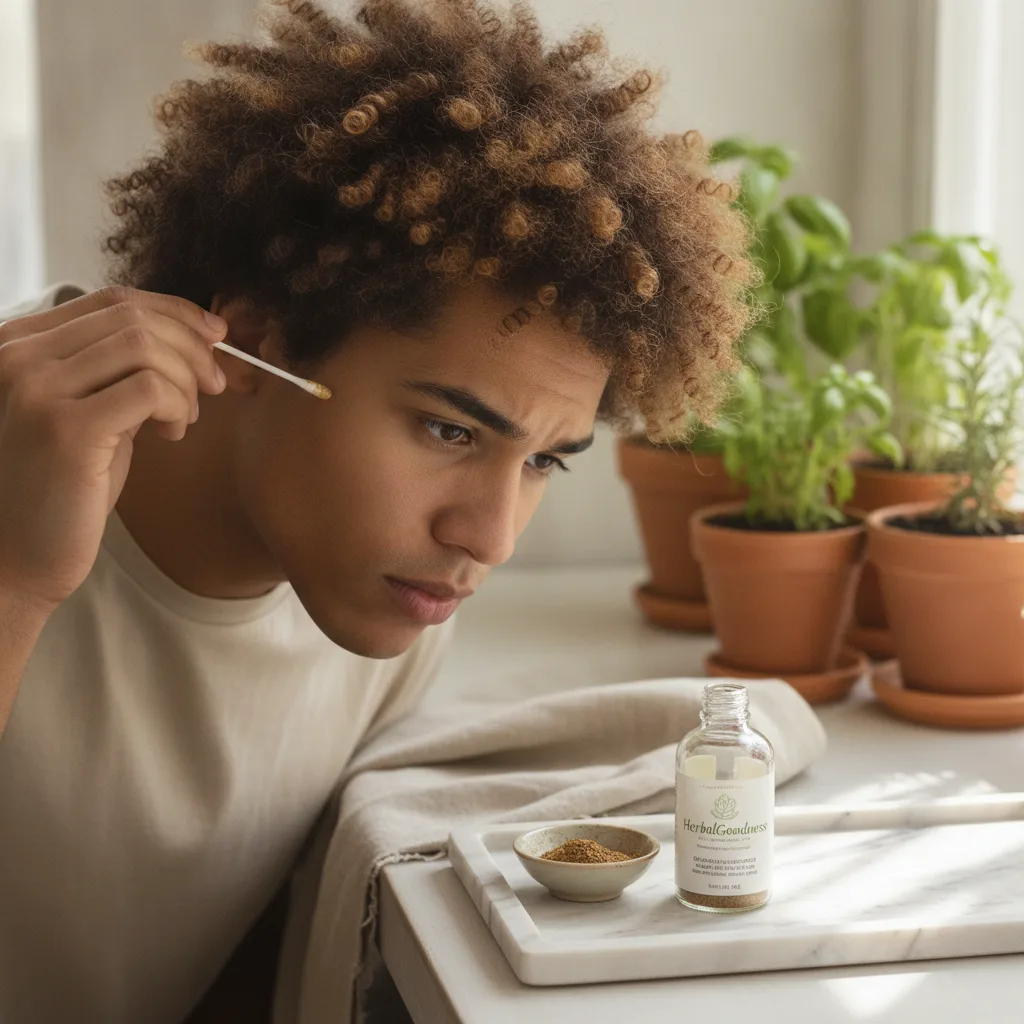
Soothing Scalp Serum with Vinegar-Based Ashwagandha
Ingredients:
- 2 tbsp apple cider vinegar (with the mother)
- 10 drops alcohol-free ashwagandha extract (vinegar base)
- 1 tbsp distilled water (to dilute)
- Optional: a few drops of essential oil, such as lavender (patch test required)
Instructions:
- Combine all ingredients in a glass dropper bottle.
- Shake gently to combine.
- Apply a few drops directly to part lines, massaging into the scalp.
- Leave in for 15–20 minutes, then rinse or shampoo as desired.
Intended for occasional use, this serum is a way to include ashwagandha in your scalp self-care in a balanced, minimal-waste routine.
If hair health is a key goal, complement topical care with Bamboo Silica + Biotin Hair Growth Extract | 15X Liquid | Natural Hair & Follicle Support for internal hair and scalp support. The synergy of topical and ingestible botanicals can bolster your ritual.
Gentle Ashwagandha Massage Oil
Ingredients:
- 2 tbsp sweet almond oil or jojoba oil
- 8 drops alcohol-free ashwagandha glycerite
- Optional: 2 drops chamomile essential oil (for scent, optional)
Instructions:
- Add oils and ashwagandha drops to a small bottle.
- Cap and roll gently between palms to blend.
- Pour a small amount into hands and massage into skin using light, circular motion.
- Store in a cool, dark place and use within a month for optimal freshness.
Massage oils with ashwagandha may be a comforting step in your wind-down or self-care routine.

If you love plant-based infusions, using Ashwagandha Extract | Organic Root Liquid – Stress, Energy & Mood in your topical formulations ensures your craft is rooted in tried-and-true herbal expertise.
Patch-Testing: A Simple Step for Safe Exploration
No matter how gentle or natural a preparation is, every skin is unique. Patch-testing is the gold standard for determining compatibility with new topical blends. This simple step reduces the risk of unwanted reactions and gives you peace of mind as you experiment.
How to Patch-Test Your Alcohol-Free Ashwagandha Preparation
- Clean a small area of skin on your inner forearm.
- Apply a drop or a small amount of the finished blend to this area.
- Wait 24 hours, checking for any visible redness, irritation, or discomfort.
- If the area remains unchanged, it is more likely to be compatible. Discontinue use if irritation appears.
As part of a broader approach to skin wellness, supplementing with topical and cleansing formulas like Herbal Papaya Bath Soap | 2 Bars/3.5oz – Natural Skin Cleanse & Glow can further support your clean beauty goals.
Storage Tips for Alcohol-Free Herbal Preparations
Alcohol-free herbal blends need a bit more care to keep them fresh and effective:
- Keep away from direct sunlight: Store preparations in dark glass bottles when possible to help prevent light degradation.
- Use clean hands or utensils: Always use clean hands or clean droppers to avoid introducing contaminants.
- Refrigerate where needed: Refrigeration slows down spoilage and is especially helpful for water-based recipes.
- Observe shelf life: Glycerites and oil-based blends may last 1–3 months; water and vinegar-based solutions are best made fresh and used within one week.
- Discard if scent, color, or texture noticeably changes.
Products packaged in dark glass, such as Ashwagandha Extract | Organic Root Liquid – Stress, Energy & Mood, make daily use easier and help extend the potent life of your blend.
Sensory Considerations: Texture, Scent, and Feel
Part of the enjoyment in topical rituals is the sensory experience: how the blend feels as it glides across your skin, the natural aroma as you apply, and the way the texture lingers. Alcohol-free ashwagandha carriers have their own unique characteristics:
- Glycerites leave a plump, slightly dewy finish and a faint, honeyed scent.
- Vinegar-based products are crisp, lightweight, and carry an herbal tartness that airs out quickly.
- Water-based preparations are feather-light and refreshing, leaving nothing but a cool feeling behind.
If you’re looking for extra glow and texture refinement, try combining topical ashwagandha with a skin-brightening routine using Herbal Papaya Bath Soap | 2 Bars/3.5oz – Natural Skin Cleanse & Glow.
Take the time to observe which sensory qualities you gravitate toward as you explore your at-home ashwagandha rituals.
Responsible Experimentation and Final Thoughts
Exploring topical beauty rituals at home is an invitation to creativity and mindful, gentle self-care. By choosing alcohol-free ashwagandha drops, following safe dilution guidelines, patch-testing, and proper storage, you can confidently enjoy personalized herbal blends attuned to your skin and scalp’s unique rhythm. Each DIY recipe offers a simple, accessible way to tap into the longstanding appreciation of ashwagandha’s botanical virtues—always with safety and respect for individual sensitivity at the heart of every step.
Frequently Asked Questions
Question 1: Are alcohol-free ashwagandha drops safe for sensitive skin?
Answer: Yes, alcohol-free ashwagandha drops are generally well-tolerated by sensitive skin, especially when following proper dilution practices. Always patch-test before full application. Consider pairing with products like Herbal Papaya Bath Soap | 2 Bars/3.5oz – Natural Skin Cleanse & Glow to maintain gentle, supportive routines.
Question 2: Can I use ashwagandha drops with other herbal extracts in skincare?
Answer: Absolutely. Combining ashwagandha drops with nourishing extracts such as Bamboo Leaf Organic 15X Liquid Extract | Silica, Collagen & Biotin or Bamboo Silica + Biotin Hair Growth Extract | 15X Liquid | Natural Hair & Follicle Support can enhance your beauty blends.
Question 3: How should I store my DIY herbal blends with ashwagandha?
Answer: Keep your blends in dark glass bottles and store away from direct sunlight. For water-based recipes, like facial mists, refrigeration is recommended. For extended potency, use reputable extracts such as Ashwagandha Extract | Organic Root Liquid – Stress, Energy & Mood.
Question 4: What carriers are best for ashwagandha in scalp and hair rituals?
Answer: Vinegar-based and glycerin-based ashwagandha extracts are both common choices. For additional nourishment, try incorporating Bamboo Silica + Biotin Hair Growth Extract | 15X Liquid | Natural Hair & Follicle Support in your hair regimen.
Question 5: Do topical ashwagandha recipes require patch testing?
Answer: Yes, patch-testing is always recommended for any new blend. Even gentle, natural formulas may cause irritation on sensitive skin. This is especially true when introducing concentrated extracts such as Ashwagandha Extract | Organic Root Liquid – Stress, Energy & Mood.
Question 6: How frequently can I use topical ashwagandha blends?
Answer: You can use gentle blends, such as facial mists or massage oils, daily or as needed. Scalp serums are best used 1-2 times per week. Layering with products like Herbal Papaya Bath Soap | 2 Bars/3.5oz – Natural Skin Cleanse & Glow supports ongoing results.
Question 7: Which type of ashwagandha extract is best for minimal residue on the skin?
Answer: Water-based ashwagandha extracts tend to leave minimal residue and feel refreshing. Many users find that pairing these with Bamboo Leaf Organic 15X Liquid Extract | Silica, Collagen & Biotin enhances the light, nourishing experience.
Ready to begin exploring gentle, alcohol-free ashwagandha rituals? Embrace thoughtful experimentation and enjoy customizing your self-care with mindful, botanically inspired blends.
About the Author
Herbal Goodness Editorial Team
The Herbal Goodness Editorial Team specializes in holistic health and superfoods, blending science and nature to educate and empower our community.
References
Introducing Graviola to Young Taste Buds: Fun, Family-Friendly Flavor Exploration
Graviola in the Classroom and at Home: Creative Activities to Teach Kids About Tropical Plants
Why Social Impact Matters in Plant-Based Wellness