





Small-Batch Mullein Extract: Beginner Guide to Making, Testing, Selling Bottles

Taking the step from DIY herbal projects to responsibly making, testing, and selling your own small-batch mullein extract is both exciting and rewarding. For those new to the process, it can feel like a maze—balancing safe extraction techniques, shelf life, quality control, packaging, compliant labeling, and clear communication for consumers. This beginner’s guide will walk you through each crucial stage, offering practical advice focused solely on bringing your first bottles of mullein extract to market responsibly—no medical claims, no shortcuts, just a clear, supportive roadmap so you can move forward with confidence.
Choosing Your Extraction Method for Small-Batch Mullein Extract
The first, and perhaps most vital, decision is which extraction method fits your goals. Mullein (Verbascum thapsus) is appreciated for its thoughtfully produced extracts, often used as a gentle botanical for general wellness routines. Extraction choices impact both the quality and shelf life of your finished product, so understanding your options is key.
Alcohol-Based Extractions
Ethanol (alcohol) extraction is most common for small-batch mullein extract makers. High-proof, food-grade ethanol extracts a wide spectrum of plant compounds while creating a stable product. When done carefully, this method can extend shelf life significantly, sometimes between 1–3 years if stored away from light and heat.
- Advantages: Broad plant compound capture, good preservation
- Considerations: Alcohol taste may be strong; not suitable for all customers
Glycerin and Vinegar Extractions
Vegetable glycerin is a gentle alternative, well-suited for those seeking alcohol-free options. It typically creates a sweeter-tasting extract, but has a shorter shelf life—about 6–12 months. If you want to explore alcohol-free finished products for your collection, the Bamboo Leaf Organic 15X Liquid Extract is a good comparative product for learning about plant-based liquid extracts.
Apple cider vinegar can also be used, producing a tangy extract. Its shelf life is moderate, similar to glycerin. Vinegar extractions are less commonly chosen for commercial sales but can be appropriate for niche markets.
Maceration Process
Regardless of solvent, the basics are similar:
- Fill a sanitized jar with dried, chopped mullein leaves or flowers
- Cover with your chosen solvent (alcohol, glycerin, or vinegar)
- Seal and store away from light, shaking every few days
- Strain after 4–6 weeks for optimal extraction
If you're still sourcing botanical ingredients, consider options such as Bulk Herbs & Roots Online for Tea, Tinctures & DIY Wellness - Organic 4oz Bags as a starting point for larger scale or consistent small-batch production.
Ensuring Quality: Simple Checks and When to Consider Third-Party Testing
Selling mullein extract means stepping up to higher quality standards than home use. Quality control is both ethical and essential—consumers trust you to deliver safe and well-produced extracts.
Simple Quality Checks in Small Batches
There are practical steps you can take before investing in lab work:
- Visual Inspection: Check for cloudiness, sediment, or color changes. Fresh, well-filtered extract should look clear (unless naturally cloudy due to plant material).
- Aroma: A clean, fresh, herbal scent is ideal. Sour, rancid, or off-odors may indicate spoilage.
- Sediment: Small particles may settle but should not form large clumps or films, which can signal contamination.
- pH Check: (optional) Simple pH strips can help confirm your extract is in a stable range—usually slightly acidic for ethanol-based extracts.
Some herbal sellers also consider using comparable products for pH and clarity standards, such as Mullein Leaf Organic 15X Liquid Extract | Respiratory & Lung Wellness to check their own work against commercial gold standards.
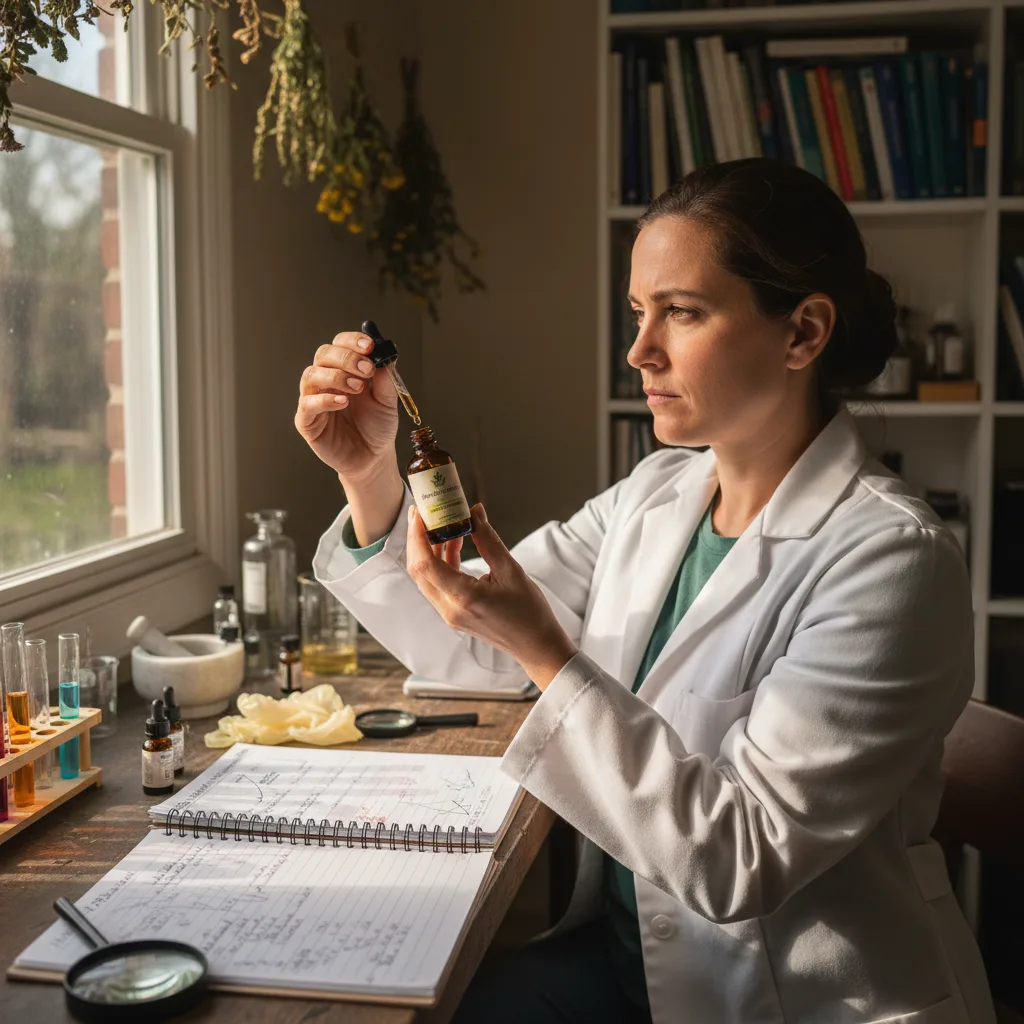
Third-Party Testing: When and Why Order a COA (Certificate of Analysis)
Consider third-party testing if:
- You plan to scale up and sell beyond friends and family.
- You want data on purity, solvent residue, or heavy metals to share with customers.
- You need to meet retailer or marketplace requirements.
A COA from a reputable laboratory documents what is (and isn’t) in your extract. This not only builds trust, but is often mandatory for retail channels—to confirm absence of contaminants and ensure customers can confidently assess your product’s profile.
Shelf Life and Packaging Considerations for Mullein Extract
Proper packaging and storage extends your extract’s shelf life and helps maintain quality:
- Bottles: Amber glass dropper or Boston round bottles are ideal—they limit light exposure and minimize plastic contact. Ensure all packaging is food-grade and new.
- Caps and Droppers: Use tamper-evident lids whenever possible for safety and professionalism.
- Labels: Every bottle needs clear, water-resistant labeling for use over the extract’s lifetime.
- Storage: Store finished bottles in a dark, cool area until ready to ship or share.
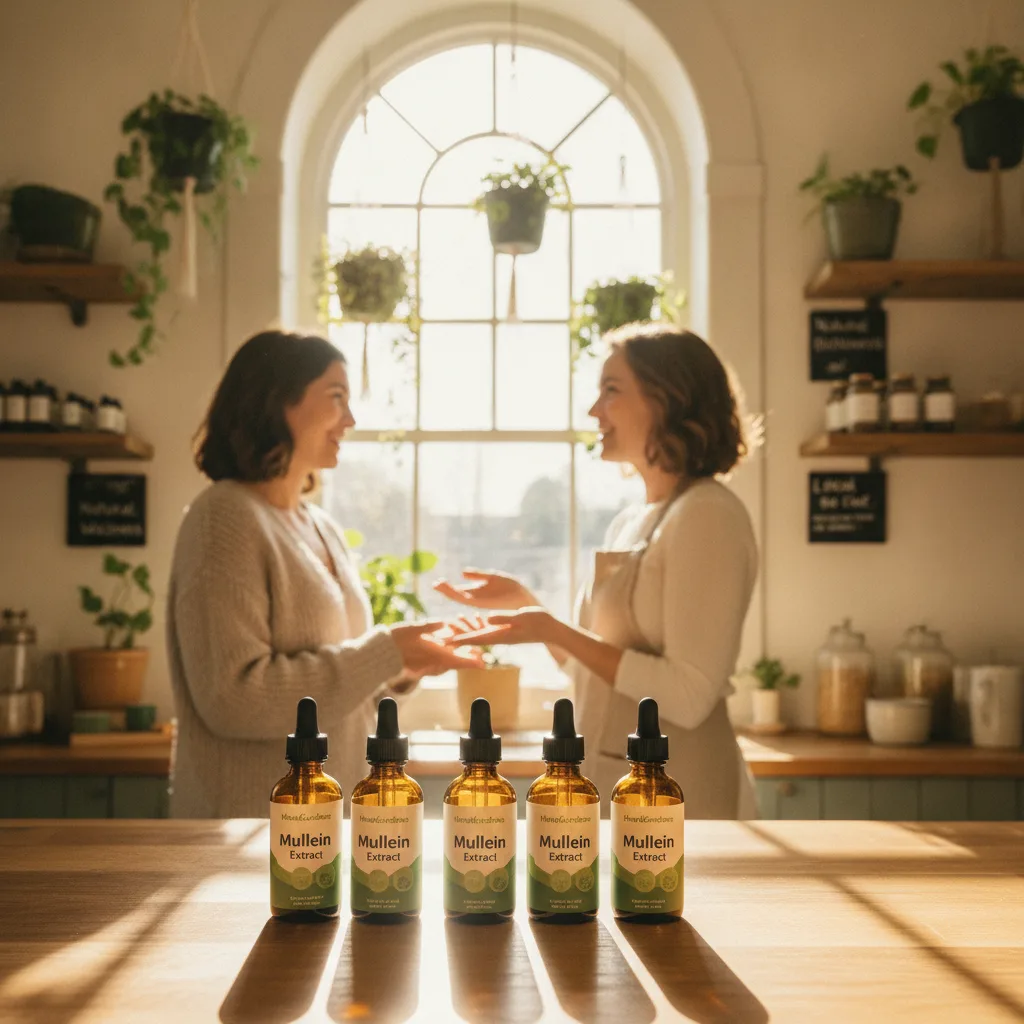
Determining Shelf Life
- Alcohol extracts: Generally 1–3 years
- Glycerin or vinegar: Usually 6–12 months
- Date all batches with a production and best-by date for traceability and transparency.
For those looking for tested and shelf-stable options, reviewing Lungs & Respiration 15X Liquid Extract | Natural Respiratory Support can give insight into how established brands present shelf life and packaging.
Labeling and Regulatory Basics for Small-Batch Mullein Extract
Moving beyond casual sharing means learning basic label and regulatory duties. Your labels aren’t just about brand—they’re a form of consumer protection, as well as your best opportunity to communicate what your product is (and isn’t).
Basic Label Requirements
- Product name (e.g., Mullein Extract)
- Ingredients (listing solvent and botanical parts used)
- Serving suggestion (non-medical, generic—for example, "Add drops to water or tea as desired")
- Batch/lot number for traceability
- Net contents (e.g., 2 fl. oz.)
- Contact details (business address or website)
- Best-by date
Always avoid any language that might imply medical use or intended benefit. Instead, provide simple, accurate statements about traditional uses or the extract’s botanical characteristics. Be sure to review basic FDA and local requirements for dietary supplements and herbal extracts—especially if you plan on entering retail or online marketplaces.
If you want your product to serve as an example of regulatory compliance and effective brand storytelling, the Mullein Leaf Tea Organic 24 Bags | Respiratory & Lung Wellness Support demonstrates best practices in packaging and labeling for botanicals and can serve as valuable reference material.

Regulatory and Safety Notes
- Avoid unapproved health claims or advice
- Offer clear, generic use directions (e.g., "as desired" or "as part of your routine")
- Clearly state all ingredients and solvents
- Follow Good Manufacturing Practices (GMP) as far as you can, even in tiny batches, for consistency and safety
Pricing, Sampling, and Selling Your Small-Batch Bottles
Bringing your mullein extract to market involves thoughtful pricing and sharing samples for feedback. Small batches offer flexibility but require careful cost planning to avoid surprise expenses.
Estimating Costs and Setting a Price
To determine the price per bottle:
- Add up costs: Include mullein, solvent, bottles, labels, and shipping materials
- Factor in labor: Even brief production deserves to be valued
- Quality expenses: COA or third-party testing adds to your value proposition and cost
- Market research: Compare with established small-batch extract and tincture brands for a general sense (locally and online, without copying directly)
Set an initial price that covers costs, considers value, and leaves room for feedback-based adjustments. Don’t undervalue your time or quality.
If you're interested in pairing your new extract with other well-regarded botanicals, consider adding a comparison bottle of Organic Papaya Leaf Extract 16oz | 15X Liquid – Best Value Size, which is recognized for its quality and presentation in the natural wellness market.
Offering Samples Responsibly
Small sample bottles (e.g., 5 ml) let potential customers experience your mullein extract without risk or pressure. Always label samples with the same attention to detail—even if they are "tester" bottles—so people always know what’s inside and how to use it safely.
Balancing Scale and Responsibility
Growing responsibly from your first batch up means:
- Never producing more than you can safely oversee and store
- Keeping meticulous batch records for each run
- Updating your product’s best-by date and tracking feedback
- If you begin seeing greater demand, revisit packaging, labeling, and testing to ensure every bottle meets consistent standards
Communicating Value: Consumer Language Without Medical Claims
Describing mullein extracts responsibly is vital. Focus on:
- The traditional uses or botanical history (e.g., "Mullein has a long history as a gentle botanical in wellness routines")
- How the extract was made (e.g., "slow maceration in organic ethanol" or "crafted in small batches")
- Commitment to quality (e.g., "tested for purity," "crafted with care in small batches")
Avoid:
- References to supporting, improving, or benefitting specific bodily processes
- Statements implying medical, therapeutic, or functional effects
- Any language that could be interpreted as a promise of results
Clear, honest language about traditional use and production builds trust and helps you comply with evolving herbal product guidance in the U.S.
Bringing Your First Small-Batch Mullein Extract to Market
By putting safety, transparency, and integrity at the center of your process, you lay the groundwork for sustainable growth and authentic consumer trust. Each stage—from method selection and testing, to careful packaging, regulatory basics, sampling, and sensitive communication—presents an opportunity to demonstrate your commitment to quality over shortcuts. Whether you stay small-batch or grow, these foundational steps will help ensure your mullein extract stands out for all the right reasons.
Frequently Asked Questions
Question 1: What are the main solvents used in mullein extract production?
Answer: The main solvents used include alcohol (ethanol), vegetable glycerin, and apple cider vinegar. Each offers a different shelf life and flavor—alcohol extracts last longest, while glycerin suits those looking for an alcohol-free option. Explore the Bamboo Leaf Organic 15X Liquid Extract to see how plant-based glycerin extracts compare.
Question 2: How can I ensure my mullein extract is shelf-stable and high quality?
Answer: Visual and aroma checks, pH testing, and comparison with products like Mullein Leaf Organic 15X Liquid Extract | Respiratory & Lung Wellness will help maintain high standards. For greater scale or market entry, consider lab-based COA testing.
Question 3: What packaging should I use for small-batch mullein extract?
Answer: Amber glass bottles with dropper or Boston round style help preserve your extract. For labeling and shelf-life reference, check how established brands like Lungs & Respiration 15X Liquid Extract | Natural Respiratory Support document packaging details.
Question 4: What information must be included on a mullein extract label?
Answer: Labels must show: product name, ingredients, serving suggestion, batch number, net contents, contact details, and best-by date. Avoid medical claims. The Mullein Leaf Tea Organic 24 Bags | Respiratory & Lung Wellness Support label provides a helpful compliance example.
Question 5: When is third-party COA testing necessary for mullein extract?
Answer: Testing is vital if selling beyond friends and family, or if retail compliance is required. A COA shows purity, absence of contaminants, and meets retailer demands.
Question 6: How should I price my first bottled mullein extracts?
Answer: Account for all input costs, your time, and quality control (like testing). Compare your offering to respected wellness brands such as Organic Papaya Leaf Extract 16oz | 15X Liquid – Best Value Size for market context.
Question 7: Where can I purchase organic herbs and solvents for my small-batch production?
Answer: Quality dried botanicals are available at Bulk Herbs & Roots Online for Tea, Tinctures & DIY Wellness - Organic 4oz Bags, a source trusted by small and large herbal crafters alike.
Ready to bring your first batch of mullein extract to market? Use this guide as a roadmap to ensure every bottle meets safe, responsible standards.
About the Author
Herbal Goodness Editorial Team
The Herbal Goodness Editorial Team specializes in holistic health and superfoods, blending science and nature to educate and empower our community.
Related Articles
Mullein Leaf Extract Shopping Guide: Spot Unsafe Product Claims
Best Mullein Leaf Liquid Extract: Reviews, Rankings and Red Flags
Best Mullein Tincture Deals: Blends, Bundles & Buying Guide
Mullein Extract Wild-Harvest Claims: What Buyers Should Verify
Is Drinking Herbal Tea Daily Healthy? Evidence‑Aware Habits and Safe Routines
Home Prep Guide: Safe, Flavor-First Ways to Prepare and Use Papaya Leaves
How Much Sea Moss Gel Should I Take Daily? A Practical Non-Medical Guide
How Long Does It Take for Oregano Oil to Affect Parasites? Understanding Timelines and Research
Understanding Papaya Leaf Extract Timeline: How Quickly Do Platelet Levels Shift?
Hibiscus Tea and Kidney Health: What the Evidence Actually Says Today