





Moringa vs. Common Digestive Herbs: Flavor, Tradition, and Everyday Uses

Curious how moringa compares to other herbs you might reach for when you want a gentle touch in your kitchen or cup? While both moringa and popular digestive herbs like fennel, ginger, peppermint, and chamomile have long traditions and distinctive flavors, their everyday uses and roots run deep in cultures worldwide. Exploring the unique personalities of these plants—how they smell, taste, and weave into our routines—can be a delightful introduction to their world. Let’s take a friendly, food-first journey comparing moringa with these common digestive herbs, focusing on flavor profiles, cultural appeal, and creative, gentle ways to enjoy them at home.
How Moringa and Digestive Herbs Differ in Flavor
Moringa: Earthy, Green, and Mild
Moringa leaf, often called the "drumstick tree," offers a subtle vegetal flavor. Some describe its taste as a cross between spinach and matcha, with a slightly peppery note. Its gently grassy aroma is rarely overpowering, making it versatile for stirring into both savory and sweet dishes. For a convenient way to experience moringa, try the Moringa Leaf Extract - Organic 1oz 15X Liquid Extract - Immunity & Wellbeing, which can be added easily to teas and recipes.
Fennel: Sweet, Anise-Like Freshness
Fennel seeds and fronds deliver a sweet, licorice-like flavor that’s both aromatic and refreshing. This herb is crisp and slightly earthy, ideal for those who appreciate a bit of natural sweetness and want to enliven their palate.
Ginger: Warming, Spicy, and Invigorating
Ginger root is unmistakable with its warm, spicy bite and a hint of citrus. Its invigorating flavor is both zesty and comforting, making it a staple in teas and culinary preparations across the globe. Herbal blends such as Gut Digest Plus - Organic 1oz 15X Liquid Extract - Gut & Immunity often pair ginger with other botanicals for optimal support.
Peppermint: Bright, Cooling, and Uplifting
Peppermint leaves contribute a sharp, cooling sensation, accompanied by a bold menthol aroma. Their strong, clean taste can enliven teas and desserts, or provide an uplifting finish to an evening meal.
Chamomile: Gentle, Floral, and Apple-Like
Chamomile flowers are known for their gentle, slightly sweet, and floral profile, sometimes reminiscent of fresh apples. The understated nature of chamomile makes it especially soothing in teas and gentle infusions.
Comparison Highlights:
- Moringa stands out for its green, mildly nutty flavor compared to spicier or sweeter digestive herbs.
- Digestive herbs like peppermint and fennel bring more pronounced, singular tastes—think cool menthol or licorice—versus moringa’s subtle earthiness.
- These differences mean you might prefer one for vibrant teas and another for blending into foods for subtle support. Looking to experiment with gentle, soothing blends? Consider Papaya Leaf Extract 10X - 600mg Capsule - Platelet & Digestive Aid for digestive harmony.
Cultural Traditions: The Global Story Behind Each Herb
Moringa in Everyday Food and Drink
Moringa is a staple in South Asian and African kitchens. Its leaves are simmered in soups, stirred into porridge, or dried for tea. In India and Africa, moringa’s mildness lets it blend easily with strong spices or rich coconut milk. The leaf’s gentle flavor makes it welcome in a vast range of cultural recipes, from curries to salads. Incorporating Moringa Leaf Extract - Organic 1oz 15X Liquid Extract - Immunity & Wellbeing can make it simple to add the essence of moringa to your own recipes at home.
Fennel’s European and Middle Eastern Roots
Fennel seeds often find their way into post-meal rituals in parts of Europe and the Middle East. You might have seen bowls of candied fennel seeds in Indian restaurants, too, a traditional way to freshen breath and the palate. Its fresh bulbs and leaves are cherished in Mediterranean salads and Italian pastas.
Ginger Across Asia and the World
Ginger’s warming, comforting touch is celebrated in everything from Chinese soups to Indian masalas. It’s valued in tea forms across East Asia (think Japanese ginger teas) and widely used in Caribbean and West African dishes. Blended herbal products such as Gut Digest Plus - Organic 1oz 15X Liquid Extract - Gut & Immunity can deliver the benefits of ginger alongside supportive botanicals.
Peppermint in Tea and Home Rituals
Peppermint’s popularity as a gentle tea traces back through European and North African traditions. Its cooling touch is often enjoyed after meals or as a calming cold beverage. Some cultures also steep peppermint with green tea for a refreshing blend.
Chamomile’s Gentle Embrace
Chamomile’s place in nightly rituals, from Egypt’s ancient herbal brews to modern Western sleep-time teas, is well known. Its soft blossoms are cherished for their gentle, relaxing presence, making it a comforting option before bed or during quiet moments.
Preparations: Simple, Everyday Ways to Enjoy These Herbs
Moringa: From Teas to Everyday Meals
- Moringa Tea: Steep dried moringa leaf or powder in hot water for a subtle, green infusion. For extra flavor, try combining with lemon or a hint of honey.
- Smoothie Addition: Stir moringa powder into morning smoothies for an earthy depth. For an even quicker option, a dropper of Moringa Leaf Extract - Organic 1oz 15X Liquid Extract - Immunity & Wellbeing works easily in blended drinks or juices.
- Stir-Fries and Soups: Add fresh or dried leaves to vegetable stir-fries or nourishing broths.
- Salads: Sprinkle chopped young moringa leaves onto salads much like spinach or kale.

Fennel: Crunchy, Sweet, and Versatile
- After-Meal Seeds: Chew fennel seeds plain, or toast lightly for added aroma.
- Fresh Bulb: Slice crisp fennel bulb into salads for sweetness and crunch.
- Herbal Infusion: Steep fennel seeds with hot water for a gently sweet tea.
Ginger: Warming Zest in Drinks and Foods
- Fresh Ginger Tea: Slice fresh ginger root and steep in hot water for a spicy tea.
- Culinary Uses: Grate ginger into stir-fries, soups, or baked goods for warmth.
- Infused Broths: Add ginger to broths for an aromatic, invigorating experience. Supplementing with Papaya Leaf Extract 10X - 600mg Capsule - Platelet & Digestive Aid is another way to bring comfort to your daily wellness routine.
Peppermint: Sparkle in Teas and Treats
- Herbal Tea: Steep fresh or dried peppermint leaves for a cooling cup.
- Infusions: Blend with other herbs, such as moringa or chamomile, for new flavors.
- Dessert Garnish: Sprinkle chopped mint atop fruit or desserts.
Chamomile: Soft Blooms for Tea and More
- Simple Tea: Steep dried chamomile flowers for a soothing, flowery infusion.
- Blend: Pair with moringa or peppermint for multi-layered tea experiences.
- Infused Syrup: Simmer chamomile in water with honey for a floral syrup to drizzle on oatmeal or yogurt.
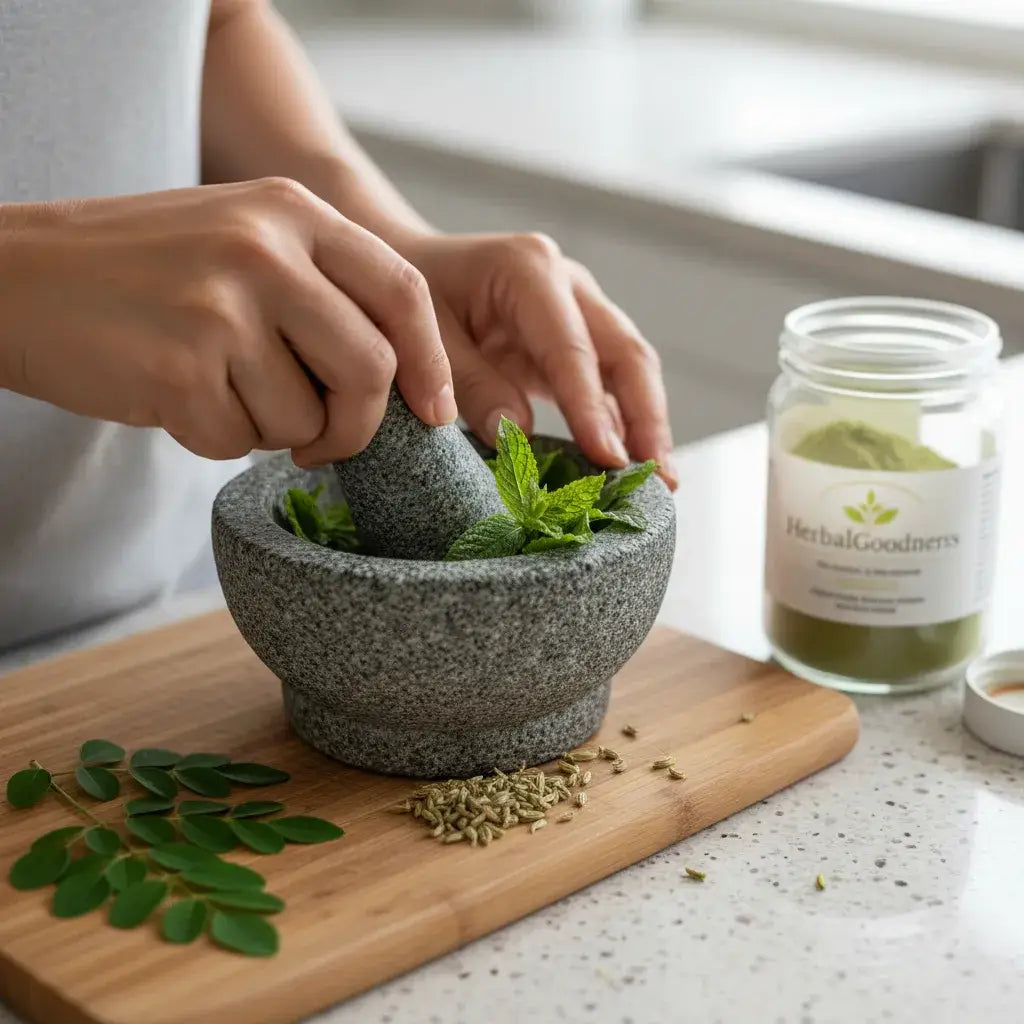
Tips for Gentle Exploration:
- Try each herb solo in tea, then blend with moringa or combine with mild sweeteners or citrus.
- Notice how the flavors shift with temperature (warm tea vs. cold infusion).
- Experiment by adding to dishes you already love, like soups, grains, or even baked goods. Products such as Gut Digest Plus - Organic 1oz 15X Liquid Extract - Gut & Immunity can add simple herbal support.

Observing and Noting Your Experience
- Taste Journal: Keep notes on how each herb affects your palate and routine. Do you feel drawn to a certain flavor at different times of day?
- Scent Exploration: Take time to notice the aroma before and after brewing or cooking.
- Pairings: See if certain activities or times—like quiet evenings or energizing mornings—make one herb especially appealing. You may also enjoy how Papaya Leaf Extract 10X - 600mg Capsule - Platelet & Digestive Aid supports your discovery of new herbal routines.
Finding Your Routine: Moringa and Digestive Herbs in Practice
Exploring herbs is as much about your preferences as it is about tradition. If you enjoy flavors with a green edge, Moringa Leaf Extract - Organic 1oz 15X Liquid Extract - Immunity & Wellbeing may suit you stirred into smoothies or salads. For a refreshing finish, peppermint or fennel can bring new zest, while ginger lends warmth and chamomile offers softness. Mix and match methods—tea in the afternoon, leaves in the evening meal—to discover what feels natural in your daily rhythm. Herbal blends like Gut Digest Plus - Organic 1oz 15X Liquid Extract - Gut & Immunity offer a simple way to experience the synergy of digestive botanicals in your day.
Herbal Goodness offers quality moringa and supports exploring new ways to bring botanicals into your kitchen. Enjoying moringa alongside traditional digestive herbs can add welcome variety without much effort—just a pinch, a sprinkle, or a simple steep.
FAQs:
- How does the flavor of moringa differ from popular digestive herbs?
Moringa typically tastes earthy, mild, and slightly nutty, while digestive herbs like fennel are sweeter and licorice-like, ginger is spicy and warming, peppermint is cooling, and chamomile is floral.
- How is moringa traditionally used compared to digestive herbs?
Moringa is widely used in African and South Asian cooking, added to soups, stews, and teas, while digestive herbs like ginger and fennel are often prepared as teas, chewed after meals, or included in spice blends.
- Can moringa be blended with other digestive herbs in tea?
Yes, moringa blends smoothly with digestive herbs in tea, offering subtle earthiness that pairs well with ginger's spice, peppermint's coolness, or chamomile's florals.
- What are some simple ways to try moringa and digestive herbs in my daily routine?
Experiment by adding moringa to smoothies or salads, and digestive herbs like ginger, fennel, or peppermint to teas, stews, or as garnishes. Mix and match them to explore unique flavor combinations.
- What cultural traditions surround moringa and digestive herbs?
Moringa is prominent in South Asian and African food traditions, while digestive herbs carry legacies in European, Middle Eastern, and Asian culinary rituals—such as fennel after meals, ginger in teas, and peppermint or chamomile in calming infusions.
- Are there any best practices for introducing moringa and digestive herbs?
Start with small amounts, observe taste and aroma, and keep a journal of your experiences to find what fits your preferences and daily habits best.
Author Name:
Herbal Goodness Editorial Team
Author Bio:
The Herbal Goodness Editorial Team specializes in holistic health and superfoods, blending science and nature to educate and empower our community.
References:
Introducing Graviola to Young Taste Buds: Fun, Family-Friendly Flavor Exploration
Graviola in the Classroom and at Home: Creative Activities to Teach Kids About Tropical Plants