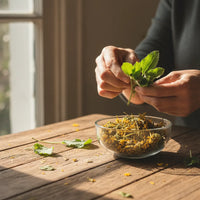





Making Mullein Tea: Brewing, Blends, and the 'Lung Detox' Conversation

Making Mullein Tea: Brewing, Blends, and the Everyday 'Lung Detox' Conversation
Many people searching for ways to support their wellness find themselves drawn to herbal teas, and mullein tea is increasingly catching the attention of tea lovers and wellness explorers alike. This fuzzy-leafed plant has long been valued in traditional wellness practices for its gentle, earthy flavor and calming aroma. If you’re curious about how to make mullein tea, ways to enjoy it, and what people mean when they talk about “lung detox” in natural health conversations, this guide is crafted just for you.
In this practical walkthrough, we’ll cover everything—from choosing fresh or dried mullein and brewing methods, to easy flavor pairings and tips for a mindful tasting experience. We’ll also shed light on common wellness language around 'lung detox,' offer basic safety guidance, and provide a template for your own tea-tasting journal so you can explore the world of mullein tea with confidence and curiosity.
Choosing Your Mullein: Fresh Leaves or Dried Blends?
Before brewing that first cup, it’s helpful to know your options for sourcing mullein:
Fresh Mullein vs. Dried Mullein
- Fresh mullein: Sometimes available seasonally or foraged, fresh leaves offer a grassy aroma and softer mouthfeel. Using fresh mullein can result in a more delicate flavor, reminiscent of fresh-cut herbs, but requires extra cleaning and attention to any natural outdoor residue.
- Dried mullein: The most common option for home brewing, dried mullein leaves and flowers are widely available through reputable herbal sources. Drying tends to concentrate the flavor, giving the tea a pleasant earthiness with subtle floral notes. It’s shelf-stable, easy to measure, and is generally recommended for beginners.
Those who enjoy wooden, earthy notes often appreciate herbal blends like the Mullein Leaf Tea - Organic 24 Tea Bags - Respiratory & Lung.
Quick Tip: Always use mullein leaves or flowers from a trusted source. Avoid leaves that are dusty, brittle, or faded in color.
How to Brew Mullein Tea: Step-by-Step Methods
A cup of mullein tea can be as simple or creative as you’d like. The brewing method you choose will shape the final flavor and strength. Let’s look at the most effective and easy-to-master ways:
1. Hot Infusion Method (Classic Cup)
This is the traditional way to enjoy mullein.
What You’ll Need:
- 1–2 teaspoons of dried mullein leaves (or 2–3 teaspoons fresh)
- 8–10 oz just-boiled water
- Fine mesh strainer or unbleached tea bag
- Teacup or mug
Steps:
- Place the mullein in a tea strainer or tea bag.
- Pour just-boiled water over the leaves.
- Steep for 10–15 minutes. Cover the cup to keep in the aromatic oils.
- Carefully remove the strainer/tea bag. Mullein’s tiny “hairs” can be prickly, so straining well is key.
- Sip gently. Add honey, lemon, or another herb if desired (more on flavor pairings below).
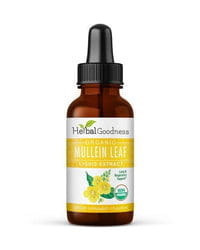
Looking for a more potent option? Try a Mullein Leaf - Organic 15X Liquid Extract - Respiratory & Lung Health for concentrated wellness support.
2. Cold Brew Mullein Tea
Prefer a refreshing sip? Try the cold-brew approach.
What You’ll Need:
- 1–2 tablespoons dried mullein
- 1 quart cold filtered water
- Pitcher or jar
Steps:
- Combine mullein and cold water in a jar.
- Cover and refrigerate for 6–8 hours (overnight works well).
- Strain with a fine mesh sieve or cheesecloth.
- Serve over ice. Cold brew highlights more subtle, green notes in mullein.
Want to experiment with other nourishing botanicals? The our Bulk Herbs collection is a great place to start.
3. Concentrated Mullein Infusion (For Blending & Sipping)
If you want a more potent cup or plan to mix with other herbs, make an infusion.
What You’ll Need:
- 1/4 cup dried mullein
- 2 cups just-boiled water
- Heat-safe jar or French press
Steps:
- Add mullein to jar or French press.
- Pour hot water to cover.
- Steep covered for 30–45 minutes.
- Strain thoroughly. This results in a richer, deeper flavor—ideal for blending or sipping in small amounts.

Sensory Notes: What Does Mullein Tea Taste Like?
Many are pleasantly surprised by mullein’s gentle flavor. Think soft earth, fresh hay, and a faint hint of honey. The aroma is mild and slightly floral. If you enjoy lighter herbal teas, mullein often fits right in.
If you're passionate about keeping a record of your experience, maintaining a herbal tea tasting journal can add depth to your tea journey.
Tips for a Better Tasting Experience:
- Strain Well: Mullein leaves and flowers have tiny hairs. Always use a fine filter to avoid grittiness.
- Adjust Strength: Steep longer for a stronger taste; use less leaf for a delicate brew.
- Be Present: Savor the warmth, aroma, and the way the flavor develops over each sip.
Flavor Blends: Pairings to Complement Your Cup
Blending mullein with other gentle herbs or flavors can create a unique cup tailored to your preferences. Here are a few popular pairings to explore:
- Lemon: Brightens the earthiness and adds a lively aroma.
- Honey: Brings out the soft, floral notes, adding smooth sweetness.
- Mint: For a crisp, cooling touch.
- Chamomile: Enhances the relaxing effect for evening sips.
- Ginger: Adds mild spice and warmth, especially nice in cooler months.
Mix small amounts to start—mullein’s subtle flavor is easily overshadowed.

Exploring the 'Lung Detox' Conversation: What Does It Mean?
Many herbal tea fans talk about mullein as the “lung detox” tea. But what does that really mean in the world of everyday wellness?
Often, herbs recognized for supporting easy, comfortable breathing are appreciated in herbal circles. The Lungs and Respiration - 15X Liquid Extract - Respiratory fits right into mindful wellness practices.
Where the Term Comes From
- Traditionally Valued: Mullein has a long history in traditional wellness rituals, where it’s often appreciated for its gentle support of respiratory comfort and soothing properties.
- Aromatics: Enjoying warm steam from the tea is sometimes said to feel calming when breathing deeply, especially in dry seasons.
In modern conversation, “lung detox” is rarely about a literal process. Instead, it reflects a desire to support a sense of clarity and comfort—especially in the face of dryness, environmental season changes, or after strenuous activity.
What to Know
- “Lung detox” isn’t a clinical term or a therapeutic guarantee. Rather, it’s a way people describe their appreciation for the clean, comforting experience of sipping warm herbal tea like mullein.
- Always approach wellness language with curiosity and self-awareness. How you feel after a cup will be unique to your own senses and well-being.
Safety Tips and Sensitivities: Enjoying Mullein Tea Responsibly
While mullein tea is widely regarded as gentle, it’s wise to use common sense, especially if you’re new to herbal teas or have known plant sensitivities.
For those seeking broader, balanced detox support, supplements like the 15 Day Detox - Capsules 60/600mg - Detox & Cleanse can be incorporated thoughtfully into your routine as you explore.
Basic Safety Tips
- Check for Quality: Always source mullein from reputable suppliers, ensuring the leaves or flowers are free from dust, contaminants, or improper drying.
- Allergy Awareness: Some people may be sensitive to plants in the Scrophulariaceae family. If you’re unsure, try a small amount first.
- Strain Well: As mullein leaves can be fuzzy, thorough straining ensures a smoother cup. If you notice throat tickling, strain again.
- Consult with a Professional: If you’re pregnant, nursing, or have any chronic concerns, consult a qualified practitioner before exploring new herbal teas.
- Keep Moderate: Herbal teas are best enjoyed as part of a balanced lifestyle.
Your Mullein Tea Tasting Journal: Template for Curious Explorers
Mindful, curious sipping can transform a simple herbal ritual into a meaningful experience. Use this tasting journal template to observe and track your mullein tea explorations:
Mullein Tea Tasting Journal Entry
- Date:
- Type Used (Fresh/Dried):
- Brewing Method (Hot/Cold/Infusion):
- Steep Time:
- Added Flavors:
- Aroma Notes:
- First Taste:
- Aftertaste:
- Overall Impression:
- How Did I Feel After?:
Try recording entries as you change leaf amounts or experiment with new blends. Over time, you’ll discover unique preferences and subtleties tailored to your senses.
If variety excites you, the Herbal Tea Gift Set – Wellness Tea Gift Variety Collection - Organic 24 Teabags is perfect for both seasoned and new journalers.
The Joy of the Mullein Ritual: Bringing It All Together
Exploring mullein tea isn’t just about brewing—it’s about observation, presence, and personal enjoyment. Whether you’re seeking a moment of calm, experimenting with unique flavors, or simply savoring the art of sipping, mullein can be a gentle companion in your wellness journey.
Remember: the “lung detox” story is about the experience, not clinical promises. Enjoy each cup for what it brings to your senses—a warm, earthy, and calming pause in your day.
FAQs:
- Is mullein tea safe for daily sipping?
Mullein tea is commonly enjoyed as a gentle herbal beverage. If you're new to mullein or have sensitivities, start with small amounts and use high-quality sources. For personal concerns or if pregnant/nursing, consult a health professional.
- Do I need to use fresh or dried mullein leaves?
Dried mullein is recommended for most people due to consistency and convenience. Fresh leaves offer a different, softer flavor but require extra cleaning. Either can be used, as long as they're clean and from a trusted source.
- What does mullein tea taste like?
Mullein tea offers a subtle, earthy flavor with hints of grass and gentle floral undertones. Many people enjoy its mild, non-bitter profile—especially with a touch of honey or lemon.
- Why do people refer to mullein tea as a 'lung detox' tea?
The phrase 'lung detox' is used in everyday wellness conversations to describe the clean, soothing feeling some experience when drinking mullein tea. It's not a clinical claim, but rather reflects traditional appreciation and a sense of comfort.
- How do I strain mullein tea to avoid fuzziness?
Always use a very fine mesh strainer or an unbleached paper tea filter. Mullein leaves and flowers have fine hairs that can be unpleasant if not properly filtered out.
- Can I blend mullein with other herbs?
Absolutely! Popular pairings include lemon, honey, chamomile, mint, and ginger. Start with gentle additions to complement, rather than overpower, mullein's mild taste.
- How should I store dried mullein for tea?
Keep dried mullein leaves in an airtight container, away from light and moisture. Stored properly, they can retain their aroma and potency for up to a year.
Author Name:
Herbal Goodness Editorial Team
Author Bio:
The Herbal Goodness Editorial Team specializes in holistic health and superfoods, blending science and nature to educate and empower our community.
References:
Introducing Graviola to Young Taste Buds: Fun, Family-Friendly Flavor Exploration
Graviola in the Classroom and at Home: Creative Activities to Teach Kids About Tropical Plants
Why Social Impact Matters in Plant-Based Wellness