





Lung Detox: Myths, Healthy Habits & Herbal Traditions Explained

Lung Detox: Myths, Healthy Habits & Herbal Traditions Explained
Breathing is a natural process, yet talk of “lung detox” is everywhere—from wellness blogs to product labels. But what does lung detox really mean, and how can you support your everyday breathing wellness with safe, sustainable habits? In this article, we’ll demystify the concept of lung detox, separate marketing myths from reality, and explore practical habits along with time-honored herbal traditions that people use for daily respiratory support. You’ll also learn how to read the evidence behind common recommendations, helping you make informed choices for your well-being.
Understanding the Idea of Lung Detox
What Do People Mean by “Lung Detox”?
The phrase “lung detox” is not a scientific term, but rather a catch-all expression people use when talking about practices to support their breathing—especially after periods of environmental exposure, smoke inhalation, or simply living in polluted cities. Typically, it refers to habits and remedies that might
- promote a sense of clearer breathing,
- support comfort after mild irritation,
- or help maintain everyday respiratory wellness.
Lung detox is not about removing toxins or performing a drastic cleanse. Instead, it’s best thought of as a colloquial term for efforts to maintain lung comfort and support gentle respiratory routines.
Biology vs. Marketing Hype
Our lungs have natural systems for clearing out irritants—tiny hair-like structures called cilia and fluids in the respiratory tract help move particles out. Marketing for so-called 'lung detox' products can sometimes overstate what’s possible, but daily habits and supportive traditions are still valued by many for comfort and peace of mind.
Everyday Habits for Respiratory Wellness
Focus on the Air You Breathe
Quality of air has a profound impact on your comfort every day. Simple actions to support your indoor and outdoor environments can make a difference:
- Ventilation: Open windows when possible to allow fresh air to circulate.
- Air Filters: Consider using filters or purifiers, especially if you have pets or live near busy roads.
- Avoid Smoke & Pollutants: Refrain from exposure to cigarette smoke, incense, and harsh chemicals.
Stay Well Hydrated
Proper hydration helps maintain the natural moisture in your airways. Drinking enough water supports your body’s natural processes—fluids help keep respiratory passages comfortable, and may assist cilia as they move particles along.
Gentle Breathing Practices
Mindful breathing exercises are appreciated in many cultures for calming and strengthening regular respiratory function. Here are a few well-known techniques:
- Diaphragmatic Breathing: Inhale deeply through the nose, expanding the belly; slow, steady exhalations help relax the chest and may foster a sense of clarity.
- Pursed-Lip Breathing: Inhale through the nose, then exhale slowly through pursed lips; this practice can encourage a more relaxed breathing rhythm.
- Guided Breathwork: Sessions led by wellness professionals often incorporate visualization and rhythm for both physical and mental comfort.

Steam Inhalation for Occasional Comfort
Inhaling warm steam has long been a home tradition valued for temporary comfort, especially in dry climates or after environmental exposure. While science is still assessing its full effects, many people enjoy occasional steam sessions:
- How To: Boil water, pour it into a bowl, and lean over (keeping your face at a safe distance), draping a towel over your head to trap steam. Inhale gently for 5-10 minutes.
Remember, very hot steam can be hazardous—practice caution, avoid for young children, and discontinue if you feel dizzy.
Herbal Traditions for Supporting Everyday Breathing
Across generations and cultures, certain plants have been long valued in breathing rituals and wellness routines. While not a replacement for medical care, these practices are part of global traditions that appreciate herbs for their soothing qualities.
Herbal Teas for Everyday Use
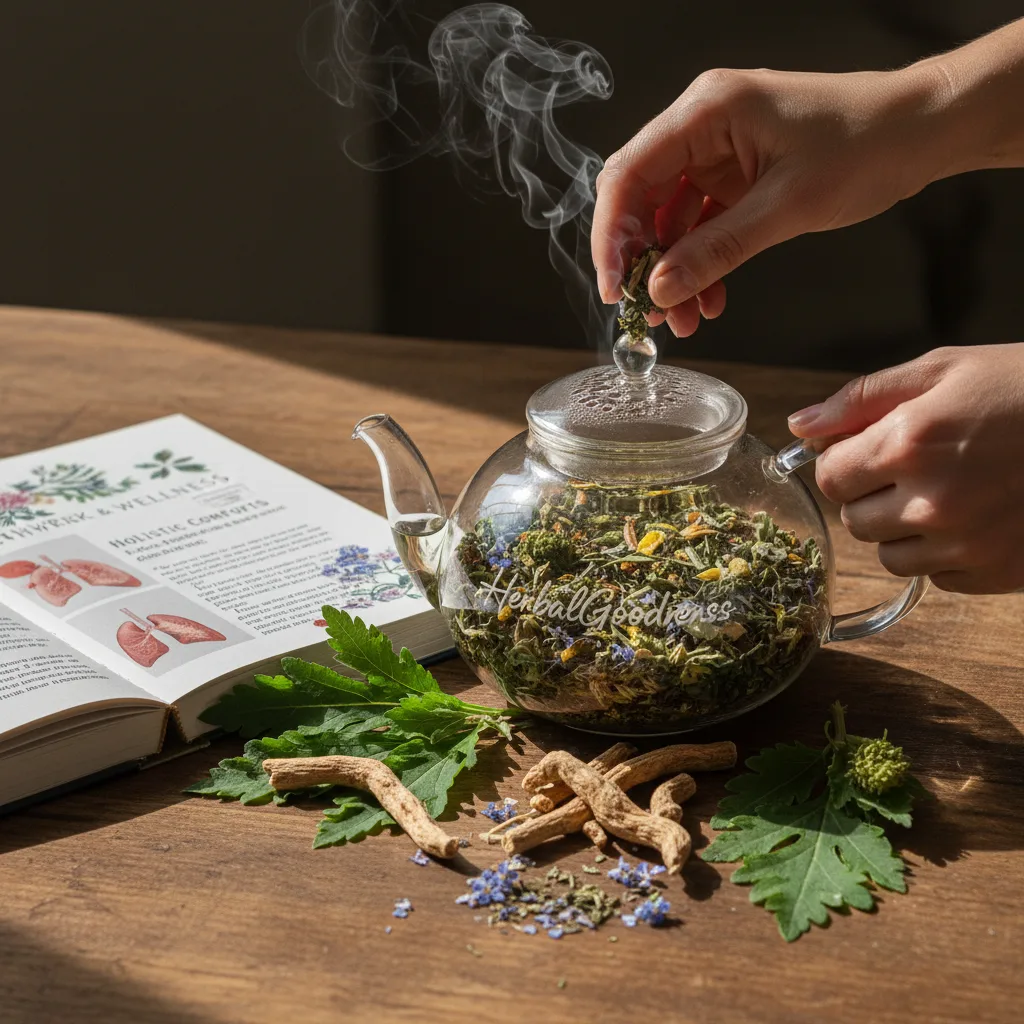
Herbal teas are perhaps the most accessible way to enjoy botanicals associated with breathing comfort. Examples often explored include:
- Mullein (Verbascum thapsus): Traditionally used for its gentle properties and mild flavor. Enjoyed as a warm infusion for daily routine. Popular as both tea and extract, Mullein Leaf Tea - Organic 24 Tea Bags - Respiratory & Lung is one option for those seeking daily support.
- Thyme (Thymus vulgaris): A kitchen staple, its aromatic leaves are also steeped to make soothing teas.
- Peppermint (Mentha piperita): Popular worldwide, its refreshing quality is appreciated by many seeking comfort.
Inhalation Herbal Practices
Some cultures have valued herbal inhalations for generations. This often involves steeping aromatic herbs in hot water and breathing in the fragrant steam:
- Eucalyptus Leaves: Known for their invigorating scent, often used in home steam bowls.
- Rosemary: Sometimes chosen for its uplifting aroma during relaxation routines.
Again, these herbal approaches are part of traditional routines and are generally used for comfort—not as alternatives to medical advice.
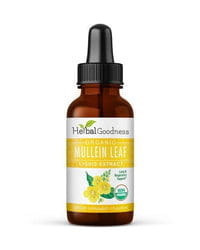
Gentle Tinctures and Extracts
Liquid extracts made from thoughtfully selected herbs are another way people incorporate botanicals into everyday routines. Herbs like mullein, elecampane, or licorice root are sometimes included based on heritage use. Mullein Leaf - Organic 15X Liquid Extract - Respiratory & Lung Health is carefully crafted for those looking to integrate this tradition in a convenient form. If you enjoy tea-based options, Soursop Leaf Tea Graviola Leaves - Organic 24/2g Tea Bags - Immunity & Cell Renew provides another botanical blend to round out your daily regimen.
Evaluating Recommendations: How To Read the Evidence
Before adopting any wellness routine, consider the sources recommending it. Not all advice online is created equal, and some claims may lack solid backing. Here’s how to practice informed decision-making:
Levels of Evidence: What To Look For
- Tradition vs. Research: Many breathing practices and herbal uses are guided by tradition and anecdotal experience. While valuable, these are not always supported by modern studies.
- Peer-Reviewed Research: Look for recommendations referencing human studies, published reports, or government-funded health resources.
- Expert Consensus: Guidance from doctors, herbalists, or certified wellness practitioners is often based on a blend of evidence and safe practice standards.
Reading Product Labels Carefully
- Ingredients List: Confirm herbs and other components are clearly identified. Opt for products such as Lungs and Respiration - 15X Liquid Extract - Respiratory which display transparent labeling and clear usage directions.
- Quality Certifications: Choose brands that are transparent about how their products are sourced and manufactured.
- Suggested Use: Respect serving suggestions and caution notes, especially with concentrated extracts.
Embracing Lung Wellness as an Ongoing Practice
Maintaining lung comfort doesn’t happen overnight, nor is it about quick fixes. Instead, it’s a journey of:
- Developing daily habits that keep your environment supportive
- Staying hydrated and practicing mindful breathing
- Exploring traditional herbal routines as gentle, enjoyable complements
Above all, informed decision-making helps you find the right approaches for your lifestyle, centered on safe routines and evidence-based choices.
When to Seek Professional Guidance
If you have persistent breathing discomfort, or any questions about your lung wellness routine, connect with a qualified healthcare professional. Personalized advice ensures both safety and the best care for your unique needs. You can also arrange a Personal Consultation with Herbalist or Health Coach for guidance tailored to your circumstances.
Exploring Herbal Goodness: Our Approach
At Herbal Goodness, our passion lies in celebrating centuries-old herbal wisdom while meeting the highest modern standards. We believe in empowering customers with education, high-quality botanicals, and full transparency. As you explore gentle herbal support, always make choices grounded in knowledge and comfort.
FAQs:
- What does 'lung detox' actually mean?
The term 'lung detox' is a colloquial phrase people use when talking about practices or habits intended to support everyday respiratory comfort. It does not refer to a scientific process of removing toxins, but rather to ways people try to maintain comfortable, healthy breathing through daily routines and gentle herbal traditions.
- Are there safe ways to support lung wellness at home?
Yes, low-risk approaches include improving indoor air quality, staying hydrated, practicing mindful breathing exercises, occasional steam inhalation, and enjoying herbal teas commonly appreciated for respiratory comfort. Always use caution and consult a professional if you have concerns.
- Which herbs are commonly valued for breathing rituals?
Herbs such as mullein, thyme, peppermint, eucalyptus, and rosemary have been traditionally appreciated in various cultures for their aromatic and soothing qualities. These herbs are often enjoyed as teas or in inhalation routines for gentle daily support.
- How can I evaluate a 'lung detox' product or recommendation?
Look for transparency about ingredients, clear suggested use instructions, and quality certifications. Consider if the advice is based on traditional use, peer-reviewed research, or both. Trusted brands and professionals provide the best guidance.
- What daily habits help with comfortable breathing?
Good ventilation, regular hydration, practicing mindful breathing, minimizing exposure to irritants like smoke, and exploring gentle herbal teas are all commonly appreciated habits that can support everyday respiratory wellness.
- Is steam inhalation safe for everyone?
While many people enjoy occasional steam inhalation, it should be practiced with caution. Avoid very hot steam, keep sessions brief, and consult a professional before using this method, especially for young children or sensitive individuals.
Author Name:
Herbal Goodness Editorial Team
Author Bio:
The Herbal Goodness Editorial Team specializes in holistic health and superfoods, blending science and nature to educate and empower our community.
References:
Introducing Graviola to Young Taste Buds: Fun, Family-Friendly Flavor Exploration