




Liquid vs. Powder Moringa: Concentration, Serving Notes & Everyday Uses

Moringa, often celebrated as the "miracle tree" in traditional use, finds its way into modern routines as both a liquid extract and a powdered leaf form. With so many options lining shelves and online catalogs, understanding the differences between liquid and powder moringa can feel overwhelming. Labels talk about extract ratios, concentration, tinctures, carrier liquids, and more—but how do these details affect your daily usage? This article demystifies those terms, explores how serving size and taste can shift between forms, and offers practical, user-friendly advice for everyday moringa enjoyment.
Comparing Liquid Moringa Extracts and Moringa Powder
Moringa is available in various forms, with liquid (often as extracts or tinctures) and dried powder being two of the most popular. Let’s begin by examining their manufacturing processes and typical features, so you can feel confident reading that next label.
How Liquid Moringa Extracts Are Made
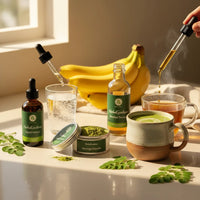
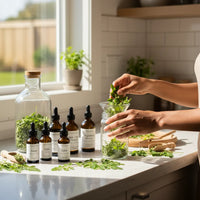
Liquid moringa usually comes as an extract or tincture—meaning the plant material is steeped in a liquid solution (called a carrier liquid). The carrier is most often alcohol, glycerin, or water, though some blends may use a combination. This process pulls specific plant compounds from the leaves into solution, concentrating the natural components into a portable, shelf-stable format. Labels on these products will often advertise an “extract ratio”—a number like 1:2 or 1:5, indicating how much plant material went into making each unit of liquid.
What Do Extract Ratios Mean?
- 1:2 ratio: 1 part dried moringa to 2 parts liquid
- 1:5 ratio: 1 part dried moringa to 5 parts liquid The lower the second number, the more concentrated the extract. However, serving size and effectiveness are influenced by both the ratio and the extraction method. Not all 1:2 extracts are identical; factors such as leaf quality, extraction time, and carrier type matter.
How Moringa Powder Is Produced
Moringa powder is typically created by air-drying or gently dehydrating fresh leaves, then grinding them into a fine, green powder. No carrier liquids or solvents are used. This form is often considered the closest to the whole leaf, preserving much of its original flavor and appearance.
Powder Characteristics
- Fine, rich green color
- Mild, earthy, slightly herbaceous flavor
- Versatile for culinary or beverage use
Concentration and Serving Size: Interpreting the Label
It’s easy to get tripped up by “concentration” when comparing moringa products. Here’s what that language really means in simple, actionable terms.
Liquid Extract Concentration
The concentration of a liquid moringa extract is determined both by the extract ratio and how densely moringa’s plant compounds are present in each dropperful or teaspoon. A lower ratio (e.g., 1:2 or 1:3) means more moringa material per amount of liquid. Because of this concentration, the recommended serving size for liquid usually measures less—such as a few droppers rather than a scoop.
Example:
- A 1:2 tincture may call for just 1–2 ml per serving.
- A less concentrated liquid (e.g., 1:5 ratio) may suggest a larger serving for an equivalent amount of moringa plant compounds.
Powdered Moringa Serving Notes
Moringa powder is almost always pure, dried moringa leaf—so the serving size is more straightforward. Most recommendations range from ½ to 1 teaspoon daily, depending on personal preference, flavor, and intensity. Because powders aren’t diluted, you’re essentially consuming ground leaves in their near-whole form.
Takeaway:
- Liquid extract: Smaller serving, more concentrated flavor/active components depending on ratio
- Powder: Slightly larger serving, gentler flavor, closest to traditional whole-leaf use
How Carrier Liquids Affect Taste and Use
Understanding what’s inside your moringa liquid can increase your satisfaction and enjoyment.
Common Carrier Liquids
- Alcohol: Traditional for tinctures, extends shelf life, delivers a slightly sharp note
- Glycerin: Thicker consistency, naturally sweet taste, alcohol-free option
- Water: Sometimes blended with other carriers, usually neutral in flavor
Each carrier influences taste, mouthfeel, and how the liquid blends with other foods or drinks. If sensitive to alcohol or tasting notes, seek out glycerin-based or alcohol-free formulas for a gentler profile.
Flavor and Mixing
- Alcohol-based: more pungent, best blended into juices or smoothies
- Glycerin-based: slightly sweet, good in water, teas, or straight from the dropper
- Moringa powder: earthy, pairs well with shakes, soups, sauces, or sprinkled atop dishes

Practical Tips: Mixing, Storage, and Everyday Use
It’s one thing to understand ratios—it’s another to make moringa a seamless part of your routine. Here are simple ways to make the most of each form.
Mixing Moringa Powder
- Blend in smoothies or shakes: Masks earthy notes well.
- Stir into yogurt, oatmeal, or soups: Adds color and mild flavor.
- Baking or energy bites: Incorporate into batters for simple, healthy treats.
- Avoid hot, boiling liquids: Excessive heat can alter delicate plant components, though gentle warming is typically fine.
Liquid Moringa Extract: Easy Application Ideas
- Add to beverages: Drop into water, juice, or non-boiling teas
- Sublingual use: Hold under the tongue for stronger taste, then swallow
- Homemade dressings or wellness blends: A few drops can boost salad dressings or honey

When you use a moringa extract in liquids such as tea or juice, the concentrated format means you need just a small serving for a strong nutritional boost. For culinary experiments, powders are a go-to feature; a sprinkle into shakes, batters, and soups introduces both vibrant color and gentle nutrition. Just be sure not to overheat to preserve beneficial compounds.
For those interested in broad-spectrum herbal support and diversifying their daily habits, consider exploring Organic Papaya Seed Powder 4oz | Gut Cleanse & Digestive Support as a nutritious ally for digestive wellness—a natural powder that also mixes easily into recipes and shares many preparation tips with moringa powder.
Storage Considerations
- Powder: Keep in a cool, dark, moisture-free space—pantry or cupboard is best. Ensure lid is tight to shield from humidity.
- Liquid extract: Store away from direct sunlight. Alcohol-based tinctures are shelf-stable at room temperature; glycerin or water blends may benefit from refrigeration after opening.

How to Choose: Deciding What Fits Your Routine
As you weigh moringa forms, consider your goals, flavor preference, and how you like to incorporate new ingredients. Here are a few factors and examples to help guide your decision:
Format Flexibility
- If you’re often on the go: Liquid extracts travel well and are simple to measure.
- If you love cooking: Moringa powder can become a culinary favorite for its color and gentle flavor.
- For sensitive palates: Glycerin-based or alcohol-free liquids and powders are milder.
If you are looking at ways to boost immunity or cell health while on the go, liquid extracts similar to Soursop Leaf Graviola Extract - - Organic 15X Liquid Extract - Cell Renew & Immunity offer a potent, quick option easily added to morning water.
Matching Serving to Purpose
- Quick, concentrated boost: Try liquid extracts in morning water or afternoon tea.
- Culinary variety: Powder blends effortlessly into foods and drinks for all-day use.
- Consistency: Powders allow for easy measurement; always use a clean, dry spoon.
If you're seeking a straightforward herbal supplement in capsule form, Blood Platelet Plus - 60/600mg 20X Strength Capsule - Platelet Boost simplifies dosing and is gentle enough to work into any routine, especially for those who want measured support alongside moringa's everyday benefits.
Understanding Label Language
Scan any moringa label for these key terms:
- Extract ratio: Indicates how concentrated a liquid is.
- Carrier liquid listed: Clarifies taste and dietary suitability.
- Serving suggestion: Offers the brand’s recommended starting amount, but feel free to adjust for your taste.
Everyday Uses for Moringa: Inspiring Ideas
Bringing moringa into your daily rhythm can be fun and flavorful, no matter the format. Here are a few top ideas:
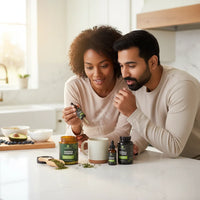
- Morning ritual: Add moringa extract to herbal tea (not boiling) or a glass of orange juice.
- Lunchtime power-up: Stir powder into a smoothie or sprinkle it into a homemade soup.
- After-work unwind: Try blending glycerin-based extract with calming evening teas.
- Snack time: Stir powder into hummus, yogurt, or guacamole.
- Family friendly: Powders and alcohol-free liquids can elevate baking mixes, pancakes, or “energy ball” snacks for all ages.
Adapting moringa to your lifestyle is as simple as understanding a few basics about format, taste, and serving. With these insights, you can approach both liquid and powder moringa with curiosity and confidence, finding the approach that truly fits your day.
FAQs:
- What does the extract ratio mean on liquid moringa bottles?
The extract ratio (such as 1:2 or 1:5) indicates how much dried moringa leaf was used compared to the liquid carrier. A lower second number means a more concentrated liquid—so 1:2 is stronger than 1:5.
- Is moringa powder better than liquid extract?
Neither is strictly 'better'—it comes down to preference and routine. Powder is closest to the whole leaf and versatile in foods, while liquids are convenient and often more concentrated.
- How should I store moringa powder and liquid?
Store moringa powder in a cool, dry place away from moisture. Liquid extracts should also be kept out of direct sunlight—alcohol-based tinctures need no refrigeration, but glycerin or water-based formulas may benefit from it.
- Can you cook with both moringa powder and liquid?
Yes, both forms can be added to foods and drinks. For powders, avoid extreme heat to preserve plant qualities. Liquids blend easily into cool or warm foods and non-boiling beverages.
- Does the carrier liquid affect how I use moringa extract?
Absolutely! Alcohol-based extracts are best mixed into flavorful drinks, while glycerin-based or water formulas have a gentler, often sweeter taste that blends well in plain water or teas.
- What serving size should I start with for moringa?
Always follow label guidance, but most people start with 1/2–1 teaspoon of powder or 1–2 ml of liquid extract. Adjust as needed to suit your palate and preferences.
- What’s a simple way to try both forms in my daily routine?
Use powder in breakfast foods or smoothies, and add liquid extract to water or juice for a quick boost—experiment with both to discover your favorite.
Author Name:
Herbal Goodness Editorial Team
Author Bio:
The Herbal Goodness Editorial Team specializes in holistic health and superfoods, blending science and nature to educate and empower our community.
References:
Introducing Graviola to Young Taste Buds: Fun, Family-Friendly Flavor Exploration
Graviola in the Classroom and at Home: Creative Activities to Teach Kids About Tropical Plants
Why Social Impact Matters in Plant-Based Wellness