





How to Vet a Private Label Supplement Manufacturer Before Buying

Finding a transparent, reliable private-label supplement manufacturer is one of the most important decisions for small herbal brands committed to quality, organic, and plant-based products. Whether you’re sourcing liquid extracts, powders, capsules, or teas, you want assurance that your partner’s standards match your brand’s values and your customers’ expectations. But with so many options — and risks — it’s crucial to methodically vet each manufacturer before reaching out. Thankfully, plain-English public records and certifications offer a toolkit for due diligence. This guide demystifies how to use FDA inspection reports, recall databases, warning letters, third-party certifications, and Certificates of Analysis (COAs) to check a manufacturer’s track record and transparency.
Why Public Records and Certifications Matter for Supplement Sourcing
The dietary supplement industry in the U.S. is governed by a mix of regulatory oversight and voluntary standards. For private-label brands, public records aren’t just paperwork: they reveal a manufacturer’s compliance history, quality culture, and commitment to transparency. Reviewing these records can help you:
- Detect patterns of quality lapses or regulatory issues
- Confirm up-to-date certifications for organic, GMP, or third-party testing
- Assess how manufacturers respond to safety or labeling concerns
- Gain insight into manufacturing practices without relying solely on sales claims
This process empowers small brands to move forward with fact-based confidence, ensuring that their products truly embody the premium organic and plant-based values that modern consumers expect. For example, when choosing high-demand herbal products such as Soursop Leaf Graviola Extract 15X Liquid | Organic Cell & Immunity, verifying organic certifications and reviewing batch COAs is paramount.
Key Public Record Sources for Assessing Supplement Manufacturers
Understanding which public records matter is foundational. Here are the essential sources and what each reveals:
FDA Inspection Reports (Form 483 and EIR)
What They Are: The U.S. Food and Drug Administration (FDA) inspects dietary supplement manufacturing facilities unannounced. After most inspections, the FDA issues a Form 483 (list of observed conditions or practices) or an Establishment Inspection Report (EIR).
How to Find: Search the FDA’s Electronic Reading Room or request forms through the Freedom of Information Act (FOIA).
How to Interpret:
- Minor observations may reflect routine corrective actions
- Repeated or severe issues (e.g., contamination risk, incomplete records) may indicate systemic problems
- A clean inspection history shows robust processes
For herbal supplement brands focused on immune health and clean ingredients, this diligence directly impacts the safety of products such as Blood Platelet Plus Capsules 20X | 60ct – Advanced Platelet Formula and other advanced formulations.
Red Flags: Patterns of similar violations, unresolved findings, lack of follow-through on corrective actions.
FDA Warning Letters
What They Are: Warning letters are formal notifications from the FDA indicating significant regulatory concerns after inspections, product reviews, or complaint investigations.
How to Find: Browse the FDA’s searchable Warning Letters database, filtering by company name or product type.
How to Interpret:
- Occasional letters with swift corrective action may reflect rigorous self-monitoring
- Multiple or recent letters suggest persistent issues with labeling, claims, or sanitation
For plant-based brands, warning letters relating to labeling or undeclared ingredients are particularly relevant if you want to ensure that herbal blends like Raw Sea Moss 8oz Bag | St. Lucia Wildcrafted – Nature's Multivitamin genuinely meet their purity claims.
Red Flags: Unaddressed warning letters, repeat offenses, or investigations linked to basic GMP (Good Manufacturing Practices) failures.
Recall Databases
What They Are: The FDA and U.S. Department of Agriculture (USDA) publish recall notices for products removed from the market due to safety, labeling, or quality concerns.
How to Find:
- Use the FDA’s Recalls, Market Withdrawals & Safety Alerts database
- Filter by product categories (“Dietary Supplements”) and manufacturer names
How to Interpret:
- Isolated voluntary recalls, especially for labeling corrections, are not uncommon
- Recurring or unaddressed recalls, particularly for contamination, misbranding, or undeclared ingredients, are major concerns
Brands committed to transparency should examine these records to confirm that their supplement partner’s recalls are isolated and resolved. Products designed for wellness, such as Organic Papaya Leaf Extract 16oz | 15X Liquid – Best Value Size, depend on trusted manufacturing histories free from repeat issues.
Red Flags: Multiple recalls within a short period, recalls for adulteration, lack of public transparency about corrective steps.
Third-Party Certification Registries
What They Are: Several organizations offer independent certification for manufacturing processes, such as organic (USDA), kosher, Non-GMO, or GMP (NSF, USP, or NPA).
How to Find:
- Search certifier websites or certification directories (e.g., NSF Certified Supplements, USDA Organic Integrator)
- Ask manufacturers for unique certificate numbers for verification
How to Interpret:
- Current certifications support claims of organic or clean-label standards
- Lapsed or missing certifications may signal lowered standards or change in ownership
Products tested and certified by trusted organizations, such as those used for Papaya Leaf Extract 10X Capsules 600mg | Platelet & Digestive Aid, can provide confidence to small brands seeking assurance for their customers.
Red Flags: Expired, revoked, or unverifiable certificates; claims of certification not matching registry listings.
Certificates of Analysis (COA)
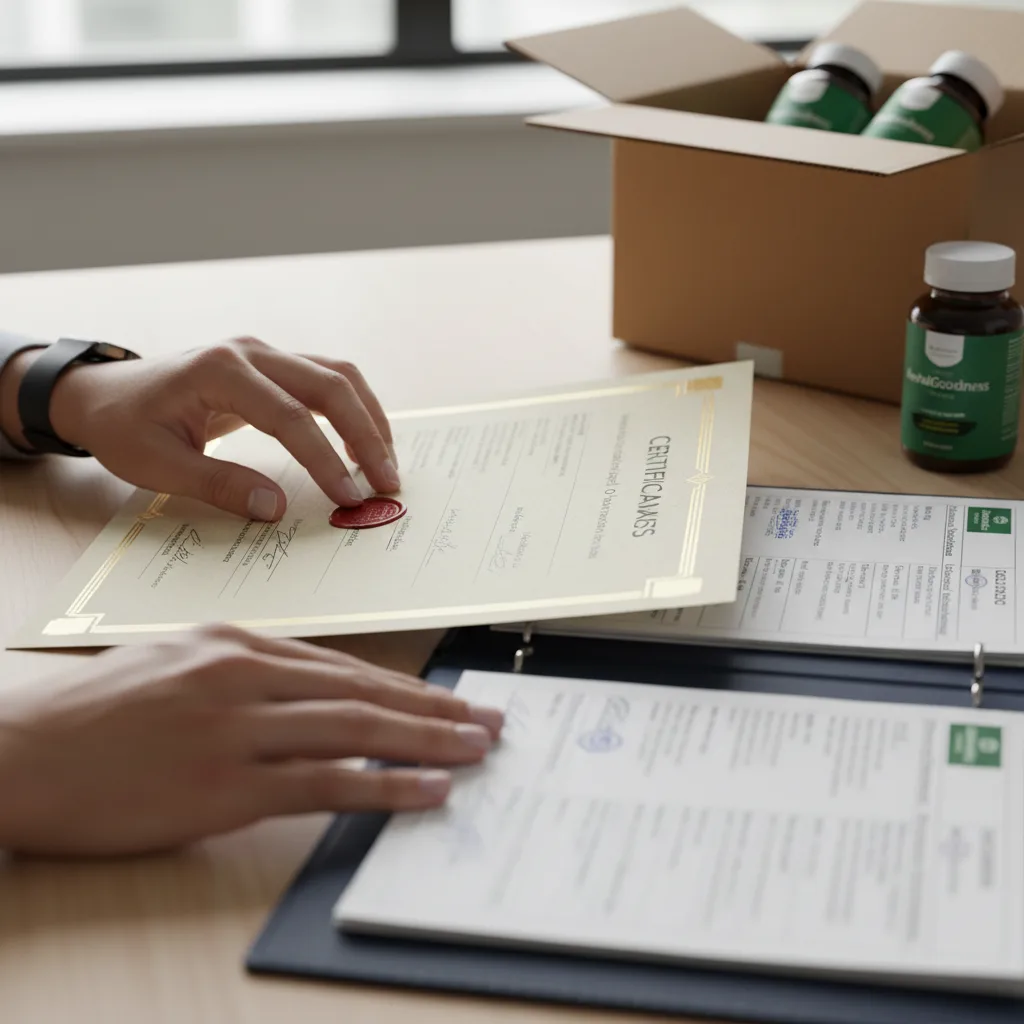
What They Are: A COA is a document from an accredited laboratory confirming that a product batch meets predefined specifications (e.g., assay, purity, microbiological standards).
How to Obtain: Request recent batch COAs directly from the manufacturer. Ethical, transparent manufacturers should provide these when asked.
How to Interpret:
- COAs should clearly list product name, batch/lot number, test methods, results, and testing lab details
- Reputable labs and consistent results support product integrity
If you’re sourcing an in-demand immune product such as Soursop Leaf Tea | Organic Graviola 24 Bags | Soursop Tea Benefits for Immunity & Wellness, always request and review batch COAs before adding them to your portfolio.
Red Flags: COAs missing key information, inconsistencies between claimed and tested ingredients, reluctance to share recent documents.
How to Interpret FDA Reports and Regulatory Findings
FDA filings can feel technical, but key details make interpretation straightforward:
- Observation Trends: Are there multiple years with the same GMP violations? Patterns may indicate neglected manufacturing policies.
- Response History: How quickly and thoroughly has the manufacturer addressed cited issues? Responsive, transparent corrections build trust.
- Severity of Findings: Distinguish between paperwork errors and deficiencies that could compromise product quality or safety.
For herbal and plant-based supplement brands, special attention should be paid to contamination-related findings (such as unclean mixing equipment or improper storage) that could affect product safety. This is particularly important for products that rely on high purity for efficacy, such as Blood Platelet Support with Papaya Leaf | Organic 15X Liquid Extract.
Common Red Flags to Watch for in Public Records
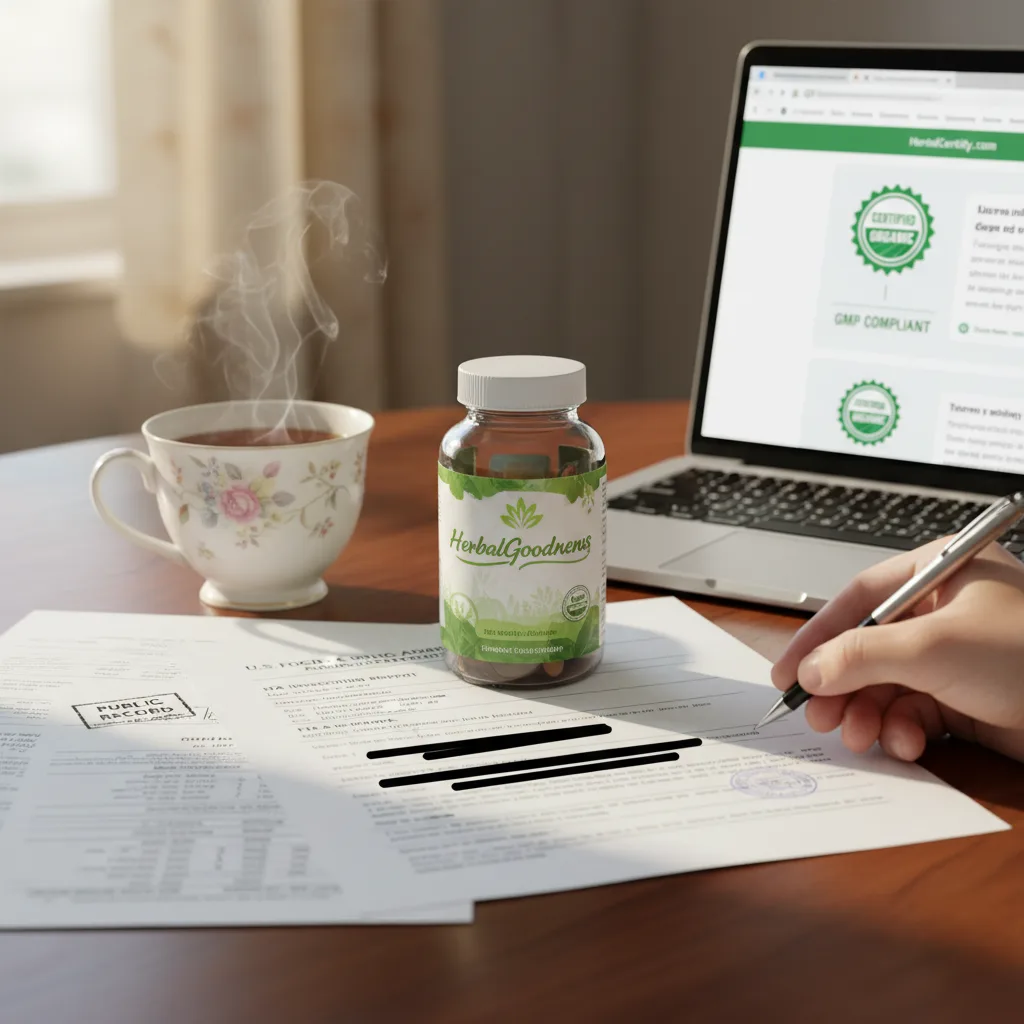
Identifying problems early saves brands from costly missteps. Key warning signs include:
- Unresolved or multiple recent FDA warning letters
- Repeated GMP violations on Form 483s
- Numerous or serious recall events, especially undisclosed publicly
- Provided third-party certifications that do not verify in official registries
- Reluctance to share or explain COAs or quality documentation
- Vague responses about how quality issues are investigated or fixed
Brands with a focus on organic or plant-based supplements can avoid issues by reviewing these factors for every partner they consider, especially when building a lineup of wellness-oriented products.
Next Steps: Practical Guide for Small Herbal Brands
With public records research in hand, here’s how to move forward in evaluating a potential supplement manufacturing partner:
1. Create a Records Dossier
Organize findings by manufacturer. Include copies of major public records (inspection reports, certifications, COAs). As you gather files, consider keeping a reference to third-party validated products like Organic Papaya Seed Extract 15X Liquid | Gut & Colon Cleanse Support in your desired product scope.
2. Prioritize Outreach Candidates
Focus on manufacturers with clean, transparent records and current certifications matching your organic, plant-based values. Lab results from immune support products, such as Immune Boost 15X Liquid Extract | Daily Immunity & Gut Wellness Support, should serve as benchmarks for vetting partners.
3. Clarify Uncertainties Before Contact
If you spot minor issues, prepare concise questions for the manufacturer. Note how clearly and promptly they address documentation gaps. Reliable, engaged companies will often reference their track record on products with formatting and efficacy similar to Papaya Leaf Extract Capsules 600mg | 10X Strength – Platelet Support.
4. Confirm Transparency and Values Alignment
Request additional quality documentation (e.g., process flowcharts, recent COAs). Reliable partners are often proud to share quality controls and certifications—Herbal Goodness, for example, maintains a comprehensive suite of third-party and organic certifications readily available to partners. This level of transparency is vital when sourcing flagship herbal supplement products for your wellness line.

5. Test Communication Quality
First impressions matter. Evaluate response speed, willingness to share certificates, and openness about their own quality history. Consistent transparency in this stage often forecasts future reliability.
Looking for a trusted private-label herbal manufacturing partner? Complete our Retailer & Wholesaler Interest Form to connect with the Herbal Goodness team. We'll help you explore private-label opportunities, answer your manufacturing questions, and guide you through the next steps for launching your herbal brand.
Aligning Quality Control with Sourcing Success
For any herbal supplement brand—especially those seeking organic, clean-label, or plant-based positioning—thoroughly vetting potential private-label manufacturing partners is essential. Public records and certifications are practical, authoritative sources that illuminate a manufacturer’s track record, allowing you to move forward with clarity and confidence. Investing the time to understand these disclosures is not only smart risk management but a meaningful way to secure your brand’s reputation for quality and integrity.
Frequently Asked Questions
Question 1: How do I verify a supplement manufacturer’s organic certification?
Answer: First, request a copy of the manufacturer’s current certificate, then cross-reference the claimed certification on the issuing body’s directory—this is especially important for ensuring products such as Soursop Leaf Graviola Extract 15X Liquid | Organic Cell & Immunity are truly organic.
Question 2: What is a Certificate of Analysis (COA), and why do I need it?
Answer: A COA confirms product quality by detailing lab results for each batch. Always request COAs for every supplement you intend to private-label, particularly for complex products like Blood Platelet Plus Capsules 20X | 60ct – Advanced Platelet Formula.
Question 3: What are common red flags when reviewing public records?
Answer: Major warning signs include repeated FDA warning letters, unresolved GMP violations, and multiple recalls—these can affect the integrity of products such as Papaya Leaf Extract 10X Capsules 600mg | Platelet & Digestive Aid.
Question 4: How can a recall history impact my herbal supplement brand?
Answer: A manufacturer with numerous or unresolved recall events may put your reputation at risk; always check recall histories for items like Organic Papaya Leaf Extract 16oz | 15X Liquid – Best Value Size before committing.
Question 5: Why is third-party certification important in supplement sourcing?
Answer: These certifications prove that quality claims are legitimate—for example, certified products like Immune Boost 15X Liquid Extract | Daily Immunity & Gut Wellness Support reassure customers about ingredient purity and safety.
Question 6: What documentation should I request from a potential supplement manufacturer?
Answer: Ask for FDA inspection reports, third-party certifications, and recent batch COAs, especially when considering top sellers like Soursop Leaf Tea | Organic Graviola 24 Bags | Soursop Tea Benefits for Immunity & Wellness.
Question 7: How do public records protect my brand and my customers?
Answer: They uncover compliance history, quality standards, and transparency of manufacturers. Brands using trusted sources—such as Bulk Herbs & Roots Online for Tea, Tinctures & DIY Wellness - Organic 4oz Bags—build greater consumer trust.
Ready to take the next step in evaluating supplement manufacturers? Carefully review public records and certifications before scheduling consultations to confidently shortlist your best partners.
About the Author
Herbal Goodness Editorial Team
The Herbal Goodness Editorial Team specializes in holistic health and superfoods, blending science and nature to educate and empower our community.
References
Introducing Graviola to Young Taste Buds: Fun, Family-Friendly Flavor Exploration
Graviola in the Classroom and at Home: Creative Activities to Teach Kids About Tropical Plants
Why Social Impact Matters in Plant-Based Wellness