



How to Use QR Codes and Shelf Labels to Compare Liquid Extracts, Powders, and Teas at GNC

How to Use QR Codes and Shelf Labels to Compare Liquid Extracts, Powders, and Teas at GNC
If you've ever stood in a GNC aisle, scanning the shelves for herbal products like liquid extracts, powders, or soothing teas, you know that making sense of product differences can feel overwhelming. Each package promises something unique, and with so many plant-based options available, how do you confidently choose what suits you best? This guide will walk you through using modern in-store tools—QR codes, shelf labels, packaging details, and knowledgeable staff—to help you scan, compare, and decide on the right format for your wellness goals, whether it's a liquid extract, powder, or tea.
Navigating the Aisle: Why Details on Liquid Extracts, Powders, and Teas Matter
Today's herbal wellness choices are diverse. Walking into a GNC, you'll see products ranging from convenient liquid extracts to traditional tea sachets and functional powder blends. Each option has its benefits and unique characteristics, such as:
- Liquid extracts known for their versatility and higher concentration.
- Herbal powders offering customizable dosing and easy addition to recipes.
- Capsules convenient for on-the-go lifestyles.
- Teas delivering a familiar, ritualistic experience.
Understanding the subtle distinctions—like how a herbal extract is sourced or how a tea is processed—empowers you to find the best fit for your preferences and values. Modern in-store technology is making it even easier to get these answers on the spot.
The Role of QR Codes: Instant Access to Product Information
What Are QR Codes, and Why Should You Scan Them?
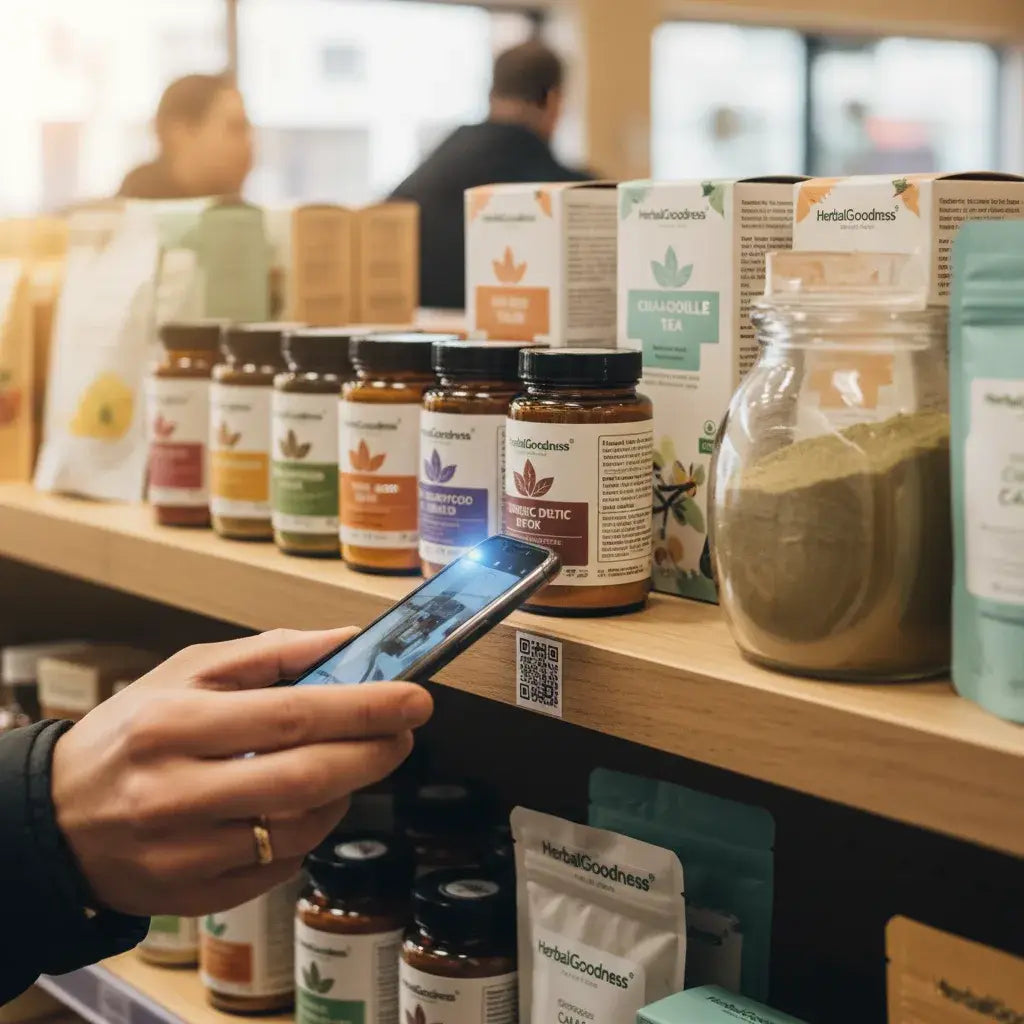
QR codes are those small, black-and-white squares now found on flexible pouches, powder jars, and even herbal tea boxes. By scanning them using your smartphone's camera, you unlock digital resources directly from the manufacturer or brand. This can give you instant access to:
- Sourcing details of the ingredients (e.g., country of origin, organic certifications)
- Extraction methods (such as cold-pressed for liquid extracts or low-heat drying for powder)
- Full lists of quality certifications (USDA Organic, Non-GMO, etc.)
- Batch-specific testing results or sustainability practices
- Educational guides or tips for use
QR codes offer transparency, right at your fingertips, that goes well beyond the front of a supplement label.
How to Use QR Codes Effectively in GNC Stores
Step-by-step tips:
- Locate the QR Code: Look for it on the product package or on shelf signage near the liquid extract, powder, or tea display.
- Scan with Your Smartphone: Open your camera app and hover over the code—no special app needed for most devices.
- Explore the Info: Check for sourcing stories, extraction processes, certification details, or suggestions about how to use the product.
- Compare Multiple Products: Scan similar products' codes and toggle between their digital info for a side-by-side look.
For example, if you're considering a Papaya Leaf Extract - Organic 16oz 15X Liquid Extract, a quick QR scan can reveal whether it uses organic, non-GMO papaya leaf, describe the gentle extraction method used, and outline third-party verification steps.
Decoding Shelf Labels: What They Tell You about Plant-Based Formats
Why Shelf Labels Have Become Smarter
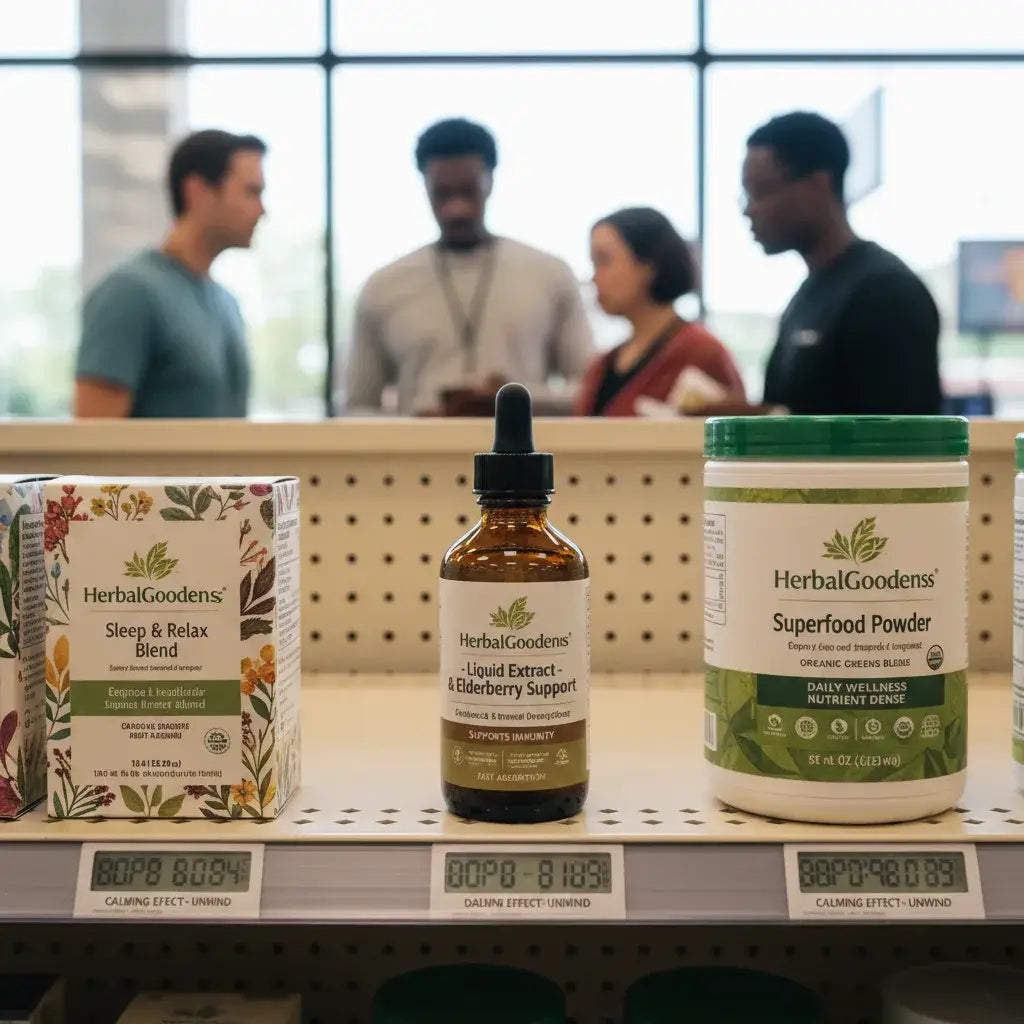
Gone are the days of generic, one-line shelf tags. GNC and other leading wellness stores now use dynamic shelf labels that feature:
- Key attributes: Format (liquid, powder, tea), ingredient highlights, certifications
- QR codes or short links: Direct access to digital resources
- SKU identifiers: For quick staff reference
These cues are designed to help customers make immediate, informed decisions.
What to Look For on Shelf Labels
-
Format Identification
You’ll often see shelf tags clarifying the product type. This is helpful if packaging designs look similar across formats. Look for clear mentions like "Liquid Extract," "Herbal Powder," or "Tea Blends." -
Ingredient Highlights
Quality shelf labels will call out unique characteristics. For example:
- “Wildcrafted Soursop Leaf”
- “Cold Extracted Liquid”
- “Organic Papaya Leaf Powder”
-
Certifications
Shelf labels may include symbols or wording such as "USDA Organic," "Non-GMO Project Verified," or “Vegan Certified.” These are important quality signals, particularly if you have dietary preferences or are seeking clean-label products. -
QR Code Placement
Some stores now print QR codes directly onto shelf tags for fast digital lookup, a helpful option if products are sealed or out of reach.
Reading the Package: Beyond the Buzzwords
Understanding Liquid Extracts, Powders, and Teas
Every product package—whether it’s a bottle of Soursop Leaf Graviola Extract - - Organic 15X Liquid Extract - Cell Renew & Immunity, a canister of powder, or a tea box—contains more information than meets the eye. Look for:
- Extraction Method: Hot water, alcohol-free (glycerin), CO2, or cold-pressed. Each supports different ingredient profiles and wellness traditions.
- Sourcing Statements: Some brands, like Herbal Goodness, specify "sustainably sourced" or "farm to bottle."
- Usage Directions: Liquid extracts may offer dropper dosing, while powders provide scoop measurements and tea suggests brew times.
- Supplement Facts Panels: Check serving size, ingredient breakdown, and any backup information tied to the product format.
Understanding these package details can help you compare the convenience and purity of a liquid extract to the ritual of brewing a tea or the flexibility of a powder.
Specifics to Compare by Format
- Liquid Extracts: See if dosage is clearly outlined per dropper; look for certifications like Kosher or Alcohol-Free.
- Powders: Note whether they’re single-ingredient, like Organic Papaya Seed Powder 4oz | Gut Cleanse & Digestive Support, or blends, and if they’re tested for purity.
- Teas: Look for whole leaf vs. cut/sifted, organic certifications, and suggested steeping times in options such as Soursop Leaf Tea Graviola Leaves - Organic 24/2g Tea Bags - Immunity & Cell Renew.

Leveraging Staff Resources at GNC
While technology and labeling provide instant data, don’t overlook the human touch! GNC staff are often trained to help you navigate:
- Format differences, such as the concentration of a liquid extract vs. a tea
- Suggestions for format compatibility with your lifestyle (travel, home ritual, convenience)
- Clarifying what different certifications mean (e.g., USDA Organic, Non-GMO, Fair Trade)
Don’t hesitate to ask questions like:
- “What’s the difference between this Papaya Leaf Extract - Organic 1oz 15X Liquid - Blood Platelet and the powder version?”
- “Can you show me where to find the QR code on this product?”
- “What does this certification symbol mean?”
Knowledgeable staff can provide valuable context if shelf tags or digital sources feel overwhelming or unclear.
Certifications, Sourcing, and Extraction: What Do These Mean?
Certifications: Why They Matter
Certifications on shelf labels, product packaging, and digital QR code resources validate claims about sourcing, purity, and manufacturing standards. Common ones include:
- USDA Organic: Grown and processed without prohibited substances
- Non-GMO Project Verified: Confirming no genetically modified organisms are used
- Kosher, Vegan, or Gluten-Free: Suitability for particular dietary practices
Certifications are particularly meaningful for discerning shoppers wanting clear standards for their plant-based wellness products. Papaya Leaf Extract Blood Support - 10X 60/450mg Capsules - Blood Platelet, for example, highlights such credentials for peace of mind.
Sourcing & Extraction Methods: Transparency Counts
Learning about how a plant is grown or harvested, and how its beneficial compounds are extracted, can influence your purchase decision. Liquid extracts often highlight gentle or alcohol-free extraction methods, while top-quality powders may specify slow, low-heat drying for nutrient preservation. Teas might call out whole-leaf sourcing for maximum flavor and aroma retention, as found in Papaya Leaf Tea - Organic 24/2g Tea Bags.
Scan QR codes for in-depth stories about these aspects, review the shelf label for at-a-glance details, and consult staff for nuanced format questions.
Tips for Smart Supplement Comparison Using GNC Tools
-
Have a Format in Mind, but Stay Curious: Approach the shelf knowing your preferences, but welcome the opportunity to learn about alternate forms using available information sources such as Soursop Leaf Tea Graviola Leaves - Organic 24/2g Tea Bags - Immunity & Cell Renew.
-
Cross-Check Brands with Your Criteria: Use QR codes and shelf labels to compare two or more options side by side, looking at sourcing, certifications, ingredient lists, and suggested use. Comparing Organic Papaya Seed Powder 4oz | Gut Cleanse & Digestive Support to a liquid extract can help clarify what aligns best with your needs.
-
Clarify Extraction Techniques: Prioritize brands that clearly disclose extraction methods if concentration or purity is important to you, such as Soursop Leaf Graviola Extract - - Organic 15X Liquid Extract - Cell Renew & Immunity.
-
Review Expiry and Batch Information: Some QR codes let you see batch-specific data or lab testing info—a bonus for trust and transparency.
-
Don’t Rush: Take a few moments to absorb the resources, and use staff support if you’re stuck or want deeper comparisons.
Bringing It All Together: Your Path to Informed Decisions
Comparing liquid extracts, powders, and teas at your local GNC is easier than ever when you know how to use all the cues at your disposal. With QR codes, detailed shelf tags, and transparent packaging, you can learn about ingredient sourcing, extraction techniques, certifications, and even unique tips for integrating these plant-based formats into your daily routine.
If you’re curious about a particular liquid extract, powder, or Soursop Leaf Tea Graviola Leaves - Organic 24/2g Tea Bags - Immunity & Cell Renew offered by Herbal Goodness, look for informative QR codes and clearly marked certifications. And remember—choosing the best herbal product is about what fits your lifestyle, values, and wellness preferences.
Ready to make confident, informed wellness choices? Use your next GNC visit to scan QR codes, read shelf labels, and compare Herbal Goodness liquid extracts, powders, and teas—the tools for smarter shopping are right at your fingertips!
FAQs:
- How do I scan a QR code at GNC?
Open your smartphone camera and hover over the QR code. Most phones will prompt you to tap a link, directing you to product-specific information provided by the manufacturer or brand.
- What information can QR codes reveal about herbal products?
QR codes can provide details on ingredient sourcing, extraction methods, product certifications, usage directions, and sometimes batch or lab testing information.
- Why compare liquid extracts, powders, and teas before buying?
Comparing the formats helps you match a product’s convenience, concentration, or ritual aspect with your lifestyle and wellness preferences, making sure you select the form best suited for your needs.
- What should I look for on shelf labels at GNC?
Shelf labels often include the product format, ingredient highlights, certifications, and sometimes QR codes. Look for details on sourcing and extraction, and use these cues to quickly filter options.
- Are Herbal Goodness products available in liquid extract, powder, or tea forms?
Yes, Herbal Goodness offers select plant-based wellness products in liquid extract, powder, and tea formats. Each features clear labeling and, where available, QR codes with additional sourcing and extraction information.
- How can GNC staff help with product comparisons?
GNC staff can clarify differences between formats, explain the meaning of various certifications, and direct you to in-store resources like QR codes or detailed shelf signage.
- Why are certifications important for herbal products?
Certifications such as USDA Organic or Non-GMO Project Verified provide assurance about a product’s sourcing, purity, and manufacturing standards, helping you shop with greater confidence.
Author Name:
Herbal Goodness Editorial Team
Author Bio:
The Herbal Goodness Editorial Team specializes in holistic health and superfoods, blending science and nature to educate and empower our community.
References:
Introducing Graviola to Young Taste Buds: Fun, Family-Friendly Flavor Exploration
Graviola in the Classroom and at Home: Creative Activities to Teach Kids About Tropical Plants