


How to Protect Your Herbal Formula Before Ordering Bulk Extracts

Whether you’re crafting a unique herbal blend or scaling your own plant-based product, protecting your proprietary formulation is crucial—especially when sourcing manufacturing partners online. As interest in custom herbal products continues to rise, so do the risks of having your unique intellectual property (IP) misused or disclosed by third parties. Understanding the basics—like trade secrets, nondisclosure agreements (NDAs), and careful supplier relationships—can help you avoid unintentional pitfalls and safeguard your innovations every step of the way.
This guide offers a practical, beginner-friendly roadmap covering key intellectual property concepts relevant to herbal brands, simple NDA protocols, and sample-handling best practices you should know before ordering any bulk herbal formulation. You’ll also get a practical checklist of non-legal precautions—easy steps any founder can follow to minimize risk and feel confident going to market.
Understanding Intellectual Property for Herbal Formulations
How Trade Secrets Apply to Herbal Brands
Trade secrets are confidential business information that provide a company with a competitive edge. In the context of herbal formulations, your proprietary blend—the specific combination and ratio of botanicals, processing method, or even a unique sourcing approach—may qualify as a trade secret if it’s not generally known, and if reasonable efforts are made to keep it confidential.
Key features of trade secrets for herbal products:
- The formulation is not publicly disclosed.
- You have procedures to keep it confidential (like NDAs and limited access).
- The information offers actual or potential business value.
If your unique herbal supplement isn’t disclosed publicly (as with certain patents) and you follow internal safeguards, your trade secret is an important legal and business asset.
Many successful formulas, such as the Soursop Leaf Graviola Extract 15X Liquid | Organic Cell & Immunity, are protected using trade secret strategies backed by robust documentation and confidentiality procedures. Protecting your herbal blends ensures you maintain that market advantage as you grow your brand.
Patent Considerations for Plant-Based Formulations
A patent grants exclusive rights to an inventor for a new and non-obvious invention, generally requiring public disclosure in exchange. For many herbal brands, patents can be difficult to obtain because formulations may use well-known plant ingredients or processes in the public domain. Even when novelty is present, full disclosure of the formula is required—meaning competitors can see your process even if they can’t legally copy it during the patent term.
Main differences between patents and trade secrets for herbal brands:
- Trade secrets: Keep your blend private, but must maintain confidentiality.
- Patents: Offer exclusivity but require full public disclosure and a lengthy process.
For emerging herbal companies, trade secret protection—backed by simple legal agreements—often makes more sense for blending and sourcing proprietary formulations. Additionally, supplementing your document protocols with reputable manufacturing partners who provide quality bulk herbs & roots online can help streamline your production without sacrificing confidentiality.
Using NDAs to Protect Your Formula When Sourcing Online
What Is an NDA and Why Use One?
A nondisclosure agreement (NDA) is a simple legal contract between you and another party (such as a manufacturer or consultant), stating that any proprietary information you share—like your herbal formulation, process, or sourcing strategy—must be kept strictly confidential. NDAs help set clear boundaries from the beginning, formally acknowledging that your blend is private business information.
Why it’s important:
- Manufacturers may work with multiple brands—an NDA lowers the risks of cross-contamination of information.
- It sets expectations and provides grounds for action if your confidentiality is breached.
For example, before sending off a prototype of your custom blend or products like Raw Sea Moss 8oz Bag | St. Lucia Wildcrafted – Nature's Multivitamin, request a signed NDA to ensure your intellectual property remains secure.
Looking for a trusted herbal manufacturing partner? Herbal Goodness offers premium organic herbal extracts, teas, and botanicals backed by transparent sourcing and quality standards. Whether you're developing a new formulation or expanding your product line, explore our wholesale and private-label-friendly herbal ingredients to support your next project.
Simple NDA Tips for Beginner Herbal Entrepreneurs
Drafting a comprehensive NDA is recommended, but even a basic agreement can offer substantial protection—especially when dealing with reputable, experienced supplement manufacturers. Key tips include:
- Keep language clear and simple: List exactly what is being protected (e.g., “herbal blend recipes, ingredient ratios, sample documentation”).
- Define the parties, the term (duration), and how information should be handled.
- Ask your manufacturing partner if they have a standard NDA template. If not, use a reputable contract template source, adjusting for your herbal context.
- Always get NDAs signed before sharing details or samples of your proprietary blend.
When choosing sample partners, you might look for those experienced in handling custom product innovations—such as brands with a track record of safeguarding unique Papaya Leaf Blood Support blends and efficient documentation practices.
When and How to Share Your Herbal Formulation
Protecting your blend doesn’t have to stall your progress. Follow these steps for sharing formulas securely:
- Ask potential partners for a signed NDA before sharing any specifics.
- Limit details to what’s absolutely necessary. For example, you can describe general functionality or plant types, omitting full ratios until further along.
- Share sample batches using coded identifiers rather than listing the individual herbs outright, if possible.
This staged approach allows you to vet suppliers, demonstrate quality, and maintain control over your innovation.
Practical Sample Handling and Sourcing Best Practices
How to Safely Share Sample Blends
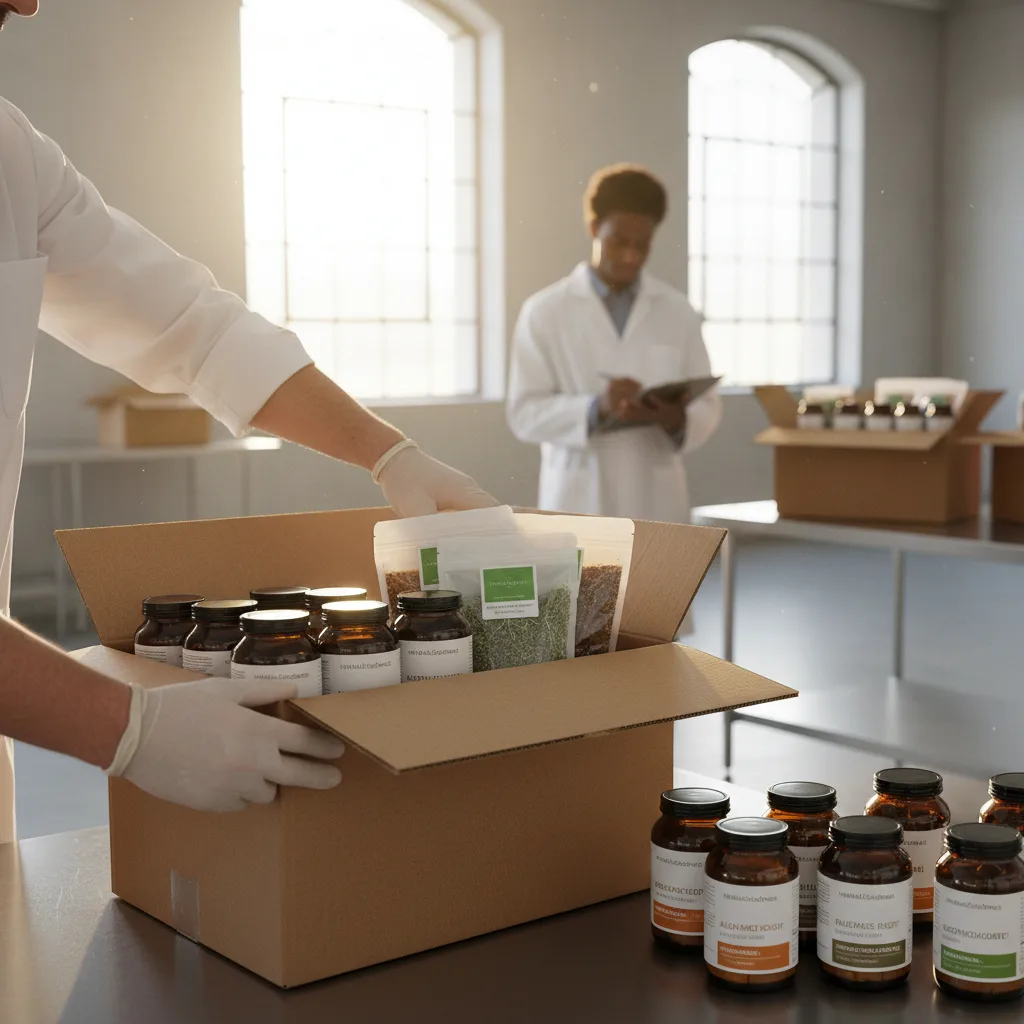
When requesting prototypes, samples, or test blends:
- Provide only the minimum required sample size for quality assessment.
- Mark all packaging and correspondence as “Confidential” or “Proprietary.”
- Record when and to whom each batch is sent.
Ask manufacturers about:
- Their formal confidentiality processes.
- How and where samples are stored and who can access them.
- Their willingness to return or destroy unused material after testing is completed.
Many leading companies that specialize in organic papaya leaf extract or superfood products offer transparent handling and chain-of-custody procedures for sample blends to further reduce risks.
Building Trust—and Paper Trails—with Manufacturing Partners
A reliable manufacturing partner should respect your privacy and have established protocols for handling custom formulations. Consider:
- Choosing partners with a proven track record in custom herbal blending.
- Documenting every exchange—emails, sample requests, modifications, and confirmations.
- Establishing shared folders or secure channels for files and discussions.
This helps reduce misunderstandings and supports your claim to originality, should a dispute arise.
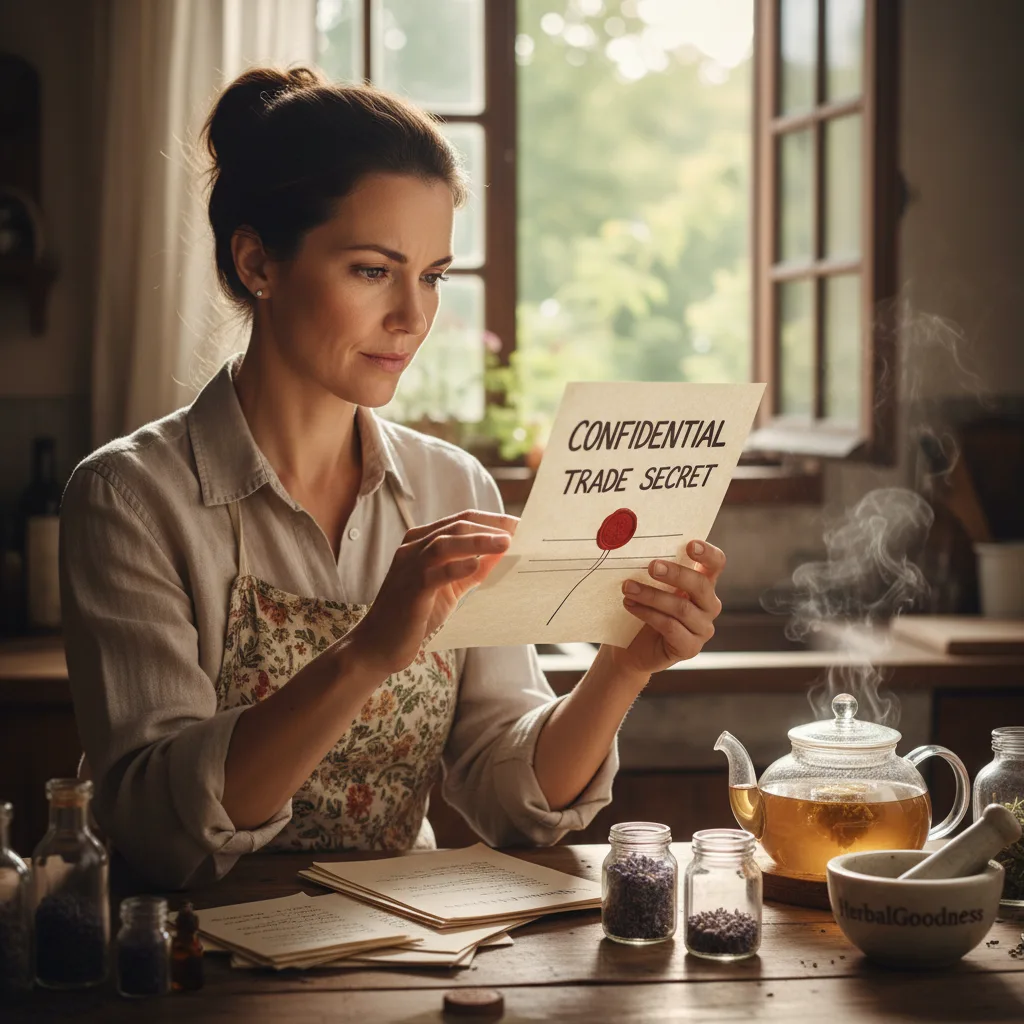
Practical Checklist: Steps to Safeguard Your Herbal Formulation Before Bulk Ordering
Before you place your first big herbal order, run through this non-legal but highly practical checklist:
- Conduct Online Research
- Identify reputable custom supplement manufacturers specializing in herbal formulations.
- Look for brands that reference confidentiality, custom blending, or private labeling.
- Initiate Conversations Carefully
- Avoid sharing your full formula until trust and paperwork are established.
- Start with functional or descriptive language (e.g., “adaptogenic blend” or “plant-focused immunity support”).
- Request and Sign NDAs Early
- Ask if they provide an NDA or share your own basic version.
- Ensure it covers all sensitive aspects (formula, process steps, sourcing).
- Share Only What’s Necessary
- Limit initial info: overview, product goals, maybe incomplete ingredient lists.
- Offer coded sample labels or partial disclosures first.
Brands with proven security measures and strong reputations in the market, such as those offering Soursop Leaf Tea | Organic Graviola 24 Bags, can be excellent candidates for strategic partnerships.
- Request Details on Sample Handling
- Ask suppliers how samples are tracked, stored, returned, or destroyed.
- Keep a log of every handoff or delivery.
- Keep Documentation
- Save time-stamped emails, purchase orders, sample requests, and test result correspondence.
- If working within a team, restrict access on a need-to-know basis.
- Ask the Right Questions
- How do they keep custom formulations confidential?
- Will they certify, in writing, that your blend will not be shared or reverse-engineered?
- Request a Chain of Custody or Destruction Report (if needed)
- For higher-value formulas, request a simple letter confirming what happens to excess or unused product after sampling or testing.
- Review and Update As You Grow
- As your operation scales, revisit your protection protocols. Consider legal consultation when ready to ramp up volume or innovate further.

Summary: Building Confidence as You Scale Your Herbal Brand
Successfully protecting your custom herbal blend doesn’t require a complex legal background. By understanding the basics of trade secrets versus patents, using a simple, signed NDA, and following sample-handling best practices, you can dramatically reduce risk when working with manufacturing partners online. These practical actions—combined with good recordkeeping and thoughtful supplier conversations—help ensure that your unique plant-based formulation remains in your control, from concept to customer.
Frequently Asked Questions
Question 1: Why is an NDA important when developing custom herbal blends?
Answer: An NDA is essential because it sets clear legal obligations for all parties to keep proprietary details—like your blend, process, or ingredient sourcing—confidential. For instance, before sharing prototypes for products such as Soursop Leaf Graviola Extract 15X Liquid | Organic Cell & Immunity, an NDA helps prevent misuse or leaks of your valuable IP.
Question 2: How can I research reputable herbal supplement manufacturers online?
Answer: Look for companies with a track record in custom blending and positive references to confidentiality. Exploring resources for bulk herbs & roots online and evaluating customer reviews can also help vet a potential partner.
Question 3: When should I share my full herbal formulation with a manufacturer?
Answer: Share the full formula only after both an NDA is signed and initial trust is established. Consider sharing partial ingredient information at first, or using coded identifiers—especially if sampling sensitive blends like Papaya Leaf Blood Support.
Question 4: How do manufacturers typically handle sample blends securely?
Answer: Manufacturers may mark all samples as 'Confidential', limit sample sizes, and track batches. Trusted brands dealing in high-quality, custom products often have procedures like restricted access and written chain-of-custody logs; this is true for specialized products like organic papaya leaf extract.
Question 5: Can I protect a herbal blend with both a patent and a trade secret?
Answer: You must generally choose: a patent requires public disclosure, but a trade secret keeps your formula confidential as long as precautions are taken. Many herbal businesses prefer trade secrets—especially for proprietary blends using public-domain ingredients, as with items in Soursop Leaf Tea | Organic Graviola 24 Bags.
Question 6: What practical steps help ensure confidentiality during sampling?
Answer: Label all sample packaging as confidential, keep delivery logs, and request written confirmation of how samples are stored or destroyed after use. Many companies producing trusted blends, like Raw Sea Moss 8oz Bag | St. Lucia Wildcrafted – Nature's Multivitamin, already offer these assurances.
Question 7: How often should I update my protection strategy as my herbal company grows?
Answer: Review your IP protection protocols regularly, especially as you scale or expand product offerings. This ensures your procedures stay current and effective, supporting the longevity of your formulation’s confidentiality.
Ready to bring your unique herbal formulation to life? Use this practical checklist as your guide to safer sourcing and confident collaboration with manufacturing partners.
About the Author
Herbal Goodness Editorial Team
The Herbal Goodness Editorial Team specializes in holistic health and superfoods, blending science and nature to educate and empower our community.
References
Introducing Graviola to Young Taste Buds: Fun, Family-Friendly Flavor Exploration
Graviola in the Classroom and at Home: Creative Activities to Teach Kids About Tropical Plants
Why Social Impact Matters in Plant-Based Wellness