





How to Identify Papaya Leaves and Avoid Common Look-Alikes

Recognizing genuine papaya leaves is the foundation of safe and informed foraging or sourcing. Whether you're curious about fresh leaves for kitchen use, scientific inquiry, or exploring papaya leaf-based products, developing a keen eye for distinguishing these iconic tropical leaves from look-alike plants is essential. This beginner's guide walks you through the recognizable shape, venation, scent, and growth traits of papaya leaves—along with how to avoid common misidentifications, respect local ecosystems, and make responsible choices when seeking out leaves or leaf-based products.
Identifying Papaya Leaves: Key Features
Papaya leaves (from Carica papaya) have a striking appearance but can sometimes be confused with unrelated plants. By focusing on a few primary features, even newcomers can confidently distinguish papaya leaves in gardens, urban areas, or wild environments.
Characteristic Leaf Shape
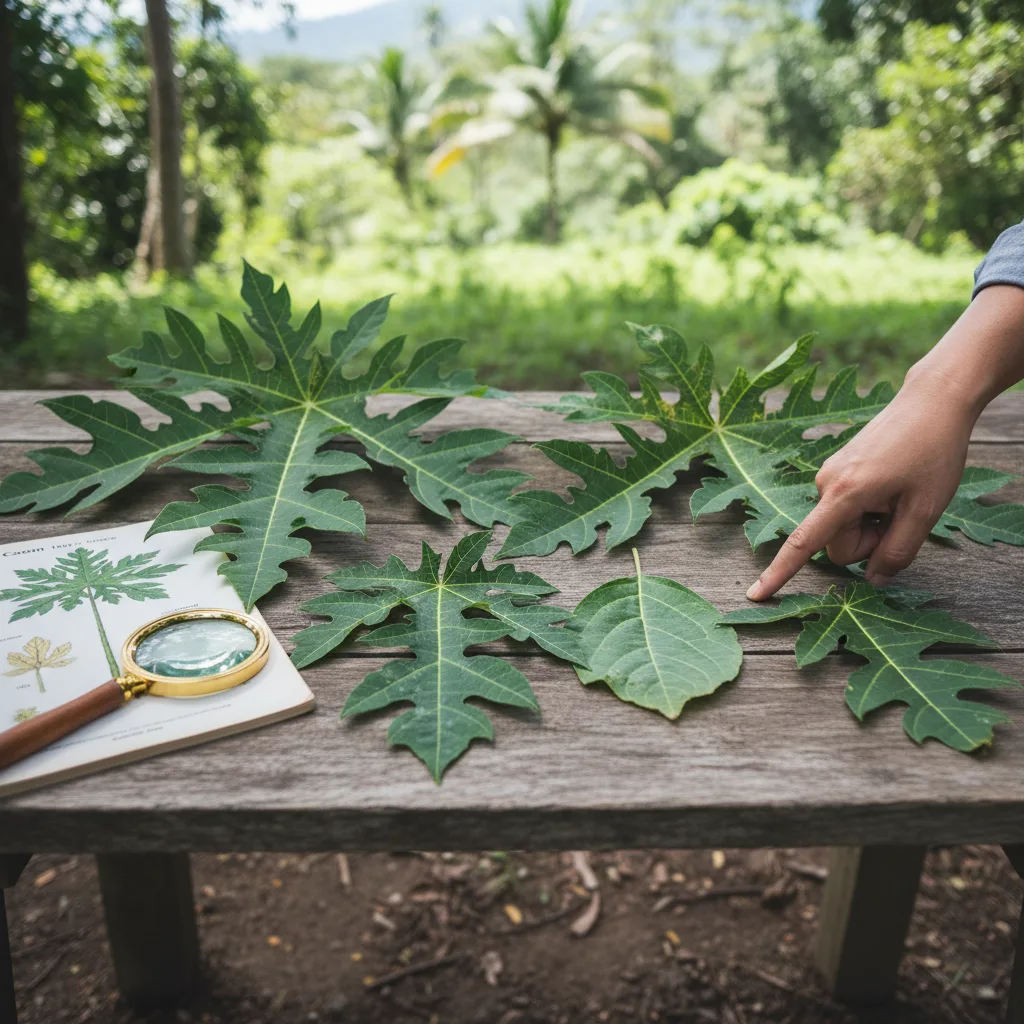
Papaya leaves are large, with blades often reaching 1 to 2 feet across. Their most distinctive features include:
- Deeply Lobed Structure: Each leaf is palmately lobed—meaning it's divided into 5 to 9 prominent lobes radiating from a central point, resembling a hand or a starfish.
- Thin Blades: The segments between each lobe are generally pointed and separated by deep sinuses (indentations).
- Overall Silhouette: From above, a papaya leaf looks almost circular, though the lobes give it a dramatic, sculpted outline.
These features are important for those who plan on using papaya leaves either fresh or through prepared supplements, as correct identification can affect both safety and the health benefits you receive from products such as Organic Papaya Leaf Extract 16oz | 15X Liquid – Best Value Size.
Venation and Petiole Features
- Prominent Veins: Look for clearly visible, whitish to pale green veins that radiate outwards from where the leaf meets the petiole (the stalk attaching the leaf to the stem).
- Long, Hollow Petioles: The petiole itself can be as long as the leaf blade or longer, often measuring 1.5 to 2.5 feet. It attaches perpendicularly onto the plant’s trunk.
Texture and Scent
- Texture: Papaya leaves feel smooth and thin—sometimes slightly leathery—but are not waxy or fuzzy.
- Scent: When broken or rubbed, fresh papaya leaves exude a distinct, sharp, somewhat bitter aroma, reminiscent of raw pumpkin or cucumbers. The sap may be slightly milky.—This is a key separating feature from many look-alikes.
Growth Habit and Habitat
- Leaf Arrangement: Papaya leaves emerge in a spiral at the tip of the plant’s single, unbranched trunk. The tree is typically 6 to 20 feet tall but may be shorter in pots or gardens.
- New Leaves: New leaves appear rolled up in the center and unfurl as they grow.
Papaya prefers warm, subtropical to tropical climates but can be cultivated in protected urban or greenhouse settings elsewhere. For those living outside traditional growing zones or seeking convenient consumption, products like Organic Papaya Leaf Tea | 24 Premium Bags – Caffeine-Free offer the benefits of papaya leaves in an easy-to-access format.
Regional Variations in Papaya Leaf Appearance
Papaya leaves appear remarkably similar worldwide, but certain factors may cause subtle differences:
- Young vs. Mature Plants: Young papaya trees may feature smaller or less dramatically lobed leaves.
- Climate Influence: In consistently wet or hot climates, leaf blades may appear larger and thinner. In drier settings, they may be more robust.
- Cultivar Differences: Some cultivated varieties (especially dwarf types) show minor variation in lobe number or leaf size but retain the key features described above.
Regardless of these subtle differences, trustworthy supplement brands utilize expertly identified plants. Papaya Leaf Blood Support | Organic 15X Liquid Extract is one such example, created from properly sourced, verified papaya leaves to maintain efficacy and safety.
Common Papaya Leaf Look-Alikes (and How to Avoid Them)
Mistaking other plants for papaya can happen easily if you're new to plant identification. Here are a few look-alikes and their distinguishing characteristics:
Castor Bean (Ricinus communis)
- Leaf Structure: Also deeply lobed, with 5–12 sections per leaf.
- Key Differences: Castor bean leaves are typically glossier, less deeply notched, and have a palmate flower stalk arrangement. Brush or break a leaf—there's little to no bitter scent, and sap is clearer.
Chaya (Cnidoscolus aconitifolius)
- Leaf Structure: Lobed and hand-like, but lobes are narrower and the texture feels more fibrous.
- Key Differences: Chaya often has small, fine hairs, and sometimes stings to the touch. The overall plant is bush-like, not tree-like, and leaves do not have the pronounced papaya scent.
Sensitive Plant (Jatropha gossypiifolia)
- Leaf Structure: Three or five-lobed leaves resemble a simplified papaya at first glance.
- Key Differences: Typically much smaller in size; plant produces red or purple-tinted sap when broken. Texture is slightly sticky.
Wild Fig Species (Ficus spp.)
- Leaf Structure: Some wild figs have lobed leaves but rarely as deeply or symmetrically as papaya.
- Key Differences: Sap is thick, white, and sticky; scent is not sharp or bitter. Growth is bushy or shaded woodland, unlike papaya.
Checking multiple identification features, rather than just leaf shape, is crucial for avoiding confusion and handling unknown plants safely. For people seeking the health benefits of papaya leaf but worried about correct identification in the wild, capsules such as Papaya Leaf Extract Capsules 600mg | 10X Strength – Platelet Support provide a controlled, reliable option.
Safe Foraging Etiquette for Papaya Leaves
Whether foraging in a backyard or a wild area, responsible behavior protects both personal safety and the local ecosystem.
Guidelines for Beginners
- Always Positively Identify: Do not harvest if you’re unsure of a plant’s identity—err on the side of caution and consult a local expert if possible.
- Harvest Responsibly: Take only a small amount from each mature tree, avoiding young plants or overharvesting from a single spot. This preserves the plant’s vitality and ensures continued growth.
- Respect Property and Regulations: Only forage on land where you have permission. Local regulations may exist regarding foraging in parks or wild areas, especially for non-native species.
- Sanitary Harvesting: Use clean, sharp tools and handle leaves gently to minimize injury to the plant and yourself.
Ecological Impact
Papaya grows quickly and is not considered threatened in most regions, but care should always be taken not to disturb companion plants, groundcover, or wildlife when walking or harvesting in any area. Choosing high-quality, responsibly produced supplements, such as Organic Papaya Leaf Extract 1oz | 15X Liquid – Trial & Travel Size, helps support ethical sourcing and sustainable practices.
How to Responsibly Source Fresh Papaya Leaves or Leaf-Based Products
If foraging is not practical or permitted—or if you’re exploring supplement options—knowing how to source responsibly ensures quality and supports ethical practices.
Buying Fresh Papaya Leaves
- Local Groceries and Produce Markets: In tropical or international grocery stores, ask vendors for fresh papaya leaves. Choose vibrant, intact leaves free from mold or spots.
- Farmers’ Markets: Some growers offer papaya leaves by request. Engage with farmers who can describe their cultivation, harvest, and handling practices.
Considering Prepared Papaya Leaf Products
Many are interested in papaya leaf tinctures, teas, or extracts for kitchen use or research. When considering these options:
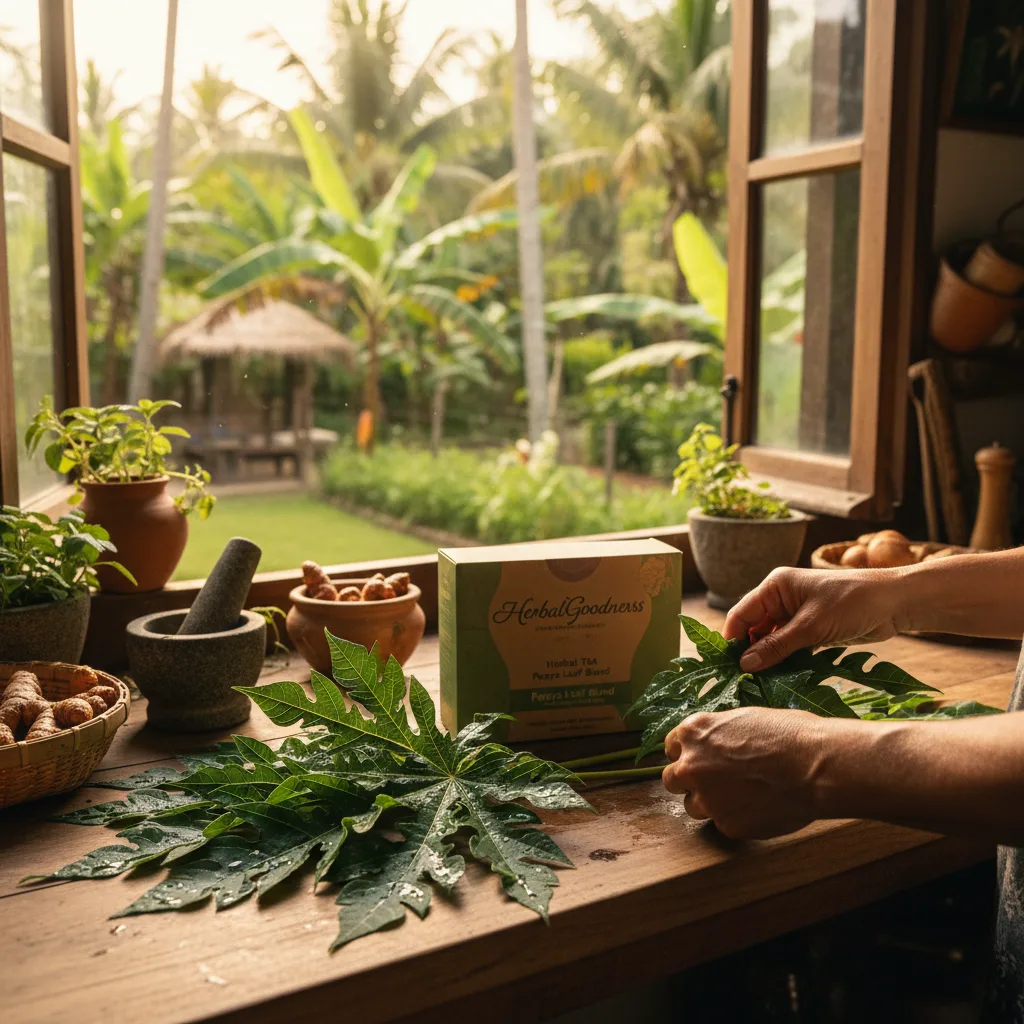
- Quality Standards: Look for products from trusted brands like Herbal Goodness that disclose sourcing region, method of harvest, and processing details.
- Organic and Sustainable Practices: Seek brands that prioritize soil health, sustainable agriculture, and transparent supply chains.
- Product Formats: Papaya leaves are available as dried tea cut, encapsulated powder, or liquid extract. Each format serves different culinary and research needs. Papaya Leaf Blood Support Capsules 10X | 60ct – Platelet Wellness allow for convenient, pre-measured use.

Safe Storage and Handling of Fresh Leaves
If you obtain fresh papaya leaves, store them unwashed in a refrigerator crisper drawer and rinse before use. Use within a few days for best quality; dried leaves should be stored in airtight containers away from light and moisture. For even longer shelf life without sacrificing benefits, liquid or powdered extracts such as the Green Papaya Fruit Extract - 4X 60/600mg Capsule - Digestion Aid provide an excellent option.
Practical Tips for Beginners
- Bring a Field Guide or Use a Reliable App: Reference a plant identification guide with regional images for the most accurate results.
- Document and Cross-Check: Take photos at multiple growth stages. Compare features (shape, venation, scent) with trusted sources before harvest.
- Start Local, Then Expand: Begin learning with cultivated papaya plants or those in community gardens before venturing into less-managed habitats.
Accurately distinguishing papaya leaves supports both personal safety and the well-being of local plant life. With attention to detail and respect for nature, anyone can master the essentials of leaf identification and responsible foraging.
Frequently Asked Questions
Question 1: How do I safely identify papaya leaves in the wild?
Answer: Check for palmately lobed leaves, smooth texture, and the distinctive bitter scent when broken. If in doubt, opt for prepared products such as Organic Papaya Leaf Extract 16oz | 15X Liquid – Best Value Size for guaranteed authenticity.
Question 2: What are the main health benefits of papaya leaf supplements?
Answer: Papaya leaf supplements are often used to support healthy platelet levels, digestion, and immune wellness. Products like Papaya Leaf Blood Support | Organic 15X Liquid Extract offer convenient ways to receive these benefits.
Question 3: Are there safe ways to store fresh papaya leaves?
Answer: Store unwashed leaves in the refrigerator crisper and rinse just before use. For longer storage, try Organic Papaya Leaf Tea | 24 Premium Bags – Caffeine-Free or encapsulated forms.
Question 4: Can papaya leaves be confused with any toxic plants?
Answer: Yes, papaya leaves are sometimes mistaken for castor bean or chaya, both potentially toxic. When unsure, use high-quality extracts like Papaya Leaf Extract Capsules 600mg | 10X Strength – Platelet Support.
Question 5: Do papaya leaf supplements retain the plant’s nutritional value?
Answer: Trusted brands use proper sourcing and minimal processing to maintain the nutritional profile. Organic Papaya Leaf Extract 1oz | 15X Liquid – Trial & Travel Size is a travel-friendly way to enjoy these nutrients.
Question 6: Can I use papaya leaf products for culinary purposes?
Answer: Yes, dried papaya leaves and teas can be used in recipes. Organic Papaya Leaf Tea | 24 Premium Bags – Caffeine-Free is suitable for tea blends or culinary infusions.
Question 7: What precautions should I take when foraging for papaya leaves?
Answer: Always positively identify, harvest responsibly, and follow local regulations. If you’re not confident, stick to verified supplements such as Papaya Leaf Blood Support Capsules 10X | 60ct – Platelet Wellness for safety.
Interested in learning more about papaya leaves and responsible sourcing? Explore resources on identification, foraging etiquette, and quality leaf products to support your journey.
About the Author
Herbal Goodness Editorial Team
The Herbal Goodness Editorial Team specializes in holistic health and superfoods, blending science and nature to educate and empower our community.
References
How to Compare Papaya Seed Capsule Listings Online: A Simple Transpare
How to Choose Certified Organic Papaya Supplements: Organic, Fair-Trade