





How to Identify Adulterated or Low-Quality Black Cumin Seed Oil

How to Identify Adulterated or Low-Quality Black Cumin Seed Oil
Black cumin (Nigella sativa) seed oil has attracted attention as a longstanding staple in natural wellness routines. However, with popularity comes a crowded marketplace—and not every bottle delivers what it promises. For newcomers and curious shoppers, understanding how to spot adulterated or low-quality black cumin seed oil can make a real difference in a positive buying experience, safety, and satisfaction. This beginner’s guide offers practical ways to recognize common pitfalls and make informed choices when shopping for black cumin seed oil.
Understanding Black Cumin Seed Oil’s Popularity & Risks
Black cumin seed oil, often labeled as Nigella sativa oil or black seed oil, is valued in many cultures for its traditional culinary and wellness roles. The growing demand brings a broader selection—but also increased risks of diluted, mislabeled, or adulterated products. Even well-meaning shoppers can end up with oil that is not pure Nigella sativa, blended with cheaper oils, or processed in ways that impact quality.
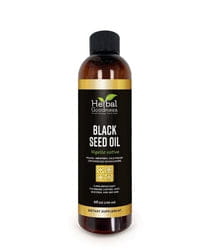
A helpful strategy is to compare reviews for Black Seed Oil 8oz - Cold-Pressed Liquid - Immunity & Wellness with other brands to ensure you're selecting truly authentic oil.
Why Adulteration Happens
- Cost-Cutting: Some producers may mix black cumin oil with lower-cost carrier oils to increase profit margins.
- Supply Issues: Harvest fluctuations and rising demand can create incentives to extend genuine oil with substitutes.
- Labeling Gaps: Regulatory differences across regions mean labels may be unclear or inconsistent.
Knowing these challenges empowers you to shop smarter, not just for efficacy, but for authenticity and transparency.
Reading Labels: Clues to Evaluate Before Buying
One of the first lines of defense as a shopper is the product label. Here are the main label components to check before making a purchase:
Ingredient List
- Look for Simplicity: The ingredients should state only Nigella sativa (black cumin) seed oil. Watch out for added carrier oils unless clearly stated for a specific functional blend. Reading labels on items such as Papaya Leaf Extract - - Organic 16oz 15X Liquid Extract or seed oils can help you learn to spot authentic ingredient lists.
- Latin Name: Reputable brands list both the common name and the Latin name: Nigella sativa.
Extraction Method
- Cold-Pressed: Oils described as “cold-pressed” generally preserve more of the natural chemical profile. This method avoids heat or chemical solvents. The Black Seed Oil 8oz - Cold-Pressed Liquid - Immunity & Wellness specifically notes this method for maximum potency.
- Solvent Extracted: If the label mentions “solvent-extracted” or “refined,” understand this might alter the oil’s quality profile.
Origin & Source
- Country of Origin: Transparency on where seeds are harvested and oil is pressed can signal accountability.
- Organic and Non-GMO: Products with organic or non-GMO certifications may be subject to higher oversight standards. Cross-check labeling claims found in products like Sea Moss - Raw Dried from St Lucia - 8oz Bag - Nature's MultiVitamins to become comfortable with proper certifier marks.
Batch Number & Expiry Date
- Batch Information: Best practice includes a batch or lot number, and a clear expiry date. Freshness matters, as oils can degrade over time.
Recognizing Reliable Certifications & Seals
Certifications signal certain quality controls or production standards. While certifications don’t guarantee purity, they add a layer of trust.
- USDA Organic: Third-party validation of organic growing and processing practices.
- Non-GMO Project Verified: Assurance that seeds used are not genetically modified.
- ISO or GMP Certifications: Indicate controls around production consistency and cleanliness.
- Halal or Kosher Seals: If relevant for your needs, these can reflect additional processing standards.
Tip: Look for official logos—avoid brands that simply state “certified organic” without a certifier’s mark.
Simple Sensory Checks: What You Can See, Smell & Taste
Once you have a bottle (or when a sample is available), ground-level sensory checks let you examine quality with your own senses.
Visual Inspection
- Color: Authentic black cumin oil is typically deep golden to dark brown. Pale, watery, or very clear oil may be diluted. This visual test is similar to evaluating other phytonutrient-rich liquids, such as the hue visible in Soursop Leaf Graviola Extract - - Organic 15X Liquid Extract - Cell Renew & Immunity.
- Consistency: It should have a smooth, almost syrupy feel—not thin or overly runny.
Aroma
- Characteristic Scent: Expect a spicy, peppery, slightly bitter aroma unique to Nigella sativa. Mild or odorless oil may be heavily filtered or mixed. Your senses of smell and taste are excellent tools—just as you might notice the unique scent when brewing Soursop Leaf Tea Graviola Leaves - Organic 24/2g Tea Bags - Immunity & Cell Renew.
Taste
Note: Taste tests are only appropriate with edible-grade products.
- Distinct Flavor: True black cumin oil is pungent, slightly bitter, and earthy. A bland taste could be a red flag.
Questions to Ask Sellers or Brands
A trustworthy seller welcomes questions and transparency. Here are questions that yield revealing answers:
- Is it 100% pure Nigella sativa seed oil?
- Which country are the seeds sourced from?
- What extraction method is used (cold-pressed, solvent, etc.)?
- Can you provide a lab report or certificate of analysis (COA) for this batch?
- Does the facility follow GMP or organic certification standards?
If you have doubts, contacting the provider of Black Seed Oil 8oz - Cold-Pressed Liquid - Immunity & Wellness for documentation and prompt replies increases confidence in your purchase.
How to Read Basic Lab Reports (COA)
Quality-focused brands may share a certificate of analysis (COA) from independent labs. For beginners, here’s what to look for in a COA:
Identity and Purity
- Botanical Name Confirmation: The COA should specify Nigella sativa and state purity (often in percentage).
- No Adulterants Detected: Reports may confirm absence of other seed oils or synthetic additives.
Key Chemical Markers
- Thymoquinone Content: This is a natural compound in black cumin—COAs often show a percentage range. While levels vary naturally, its presence is a hallmark of genuine oil.
Free From Contaminants
- Heavy Metals or Solvents: Quality reports may confirm absence of heavy metals or residual solvents.
If you’re unsure how to interpret a particular number or term, reputable brands should happily clarify.

Identifying Red Flags in Black Cumin Seed Oil
Spotting signs of potential compromise helps you avoid disappointment:
- Unbelievably Low Price: Very cheap oils may signal dilution or cost-saving shortcuts. This can also apply broadly in herbal shopping; higher-value products like Soursop Leaf Graviola Extract - - Organic 15X Liquid Extract - Cell Renew & Immunity show genuine quality tends to come at a reasonable cost.
- No Source Information: Brands reluctant to disclose country of origin or production practices can be a warning.
- Missing or Vague Lab Reports: A lack of third-party data may leave more room for inconsistencies.
- Odd Consistency or Faint Scent: Products that look, feel, or smell off the mark may not be pure black cumin.
- Non-Professional Packaging: Faded, missing, or generic labeling can indicate repackaged or older oils.
Trusted Resources for Checking Product Claims
To double-check what you’re being told about a black cumin seed oil product:
- Third-Party Review Sites: Platforms with verified consumer reviews can highlight both reliable favorites and concerning trends.
- Official Certifier Websites: USDA, Non-GMO Project, and others maintain databases—cross-reference product claims for validation. Verifying the certifications for items like Papaya Leaf Extract Blood Support - Organic 1oz 15X Liquid Extract - Platelet Health helps you become savvy at spotting legitimate seals across the herbal industry.
- Industry Trade Groups: Organizations focused on herbs or natural foods may offer additional insights on reputable suppliers or brands.

Tip: If in doubt, reach out! Quality suppliers are responsive, helpful, and transparent about their processes.
Putting It All Together: Confidence in Shopping Decisions
Becoming a savvy black cumin seed oil shopper is about asking the right questions and trusting your senses—without feeling pressured for perfection. Focus on transparency, clear labeling, reputable certifications, and visible lab data. By approaching every new bottle with curiosity and a few checks, you’ll find products that align with your standards and expectations. Exploring ingredient transparency and sourcing with options like Papaya Leaf Extract - Organic 1oz 15X Liquid - Blood Platelet can build your confidence as an herbal product shopper.
References
- ConsumerLab: How to Choose Quality Black Seed Oil – ConsumerLab, practical guide to black cumin oil testing and quality.
- USDA Organic Labeling Standards – U.S. Department of Agriculture, overview of organic certification requirements.
FAQs:
- What color should authentic black cumin seed oil be?
Genuine black cumin seed oil usually ranges from deep golden to dark brown, reflecting the richness of its natural components. Very light or clear oil may be a sign of dilution or over-filtration.
- How can I tell if black cumin seed oil is pure?
Check that the sole ingredient listed is Nigella sativa seed oil, preferably cold-pressed, with no other oils or additives. Certification labels and batch COAs add credibility. Sensory cues like rich color and spicy aroma also help.
- Are organic certifications important for black cumin seed oil?
Organic seals such as USDA Organic indicate stricter controls over agricultural and processing practices, which can support quality and traceability. Always verify that certifications are from recognized organizations.
- Why do some black cumin seed oils taste mild or odorless?
Mild-flavored or odorless oils might result from heavy refinement, dilution with neutral oils, or even the use of suboptimal seeds. Authentic black cumin oil is bold and aromatic.
- What is a COA, and why does it matter?
A Certificate of Analysis (COA) is a document from an independent lab assessing identity, purity, and possible contaminants in the oil. It’s one of the clearest ways to confirm product authenticity.
- Is price a reliable indicator of quality in black cumin oil?
While not always exact, unusually low prices are a common red flag for possible dilution or shortcuts. Assess price alongside ingredient origins, certifications, and feedback from trusted sources.
- Can I verify black cumin oil certifications online?
Yes. Check the certifying body’s database (such as USDA’s Organic Integrity Database) or the Non-GMO Project website to confirm if product claims are legitimate.
Author Name:
Herbal Goodness Editorial Team
Author Bio:
The Herbal Goodness Editorial Team specializes in holistic health and superfoods, blending science and nature to educate and empower our community.
References:
Introducing Graviola to Young Taste Buds: Fun, Family-Friendly Flavor Exploration