



How to Explore Local Holistic Health Stores and Herbalists

How to Explore Local Holistic Health Stores and Herbalists
Introduction: Navigating Your Local Holistic Health Scene
The holistic health landscape is thriving in communities across the country. From cozy apothecaries to bustling farmers’ markets, local sources of plant-based wellness are more accessible than ever. Whether you’re curious about herbal teas, natural tinctures, or various wellness workshops, exploring these options can deepen your connection to personal well-being and your greater community. This guide will help you understand the main types of local holistic health providers, typical products you’ll find, how to spot quality, and practical ways to get involved with your local wellness scene—all while focusing on plant-based, clean, and conscious living.
Understanding Local Holistic Health Options
The world of local holistic health is diverse and sometimes overwhelming for newcomers. Each type of establishment offers its own unique approach and specialties. Let’s break down the most common options you’re likely to encounter and what makes each one valuable.
Holistic Health Stores
Holistic health stores are dedicated retail spaces for natural and plant-based health products. These stores typically carry:
- Herbal supplements (teas, tinctures, powders, capsules)
- Essential oils
- Non-toxic body care products
- Books on wellness and herbal practices
- Some groceries, focusing on organic and sustainable options
Staff are usually knowledgeable about product sourcing and traditional uses, and may offer informal advice on using plant-based products as part of a wellness routine.
Herbalists and Herbal Apothecaries
Herbalists are practitioners trained in the traditional use of plants for well-being. Herbal apothecaries are specialized shops (sometimes run by herbalists themselves) that stock a range of herbal products, including:
- Custom or small-batch teas and tinctures
- Dried single herbs or blends
- Syrups and oxymels (herbs extracted in honey and vinegar)
- Salves and balms
Visiting an herbalist or apothecary offers a chance for personalized attention—herbalists often provide consultations and educational guidance on plant selection and safety. If you're seeking a tailored approach to wellness, consider a Personal Consultation with Herbalist or Health Coach for one-on-one advice.
Co-ops and Bulk Buying Clubs
Cooperatives (co-ops) are community-owned markets focused on collective purchasing power. Many co-ops:
- Have a bulk herbs section
- Source locally when possible
- Focus on organic and fair-trade products
- Offer member discounts and community classes
Co-ops are an accessible, budget-friendly way to explore a broader selection of herbs and wellness products. For those interested in experimenting at home, options like our organic herbal teas provide a customizable experience with a focus on freshness.
Farmers’ Markets
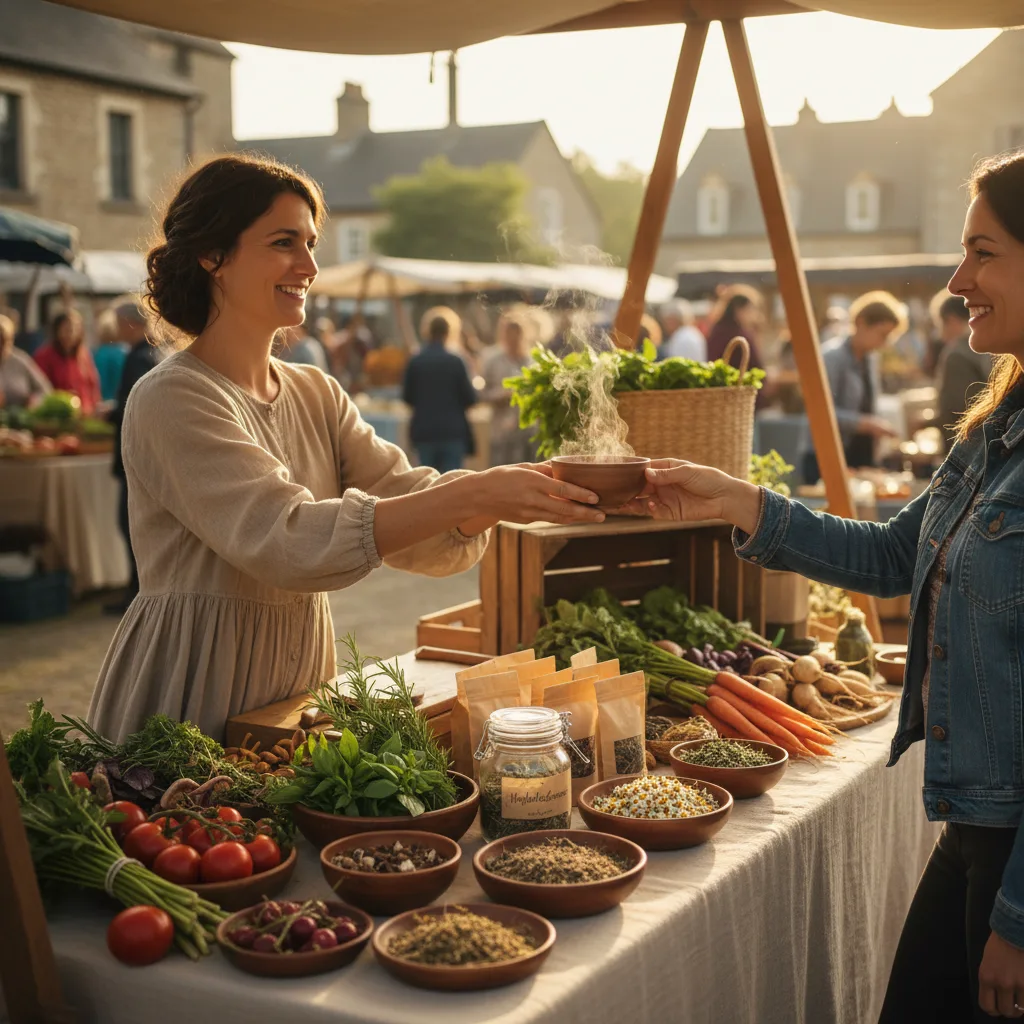
Local farmers’ markets foster direct connections between growers, makers, and consumers. They often feature:
- Fresh or dried culinary and medicinal herbs
- Locally-made tinctures and honey blends
- Herbal-infused products, like soaps, oils, and balms
- Seasonal produce
Farmers’ markets are opportunities to speak directly with growers, ask about cultivation practices, and learn the story behind the herbs you choose. You might discover unique finds such as our Bulk Herbs collection to incorporate into your own herbal experiments.
Online Marketplaces with Local Roots
Local herbalists and apothecaries may operate online shops for broader access. When shopping online:
- Look for clear information about sourcing, ingredient transparency, and production methods
- Seek out local pickup or shipping options to support your region
- Check if in-person consultations, workshops, or farm visits are available
By choosing transparent, regionally-produced items such as Soursop Leaf Graviola Extract - - Organic 15X Liquid Extract - Cell Renew & Immunity, you support both your wellness and your community’s sustainability efforts.

Common Plant-Based Products Available
You’ll notice a variety of plant-based wellness products in these spaces, each catering to different preferences and needs.
Herbal Teas
Loose-leaf blends and single-herb teas are popular for their flavors and traditions. Teas are an approachable way to integrate herbs into your daily life and can often be sampled in-store or at markets. People new to herbal wellness might enjoy the simplicity of Papaya Leaf Tea - Organic 24/2g Tea Bags, which combines ease and quality in one product.
Tinctures
Tinctures are concentrated herbal extracts commonly made by soaking plant material in alcohol or glycerin. They are appreciated for their convenience and long shelf life. Products like Soursop Leaf Graviola Extract - - Organic 15X Liquid Extract - Cell Renew & Immunity deliver the benefits of plants in a potent, easy-to-use form.

Powders and Capsules
Some herbs come as ground powders—ideal for smoothies or culinary use. Capsules offer a simple way to incorporate herbs without strong tastes or preparation. Consider Graviola Soursop Leaf Extract – 10X 60/600mg Capsules - Cell Renew & Immunity for those seeking on-the-go support for cell health and immune function.
Topical Balms and Salves
Herbal balms, salves, and oils are frequently crafted with nourishing plant oils and beeswax. These are valued for external application and are popular among those interested in natural body care. Exploring quality Herbal Papaya Bath Soap - 2 bars/3.5oz allows you to bring the herbal experience into your self-care routine.
Specialty Products
Depending on the shop or market, you may find unique offerings:
- Oxymels and elixirs
- Aromatic mists
- Infused honeys or vinegars
- DIY botanical kits Options like Wellness Tea Blends - Organic 4oz - Premium Herbal Infusion illustrate the creative spectrum available for tea lovers and herbal enthusiasts alike.
Evaluating Quality: What to Look For in Herbal Products
Not all herbal products are created equal. Here are some essential clues to help you ensure you’re choosing clean, conscious, and quality products.
Ingredient Transparency
A reputable seller will list all ingredients, including specific plant parts (e.g., leaf, root, seed), solvents or extraction bases used, and any additional additives. Transparency builds trust and helps you make informed decisions. For example, Papaya Leaf Extract - - Organic 16oz 15X Liquid Extract offers clear ingredient lists and extraction methods.
Sourcing Claims and Certifications
Look for products that highlight:
- Organic or wildcrafted sourcing
- Non-GMO status
- Sustainable harvest practices
- Third-party certifications like USDA Organic or Fair Trade
Tip: If sourcing is unclear, don’t hesitate to ask questions about where and how products are made, just as you would inquire before purchasing our Bulk Herbs collection.
Freshness and Storage
Bulk herbs and dried blends should have vibrant color and aroma, free from signs of moisture or stale odors. Proper storage (opaque jars, cool dry areas) is a sign of attention to product integrity. When you purchase our organic herbal teas, you can often see this attention to freshness in the storage and handling.
Packaging Information
Quality products will include:
- Clear labeling (botanical name, lot number, expiration date)
- Equivalency details for tinctures (strength, extraction ratio)
- Contact details for the maker or seller
Reputation and Community Feedback
Take advantage of reviews, word-of-mouth recommendations, or online community groups to gauge the reliability of a shop or practitioner. Local Facebook groups or wellness co-op message boards can offer insight into trusted sources. Seek input on well-reviewed products like Papaya Leaf Tea - Organic 24/2g Tea Bags to guide your exploration.
Getting Involved: Community Events, Workshops, and Learning Opportunities
Exploring your local holistic health scene is about connection. Many stores, herbalists, and markets offer experiences beyond shopping.
Workshops and Classes
Common topics include:
- Introduction to herbalism
- DIY tea blending
- Herbal first aid basics
- Introduction to foraging
Workshops often include hands-on demonstrations, opportunities to sample products, and Q&A with practitioners. Some spaces even offer Personal Consultation with Herbalist or Health Coach for deeper learning and personalized recommendations.
Lectures and Panel Discussions
These events can feature guest speakers such as local growers, nutritionists, or experienced herbalists. They may cover:
- Sourcing and sustainability in the herbal industry
- Ethical wildcrafting
- Integrating herbs into daily routines
Seasonal and Cultural Celebrations
Community events like herb festivals, plant swaps, and harvest fairs are not only fun but foster greater appreciation for local traditions and seasonal plant cycles. Engage with fellow enthusiasts and perhaps share discoveries found in diverse tea blends such as Wellness Tea Blends - Organic 4oz - Premium Herbal Infusion.
Volunteering and Co-op Involvement
Getting involved with a co-op or local growers often means volunteering or joining a working group. This is a meaningful way to:
- Learn about herbal cultivation
- Support local agriculture
- Build friendships and mentorships
Building Community Connections in Holistic Wellness
Connecting with your local wellness community has lasting benefits. Here are a few ideas to build relationships and sustain your learning journey:
- Join email lists or social media groups for event updates
- Participate in regular workshops or open houses
- Support local makers by writing reviews or sharing feedback
- Ask questions and get to know staff and practitioners
- Explore collaborations—offer to share your skills (photography, organization, education) at events
Tips for Beginners: Getting the Most from Your Local Holistic Health Scene
- Start small. Visit one shop or attend one event and gradually expand.
- Ask questions. Staff and herbalists are happy to help new visitors navigate options. A Personal Consultation with Herbalist or Health Coach can demystify confusing terms and provide confidence.
- Sample products. See if teas, tinctures, or other products are available for tasting. Trying Soursop Leaf Graviola Extract - - Organic 15X Liquid Extract - Cell Renew & Immunity or Papaya Leaf Tea - Organic 24/2g Tea Bags can be a great starting point.
- Read labels and keep notes. Journaling can help you track which herbs and products resonate with you.
- Stay open. Every community is unique—embrace the diversity and enjoy the journey of discovery.
Conclusion
Your local holistic health scene is a vibrant space filled with opportunities for learning, connection, and personal growth. By exploring holistic health stores, connecting with herbalists, and participating in community events, you invest not only in your well-being but also in the collective knowledge and resilience of your neighborhood. Stay curious, ask questions, and remember—the journey is as meaningful as the destination.
FAQs:
- What types of products do holistic health stores usually offer?
Most holistic health stores provide plant-based products such as herbal teas, tinctures, powders, capsules, essential oils, and some natural personal care items. Selections often focus on clean, organic, and sustainably sourced goods.
- How can I tell if an herbal product is high quality?
Look for transparency in sourcing and ingredients, third-party certifications (like USDA Organic), clear labeling, and products that have vibrant color and aroma. Don’t hesitate to ask staff for more information on sourcing and production.
- What is the benefit of visiting a farmers’ market for herbs?
Farmers’ markets allow you to connect directly with growers and producers, ask about their cultivation practices, and often discover fresh, locally produced herbs and wellness products.
- Are there educational opportunities offered by holistic health stores?
Many stores and herbalists host workshops, classes, and events on topics like herbalism basics, tea blending, foraging, and sustainable sourcing to help deepen your understanding and build community.
- What questions should I ask when visiting an herbal apothecary?
Ask about sourcing, ingredient transparency, organic or wildcrafted claims, proper storage of herbs, and whether consultations or classes are available for further learning.
- Can I shop online and still support local herbalists?
Yes! Many local apothecaries and herbalists now offer online shops with local pick-up or delivery. Look for shops that clearly state their location and source herbs locally when possible.
Author Name:
Herbal Goodness Editorial Team
Author Bio:
The Herbal Goodness Editorial Team specializes in holistic health and superfoods, blending science and nature to educate and empower our community.
References:
American Herbalists Guild: Finding Quality Herbal Products
Herbal Safety: Tips for Consumers
Introducing Graviola to Young Taste Buds: Fun, Family-Friendly Flavor Exploration