




How to Create a Seasonal Herbal Tea Menu for Cafés: Flavor-Focused Strategies

Introduction: Elevating Your Café with a Seasonal Herbal Tea Menu
Launching a seasonal herbal tea menu in your café or shop can be a creative and profitable venture. Not only does it introduce your customers to new flavor experiences, it also helps your business stay exciting and relevant throughout the year. By focusing on taste profiles, food and ambiance pairings, and smart stocking techniques, even beginners can craft a rotating tea menu that encourages exploration and minimizes waste. This guide walks you through every step, highlighting strategies for flavor-forward planning using wholesale herbal teas—without making health or therapeutic claims.
Understanding Seasonal Herbal Tea Menus: Why They Matter
Designing a menu that changes according to the seasons is more than a culinary trend—it's smart business. Herbal teas offer remarkable variety, with botanicals and blends that reflect the character of each season. A thoughtful approach to your tea menu can:
- Keep your regulars engaged with new options
- Attract seasonal clientele and tea enthusiasts
- Align your offerings with the natural rhythm of your community
- Support low-waste, cost-effective inventory
Planning Your Herbal Tea Menu Around the Seasons
A successful seasonal menu revolves around understanding the unique qualities of spring, summer, autumn, and winter. Each season brings its own mood, temperature, and community events. Here’s how to tap into those qualities when curating your herbal tea lineup:
Spring: Fresh and Floral Inspiration
As nature awakens, people crave fresh, bright flavors. Think vibrant botanicals and gentle florals that evoke renewal and energy. Great choices include:
- Hibiscus Tea - Organic 24/2g Tea bags - Heart Health blends with a hint of citrus
- Delicate lavender or chamomile infusions
- Green rooibos with rose petals
Flavor Pairing Tip: Pair floral teas with light pastries or fruit-topped desserts to highlight natural sweetness.
Summer: Cooling and Refreshed
Summer menus thrive on cooling herbs and vibrant, juicy notes. Iced herbal teas become popular, and ingredients like mint, lemongrass, or berry blends shine. Suggestions:
- Mint or lemon balm for a cooling sensation
- Berry-forward blends—think strawberry or blueberry teas
- Lemongrass combined with dried apple for a crisp refresher
Flavor Pairing Tip: Pair with light sandwiches, chilled salads, or citrus desserts—think lemon bars or berry parfaits.
Autumn: Cozy and Earthy Vibes
Fall is about warming, spiced, and earth-toned flavors. Herbal teas in this season focus on comfort:
- Spiced chai-inspired herbal blends (without caffeine)
- Cinnamon, ginger, and clove profiles
- Papaya Leaf Tea - Organic 24/2g Tea Bags herbal infusions with dried apple or pear
Flavor Pairing Tip: Pair with nutty pastries, baked goods, and seasonal treats like pumpkin muffins or apple turnovers.
Winter: Comfort and Warmth
Cold days call for rich, nurturing concoctions. Herbal teas that feel indulgent, with deeper or spiced profiles, can be comforting and inviting.
- Chamomile with spices such as cardamom or cinnamon
- Herbal cocoa blends featuring carob or cacao shells
- Citrus peel blends with warming herbs
Flavor Pairing Tip: Serve with hearty, spiced desserts or rich chocolate-based treats for maximum coziness.
Sourcing and Stocking: Smart Practices for Low-Waste Menus
One of the challenges of rotating menus is waste and overstocking. Here are practical solutions for managing your herbal tea inventory, keeping both freshness and sustainability in mind:
- Order in Small Batches: Working with wholesale suppliers who offer flexible quantities allows you to test new blends before committing to large orders. Consider purchasing from our Bulk Herbs collection for maximum customization.
- Highlight Multi-Use Ingredients: Use herbs that can work across several blends. For example, chamomile or rose petals can be used in different seasonal recipes, minimizing leftovers.
- Preserve Freshness: Store herbs in airtight containers away from light and moisture to retain their aroma and taste for longer periods.
- Rotate Specialty Teas: Feature one or two limited-time blends each season alongside a few evergreen bestsellers. This approach keeps your menu interesting and your stock manageable.
- Feature Leftover Teas: Create a 'specials' slot for teas you want to finish, perhaps as a 'surprise blend of the week,' to minimize waste creatively.
Enhancing the Experience: Food Pairings and Ambiance Planning
A seasonally inspired menu is about more than just what’s in the cup. The café ambiance and food pairings play a supporting role to your herbal teas, which can elevate the overall guest experience.
Curating Food Pairings
- Spring: Fresh fruit tarts, citrus scones, and yogurt parfaits
- Summer: Chilled melon, lemon bars, cucumber sandwiches
- Autumn: Pumpkin bread, apple galettes, nutty granola clusters
- Winter: Gingerbread cookies, chocolate cake, cardamom buns
Setting the Scene
- Seasonal Décor: Fresh flowers in spring, vibrant napkins in summer, autumn leaves in fall, and soft throws in winter build an atmosphere that matches your drinks.
- Music & Lighting: Adjust playlists and lights to evoke the intended mood—a bright, lively setting in summer; cozy, dim lighting in autumn and winter.
- Menu Design: Rotate menu boards or table tents with clear descriptions of teas and their seasonal notes. This helps guests feel invited to try something new.

Educating Staff for Confident Service
Well-informed staff are key to successfully rotating herbal tea offerings. Simple training can turn your team into passionate guides for your menu:
- Host seasonal tasting sessions so your staff can describe flavors enthusiastically.
- Prepare quick reference cards noting each tea's signature taste and recommended food pairing.
- Encourage storytelling—let staff share their favorite seasonal blends or taste memories with customers.
Promoting Your Seasonal Herbal Tea Menu
Once you’ve designed your menu, let your community know. Flavor-based storytelling and behind-the-scenes content help guests connect with what’s special about each blend. Some ideas:
- Announce each new menu rotation on social media with beautiful photos and tasting notes. Try spotlighting the Herbal Tea Gift Set – Wellness Tea Gift Variety Collection - Organic 24 Teabags as a seasonal gift idea.
- Offer a seasonal tea flight—small tastings of three blends—to invite exploration.
- Run a 'Name the Blend' contest for new or original teas to engage your audience and build loyalty.
Choosing the Right Wholesale Herbal Tea Supplier
Quality matters, especially with rotating menus. Seek out wholesale suppliers that align with your values, offer transparency about sourcing, and support the flexibility your menu requires.
Criteria to Consider:
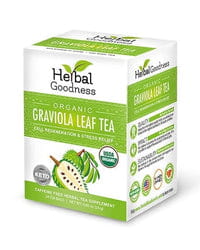
- Are the teas organic, sustainably harvested, or fair trade certified? Shop organic options like Soursop Leaf Tea Graviola Leaves - Organic 24/2g Tea Bags - Immunity & Cell Renew.
- Can you purchase in the small, seasonal batches your café might need? Options such as our organic herbal teas let you stay flexible with inventory.
- Does the supplier showcase unique blends or single ingredients suitable for creative menu design?
- How fresh is the inventory and what’s the typical shelf life?
Cultivating a relationship with your supplier opens the door to exclusive offerings or first access to new harvests, giving your café a competitive, seasonal edge.
Conclusion: Creativity, Connection, and Seasonal Success
With an intentional approach to menu curation, stocking, and pairing, your seasonal herbal tea offerings can add excitement and depth to your café. By focusing on flavor experiences and thoughtful presentation, you transform a simple cup of tea into a memorable moment for your guests—all while managing waste and keeping ingredients fresh. Embrace the changing seasons as an opportunity to delight and surprise your community, and let your passion for botanical flavors set your menu apart.
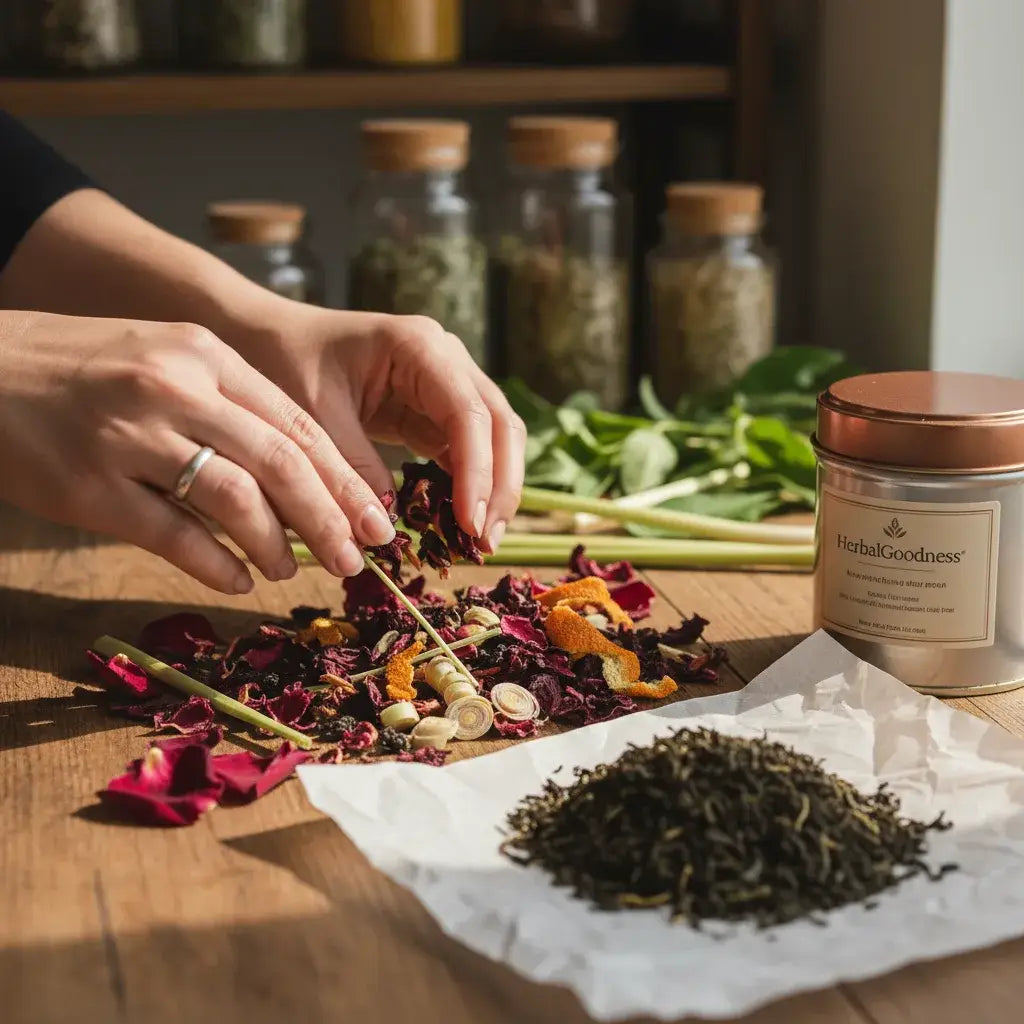
Ready to refresh your café menu? Start exploring seasonal herbal tea blends and delight your customers with every sip.
FAQs:
- How often should I rotate my herbal tea menu?
Many cafés find that refreshing their herbal tea menu every three months works well, coinciding with seasonal changes. Some businesses may opt for more frequent updates depending on customer interest and ingredient availability.
- What are essential flavors for a seasonal herbal tea menu?
Spring menus often feature florals and citrus, summer focuses on cooling and berry notes, autumn offers spiced and earthy blends, and winter highlights warming spices or citrus peel. Use these as inspiration to guide your own unique flavor selections.
- How can I reduce waste when stocking seasonal teas?
Order smaller quantities for experimental blends, choose multi-use herbs, store products properly, and create menu slots for special or leftover teas. Flexible suppliers can support low-waste practices.
- Are seasonal herbal teas more expensive than regular options?
Not necessarily. Seasonal teas may use local or readily available herbs, which can help control costs. Thoughtful menu planning and supplier selection are key to balancing price and quality.
- How do I pair foods with herbal teas?
Start with flavor harmony—match light teas to delicate pastries or fruit, and richer blends to baked goods or spiced treats. Experiment with combinations and gather customer feedback to refine your pairings.
- Can staff training impact herbal tea sales?
Absolutely. Educated staff can confidently recommend blends, share stories, and encourage customers to try new teas, creating a more engaging experience and often boosting sales.
Author Name:
Herbal Goodness Editorial Team
Author Bio:
The Herbal Goodness Editorial Team specializes in holistic health and superfoods, blending science and nature to educate and empower our community.
References:
Introducing Graviola to Young Taste Buds: Fun, Family-Friendly Flavor Exploration
Graviola in the Classroom and at Home: Creative Activities to Teach Kids About Tropical Plants
Why Social Impact Matters in Plant-Based Wellness