




Designing a Practitioner Dispensary: Steps for Stocking Herbal Supplements

Introduction
Designing a practitioner dispensary for a holistic practice can feel both inspiring and overwhelming, especially when it comes to herbal supplements. As more holistic practitioners explore integrating botanicals into their client wellness programs, a thoughtfully designed dispensary can provide hands-on product education, safe sampling opportunities, and a smoother way to recommend quality supplements. In this guide, we'll explore practical steps for stocking, sampling, and educating with wholesale herbal supplements, focusing on inventory management, effective client communications, and safe, evidence-minded practices—all while keeping professional boundaries and regulatory guidance in mind.
Step 1: Assessing Your Practice Needs and Goals
Before you order your first tincture bottle or box of capsules, take time to outline how a dispensary aligns with your holistic philosophy and client flow.
Understanding Client Population
- Are most of your clients open to herbal wellness approaches?
- Which concerns or areas of support are most commonly addressed (e.g., stress, digestive harmony, immune fortification)?
- Any dietary restrictions (vegan, gluten-free, alcohol-free) common in your population?
Practitioner's Scope & Style
- Will herbs be recommended as mainstays, occasional support, or by request only?
- Do you prefer working with individualized formulas or suggesting ready-made blends?
- How much time do you realistically have to manage a dispensary alongside client care?
Reflecting on these points will help you right-size your inventory, anticipate storage needs, and choose appropriate product forms. It’s smart to select foundational products addressing the chief needs in your practice. If immunity support or cell health is a recurring priority, consider options such as Soursop Leaf Graviola Extract - - Organic 15X Liquid Extract - Cell Renew & Immunity to invite both versatility and scientific interest to your dispensary.
Step 2: Choosing Herbal Supplement Formats for Your Dispensary
One size rarely fits all when it comes to herbal supplements. Providing a curated selection of delivery forms ensures your clients have safe, practical choices that fit their lifestyles and preferences.
Common Herbal Supplement Formats
1. Liquid Extracts (Tinctures):
- Advantages: Rapid absorption, easy to blend, adjustable dosing.
- Considerations: Often contain alcohol (check for alcohol-free or glycerite options for sensitive groups), bottles require upright storage and careful handling.
For liquid extract fans, Papaya Leaf Extract - - Organic 16oz 15X Liquid Extract is another option, ideal for those looking to diversify their inventory or offer trial-size sampling.
2. Capsules & Tablets:
- Advantages: Precise dosing, discreet, easy for travel, preferred for strong-tasting herbs.
- Considerations: May contain fillers; confirm vegan or allergen-free options if needed.
3. Powders:
- Advantages: Versatile for smoothies or recipes, can be precisely measured, simple ingredient profiles.
- Considerations: Some clients may resist taste or texture; keep powders in airtight containers.
4. Herbal Teas:
- Advantages: Ritualistic, hydrating, gentle introduction for new clients.
- Considerations: Bulk teas need storage solutions; brewing instructions should be clear for at-home use.
Offering a balance—such as one or two tinctures, a few capsule options, select teas, and perhaps one versatile powder—ensures flexibility without overcomplicating your inventory. Soursop Leaf Tea Graviola Leaves - Organic 24/2g Tea Bags - Immunity & Cell Renew is a compelling tea to consider when creating inviting sample stations or curated tea tastings for clients.
Step 3: Stocking Your Herbal Dispensary Wisely
Start small to stay nimble. A core principle in dispensary design is practical inventory management, especially with organic botanicals that have limited shelf lives.
Practical Tips for Stock Selection
- Identify foundational herbs relevant to your client base—think adaptogens for stress, digestive supporters, or classic immune botanicals.
- Order in moderate bulk: Take advantage of wholesale pricing, but avoid overstocking perishable items.
- Check expiration dates and batch numbers consistently to keep your stock rotation fresh.
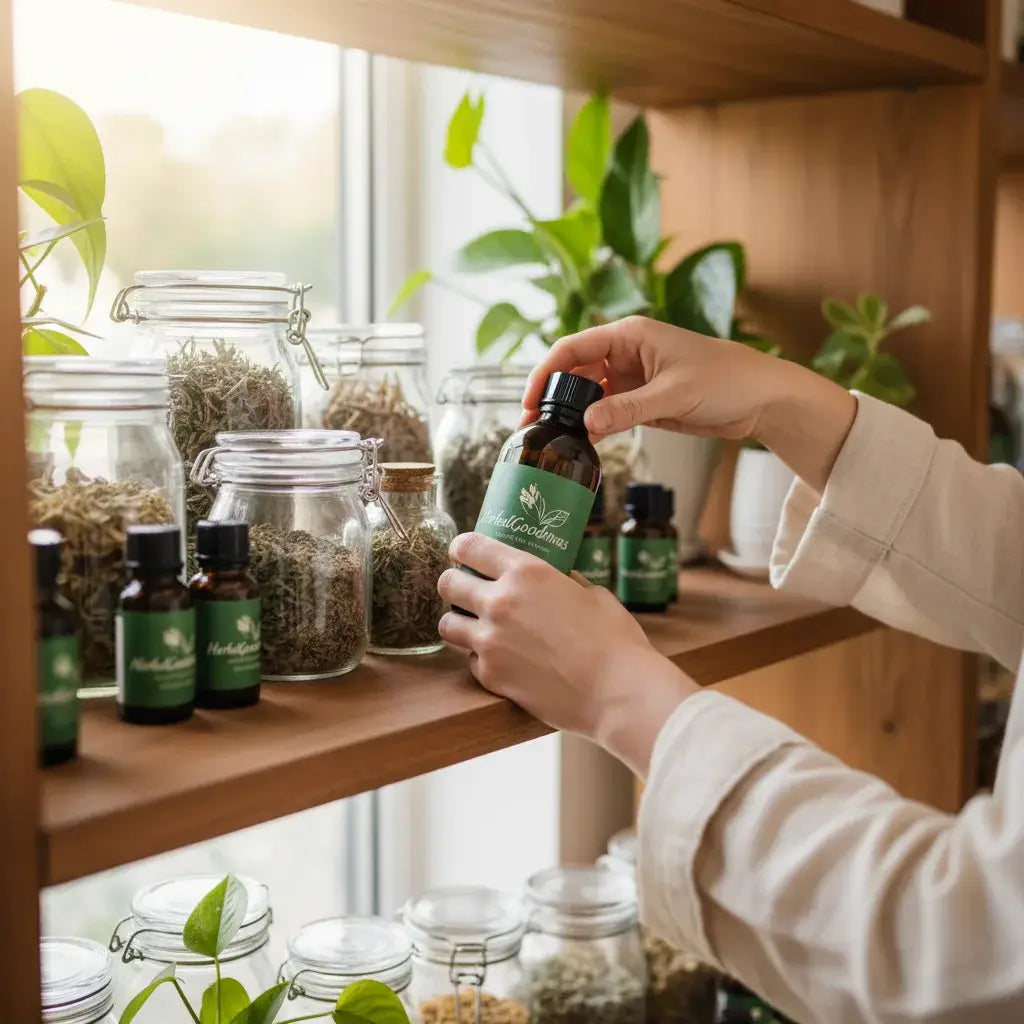
- Store products away from direct sunlight, heat, and moisture. Herbal capsules and powders prefer cool, dry areas; teas and extracts need tightly sealed lids.

Finding Trusted Suppliers
Seek suppliers who provide documentation on organic sourcing, batch testing, and quality standards. Many brands (such as Herbal Goodness) offer practitioner-only programs with education support, bulk packaging, and special materials for clinics. Monitoring demand is essential: if you see a spike for immune-focused capsules such as the Graviola Soursop Leaf Extract – 10X 60/600mg Capsules - Cell Renew & Immunity, plan your restock accordingly to minimize waste and maintain freshness.
Step 4: Safe and Effective Sample & Demo Practices
Allowing clients to experience supplements firsthand is invaluable, but sampling must prioritize safety and sanitation.
Setting up a Sampling System
- Use single-dose containers or disposable utensils for all samples.
- Track sample distribution—keep a log of what clients try and when.
- Display clear ingredient lists and allergen warnings near sampling stations.
- Choose when and how to sample—offer under supervision or provide labeled trial sizes for home use.
- Budget strategically: Limit sampling to high-interest products or to introduce a new item; rotate demos so no inventory is wasted.
Products like Papaya Leaf Extract - Organic 1oz 15X Liquid - Blood Platelet provide manageable trial units for sample logs and demo rotation. When introducing blends, small packets of Organic Papaya Seed Powder 4oz | Gut Cleanse & Digestive Support can give clients a way to experience powders without overcommitting your stock.
Step 5: Dispensary Inventory & Storage Best Practices
Maintaining an organized, professional dispensary makes product rotation, compliance, and consultation efficient and safe.
Organizational Tools and Procedures
- Categorize products by format, function, or clientele need.
- Implement a basic tracking system (even a spreadsheet works) for shelf life and volume monitoring.
- Arrange inventory by expiration date—older stock at the front.
- Regular audits: Monthly visual checks prevent expired or damaged goods from reaching clients.
- Cleanliness routines: Wipe surfaces regularly and sanitize demo areas daily.
If you choose to stock loose-leaf or bulk products, options like our organic herbal teas can streamline blending, but make sure to store them in airtight, labeled containers away from sunlight.

Step 6: Creating Evidence-Minded, Client-Friendly Education Materials
The way you educate about herbal options is just as important as what you stock. Educational materials should empower, not overwhelm; inform, not prescribe.
Principles of Herbal Client Education
- Use approachable language: Avoid jargon or medicalized terms.
- Stick to known traditional and contemporary uses: Share that an herb is “traditionally used for,” “long valued to support,” or “commonly appreciated for.”
- Include basic botanical details: Name, plant part used, common preparation methods.
- Share science—without overpromising: Offer a summary of well-regarded research if relevant, but never imply treatment or guarantees.
- Prepare handouts or cards with ingredient lists, storage tips, and, where appropriate, reference to regulatory guidelines.
Visual and Interactive Aids
- Posters and flip cards to illustrate forms and uses
- Small group demos or tea tastings with guided discussion, focusing on taste profiles and sensory experience rather than effects
- Q&A time as part of any group sampling or introduction sessions
For community-building education, offering a tasting of Bamboo Leaf Tea – 24/1.5g Tea Bags - Nature's Collagen & Biotin supports engagement and provides memorable interaction for participants. Preparing simple cards with advice on products such as Sea Moss Gel 16 oz – Nutrient-Rich Superfood for Everyday Wellness can further demonstrate your commitment to client empowerment.
Step 7: Staying Within Professional, Legal, and Ethical Boundaries
While practitioners play an important role in sharing safe, evidence-based information, be mindful of boundaries:
- Do not diagnose or claim to treat conditions.
- Refer clients to qualified healthcare professionals for medical needs beyond your scope.
- Stay updated on relevant regulations regarding supplement recommendations and labelling in your region.
- Maintain privacy in any sample or recommendation logs.
If you're unsure about local laws, a Personal Consultation with Herbalist or Health Coach can help clarify guidelines and bolster your dispensary’s compliance strategies.
Conclusion: Building Confidence and Community Through Your Dispensary
A holistic dispensary, designed with intention, safety, and client empowerment in mind, can become a true asset to your wellness practice. Keep inventory lean and flexible, invest in evidence-based client education, and create sampling experiences that foster curiosity. Over time, your dispensary can evolve alongside the needs and interests of your unique community, adding deeper value to the practitioner-client relationship.
FAQs:
- What types of herbal supplement formats are best for a small dispensary?
Start with a mix of liquid extracts, capsules, powders, and herbal teas. Liquid extracts and capsules are popular for convenience, while teas provide a gentle introduction for clients new to herbs.
- How can practitioners sample herbal supplements safely in a clinic?
Always use single-dose containers, provide clear ingredient and allergen information, supervise sampling, and keep records of what each client tries. Rotate on-hand tasting options to limit waste.
- What are effective ways to educate clients about herbal supplements?
Create simple handouts focused on traditional uses, safe storage, and how to take each product. Use visual aids and host guided taste demos, avoiding medical claims and focusing on wellness education.
- How do I prevent overstock and expired herbal supplements?
Order moderate amounts based on client demand, arrange products by expiration date, and conduct monthly inventory checks. Choose suppliers that offer smaller practitioner packaging options.
- Are there legal risks to offering herbal supplements in my clinic?
Practitioners should avoid making any health claims or diagnoses. Follow local regulations about supplement sales, documentation, labelling, and always refer clients to primary care for health concerns.
- Can I create custom herbal formulas in my dispensary?
Custom blending is possible if you have specific training and adequate storage, but most clinics start with ready-made products for quality assurance and ease. Always follow best practices for safety and documentation.
- What storage conditions are ideal for herbal supplements?
Store herbal capsules and powders in a cool, dry place. Teas need airtight containers away from light, and tinctures should remain upright at stable room temperatures, out of sunlight.
Author Name:
Herbal Goodness Editorial Team
Author Bio:
The Herbal Goodness Editorial Team specializes in holistic health and superfoods, blending science and nature to educate and empower our community.
References:
Introducing Graviola to Young Taste Buds: Fun, Family-Friendly Flavor Exploration
Graviola in the Classroom and at Home: Creative Activities to Teach Kids About Tropical Plants