




Bulk Olive Leaf Extract Ratios: A Beginner’s Guide to Conversions

Understanding Bulk Olive Leaf Extract: A Practical Starting Point
If you’ve ever browsed the world of bulk herbs and extracts, you know that ingredient labels can seem complex—especially when terms like "20:1 extract," "standardized to 20% oleuropein," or "powdered vs. tincture" appear. While olive leaf extract is long valued by tea makers and herbal enthusiasts, scaling up recipes or converting between product forms isn’t always straightforward. This guide distills the essentials: how to decode extract ratios, understand concentration labels, and make accurate ingredient swaps for your olive leaf blends, teas, or homemade capsules.
Olive Leaf Extract: Exploring Forms and Formats
Bulk olive leaf comes in several common forms:
- Dried Whole or Cut Leaf: Traditional, suitable for herbal infusions and custom blends.
- Powdered Leaf: Finely milled; ideal for capsules or as a blending base.
- Liquid Extracts (Tinctures): Alcohol- or glycerin-based concentrates for direct dosing or blending.
- Standardized Extracts: Typically in powder or capsule form, with specific plant compound levels labeled (e.g., "standardized to 20% oleuropein").
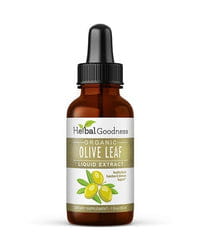
Each form brings different strengths, and understanding how they compare is essential when following—or scaling—recipes. For example, those seeking immune and performance support might gravitate toward an Olive Leaf - Organic 1oz 15X Liquid Extract - Immunity & Performance, which provides clear labeling and concentrated efficacy for precise recipe needs.
Demystifying Extract Ratios: What Does 10:1 or 20:1 Mean?
You’ll often notice ratios on extract labels, such as 10:1 or 20:1. Here’s what they mean:
- The Ratio Explained: A 10:1 olive leaf extract signifies that ten parts of olive leaf have been used to create one part of finished extract. Similarly, a 20:1 extract uses twenty parts of leaf for every one part of extract.
- What It Doesn’t Mean: This doesn’t necessarily dictate exact active compound content (like oleuropein), unless specified elsewhere on the label.
Tip: Higher ratios suggest greater concentration, but always look for additional information about core constituents.
Practical Example
If a recipe calls for 2 grams of dried leaf, but you’re using a 10:1 extract, you’d use about 0.2 grams (2g ÷ 10). For a 20:1 extract, you’d use 0.1 grams (2g ÷ 20).
When preparing blends or large batch teas, accurate conversions ensure you maintain the intended potency and flavor profile. For those accustomed to working with powdered herbs, products such as Organic Papaya Seed Powder 4oz | Gut Cleanse & Digestive Support allow for precise measuring, similar to how you might use olive leaf powders.
Olive Leaf Extract Concentration: Reading the Label
Concentration isn’t just about ratios—it’s also about which components are present and how strong they are:
- Standardized Extracts: These specify an active principle (e.g., “standardized to 20% oleuropein”).
- Non-Standardized Extracts: May list ratios but don’t always guarantee consistent constituent content from batch to batch.
When comparing products:
- Match Ratios or Standardization: Consistent results rely on matching either the extract ratio or the standardized compound between recipe and ingredient. Using a standardized extract such as Olive Leaf - Organic 1oz 15X Liquid Extract - Immunity & Performance can ensure consistency for repeated recipes.
- When to Adjust: If your extract is more concentrated than called for, reduce your dose accordingly.
Converting Between Bulk Olive Leaf Forms
From Dried Leaf to Powder to Extract
- Dried Leaf vs. Powder: 1 gram loose cut leaf ≈ 1 gram powder (bulk density may differ, but plant content is the same).
- Powder vs. Extract: Check the extract’s ratio and use the following general formula:
- Amount needed = Recipe’s dried leaf amount ÷ extract ratio
- Example: If you have a 10:1 powder extract and want to mimic 5 grams of dried olive leaf, you’d use 0.5 grams of 10:1 extract.
Converting for Liquid Extracts (Tinctures)
Liquid extracts often come with concentrations, such as 1:5 (1 part herb to 5 parts liquid). To estimate conversion:
- Typical Usage: 1 ml of a 1:5 tincture roughly equals 200 mg dried leaf (depending on herb, solvent, and extraction method).
- To Replace Dried Leaf: If you want to substitute 2 grams of dried leaf, use 10 ml of a 1:5 tincture (2,000 mg ÷ 200 mg = 10 ml).
Note: Specific concentrations can vary. Always consult accompanying product documentation for clarification.

Building Small-Batch Blends with Bulk Olive Leaf Extract
Tea Blending
When scaling recipes for olive leaf teas, pay special attention to:
- Total Potency: Adjust amounts to avoid overpowering flavors or concentrations.
- Form of Addition: Powder dissolves differently than cut leaf, and extracts require blending for even distribution.
If you’re interested in experimenting with other nourishing infusions, Hibiscus Tea - Organic 24/2g Tea bags - Heart Health offers an example of a precisely portioned, high-quality tea product—helpful for those new to small-batch herbal crafting.
Batch Example: If your recipe yields 10 cups and uses 10 grams dried olive leaf, but you only have a 10:1 extract:
- Use 1 gram of extract in place of 10 grams dried leaf.
- For a 1:5 tincture, use about 50 ml (10,000 mg ÷ 200 mg/ml) total, diluted to taste.
Capsule Making
Powder and powdered extracts are best for capsules. When swapping powdered extract for dried powder:
- Adjust for Concentration: 500 mg capsule of 10:1 extract ≈ 5 grams original leaf. For a gentler blend, mix extract with a neutral filler (such as rice flour) to achieve preferred strength.
For those making herbal capsules, Papaya Leaf Extract - Capsules 600mg - 10X Strength demonstrates the value of clear dosage per serving.
Tips for Scaling Recipes
1. Start Small When working with a new extract or batch size, make a test batch first. This lets you gauge potency and flavor before committing to larger quantities.
2. Use Simple Math Multiplying and dividing ingredient weights by extract ratios makes conversions fast. Keep a calculator (or phone) handy for quick math.
3. Record Your Results Maintain a recipe log with exact weights, forms, and any adjustments. This helps you repeat successes (or tweak as needed next time).
4. Blend with Care Bulk extracts can have robust flavors or concentrated plant compounds. If using in combination with other herbs, balance accordingly. Many tea blenders rely on our organic herbal teas for custom flavor and active component control.
How to Read and Compare Bulk Olive Leaf Extract Labels
Key Label Features
- Extract Ratio (e.g., 10:1, 20:1): Reveals how much plant material was concentrated.
- Standardization (e.g., 18% Oleuropein): Identifies specific measured compounds.
- Ingredient Form (powder, tincture, capsule): Determines best use in recipes.
- Inert Ingredients: Note if blends include carriers (like maltodextrin); impacts recipe outcome.
Red Flags When Comparing Products
- Missing Information: Avoid extracts without clear ratio or standardization details—especially for precise recipe work.
- Color or Odor Differences: Slight natural variation is normal, but dramatic changes may indicate quality or processing differences.
Measuring Bulk Olive Leaf Extract: Tools for Precision
- Digital Scale: For powder or extract, use a milligram-accurate scale for best results.
- Measuring Spoons: Good for dried leaf or powder, but less precise for extracts.
- Graduated Droppers: Useful for liquid tinctures.
- Blending Jars: For mixing extracts with fillers or other botanicals.

Powder, Extract, or Tincture: Which Bulk Form Fits Your Project?
Powdered Leaf:
- Flexible for teas, capsules, and food blends.
- Milder taste, natural plant matrix.
Concentrated Extract Powder:
- Highly potent; suited for limited-batch capsules or blending where stronger flavor is desired.
Liquid Extract or Tincture:
- Best for direct use, functional beverages, or integration into liquid blends.
- Useful for those preferring not to work with powders or plant materials.
Many beginners start with our Bulk Herbs collection and branch into more concentrated forms as they gain confidence.
Sourcing and Quality Considerations
For makers or hobbyists exploring olive leaf extracts, quality sourcing matters. Look for suppliers like Herbal Goodness that are open about their extract ratios, standardization, and plant sourcing. For convenience, blending aids such as our organic herbal teas can help ensure you’re starting with quality raw materials. If using for food or beverage projects, ensure product is labeled as food-grade and produced with transparency from leaf to bottle—a practice long respected by experienced herbalists and tea blenders.
Summing Up: Practical Conversion Chart (For Reference Only)
| Original Ingredient | Equivalent Amount (if using 10:1 extract) | |-----------------------------|---------------------------------------------------| | 1 gram dried olive leaf | 0.1 gram extract powder | | 10 grams dried olive leaf | 1 gram extract powder | | 1 ml 1:5 tincture | ~200 mg dried leaf equivalent | | 5 grams dried olive leaf | 0.5 gram extract powder |
Note: Use as a guideline. Adjust based on specific product concentrations and your own recipe preferences.
Ready to start scaling your own olive leaf recipes? Take your first step by exploring the variety of extracts available and see which format fits your next project.
FAQs:
- What does a 10:1 or 20:1 olive leaf extract ratio signify?
A 10:1 ratio means 10 parts olive leaf were used to make 1 part extract. This indicates concentration level, making it easier to substitute extract for dried leaf in recipes.
- How do I convert dried olive leaf to extract for my recipe?
Divide the amount of dried olive leaf by the extract ratio. For instance, 2 grams of dried leaf equals 0.2 grams of 10:1 extract.
- Can powder and tincture forms of olive leaf be used interchangeably?
They can be substituted, but you must account for different concentrations and extraction bases. Use label information or reputable conversion charts to make accurate swaps.
- How do I ensure consistency in my olive leaf batches?
Record all measurements, ingredient forms, and adjustments. Consistency comes from replicable processes and using extracts with detailed labels.
- Is standardized olive leaf extract better for recipe scaling?
Standardized extracts offer predictable active compound levels, supporting more precise and repeatable recipes, especially for blends and capsule making.
- What’s the best way to measure small quantities of extract?
For powders or extracts, use a digital scale accurate to milligrams. For tinctures, graduated droppers offer reliable dosing.
- What factors impact the flavor of olive leaf in blends?
Higher concentration extracts and powdered forms can have stronger flavors than dried leaf. Adjust quantities in teas and blends to find a flavor balance you enjoy.
Author Name:
Herbal Goodness Editorial Team
Author Bio:
The Herbal Goodness Editorial Team specializes in holistic health and superfoods, blending science and nature to educate and empower our community.
References:
Introducing Graviola to Young Taste Buds: Fun, Family-Friendly Flavor Exploration
Graviola in the Classroom and at Home: Creative Activities to Teach Kids About Tropical Plants
Why Social Impact Matters in Plant-Based Wellness