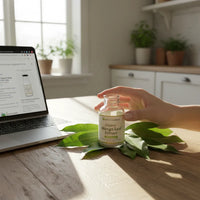





Beginner’s Guide to Herbal Practices for Lung Wellness

Beginner’s Guide to Herbal Practices for Lung Wellness
Supporting the natural flow in your lungs is an important part of feeling vibrant and energized every day. For centuries, people have cherished different herbs and preparations—teas, steams, tinctures, and more—to gently nourish their sense of clear breathing. Whether you’re new to herbal traditions or looking for practical, modern approaches, this guide offers a friendly introduction to the best plant-based formats and rituals for everyday respiratory well-being. Explore flavor profiles, safe preparation habits, and easy ways to add these practices into your routine as the seasons shift.
Understanding Herbs and Their Role in Lung Wellness
Herbs have long been valued by cultures worldwide for their unique properties, gentle aromas, and comforting flavors. While each tradition has favorites, certain plants are commonly associated with supporting a sense of openness and ease in the lungs. The growing popularity of herbal wellness reflects a renewed interest in connecting with nature to care for everyday health.
Why Herbs for the Lungs?
Plant-based formats offer a natural, time-honored way to refresh and nurture your system. Herbs for lung wellness are especially prized for:
- Their uplifting aromatics
- Soothing flavors
- Versatile preparation styles
- Customizable use throughout the year
These gentle tools fit naturally into your lifestyle, whether you prefer to sip a calming tea, inhale fragrant steam, or add a few drops of tincture to water. The focus is on mindful enjoyment of nature’s flavors and scents, not on treating or curing any specific condition. One simple starting point is the Mullein Leaf Tea - Organic 24 Tea Bags - Respiratory & Lung, prized for its neutral, gentle taste and history of use in respiratory rituals.
Exploring Common Herbal Preparations for Lungs
Different herbal formats allow you to enjoy their distinct aroma and taste while suiting your needs for convenience or ritual. Here’s an overview of the most popular ways to use herbs in support of lung wellness:
Herbal Teas (Infusions)
Herbal teas are perhaps the simplest and most appealing format. Hot infusions are made by steeping plant leaves, flowers, or roots in hot water, drawing out gentle flavors and fragrances. For enhancing your tea ritual with lung-supportive botanicals, try Lungs and Respiration - 15X Liquid Extract - Respiratory as an easy addition to your daily routine.
Benefits:
- Warmth and moisture can be comforting for the lungs.
- Sipping slowly creates a calming ritual.
- Many herbs blend well for a pleasant flavor profile.
Preparation Tips:
- Use one to two teaspoons of dried herbs per cup.
- Steep in freshly boiled water for 5–10 minutes.
- Strain and enjoy, sweetening with honey if desired.
Best Herbs for Teas:
- Peppermint (cooling and aromatic)
- Mullein (traditionally soothing)
- Thyme (savory, light flavor)
- Licorice root (naturally sweet)
If you crave an easy, pre-portioned option, Soursop Leaf Tea Graviola Leaves - Organic 24/2g Tea Bags - Immunity & Cell Renew offers a convenient herbal blend with gentle flavor and wellness support.
Herbal Steam Inhalations
Inhaling the fragrant steam from herbs is another centuries-old practice. Steam inhalation surrounds the nose and mouth with warm, aromatic vapors that can create a sense of clarity and openness.
Benefits:
- Quick absorption of aromatic compounds
- Moistens and refreshes the senses
How to Prepare a Herbal Steam:
- Boil two quarts of water and pour into a heat-safe bowl.
- Add a handful of herbs, letting them steep for 2–3 minutes.
- Lean over the bowl, draping a towel over your head to catch the steam.
- Breathe deeply for up to 10 minutes.
Popular Herbs for Steam:
- Eucalyptus (fresh and invigorating aroma)
- Rosemary (herbaceous scent)
- Lavender (gentle, calming scent)
Note: Always test for sensitivity and avoid steam inhalation if you have certain sensitivities or face high temperatures.
Explore bulk blends such as our Bulk Herbs collection for preparing custom steams or infusions that fit your personal routine. You might also enjoy the relaxing sensory aspect when you include supportive botanicals tailored for respiratory practices.
Herbal Tinctures
Herbal tinctures are concentrated liquid extracts, typically made by soaking herbs in alcohol or glycerin. They are prized for their potency, small dosage, and convenience—perfect for busy lifestyles.
Advantages:
- Fast, easy to use (few drops in water or juice)
- Travel-friendly
- Shelf stable
Usage:
- Always start with the recommended serving on the label, usually a dropperful diluted in water.
- Tinctures can be blended for balanced flavor.
Herbs Often Used in Tinctures:
- Elecampane (traditionally valued for aromatics)
- Marshmallow root (gentle and neutral)
- Osha root (robust, spicy flavor)
A convenient example is the Mullein Leaf - Organic 15X Liquid Extract - Respiratory & Lung Health, ideal for those who want quick, concentrated support for respiratory well-being without elaborate preparation.
Herbal Capsules & Powders
Herbal capsules and powders offer the ultimate in convenience—no flavor to worry about, just pure herb in a format that’s easy to use anywhere.
Pros:
- Taste-free
- Consistent dosing
- Portable
Cons:
- Miss out on the aroma and ritual of teas and steams
If you’re new to herbs, capsules can serve as a supplement to other holistic rituals. Graviola Soursop Leaf Extract – 10X 60/600mg Capsules - Cell Renew & Immunity offers the benefit of precise dosing and easy storage for busy days.
Choosing the Right Herbal Format for You
Each preparation format fits different preferences, lifestyles, and situations. Here’s some guidance for selecting what’s best:
If you crave ritual: Choose teas or steams, which foster mindfulness and comfort.
If your schedule is busy: Capsules, tinctures, and powders offer speed and simplicity—Lungs and Respiration - 15X Liquid Extract - Respiratory is particularly handy for this.
If you love flavor: Brew herbal teas—explore blends and sweeten to taste with options like Mullein Leaf Tea - Organic 24 Tea Bags - Respiratory & Lung.
If aroma inspires you: Try steam inhalations for an uplifting sensory experience, using a variety of our Bulk Herbs collection.
Flavor Profiles and Pairing Herbs for Enjoyment
Herbs for lung wellness offer an array of taste and scent experiences. Understanding flavor profiles helps you blend teas or create rituals that you’ll look forward to daily.
Earthy and Comforting
- Mullein: Soft, neutral taste
- Marshmallow root: Mild and soothing
Fresh and Invigorating
- Peppermint: Cooling, uplifting
- Eucalyptus: Crisp, menthol-like aroma
Sweet and Savory
- Licorice root: Naturally sweet
- Thyme: Subtly savory
Herbal Blending Tips
- Try mixing one aromatic (like peppermint) with a soothing herb (like mullein).
- Use sweet herbs to balance any bitterness.
- Start with simple blends—two to three herbs per tea. You might also consider bulk create-your-own options like our organic herbal teas for experimenting with these flavors.

Safe Preparation and Dosing Basics
Safety and moderation are key, even with gentle, culinary herbs.
General Guidelines:
- Use only high-quality, food-grade dried herbs from reputable sources.
- For tea, steep 1–2 tsp dried herb per cup; adjust to taste.
- For steam, use a handful of dried or fresh herbs per bowl.
- Tinctures and capsules: Always follow the packaging instructions—Mullein Leaf - Organic 15X Liquid Extract - Respiratory & Lung Health is an example of a tincture with clear usage directions.
- Start small, especially when trying a new format or blend.
- If you are pregnant, nursing, or have allergies, consult a knowledgeable practitioner before beginning new herbs.

Seasonal Herbal Rituals for Lung Wellness
Many people find that herbal practices support a sense of balance and comfort as the seasons change. Here are easy ideas to celebrate each time of year:
Spring: Refresh and Awaken
Try teas with peppermint or eucalyptus to match the season’s freshness. You might explore seasonal tea blends through the Herbal Tea Gift Set – Wellness Tea Gift Variety Collection - Organic 24 Teabags for variety.
Summer: Cool and Invigorate
Iced herbal teas with mint, or gentle steam inhalations in an air-conditioned space, can keep you refreshed. For a summer-friendly option, brew Soursop Leaf Tea Graviola Leaves - Organic 24/2g Tea Bags - Immunity & Cell Renew over ice.
Fall: Soothe and Balance
Warm, spiced teas such as those with thyme or marshmallow root offer comfort when the air gets crisp.
Winter: Warmth and Comfort
Steams with rosemary or lavender, or rich, warming teas, are especially cherished during colder months. Consider pairing your winter ritual with Mullein Leaf Tea - Organic 24 Tea Bags - Respiratory & Lung or relaxed steams.
Convenience and Lifestyle: Making Herbal Practices Work for You
You don’t need to spend hours on rituals—herbs should fit your daily rhythm. Here’s how to make these practices accessible:
- Prep tea bags ahead of time to support busy mornings, using Mullein Leaf Tea - Organic 24 Tea Bags - Respiratory & Lung.
- Keep a tincture in your bag for on-the-go support. The Lungs and Respiration - 15X Liquid Extract - Respiratory fits well in a travel or gym bag.
- Set up a weekly steam ritual—a simple act of self-care that pairs well with our Bulk Herbs collection.
- Mix powders into smoothies for a no-fuss option, or opt for Graviola Soursop Leaf Extract – 10X 60/600mg Capsules - Cell Renew & Immunity for straightforward use.
Budget, taste, and routine all matter—experiment to find your favorite combination that supports your sense of open, easy breathing.

Summary: Getting Started with Herbs for the Lungs
Exploring herbal practices for a healthy flow in the lungs can be gentle, enjoyable, and deeply rewarding. From fragrant teas and steams to convenient tinctures and capsules, these traditions fit every taste and pace. Start simple, pay attention to your preferences, and welcome each season with a new herbal ritual. Over time, these small practices can become cherished parts of your wellness journey.
FAQs:
- Which herbs are most commonly appreciated for lung wellness?
Herbs like mullein, peppermint, eucalyptus, thyme, licorice root, marshmallow root, and rosemary are often associated with supporting a sense of clarity and comfort in the lungs. Each offers distinct flavors and aromatics for various preparations.
- How do I choose between teas, tinctures, steams, and capsules?
If you enjoy ritual and flavor, try teas or steams. For convenience or travel, tinctures and capsules are quick and easy. Your lifestyle and taste preferences should guide your choice.
- Is it safe to use herbal steams at home?
Herbal steam inhalation is generally considered safe for most adults when used with caution. Always test for sensitivity, avoid getting too close to hot water, and do not use steams if you have certain sensitivities or breathing difficulties.
- Can I use more than one herb at a time?
Yes, many people enjoy blending different herbs to create balanced flavors and aromas. Start with simple combinations and always use moderation, increasing variety as you become familiar with each herb.
- How often should I enjoy herbal preparations for lung wellness?
Frequency depends on the preparation and your individual preferences. Some enjoy herbal teas daily, while steams or tinctures might be used as occasional rituals. Listen to your body and savor the experience.
- Do I need special equipment to make herbal teas or steams?
No special tools are needed. For teas, a simple teapot or mug with a strainer works well. For steams, use a heat-safe bowl, boiling water, and a towel to catch the vapor.
Author Name:
Herbal Goodness Editorial Team
Author Bio:
The Herbal Goodness Editorial Team specializes in holistic health and superfoods, blending science and nature to educate and empower our community.